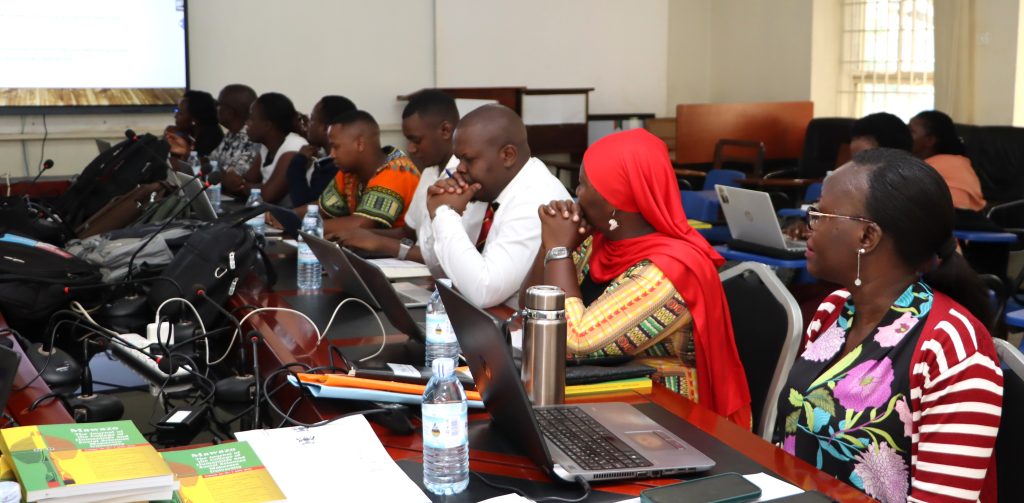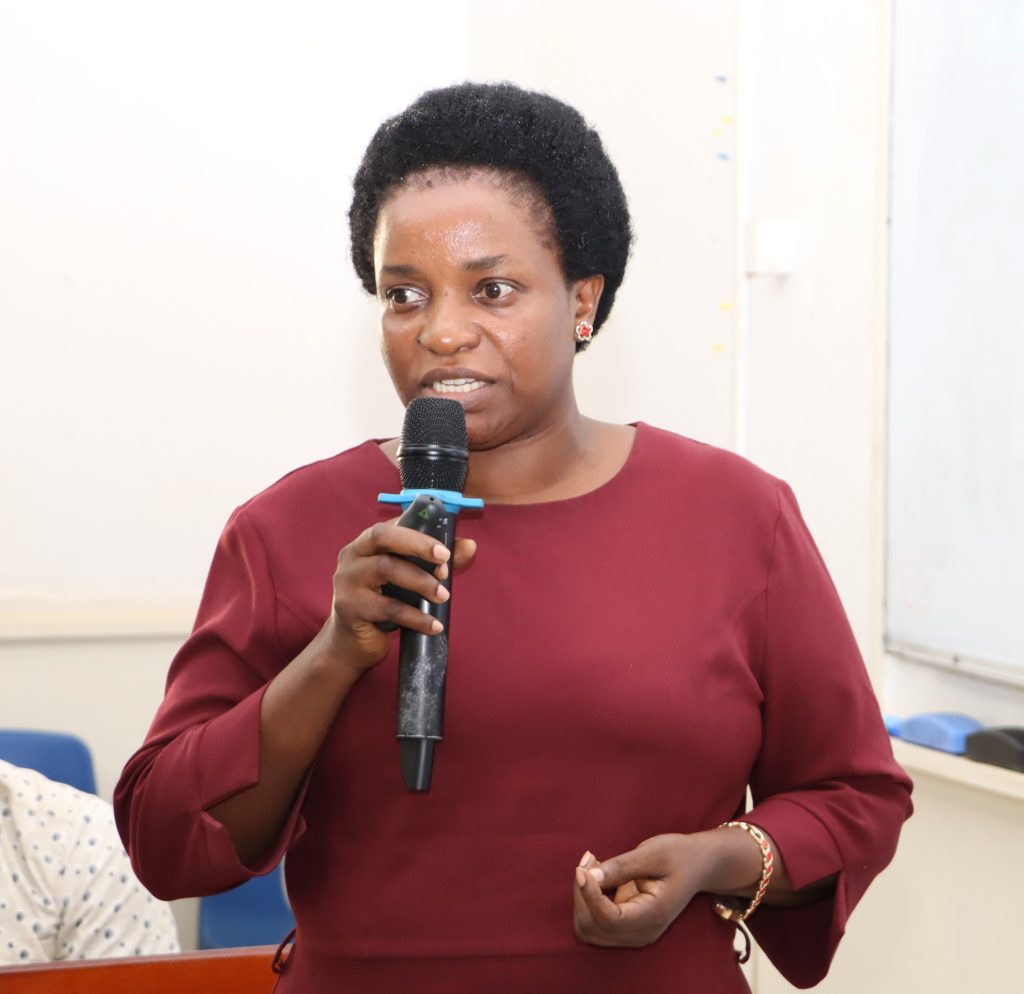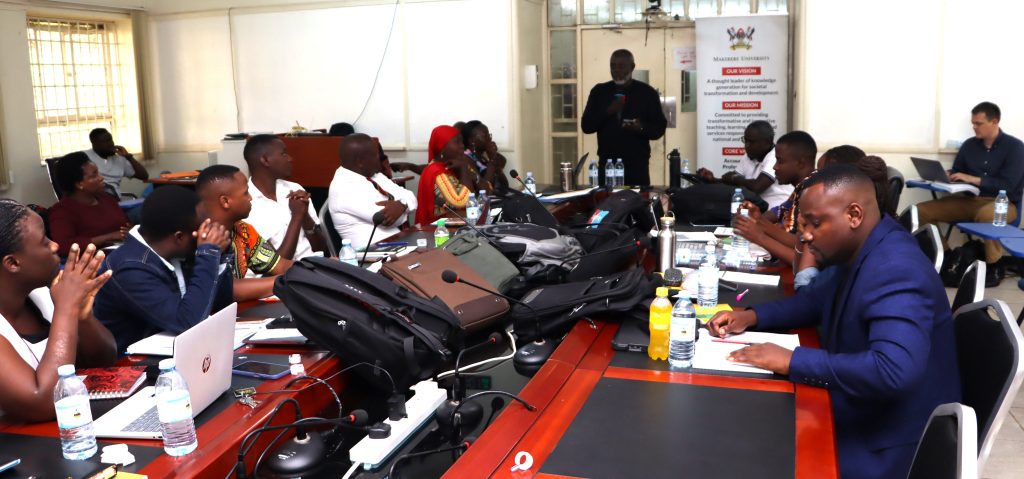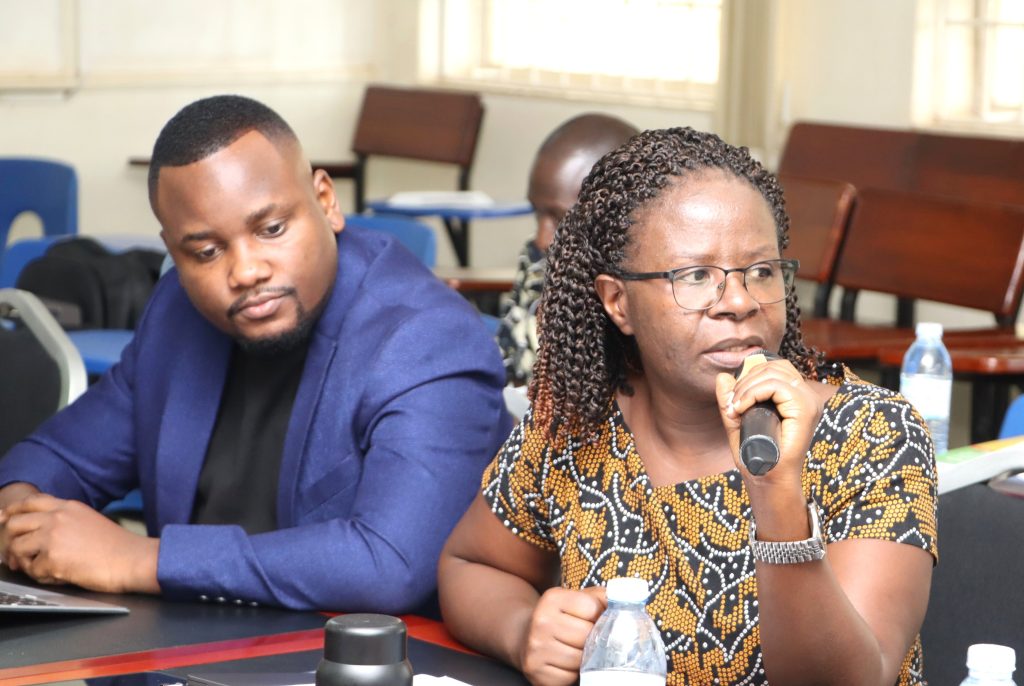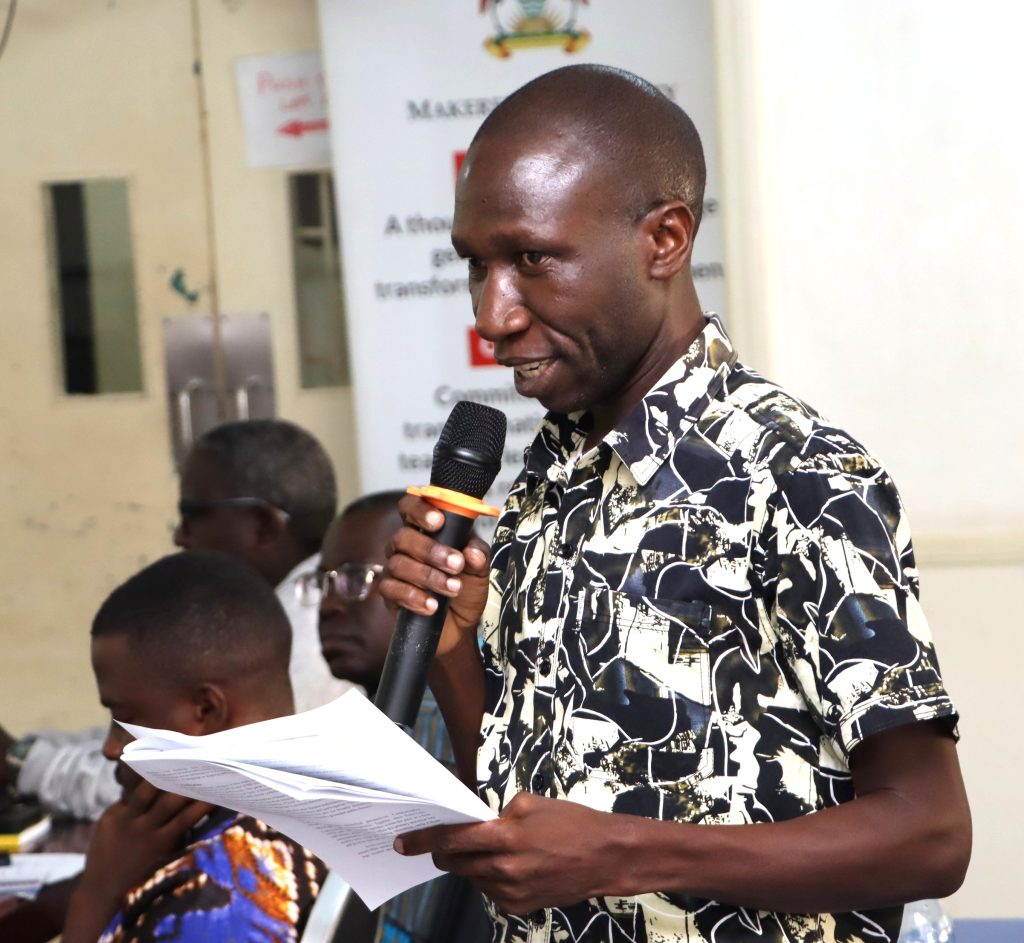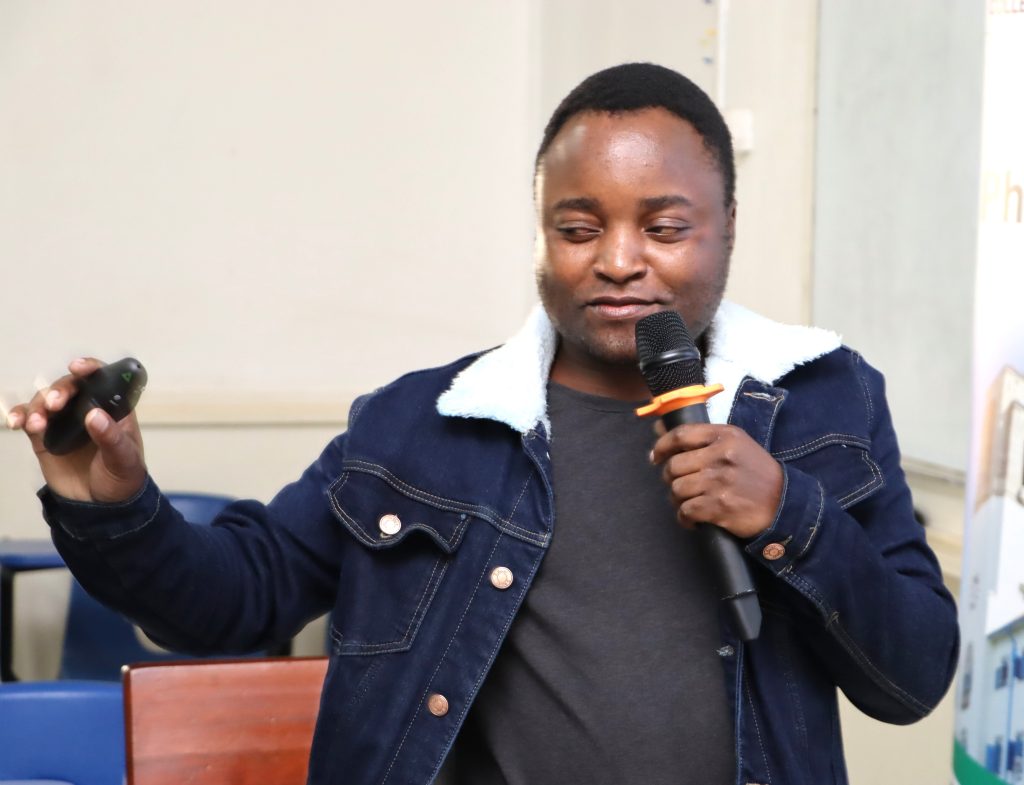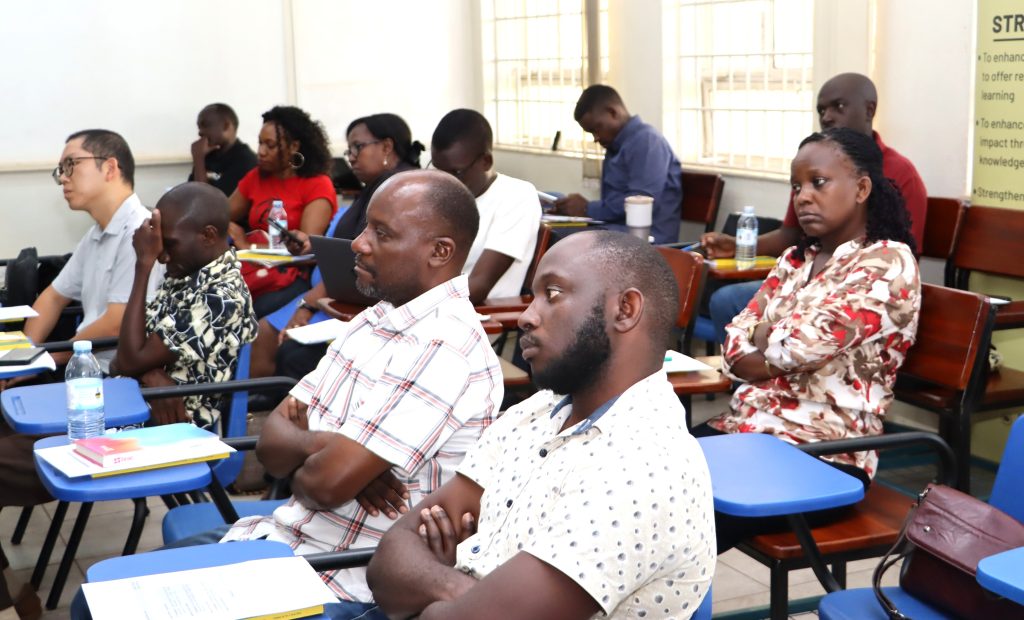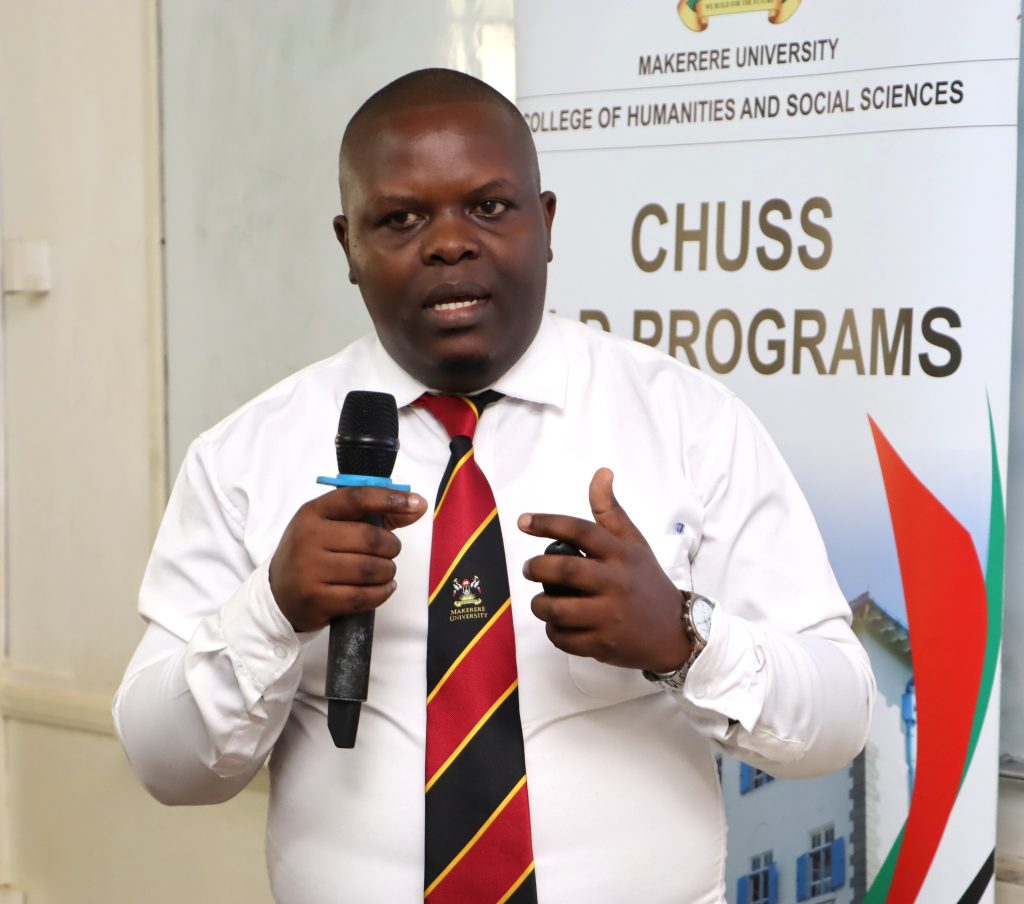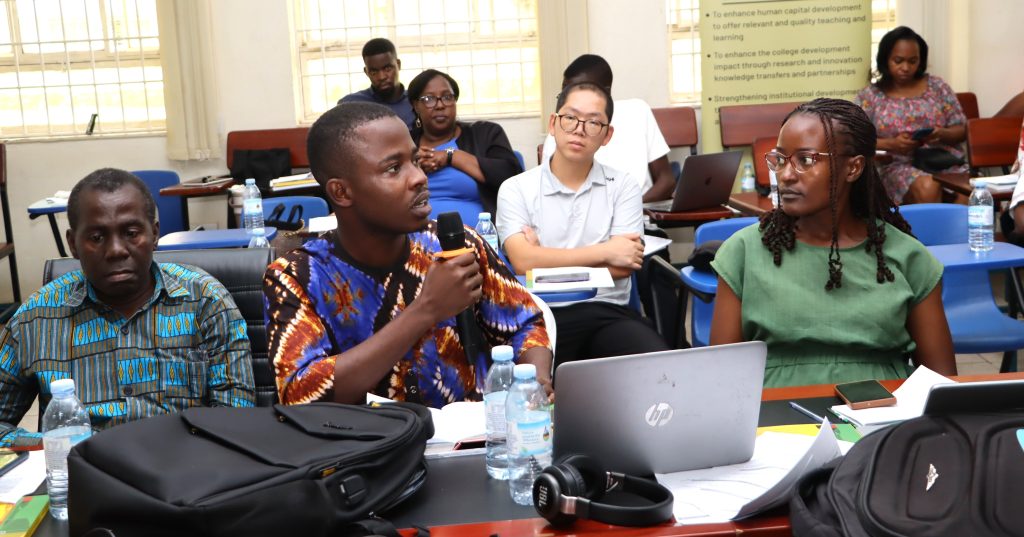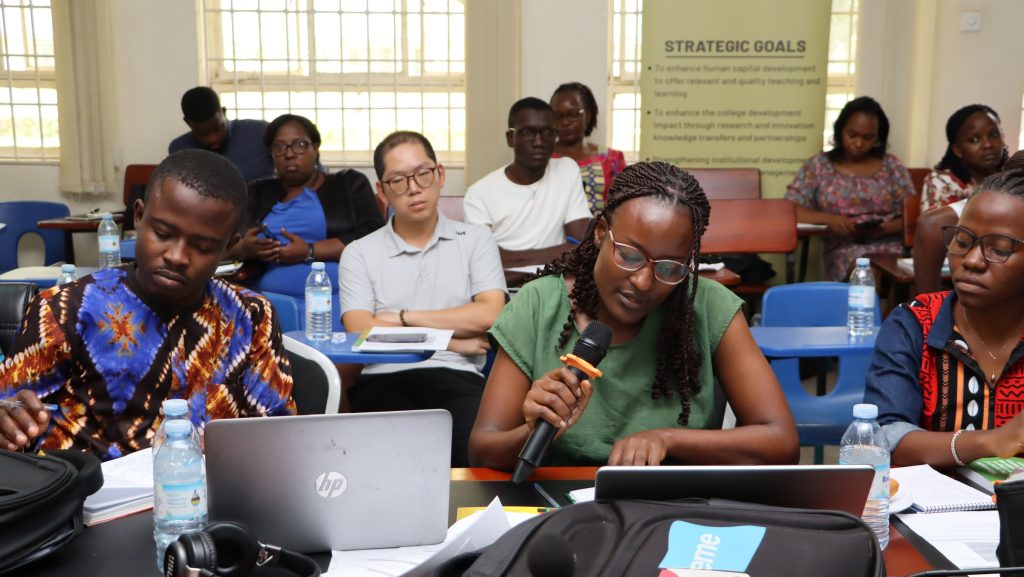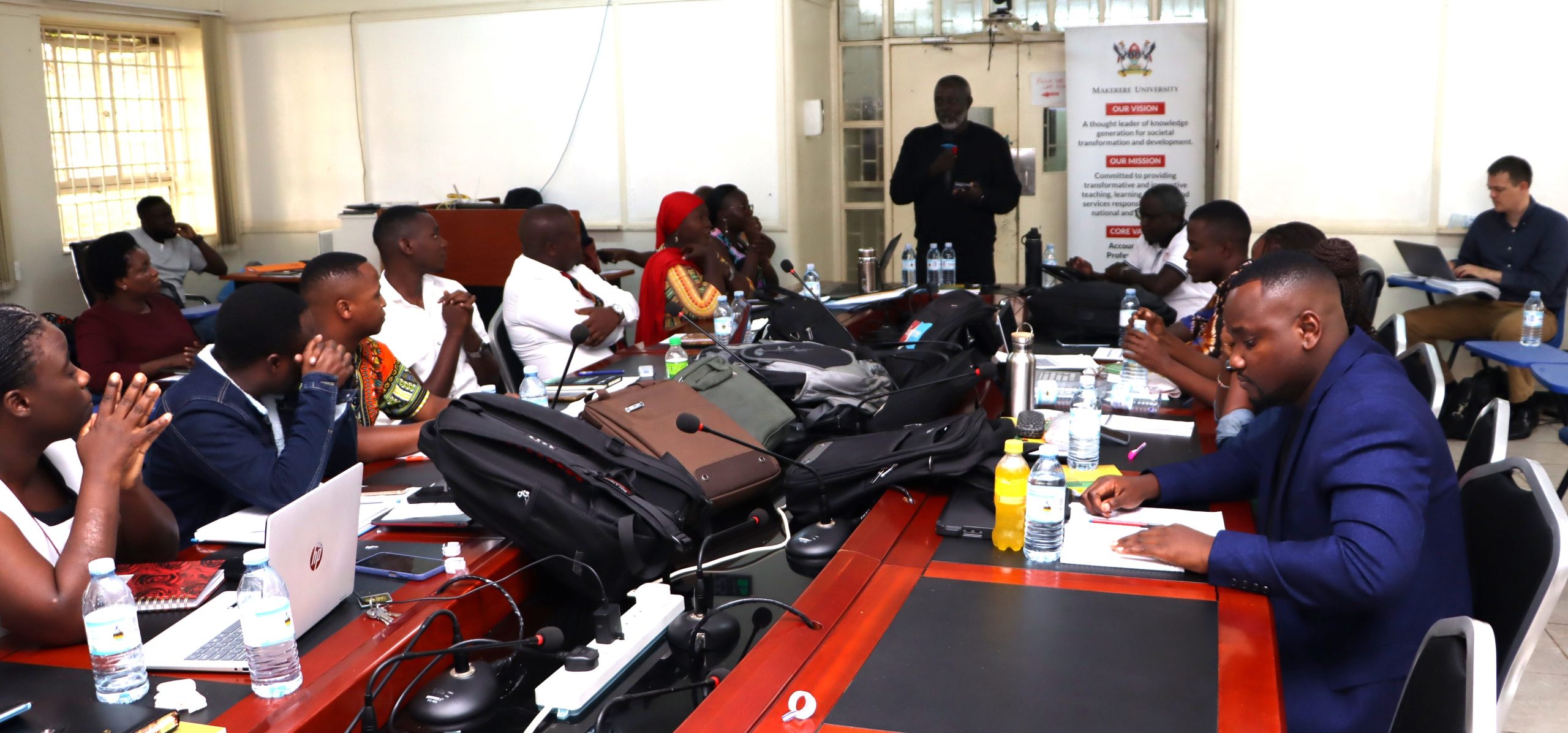
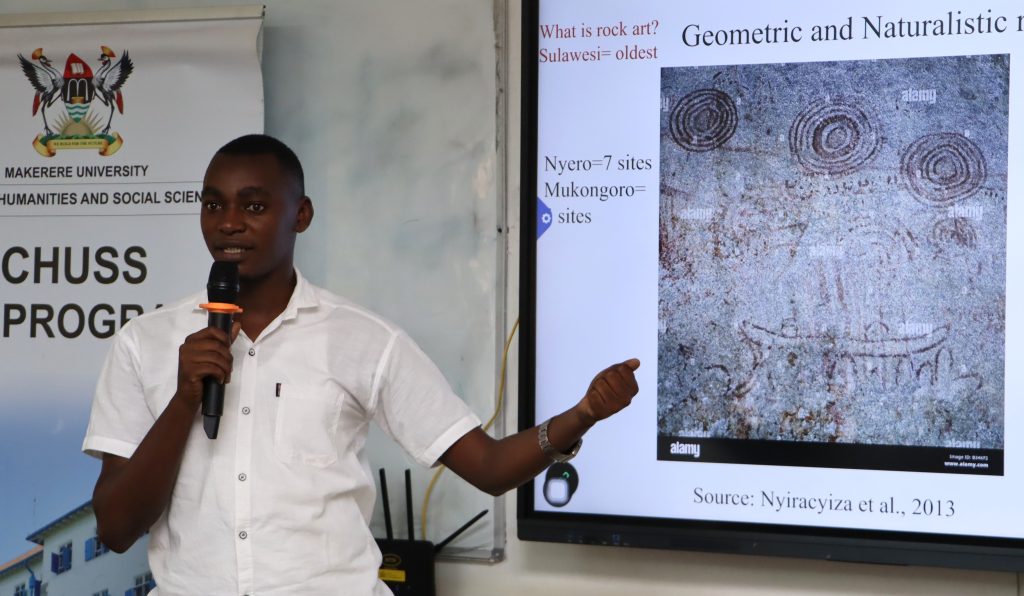
The 2025 cohort of Gerda Henkel-funded PhD fellows at Makerere University has presented draft research proposals at a work-in-progress workshop, as academic leaders intensified guidance to ensure timely completion and high-quality scholarship.
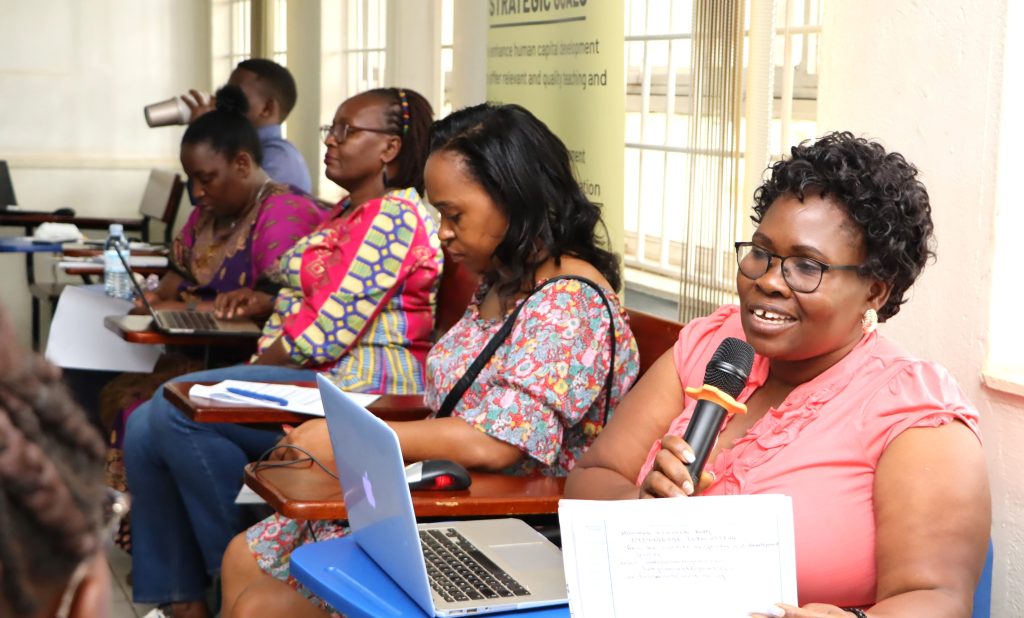
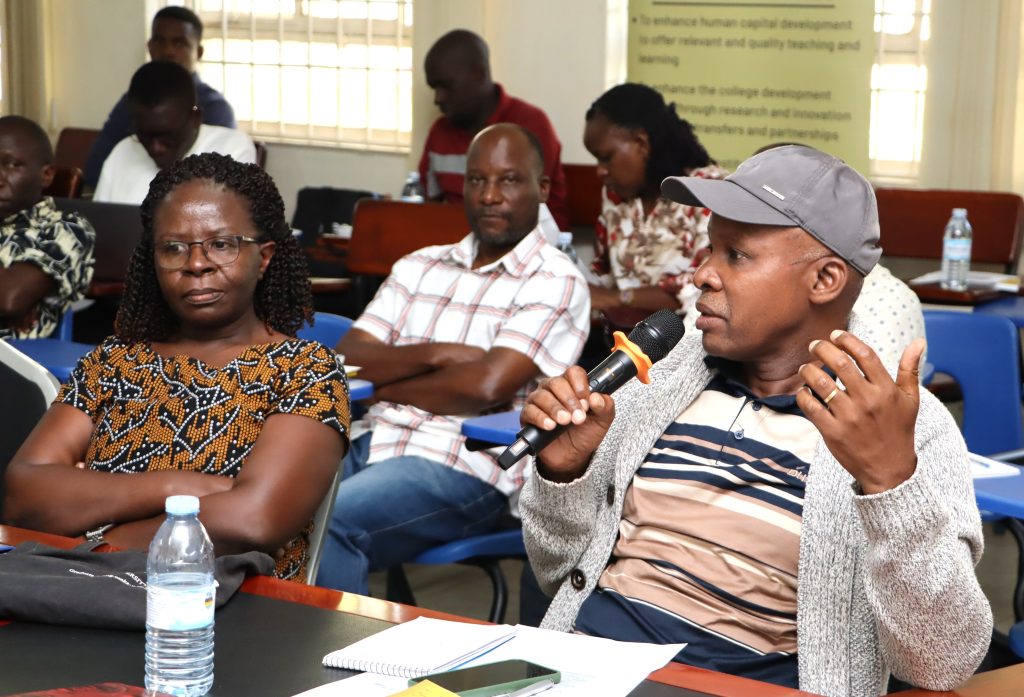
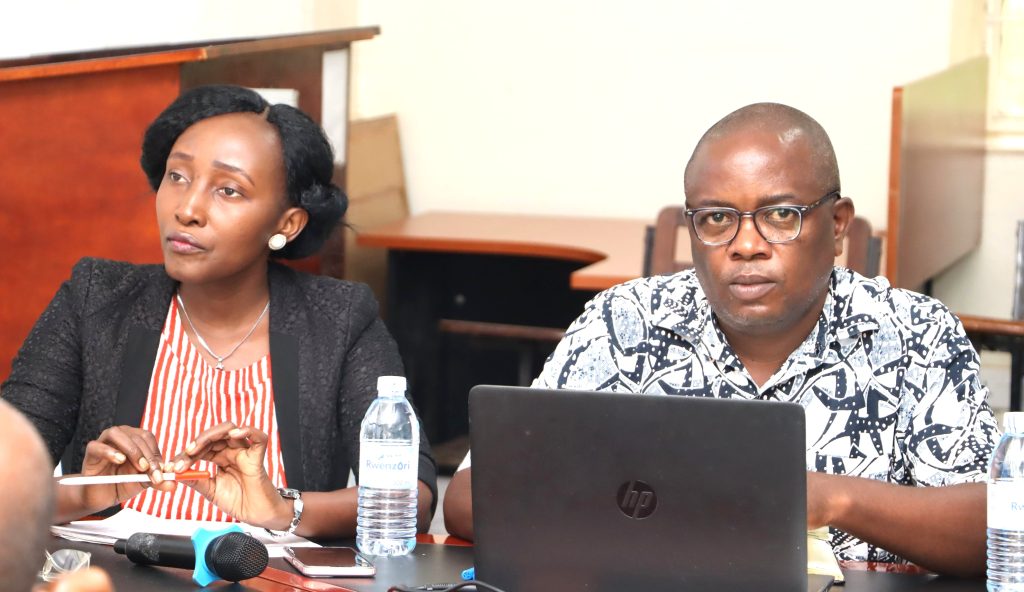
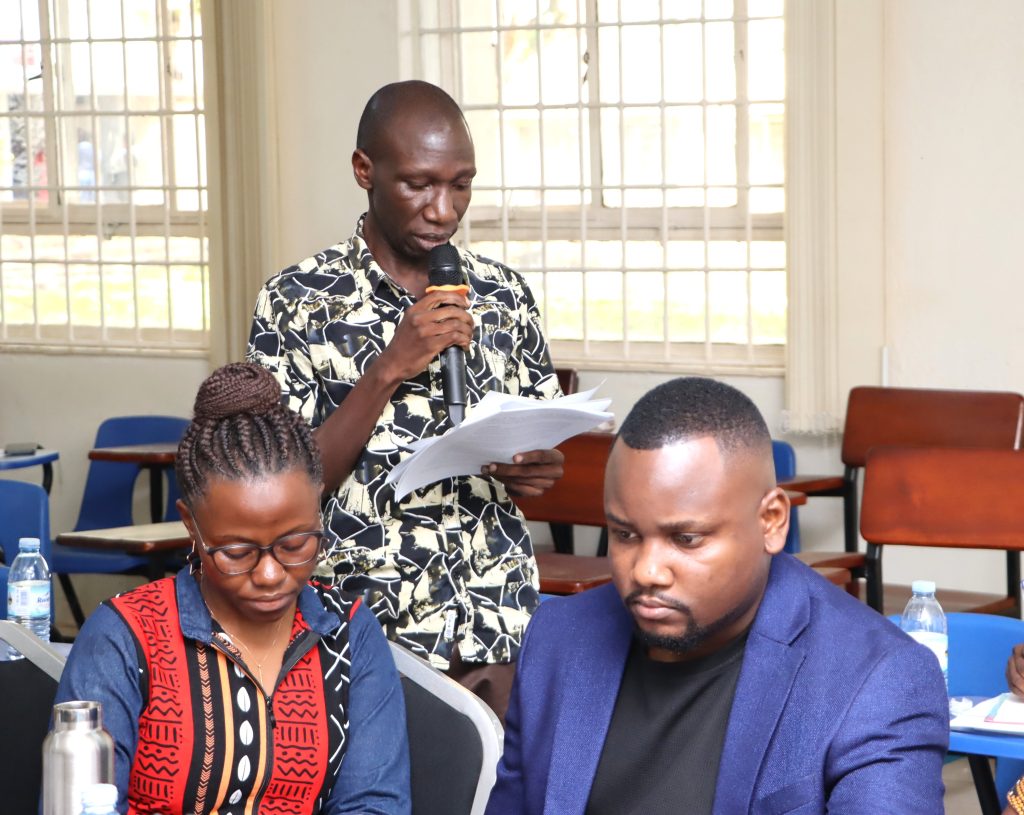
The workshop, held on Saturday, March 28, 2026, in the College of Humanities and Social Sciences (CHUSS) Smart Room, brought together Project coordinators and Almni, reviewers ,graduate coordinators, supervisors, heads of departments, principals and deans to critically review and refine the fellows’ research concepts.
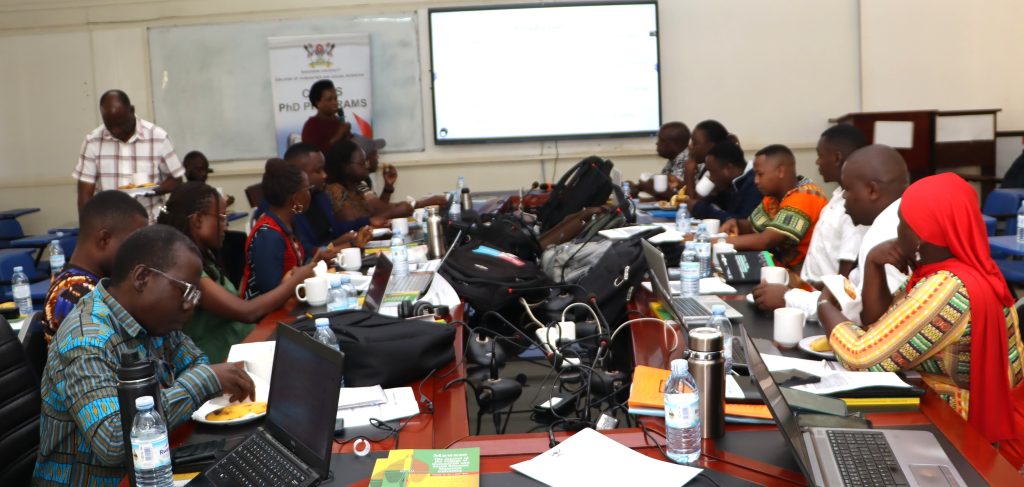
The session marked a key milestone for the cohort, which was admitted in September 2025, and is expected to finalize proposals within the stipulated timeframe before proceeding to fieldwork.
Scholars urged to fast-track proposal development and prepare for fieldwork
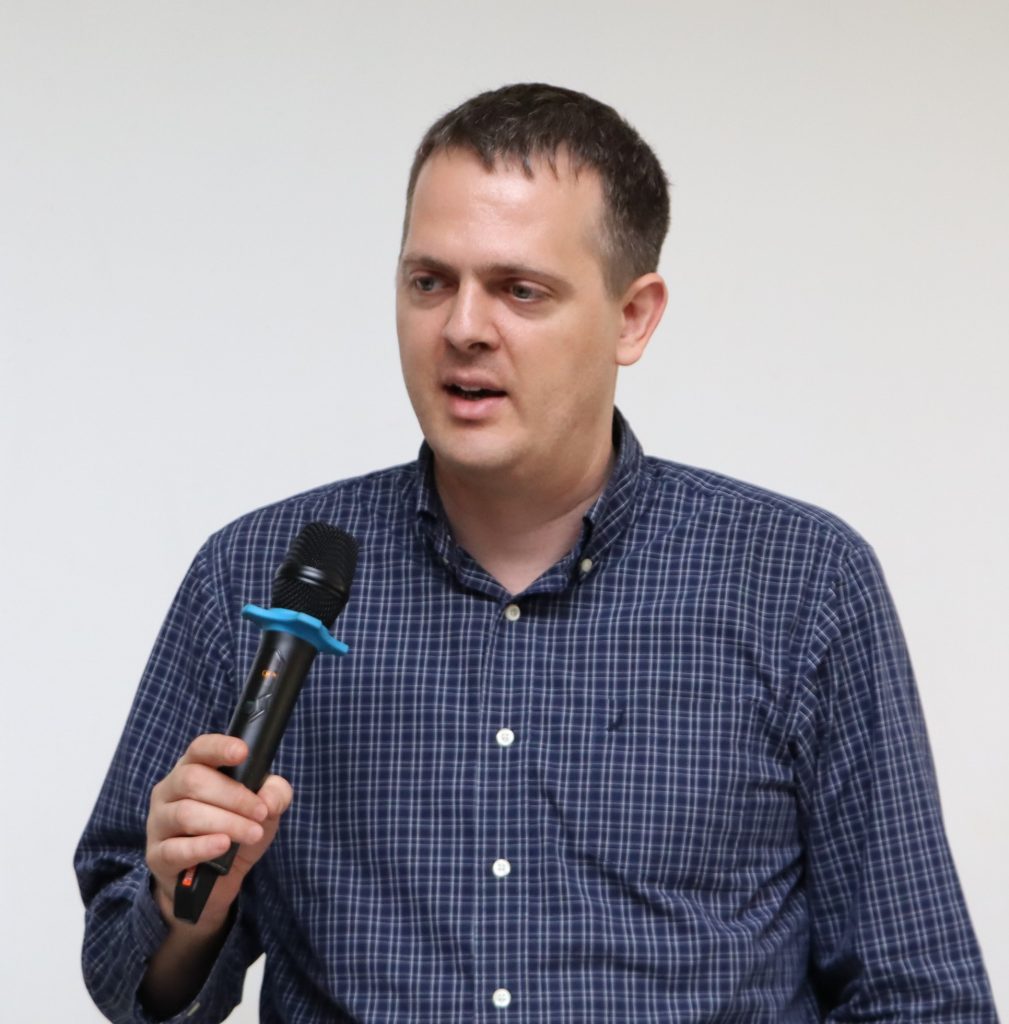
In his opening remarks, Project Administrator, Dr. Levis Mugumya commended the fellows for progress made over the past six months, while reminding them of the urgency required to complete their proposals.
“You remember you came here around September, and we have given you six months—and now we are in March, so the six months are pretty much spent,” Dr. Mugumya said. “That’s the period within which you have to develop your proposal.”
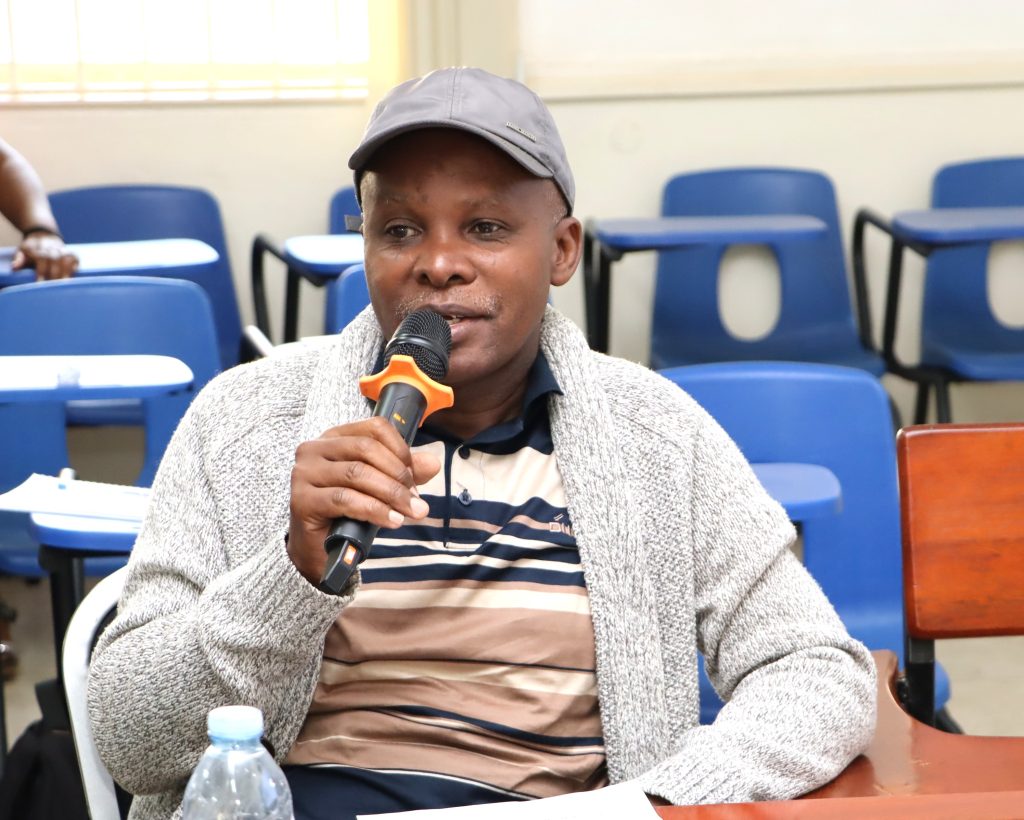
He expressed optimism that most fellows would defend their proposals within the next one to two months at departmental and school levels, paving the way for fieldwork.
“At the moment, we know the university gives about one year. So we hope maybe in the next one or two months, you will have defended… and then you prepare to go for your fieldwork,” he added.
Dr. Mugumya also lauded supervisors for their commitment to mentoring the fellows through the demanding research process.
“We would also like to appreciate the supervisors who stand by your side to guide you and be able to work your topics and go through this journey,” he said. “Thank you very much, the supervisors, for this work that you are doing.”
Reviewers and supervisors hailed for shaping next generation of researchers
Associate Professor Edgar Nabutanyi’s closing remarks at the workshop offered a reflective, candid, and deeply instructive perspective on doctoral training, academic culture, and the lived realities of scholarly work. His address went beyond routine appreciation to interrogate the intellectual, emotional, and institutional dimensions of pursuing a PhD.
At the core of his message was the concept of academic citizenship, which he described as the voluntary and often unrecognized responsibility that scholars undertake to nurture others within the academic community. He emphasized that reviewers and senior academics are not compelled by formal obligation to critique and guide emerging scholars, yet they dedicate time and intellectual effort to read lengthy draft proposals, interpret developing ideas, and provide constructive feedback.
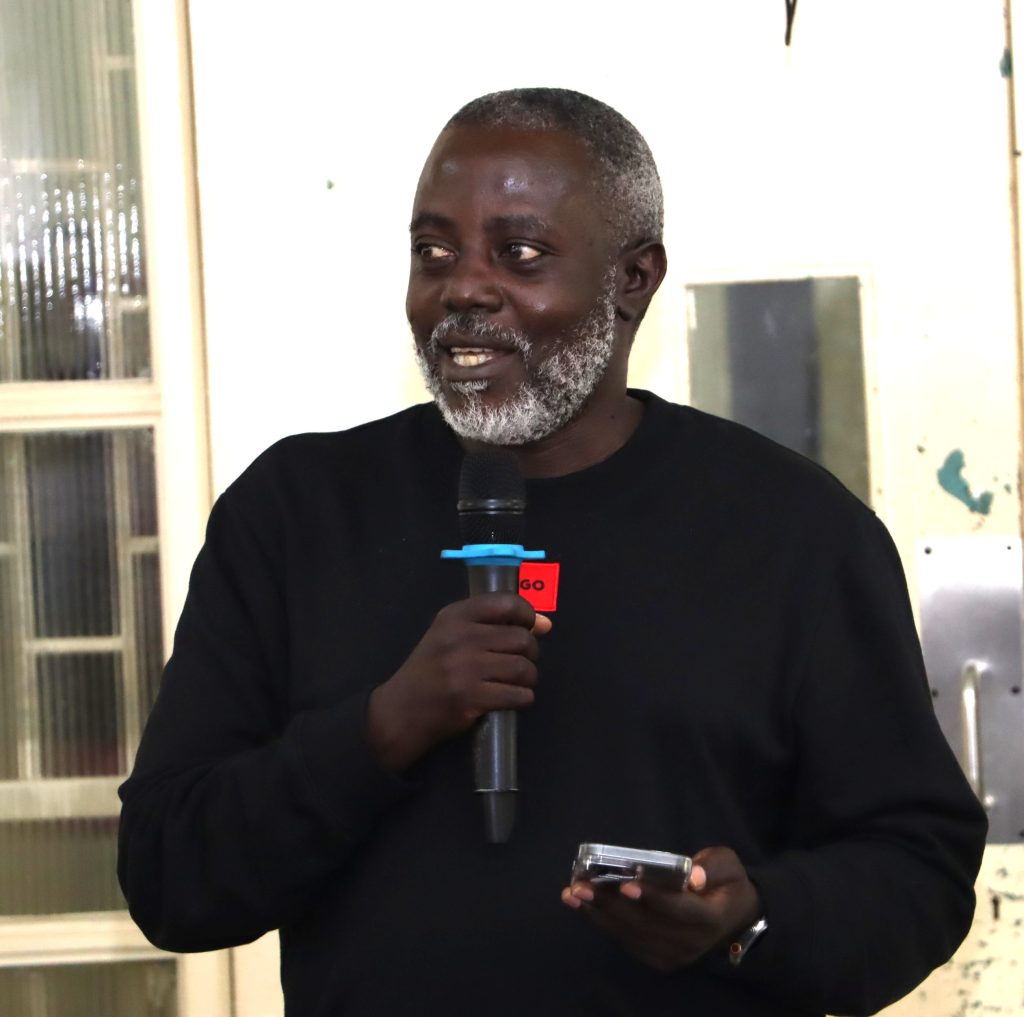
“This is not something you are asked to do,” he noted, “but taking the initiative and responsibility of doing something to a younger scholar to help them.” In highlighting this, Prof. Nabutanyi underscored a culture of mentorship and collegiality that sustains academic excellence, while acknowledging the emotional and intellectual labor involved in engaging with unfinished or evolving scholarly work.
He further recognized that the process of reviewing is not always straightforward or pleasant, noting that some submissions may be unclear or underdeveloped, yet reviewers are expected to respond with professionalism and humility. This, he suggested, reflects the ethical standards of academia—balancing critique with encouragement.
Turning to the PhD fellows, Prof. Nabutanyi emphasized that doctoral research is inherently iterative, characterized by continuous revision rather than finality. He cautioned against the misconception that a proposal can ever be “perfect,” stressing instead that scholarship evolves through cycles of rewriting, rethinking, and refining ideas.
“It is work in progress. You will never say now this proposal is done—it is always rewriting and revision,” he stated, reinforcing the idea that intellectual growth is ongoing.
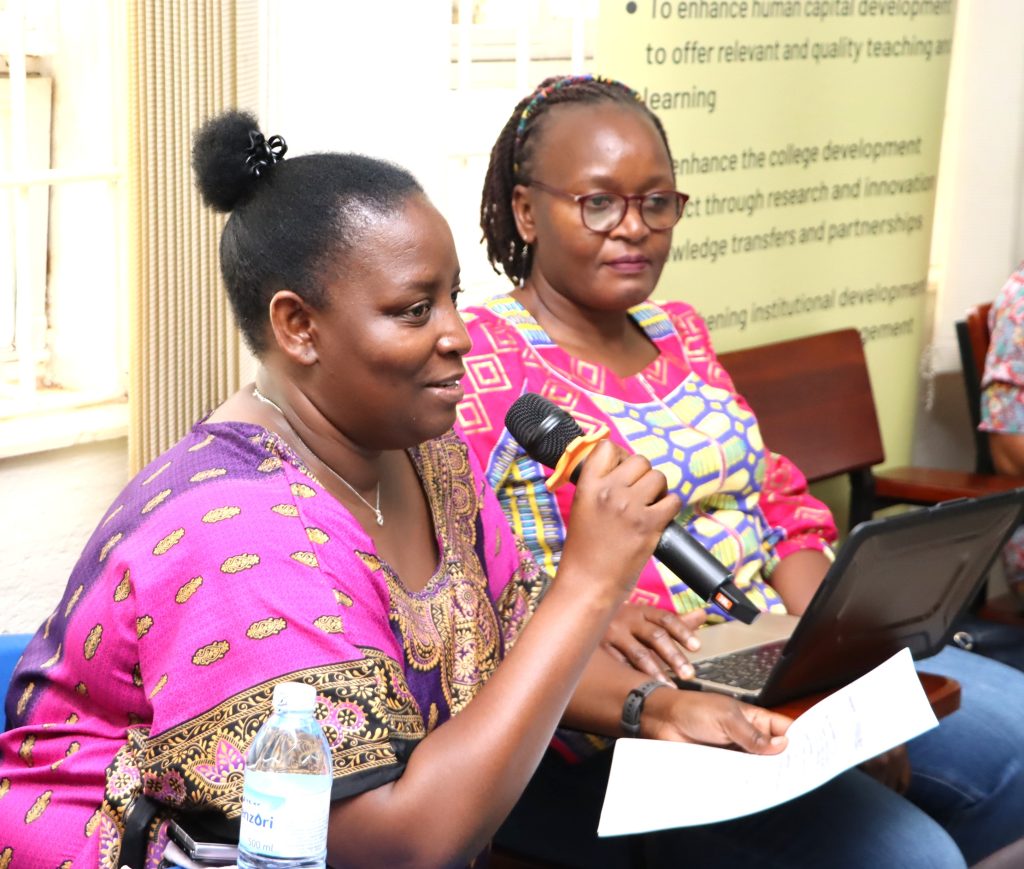
He also drew attention to the discipline and commitment required in doctoral studies, describing research as an all-consuming process that demands consistent engagement. Using a vivid analogy, he likened dedicated scholars to individuals who experience “withdrawal symptoms” when separated from their work, illustrating the level of immersion often required to produce meaningful research.
However, in a notable shift from this intensity, Prof. Nabutanyi introduced a critical caution about mental health and overexertion. Acknowledging documented cases of psychological strain among graduate students, he urged fellows to deliberately take breaks and avoid burnout.
“We’ve had cases of mental challenges related to overexerting yourself,” he warned, advising a structured two-month break after proposal completion. This balance between hard work and self-care reflects a growing awareness within academia of the need to safeguard researchers’ well-being.
Another key element of his remarks focused on time management and progression. He urged the fellows to complete their proposals by June 30, 2026, emphasizing that prolonged engagement at the proposal stage can hinder overall progress.
“You are not going to be a student of proposal forever,” he said, encouraging fellows to transition to fieldwork and subsequent stages of their research. This directive highlighted the importance of momentum and timely completion within doctoral programmes.
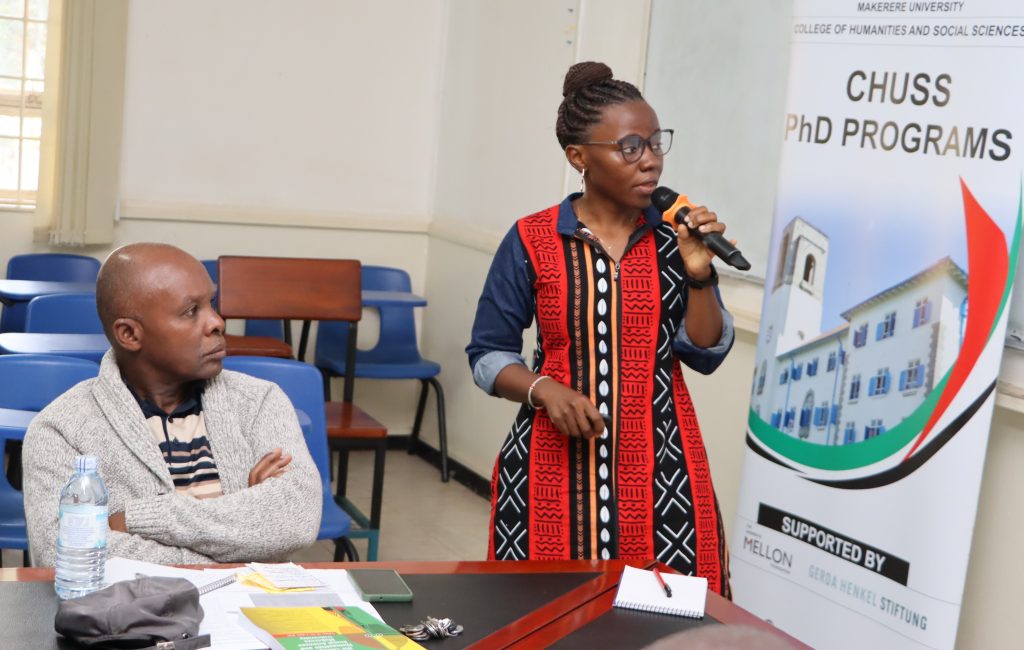
Prof. Nabutanyi also provided practical guidance on the next phases of the PhD journey, outlining upcoming pre-fieldwork and post-fieldwork workshops designed to prepare fellows for data collection and analysis. He stressed that while data collection can be open-ended, scholars must exercise discipline in defining limits and focusing on data that directly addresses their research questions.
“If it were up to you… you would still want to collect more data. But everything must have a start and an end,” he explained, underscoring the need for methodological clarity and restraint.
In addition, he reminded fellows of institutional accountability, particularly regarding the management of research funds. As beneficiaries of a government-supported university system, he stressed the importance of adhering to financial regulations and timely accountability for funds allocated for fieldwork and research activities.
Finally, his remarks carried a philosophical undertone, encouraging scholars to reflect on their academic journey and growth over time. He noted that the challenges faced during doctoral training are part of a broader trajectory that shapes scholars into future mentors and leaders.
“Maybe ten years from now when you are a professor… you will appreciate that you came from somewhere,” he observed, reinforcing the idea that today’s struggles contribute to tomorrow’s expertise.
In sum, Prof. Nabutanyi’s remarks blended appreciation, critique, mentorship, and practical guidance. He challenged fellows to embrace rigor, remain disciplined, care for their mental health, and actively engage in the scholarly community—while reminding them that the PhD journey is as much about personal transformation as it is about academic achievement.
The workshop is part of a structured mentorship framework under the Gerda Henkel-funded PhD programme, which includes pre-fieldwork and post-fieldwork engagements scheduled for June 2026 to further support the fellows’ research journeys.
Makerere University’s CHUSS officially welcomed the 2025 cohort in September 2025. The diverse group comprises scholars from Uganda, Nigeria, Zambia, Tanzania, and, for the first time, Lesotho.
Funded by the Gerda Henkel Foundation of Düsseldorf, Germany, the programme supports doctoral training in the humanities and social sciences, covering tuition, stipends, research costs, and fieldwork. The fellowship prioritizes disciplines such as history, anthropology, sociology, literature, political theory, gender studies, and related fields that interrogate societal change within historical contexts.