Scholars, government officials and practitioners call for stronger professional identity, regional networks and greater recognition of sociology and anthropology in policy and public service.
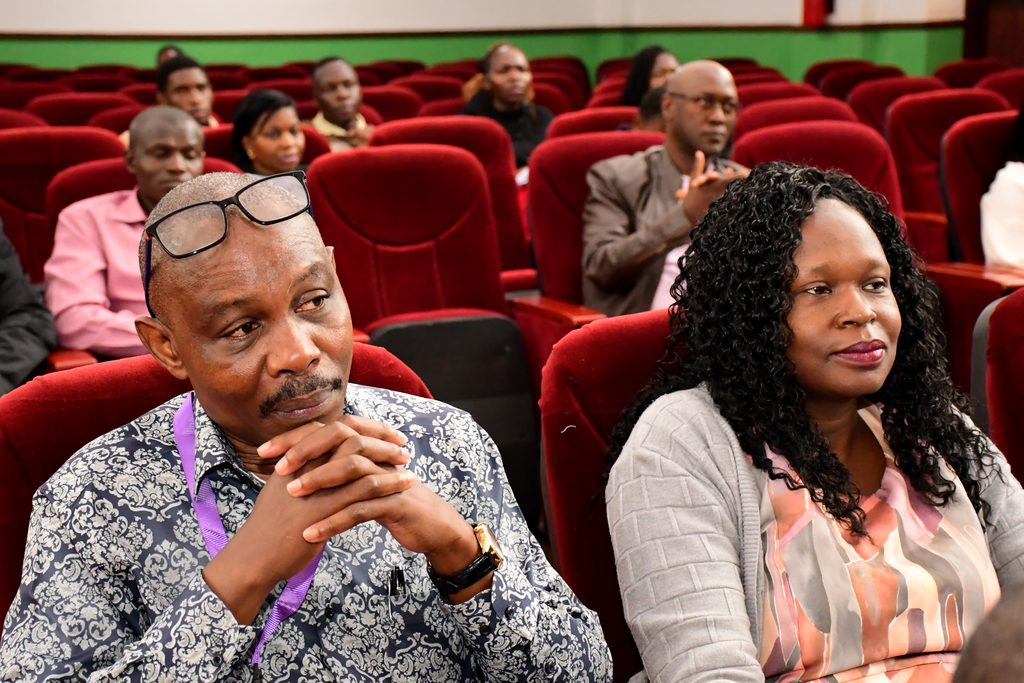
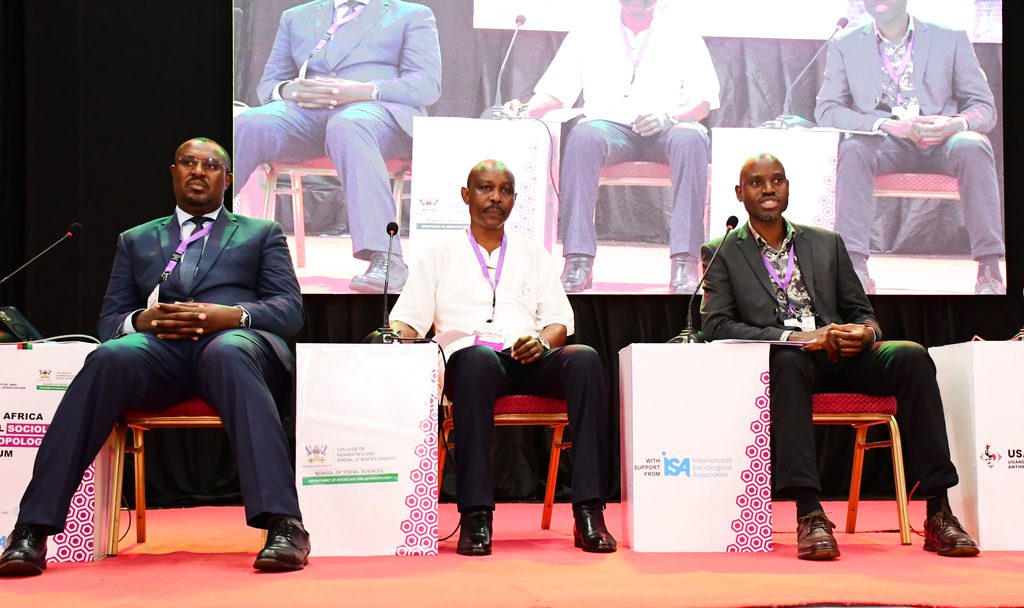
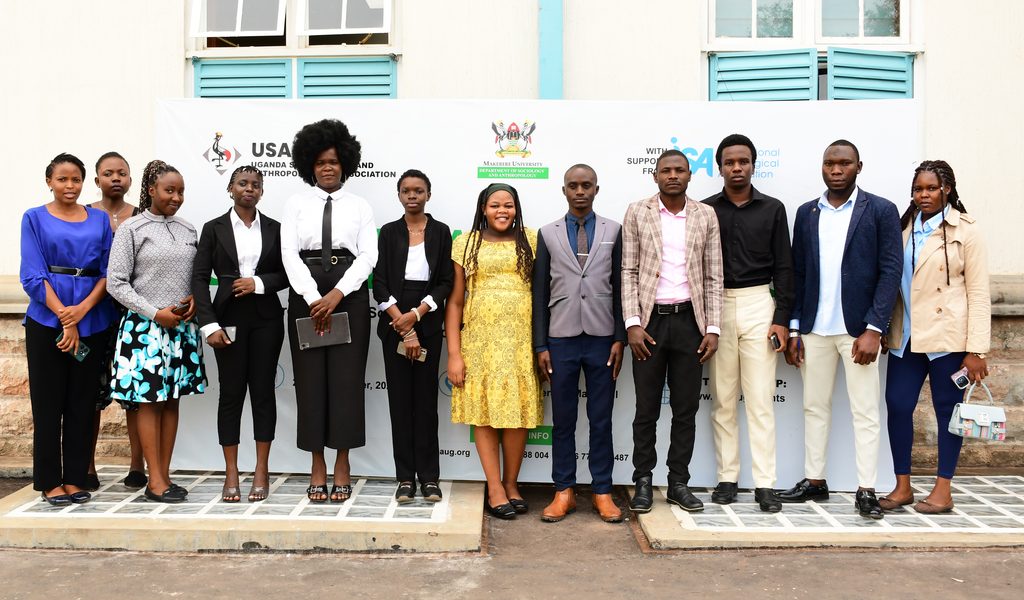
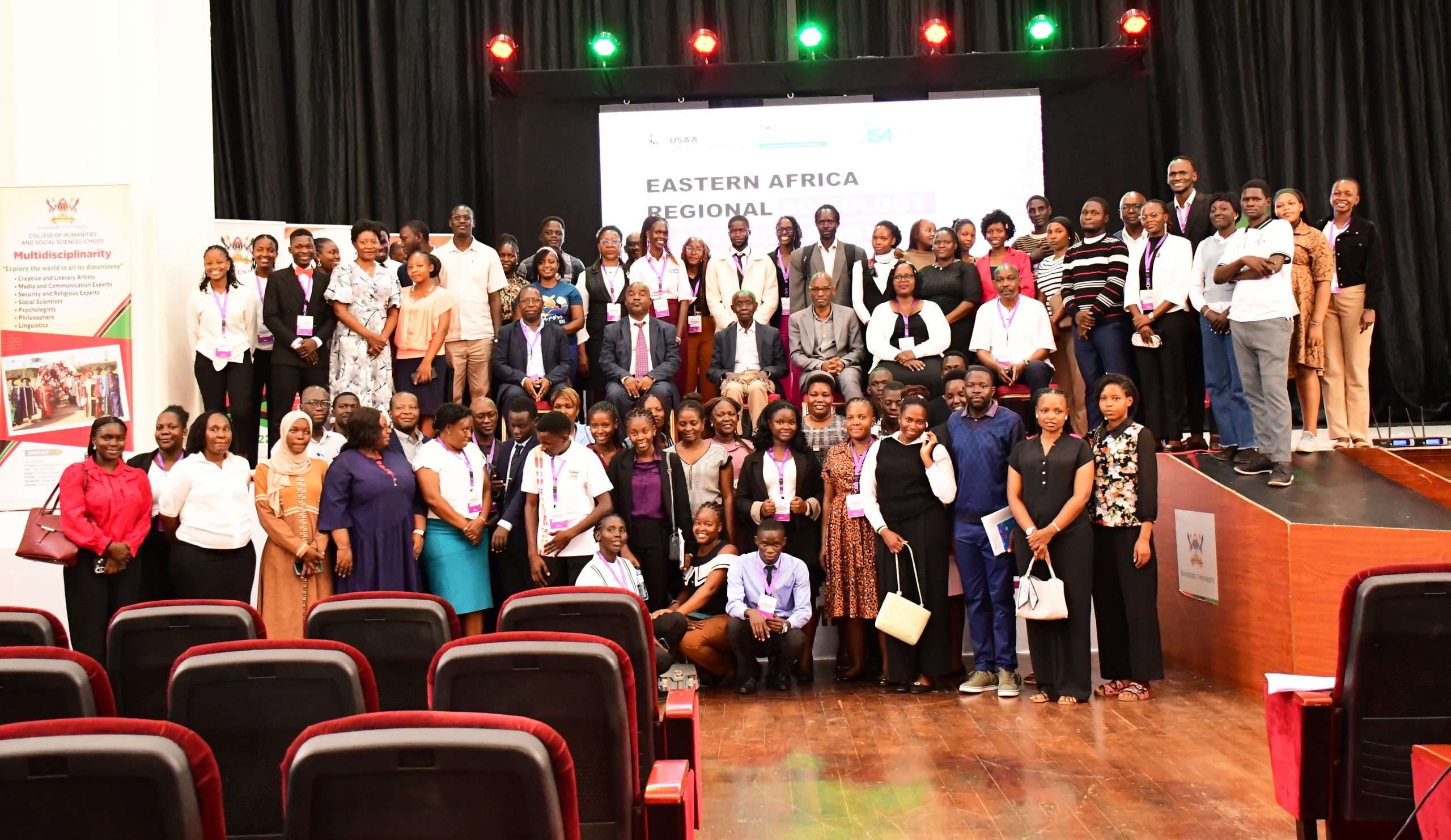
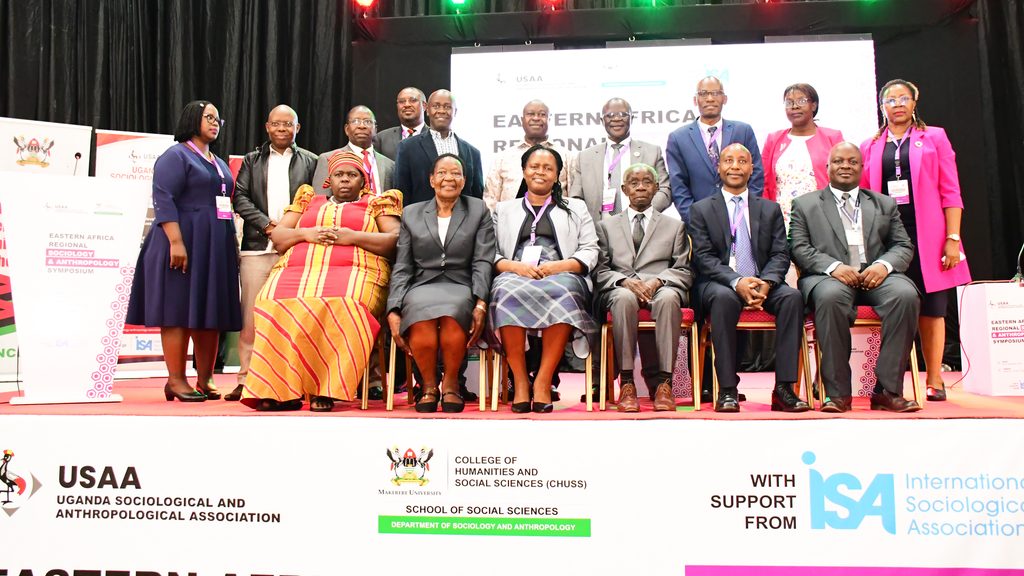
Makerere University has hosted the inaugural Eastern Africa Regional Sociology and Anthropology Symposium, bringing together academics, government officials, researchers and practitioners to explore ways of strengthening the professional identity, networks and social relevance of the two disciplines.
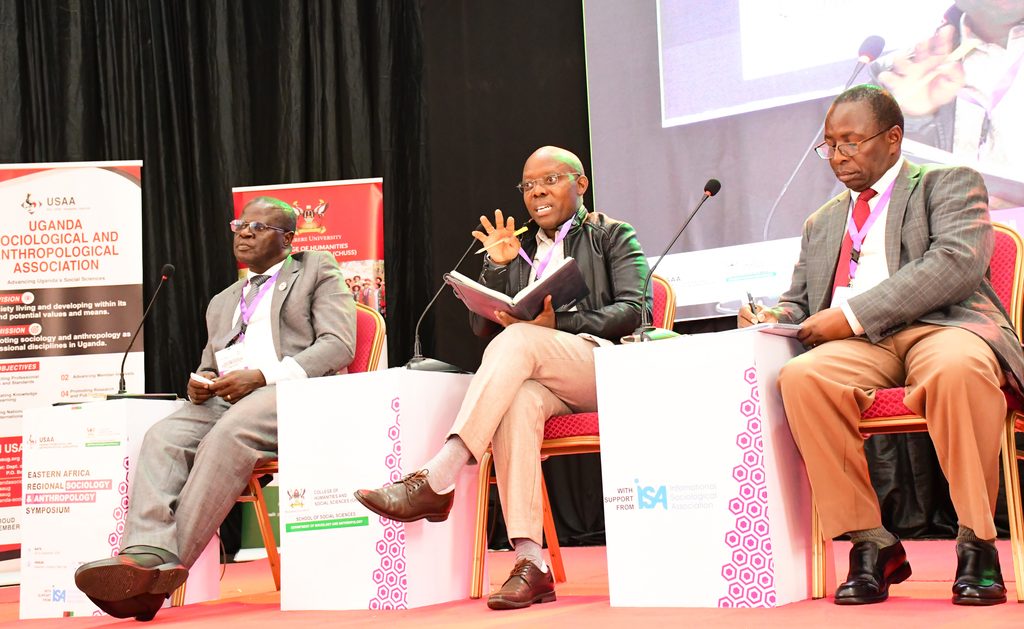
The two-day symposium, held on September 29–30, 2026, at Makerere University’s Main Hall, was organised by the Department of Sociology and Anthropology in collaboration with the Uganda Sociological and Anthropological Association (USAA) under the theme “Strengthening Sociology and Anthropology in Eastern Africa: Professional Identity, Networks and Social Relevance.”
The symposium provided a regional platform to discuss the contribution of sociology and anthropology to public policy, community development, social research and institutional transformation, while addressing challenges affecting the recognition and professionalisation of graduates in the labour market.
Discussions focused on the need to bridge the gap between academia and industry, establish professional standards, strengthen collaboration between universities and governments, and create clearer career pathways for sociologists and anthropologists.
Wafula calls for professionalisation of sociology in public service
Delivering the keynote address, George Wafula from the Ministry of Public Service called for the professionalisation of sociology in Uganda’s public service, urging universities, researchers and government institutions to work together to strengthen the discipline’s visibility, recognition and contribution to national development.
Wafula, a Makerere University sociology graduate who enrolled for his first degree between 1997 and 2000, said his academic background had significantly shaped his career in human resource management, particularly in understanding human behaviour and managing people from diverse backgrounds.
“The sociology I did has influenced my career and life as well,” he said, emphasising that one of the key lessons from the discipline was the importance of avoiding generalisations about people.
“As a practitioner and human resource officer, you can never generalise people,” Wafula said, adding that sociology had equipped him with skills to understand diversity and manage people in different institutional settings.
He observed that although sociology informs several disciplines, its professional identity remains insufficiently recognised, limiting the ability of graduates to access jobs specifically aligned with their training.
Wafula said the Ministry of Public Service had developed guidelines, a framework, a professionalisation strategy and an implementation roadmap to support the professionalisation of various cadres in government.
He encouraged sociologists to establish a legally recognised professional body with clear standards, ethical guidelines and continuous professional development opportunities to strengthen the discipline’s standing.
“We want a sociologist. We don’t want somebody who did social work, somebody who did political education, somebody who did community development. We want a sociologist,” he said, calling for clearer recruitment criteria that recognise specialised sociological competencies.
He identified social research, needs assessment, social impact assessment, monitoring and evaluation, policy analysis, resettlement planning and community engagement as some of the areas in which sociologists could contribute to public service.
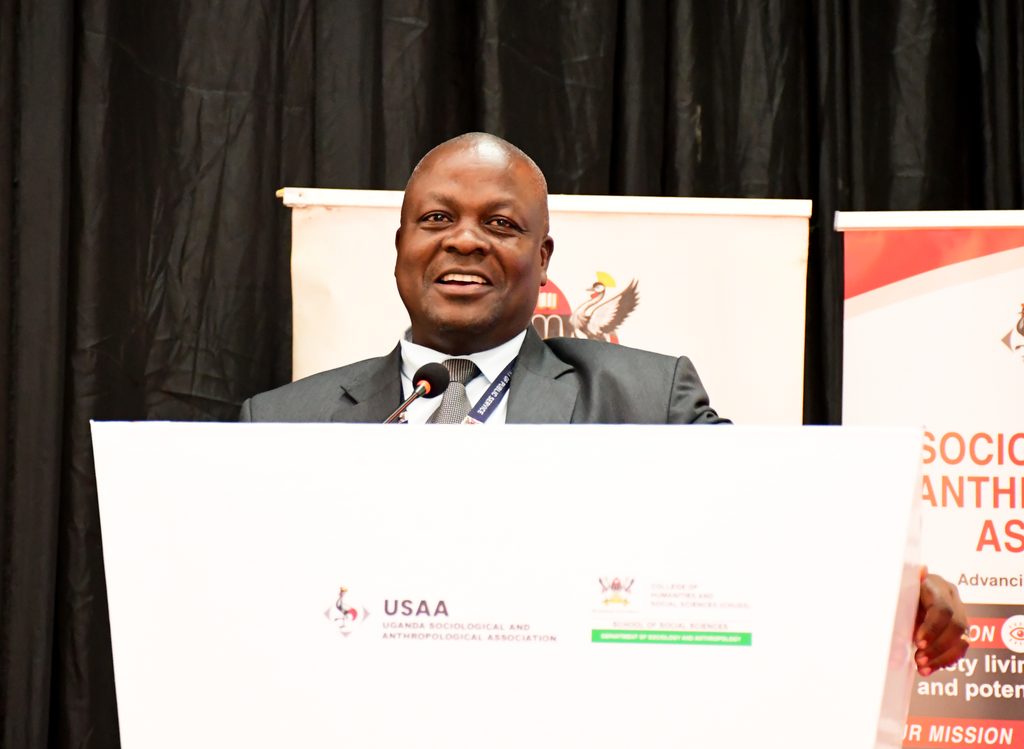
Wafula also called for stronger collaboration between universities and government institutions to ensure that research informs policy and implementation.
“We are aware that you have a lot of research done. But most of the research is on bookshelves and libraries. This time around we are saying no. Let’s have this research to the boardrooms and to the implementing government agencies,” he said.
He further pledged to engage the Ministry of Public Service to explore opportunities for establishing a technical home for sociologists in Uganda, enabling them to contribute more effectively across government institutions and society.
Mugere calls for stronger professional networks and employment opportunities
The Head of the Department of Sociology and Anthropology, Dr Mugere, underscored the relevance of sociology and anthropology in addressing contemporary social challenges, calling for stronger partnerships between the academic community, government and the private sector.
He noted that sociologists, anthropologists and criminologists possess specialised knowledge of human behaviour that is essential in addressing social problems, managing diversity and promoting inclusive development.
“Our disciplines are relevant because the employment market and communities require us. Why? Because we are the people who best understand human behaviour,” Mugere said.
He explained that graduates from the disciplines were already contributing to different sectors, including government, the private sector, civil society, research institutions and community development initiatives.
Mugere called on the Ministry of Gender, Labour and Social Development to strengthen its collaboration with the department by providing internship opportunities and supporting the employment of graduates.
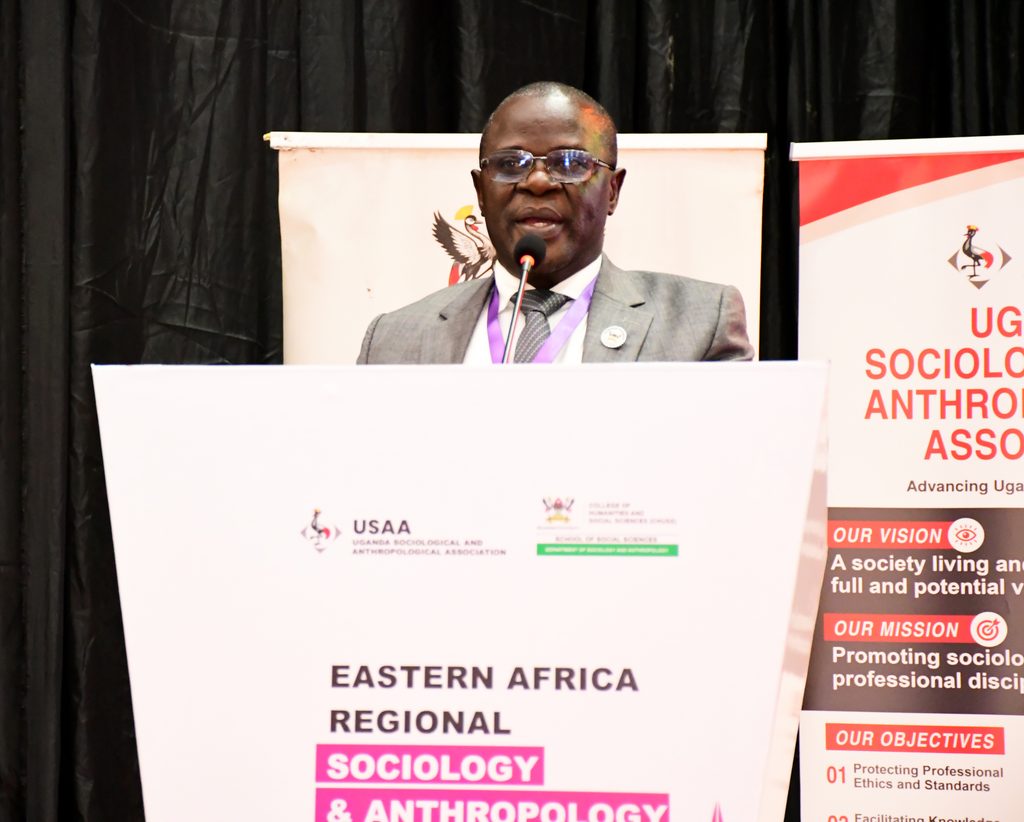
“We feel that your ministry can really continue to work with us in not only providing internship opportunities for our students, but also employment to our students when they finish school,” he said.
He also challenged the Uganda Sociological and Anthropological Association to expand its membership, strengthen its institutional capacity and build regional and international partnerships.
Mugere commended the association for organising the inaugural symposium despite the logistical and financial challenges involved, describing the meeting as an important milestone in advancing the disciplines.
“Please, let’s become one of the largest and most influential associations of professionals in this country, in the region and probably the world,” he said.
He reaffirmed Makerere University’s commitment to supporting the association and encouraged members to build on the symposium’s achievements to strengthen the visibility and recognition of sociology and anthropology.
Kayanga-Yanga urges stronger integration of sociology into scientific innovation
Commissioner Dave Kayanga-Yanga from the Ministry of Lands, Housing and Urban Development called for sociology and anthropology to take a central role in addressing emerging social challenges and shaping scientific innovations.
Drawing on his background in social work, Kayanga-Yanga said sociology, psychology and economics had provided foundational knowledge that continued to inform his professional practice.
He observed that sociology offered essential tools for understanding community-level challenges, complementing approaches that focus on individuals.
“If you are going to look at those which are community, those which are social, then you need sociological tools,” he said, highlighting the continued relevance of the discipline in understanding and addressing social problems.
Kayanga-Yanga noted that poverty, conflict, crime, unemployment, domestic violence and flooding required multidisciplinary approaches informed by an understanding of human behaviour and social systems.
He also emphasised the importance of integrating sociology and anthropology into technological development, particularly as artificial intelligence and other emerging technologies reshape society.
“To drive these innovations, the disciplines of sociology and anthropology must be at the forefront, must be at the centre of these scientific innovations,” he said.
He cautioned that technological advancements must be guided by human-centred perspectives to ensure that innovation responds to societal needs and upholds human values.
“Otherwise, we are going to have a robot without a human heart,” he said, stressing the need for social sciences to contribute to the ethical and responsible development of technology.
Kayanga-Yanga further called for a stronger professional identity for sociologists and anthropologists, noting that the disciplines had existed in Uganda for decades but remained institutionally less prominent than some related fields.
He encouraged the university and the professional association to work towards expanding the department’s institutional capacity, strengthening academic programmes and improving the recognition of graduates.
He reaffirmed the School of Social Sciences’ and Makerere University’s commitment to supporting the department’s growth and the development of the disciplines.
Twesige calls for regional collaboration and stronger professional association
The President of the Uganda Sociological and Anthropological Association, Titus James Twesige, described the inaugural symposium as a significant milestone in building a stronger professional community for sociologists and anthropologists in Eastern Africa.
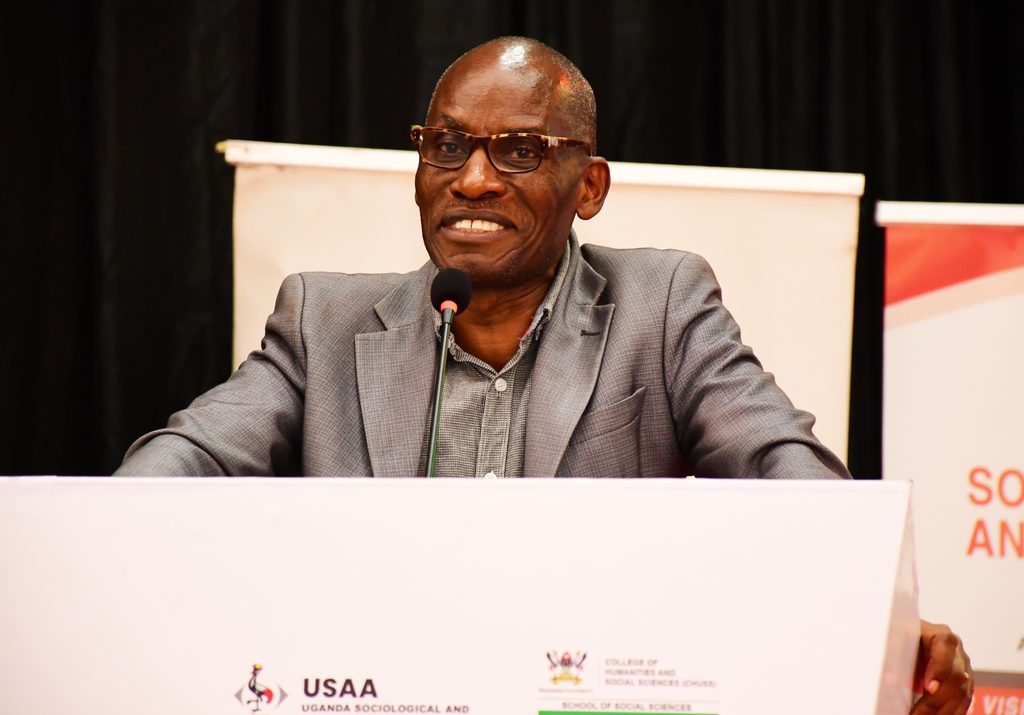
Twesige commended Makerere University, the Department of Sociology and Anthropology, the organising committee, facilitators, presenters and other stakeholders for supporting the event.
“When we were beginning to think about this idea, we didn’t imagine it would be happening. We didn’t imagine it was even possible,” he said, describing the symposium as a major achievement for the association.
He particularly recognised the support of the department’s leadership in mobilising stakeholders and providing the encouragement needed to convene the regional meeting.
Twesige said the symposium had provided an opportunity for participants to exchange knowledge, discuss the challenges facing the disciplines and develop recommendations for strengthening their professional standing.
He urged members to take responsibility for implementing the recommendations and sustaining the momentum generated by the meeting.
“You have given yourselves work. We will not be able to do all these things unless you help us do them,” he said, calling on participants to actively contribute to the association’s activities rather than leaving the responsibility to its executive committee.
Twesige also called for stronger regional collaboration through the establishment of networks and national associations of sociologists and anthropologists across Eastern Africa.
He cited emerging associations in Rwanda and existing professional networks in Kenya as opportunities for building a regional network that would facilitate collaboration, knowledge exchange and professional development.
“We believe you can make a chapter and we make the reality of what we are calling the regional network of associations of sociologists and anthropologists,” he said.
He encouraged participants to register with the association and maintain active communication to support future engagements, adding that digital certificates of attendance would be shared with participants.
Prof. Kibuuka urges African-led sociology and stronger disciplinary identity
Veteran sociologist and academic Prof. Kibuuka called for greater recognition of African contributions to sociology and the development of academic programmes that respond to the continent’s social realities.
Reflecting on his academic and professional journey, Kibuuka recounted his early experiences at Makerere University, where sociology and other social science disciplines were taught largely through curricula inherited from British universities.
He said the development of locally relevant curricula and research methodologies had been important in strengthening the disciplines and ensuring that they responded to African contexts.
“Slowly and slowly, we did appreciate that the African contribution is very important,” he said, recalling collaborations with scholars from universities in Nigeria and Ghana to develop programmes suited to African societies.
Kibuuka, who served in government before joining academia and later became a professor, also reflected on the challenges of establishing sociology as a recognised professional discipline.
He noted that graduates were often recruited into roles without clearly defined sociological functions, making it difficult for them to demonstrate the specialised value of their training.
He urged scholars to strengthen the visibility of sociology through research, teaching and practical engagement, while developing a distinct professional identity.
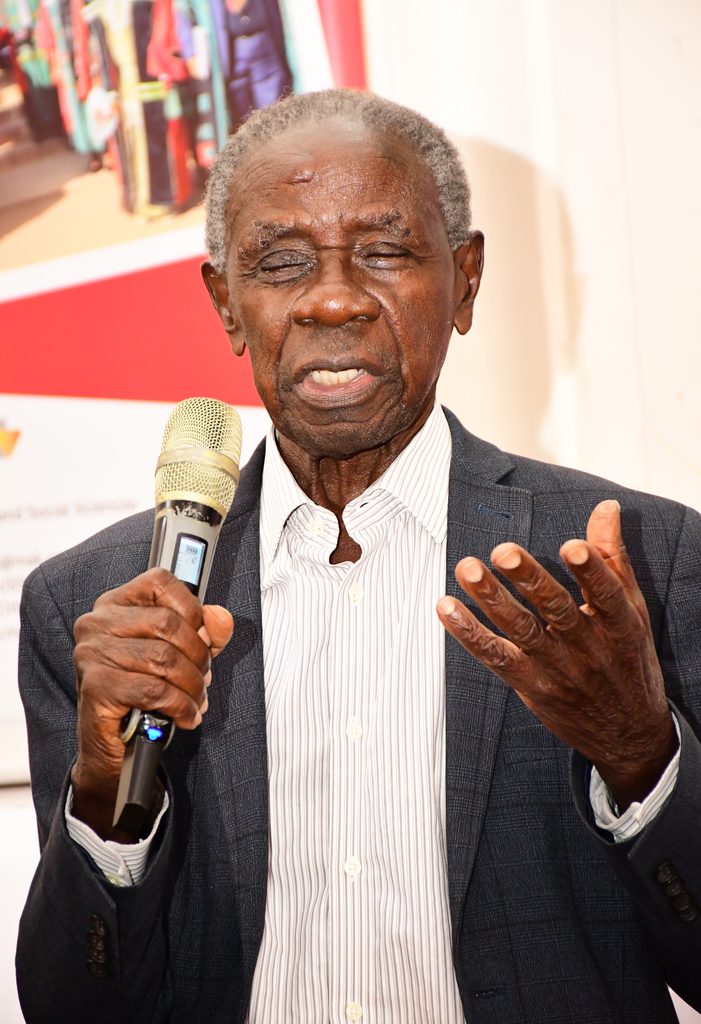
“Visibility as we call it, but much more than visibility. Professor, you call this the decolonisation or what you call it. To make the thing more of us than of others,” he said, emphasising the importance of African perspectives in the production and dissemination of sociological knowledge.
Kibuuka also questioned the emphasis on professionalisation if it was not accompanied by meaningful intellectual and disciplinary growth, arguing that the development of sociology should be grounded in scholarship and practical contributions.
He shared his experience as a lecturer and researcher, noting that engagement with postgraduate students and examining their dissertations had continued to broaden his knowledge.
The professor encouraged participants to use the symposium to reflect on how sociology could contribute more visibly to society, while building a professional identity that would be recognised by employers and other disciplines.
Symposium sets stage for sustained regional engagement
In his closing remarks, Twesige thanked the participants, facilitators, session chairs, panellists and presenters for their contributions to the symposium, urging members to translate the discussions and recommendations into practical action.
He reiterated that the association’s growth would depend on collective participation, sustained institutional support and stronger connections among sociologists and anthropologists across the region.
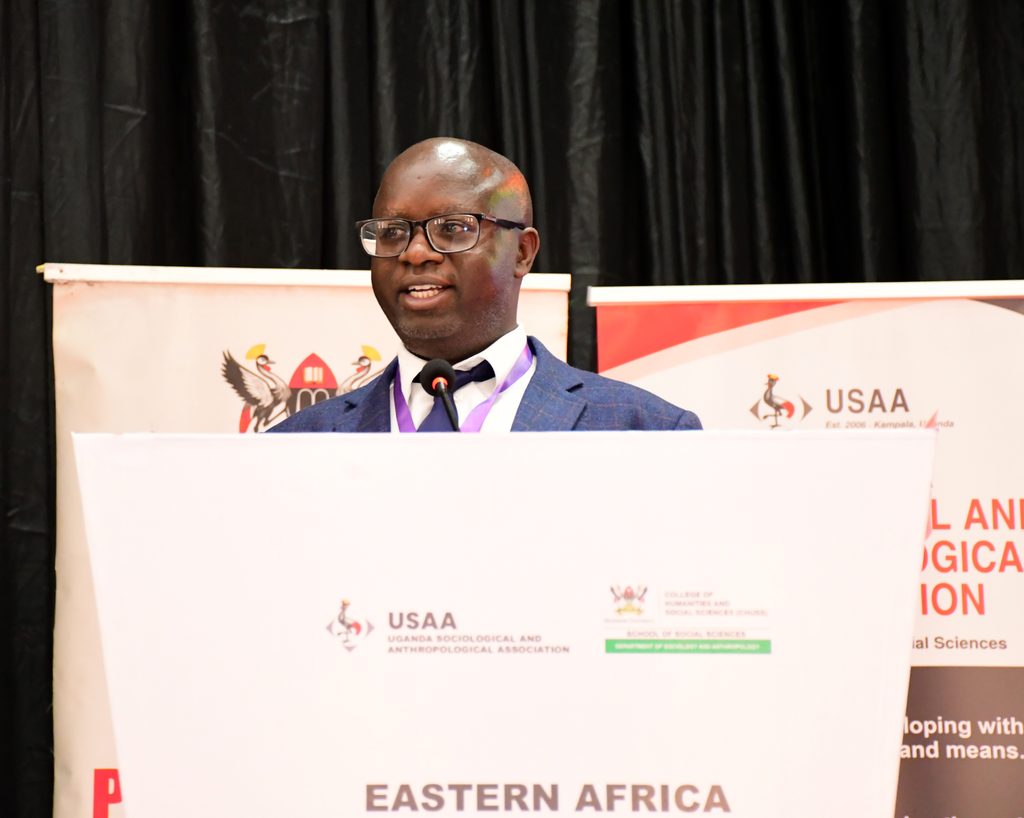
The symposium brought together participants from Makerere University and other institutions, including representatives from universities in the region, providing a platform for academic exchange and professional networking.
The meeting concluded with a call for continued collaboration among universities, professional associations, government agencies and other stakeholders to strengthen the contribution of sociology and anthropology to social development in Eastern Africa.
Compiled by Peninah Nalubega 4th year Journalism and communication student