Six international master’s students gain practical experience in humanitarian work through a field placement in Mbarara and Nakivale Refugee Settlement.
Makerere University and the Uganda Red Cross Society (URCS) are strengthening humanitarian response training through a collaborative internship programme that connects academic learning with practical experience in refugee support, community engagement and emergency response.
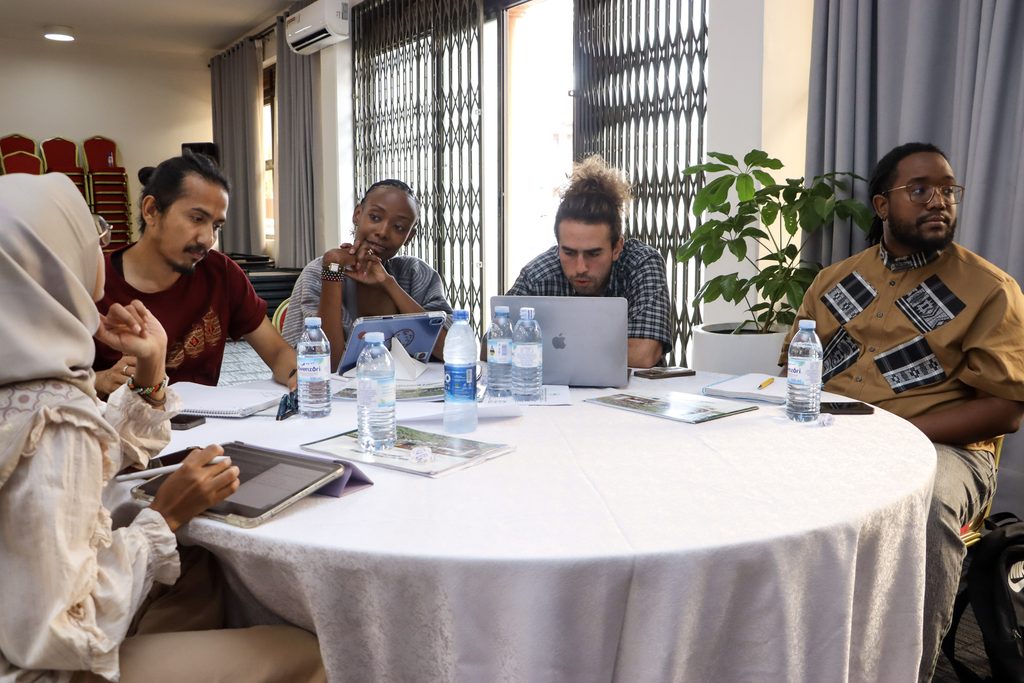
The partnership provided six students pursuing the Erasmus Mundus Joint Master’s in Coordinated Humanitarian Response, Health and Displacement, also known as Human Response, an opportunity to learn from humanitarian practitioners and observe community-based interventions during a placement with the Uganda Red Cross Society’s Mbarara Branch from 12 to 19 October 2026.
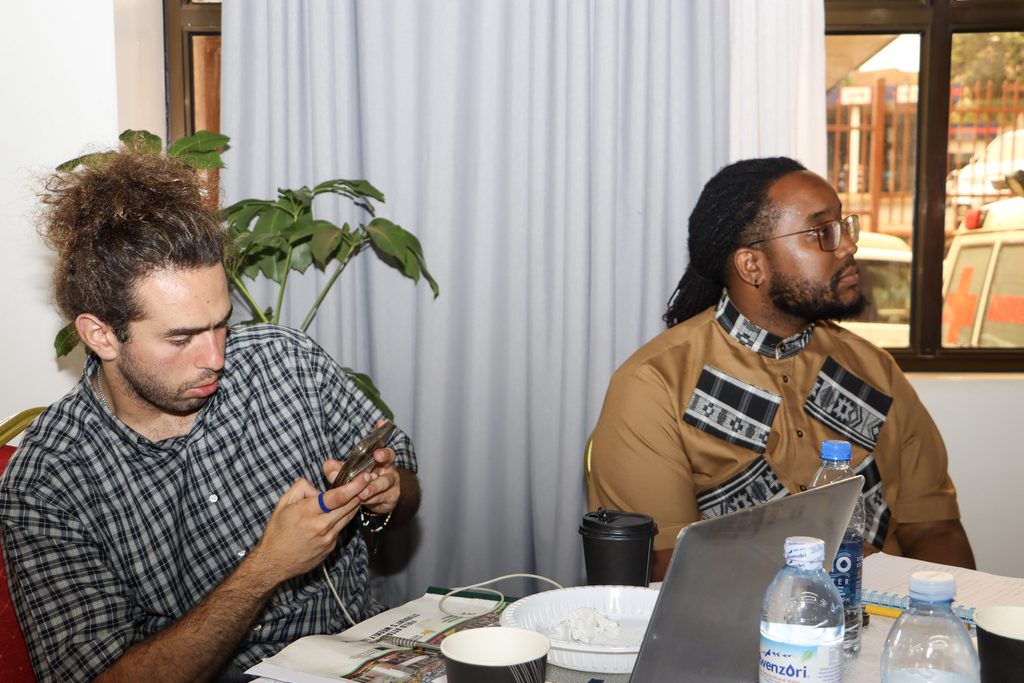
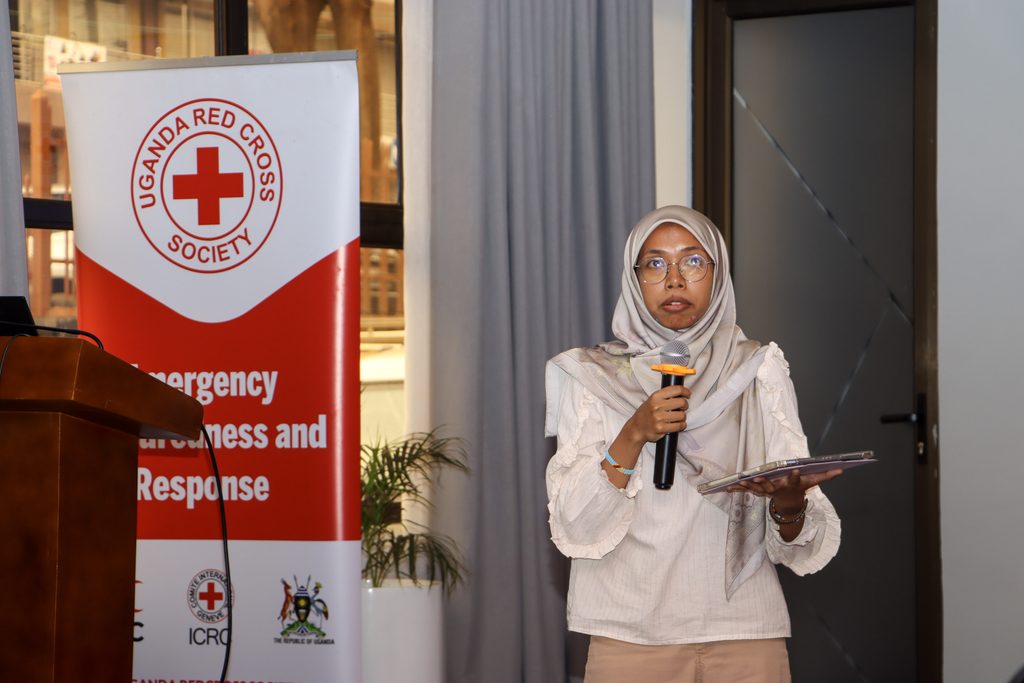
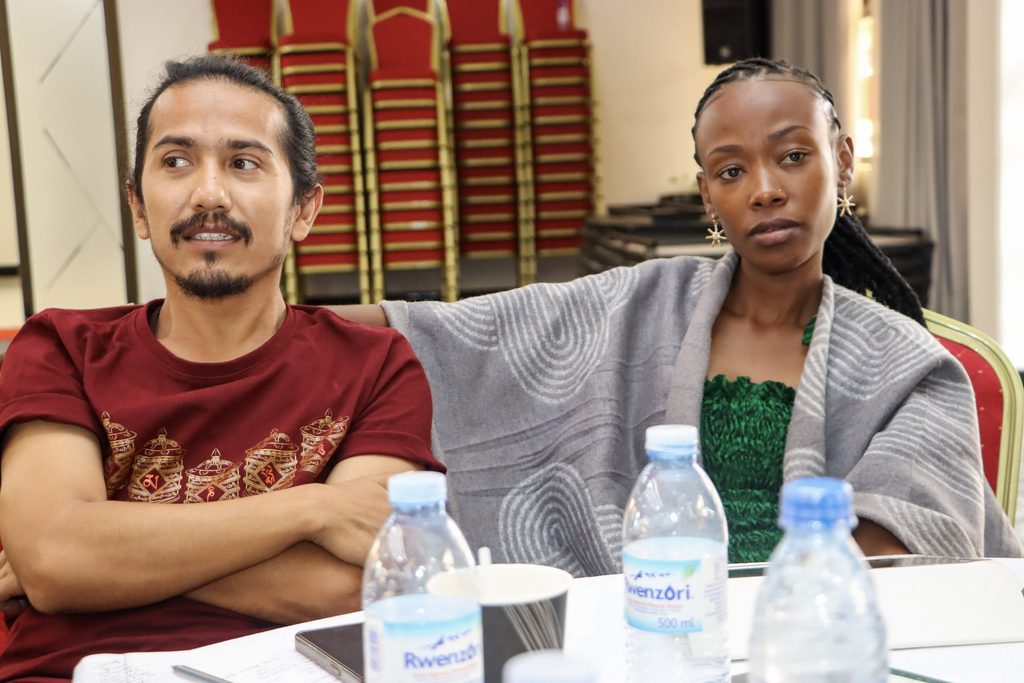
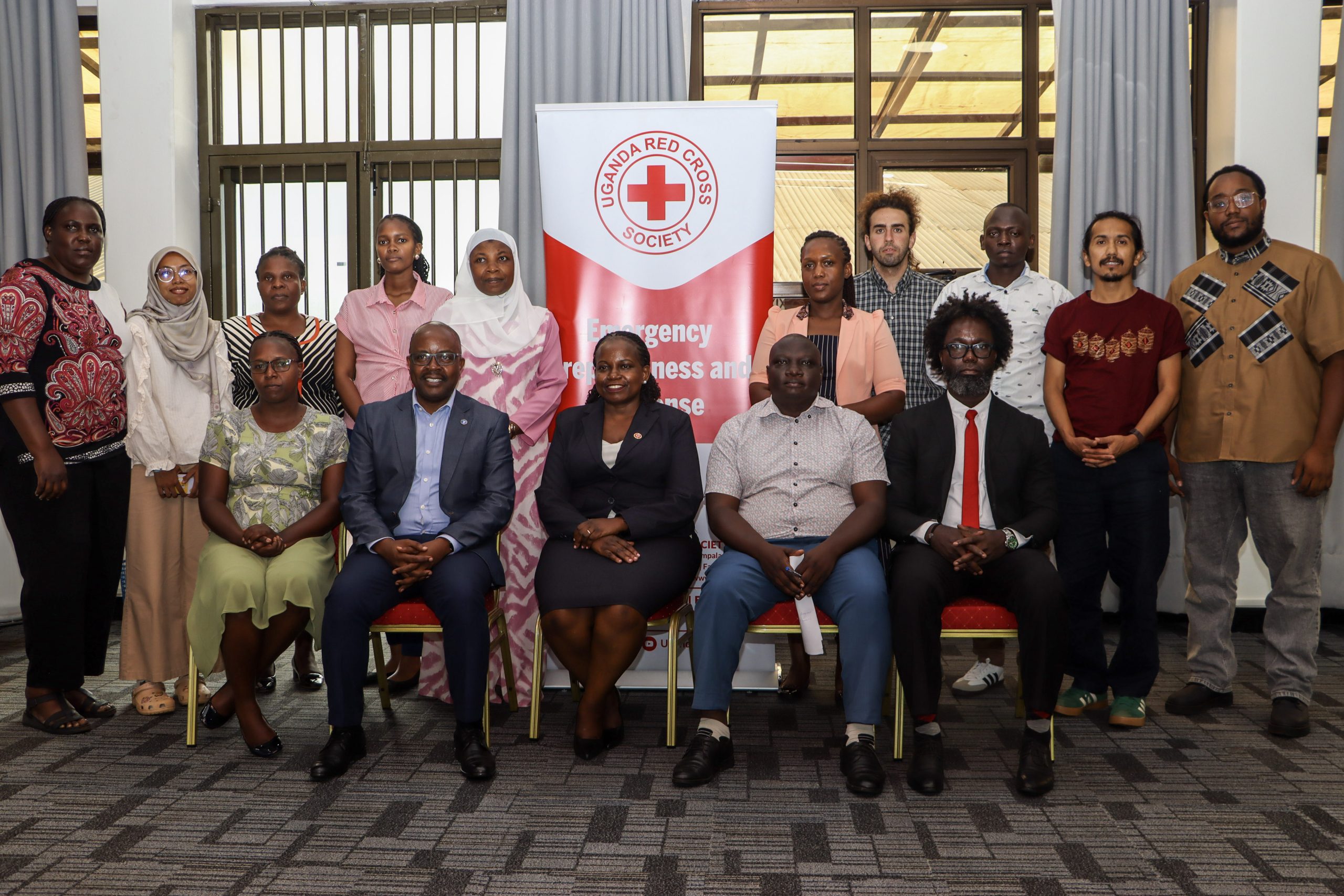
The students; Darlene Ikirima from Kenya, Jeremias Cabral from Cabo Verde, Medlin Tucker from Sierra Leone, Patrick Samaha from Canada, Zaaimah Zainon from Malaysia and Nirmal Khatri from Nepal; undertook field practice and observations at Nakivale Refugee Settlement as part of their practical learning experience.
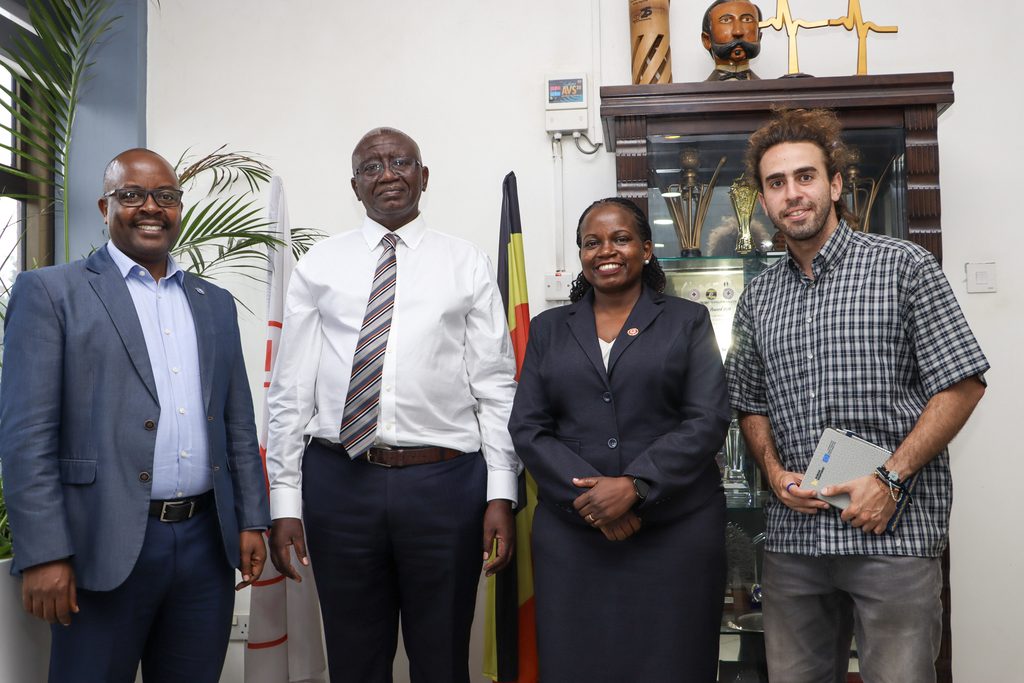
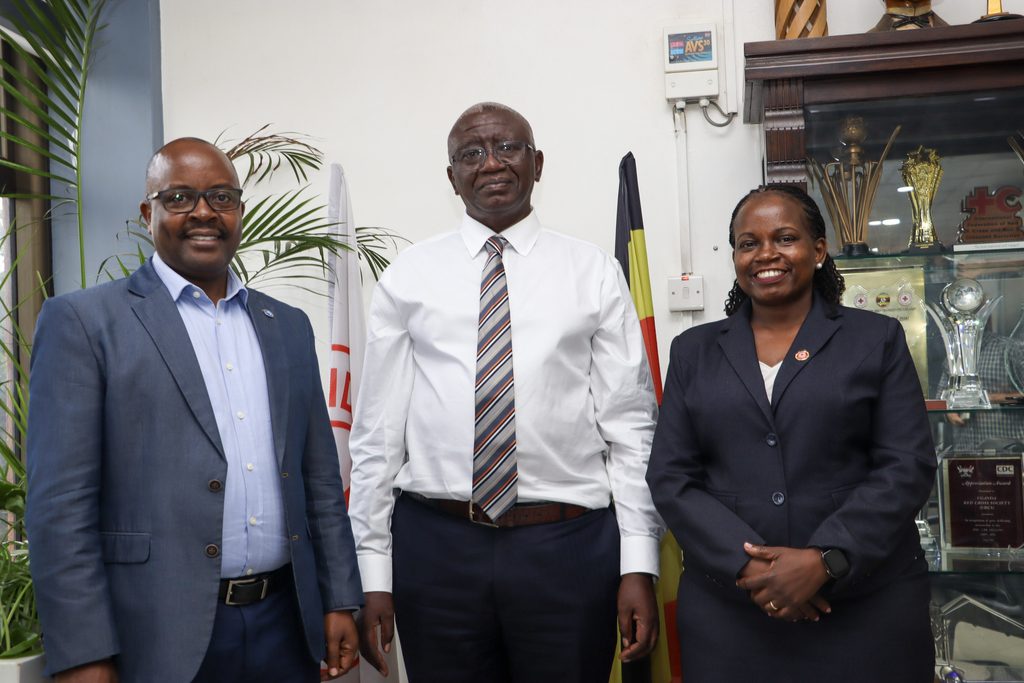
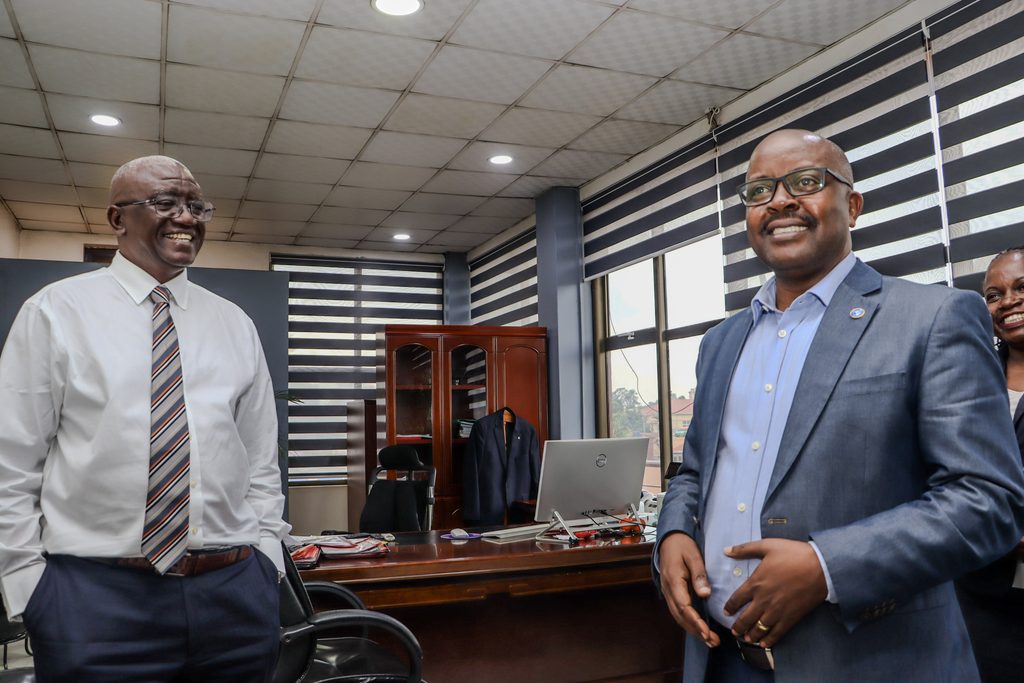
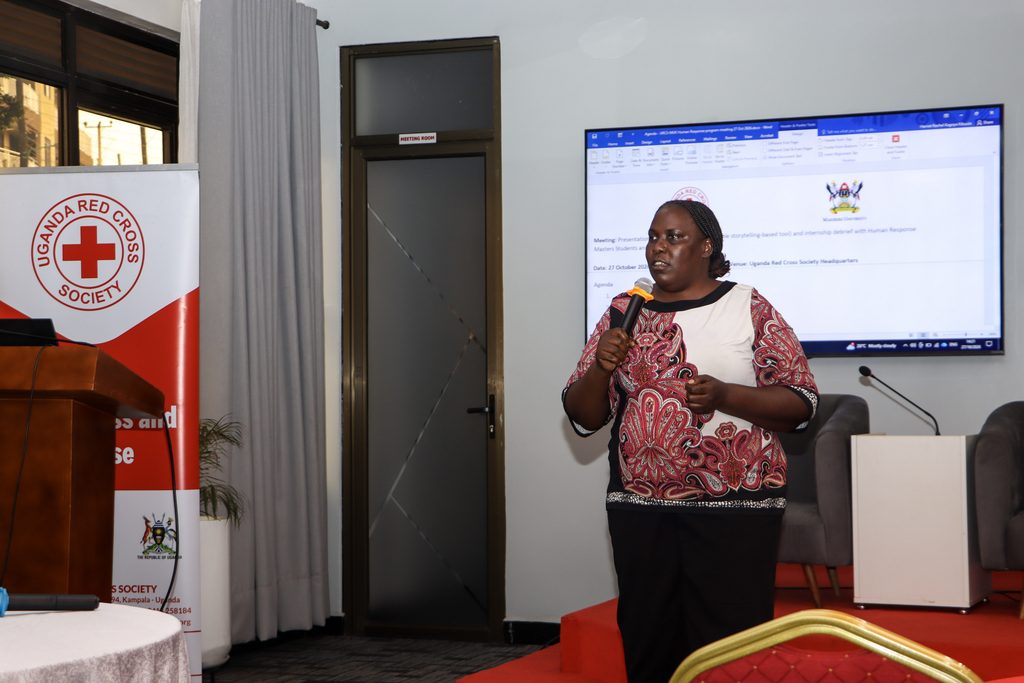
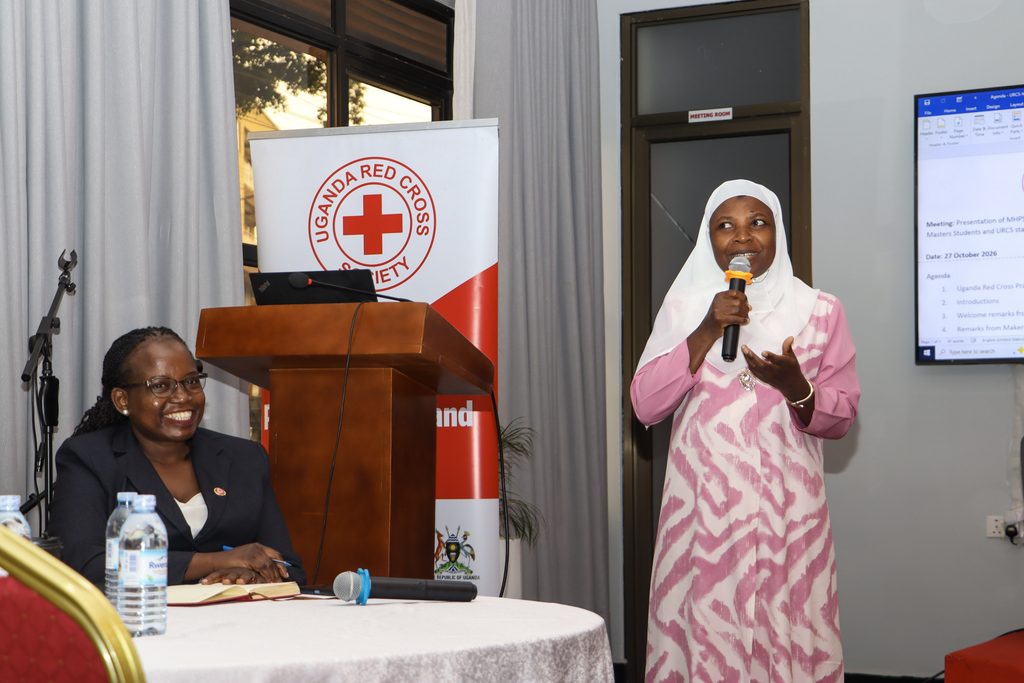
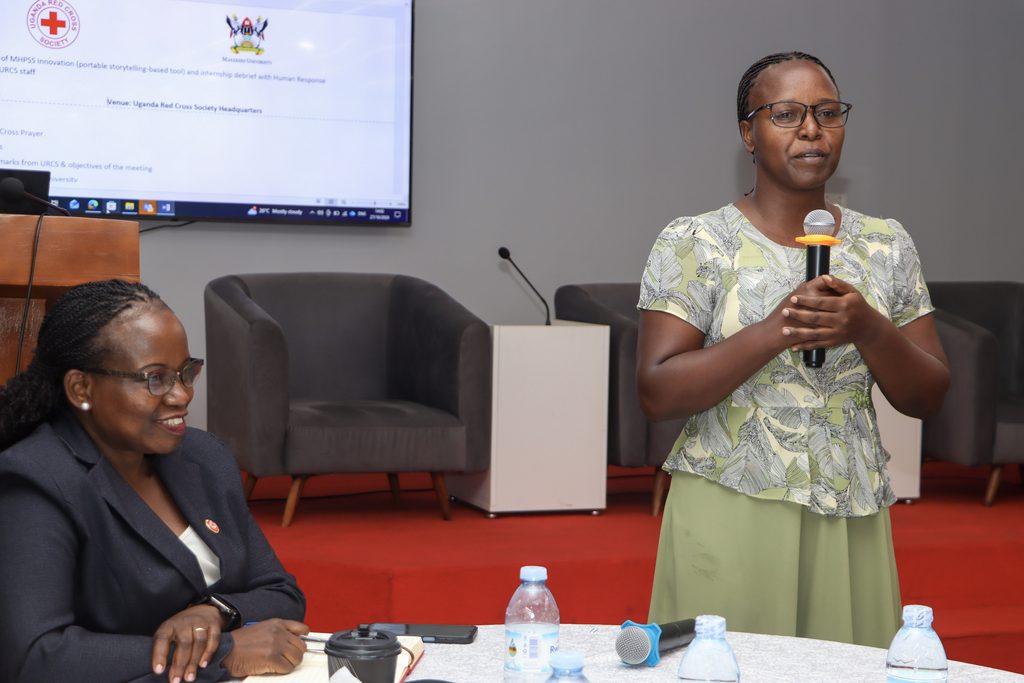
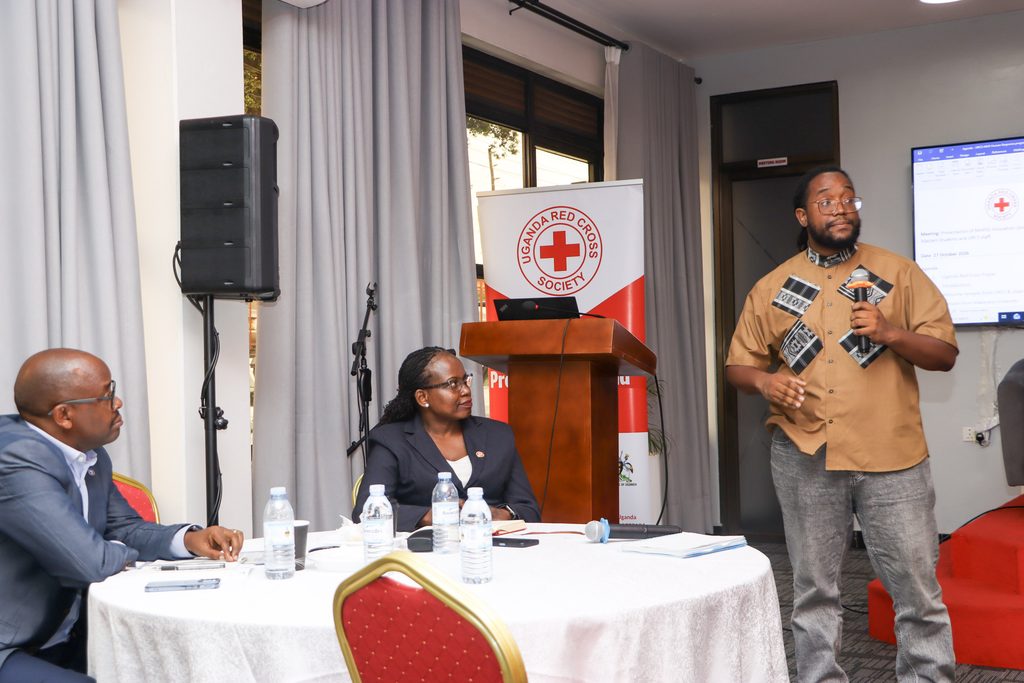
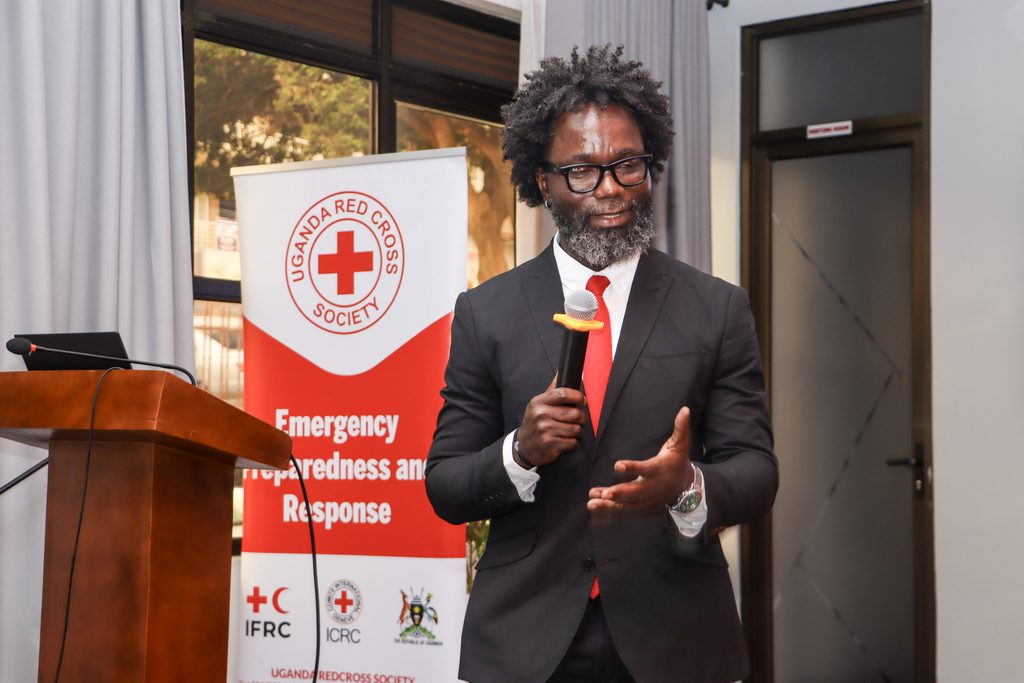
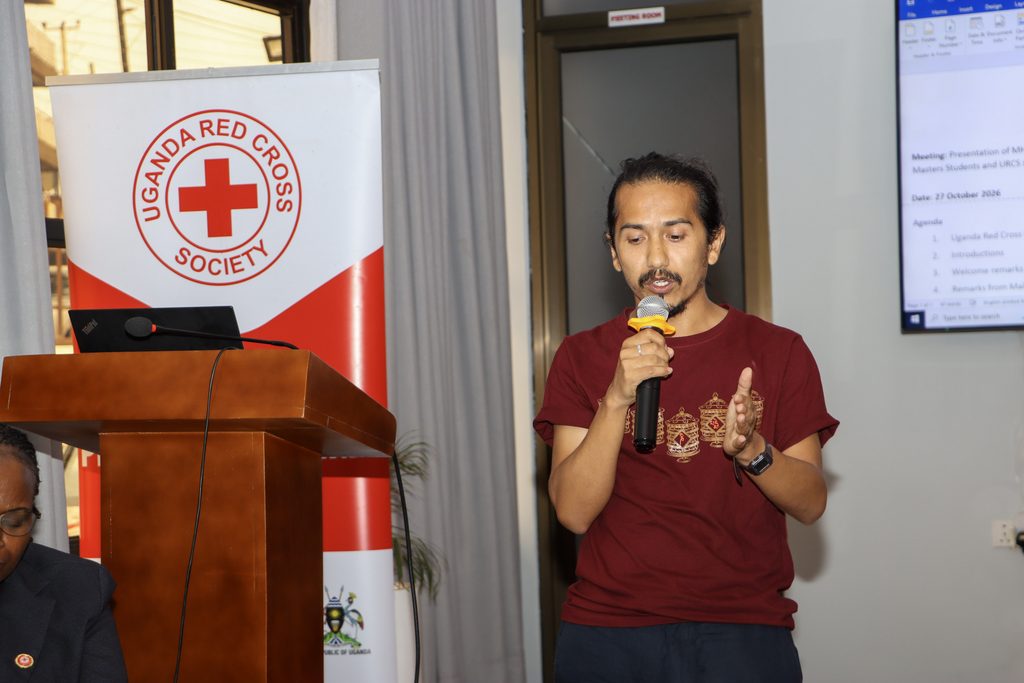
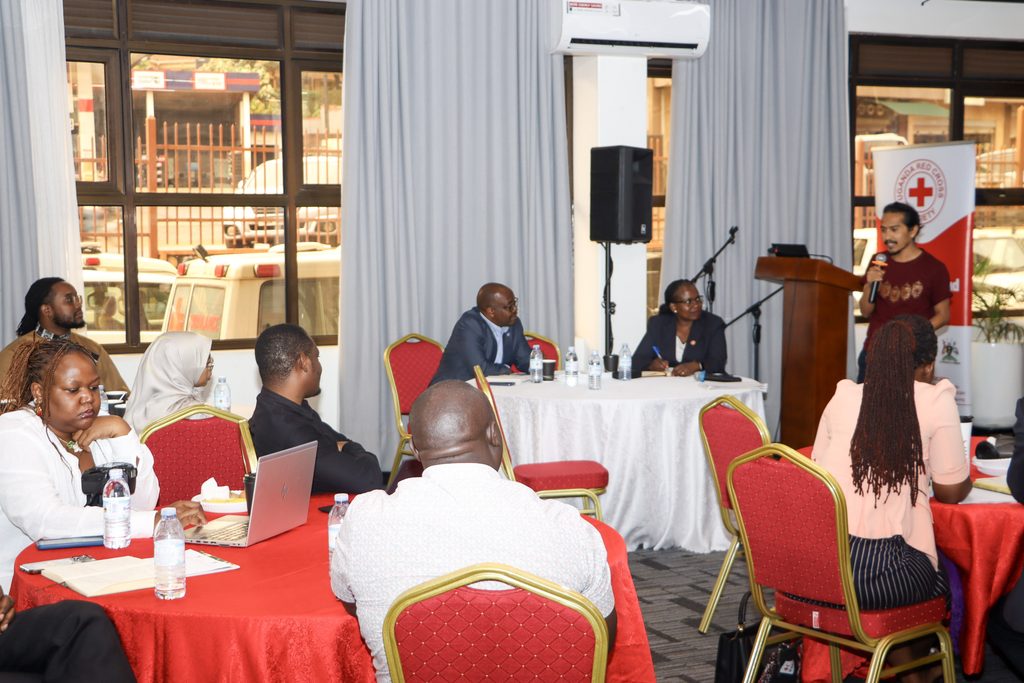
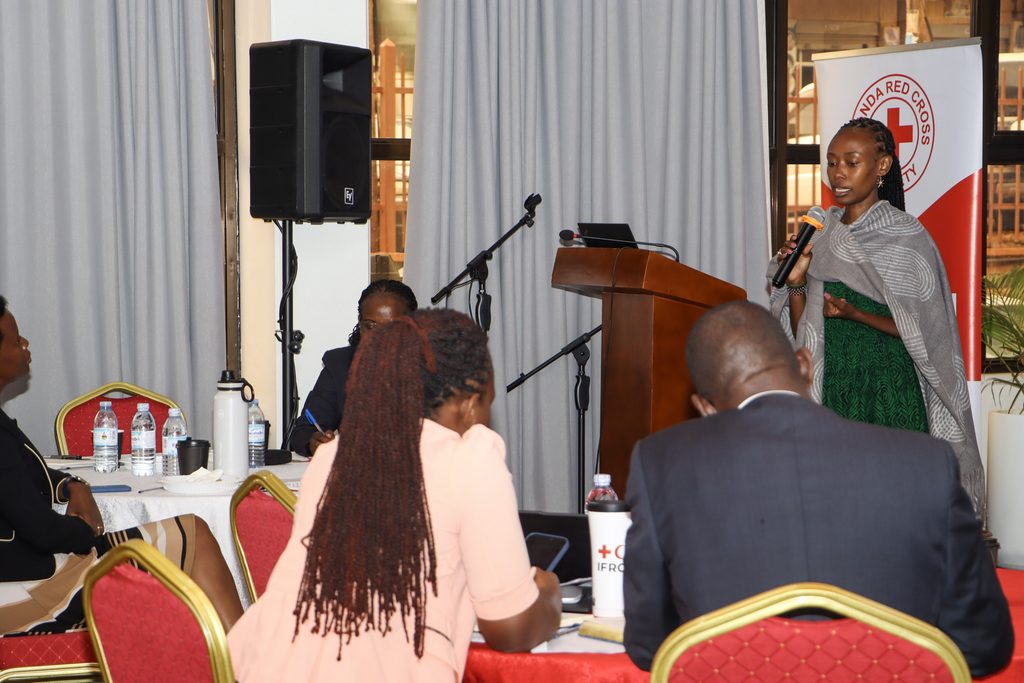
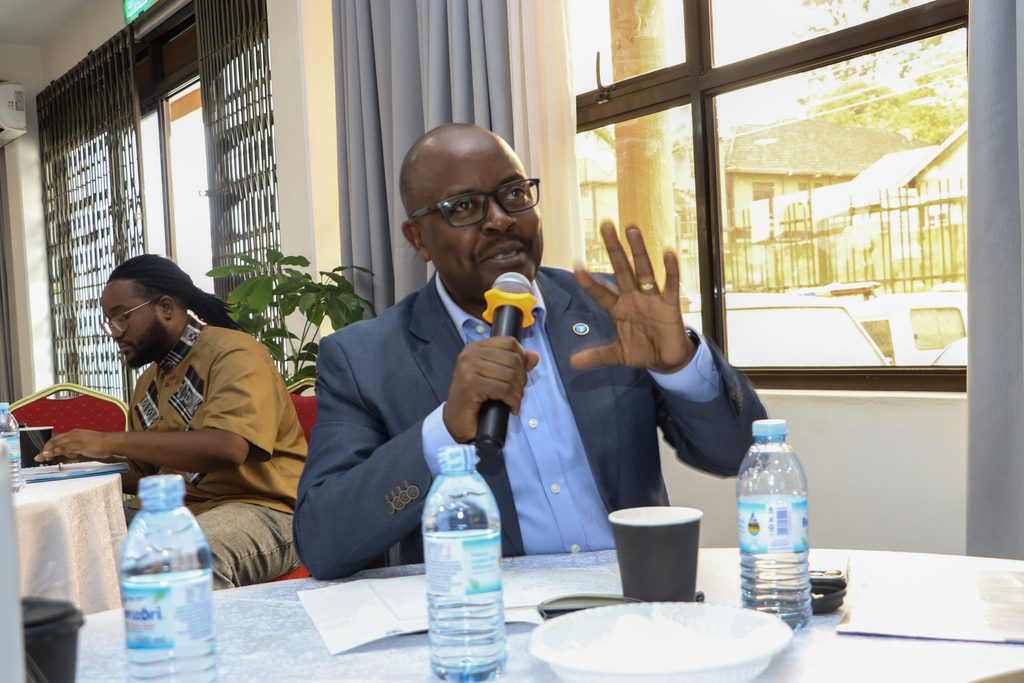
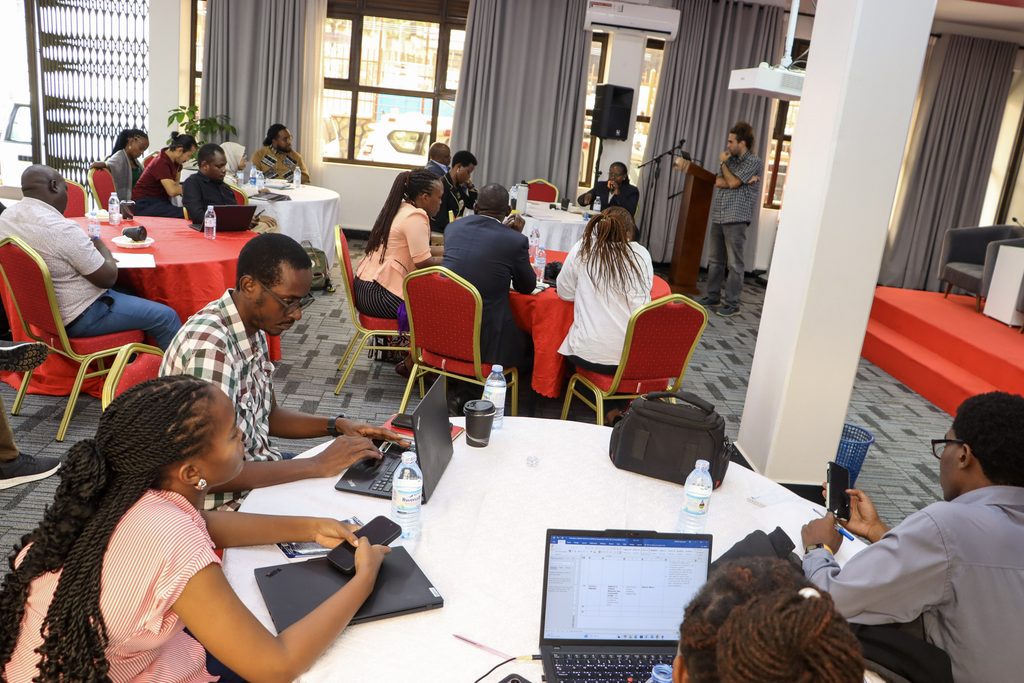
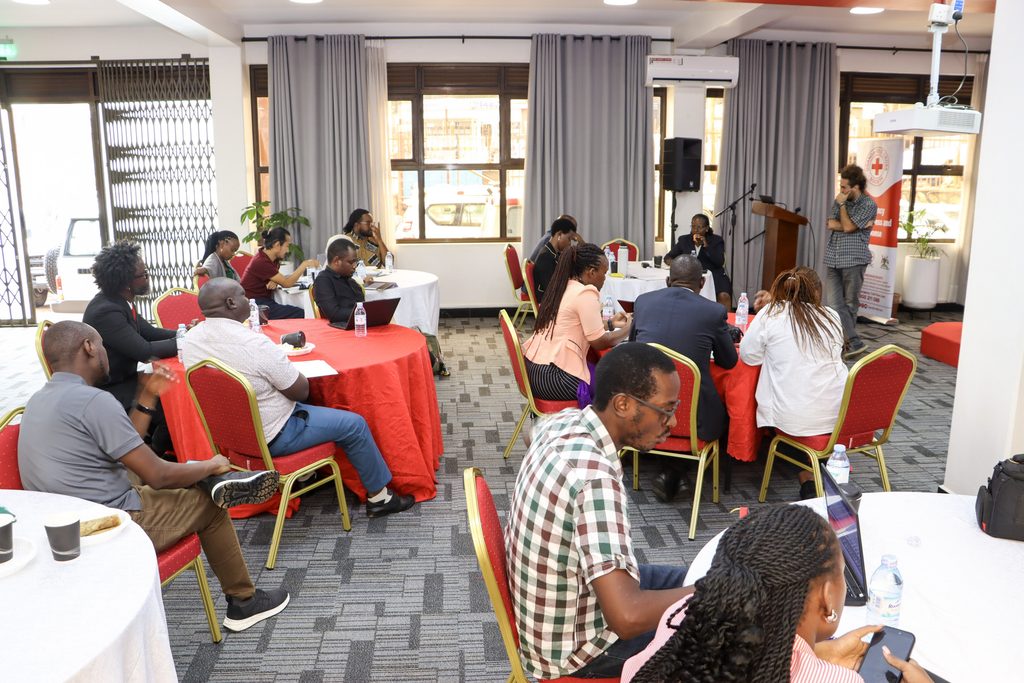
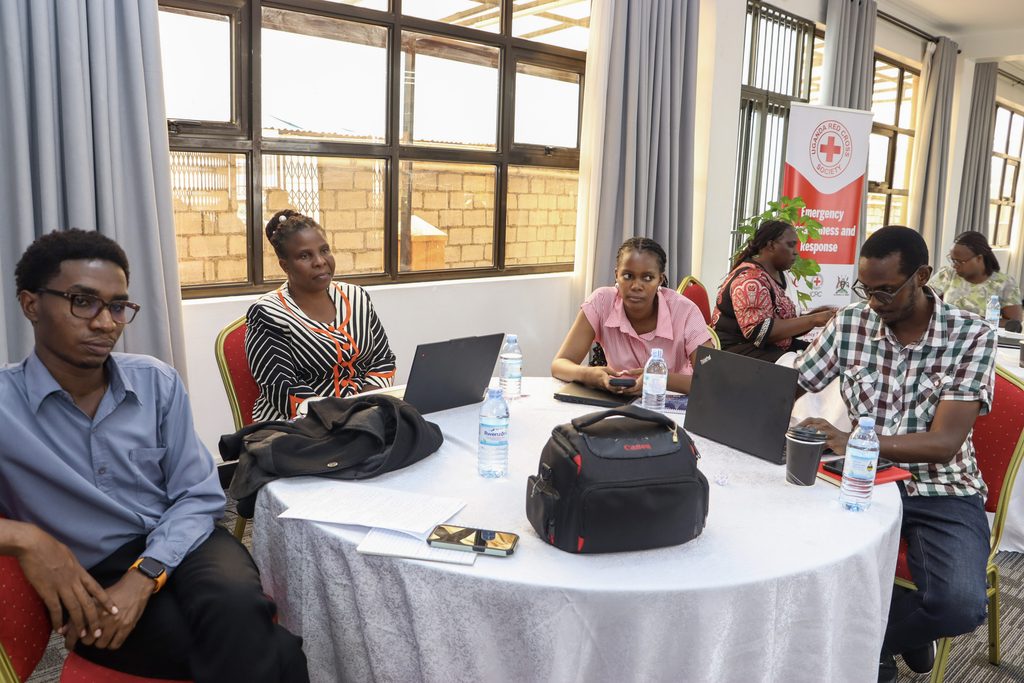
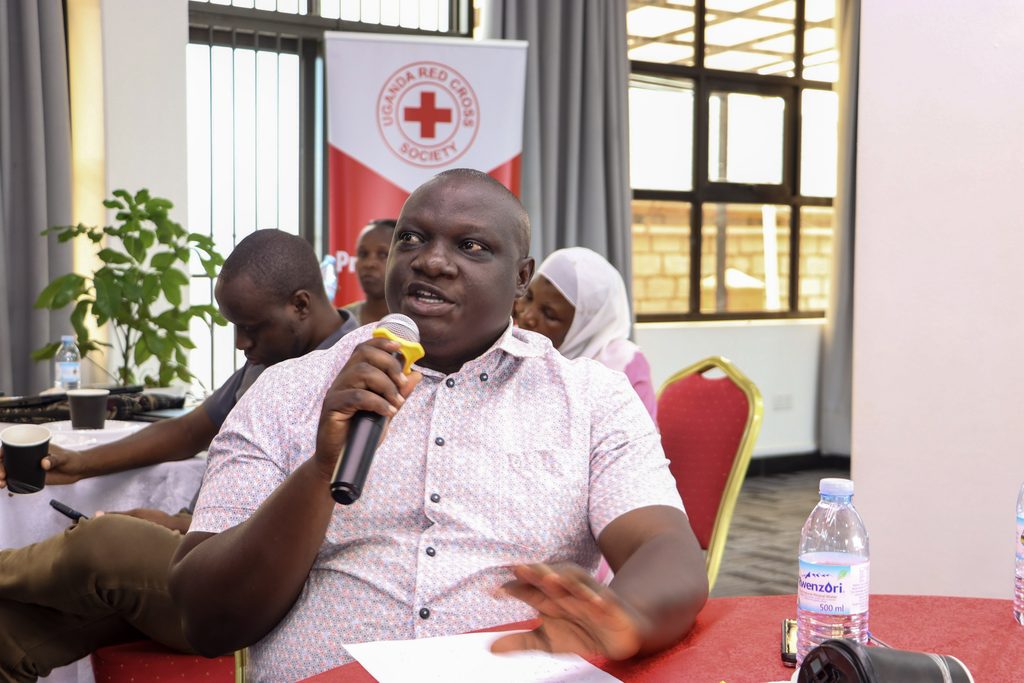
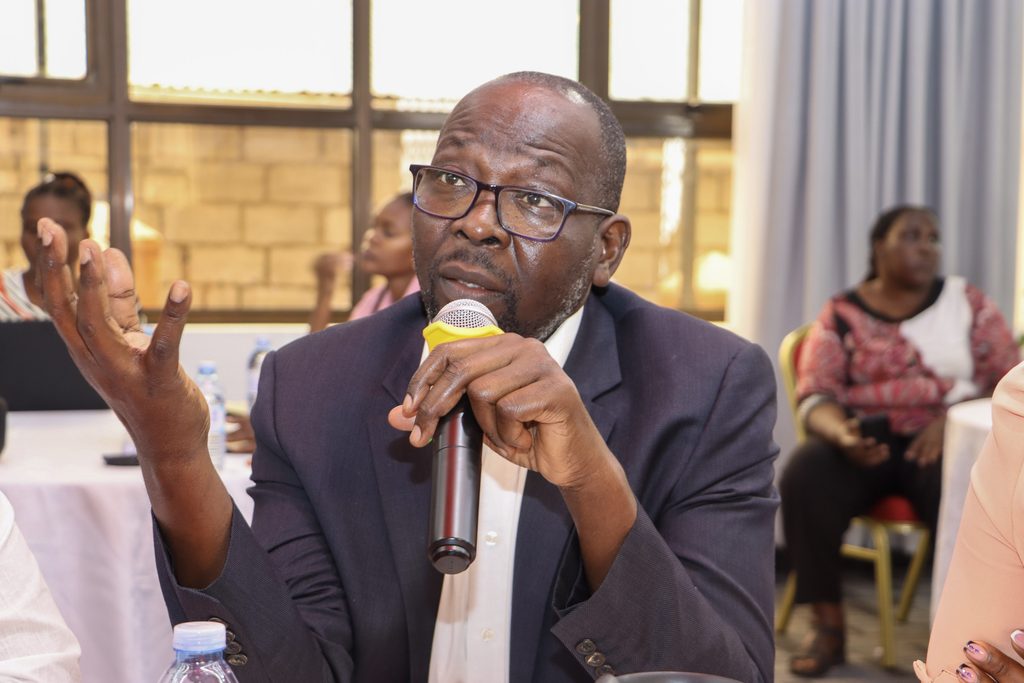
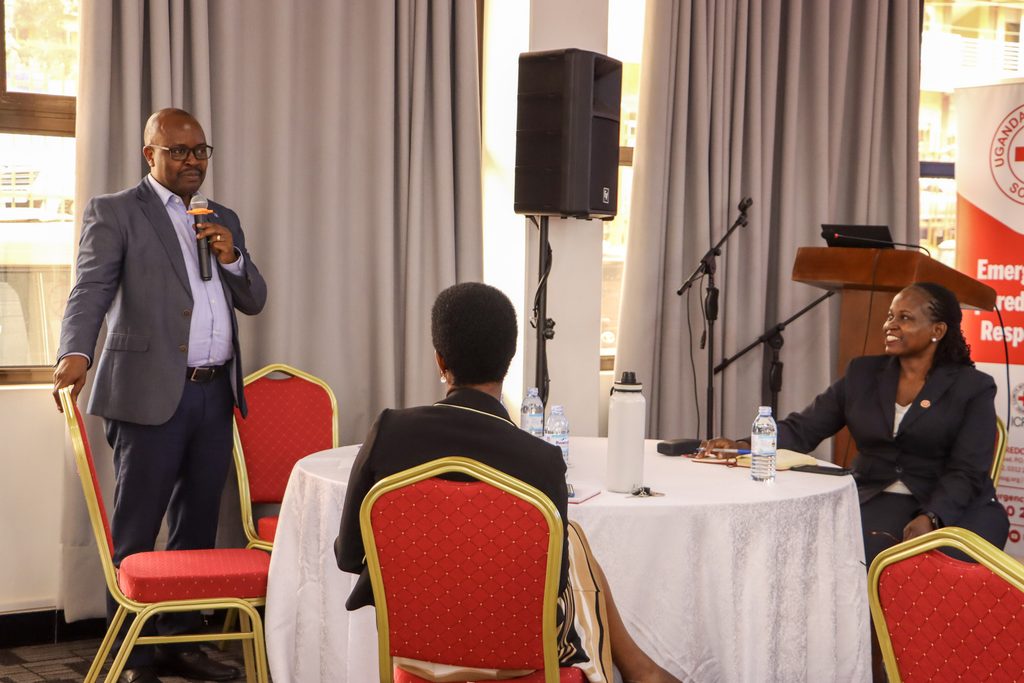
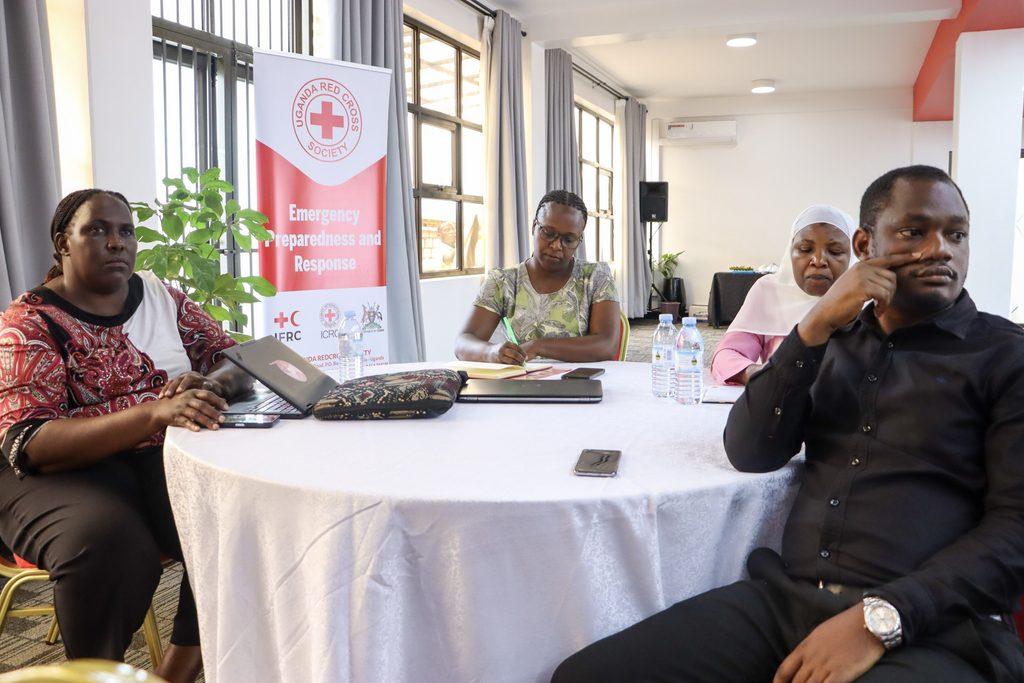
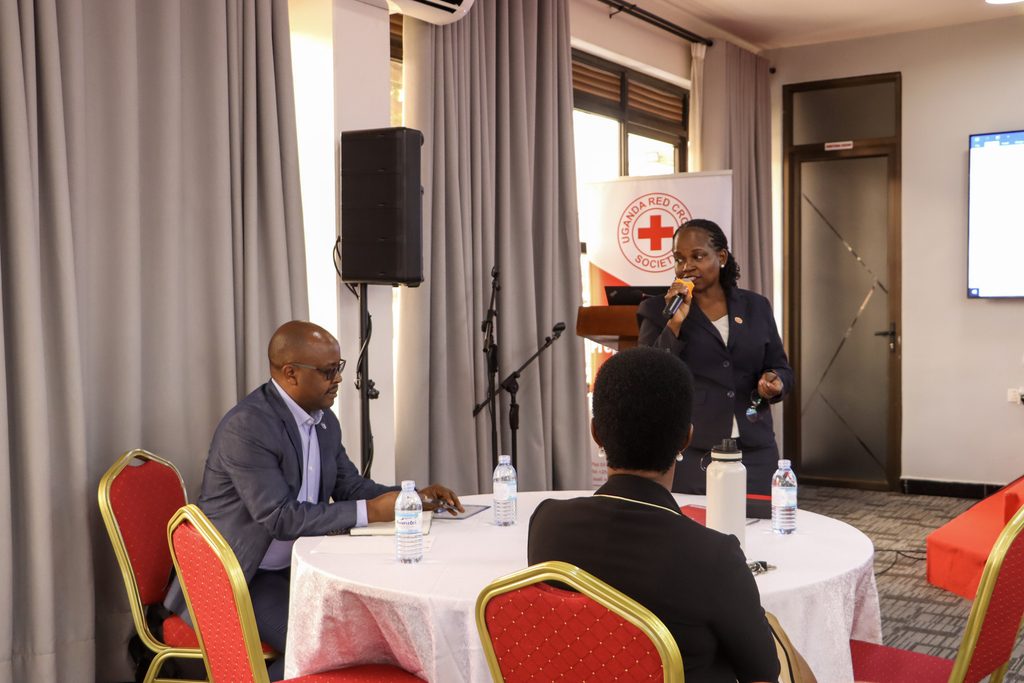
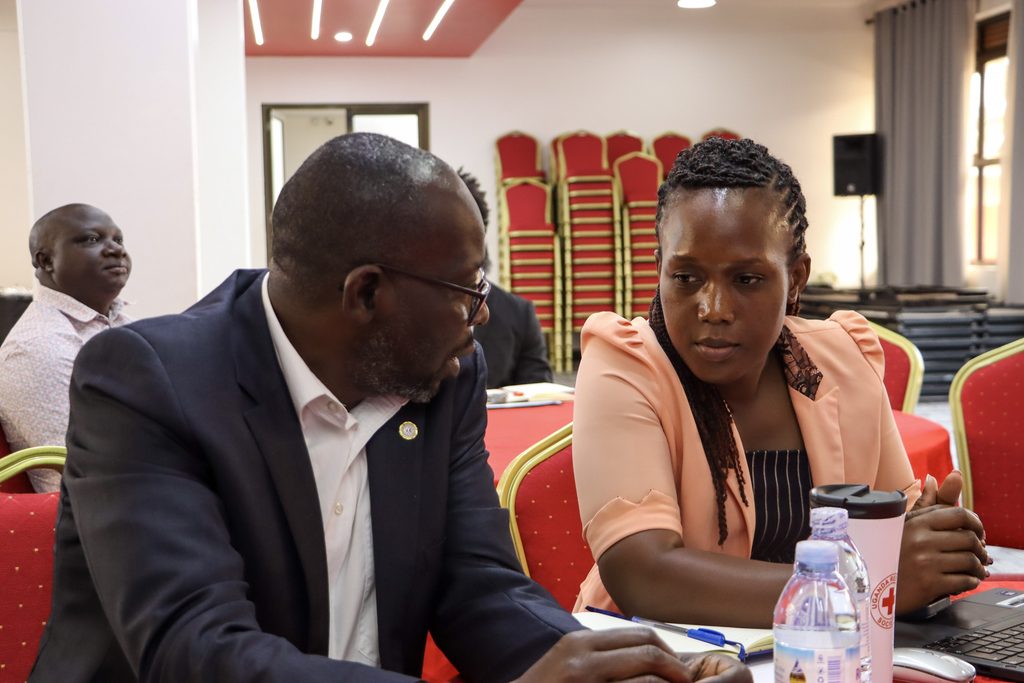
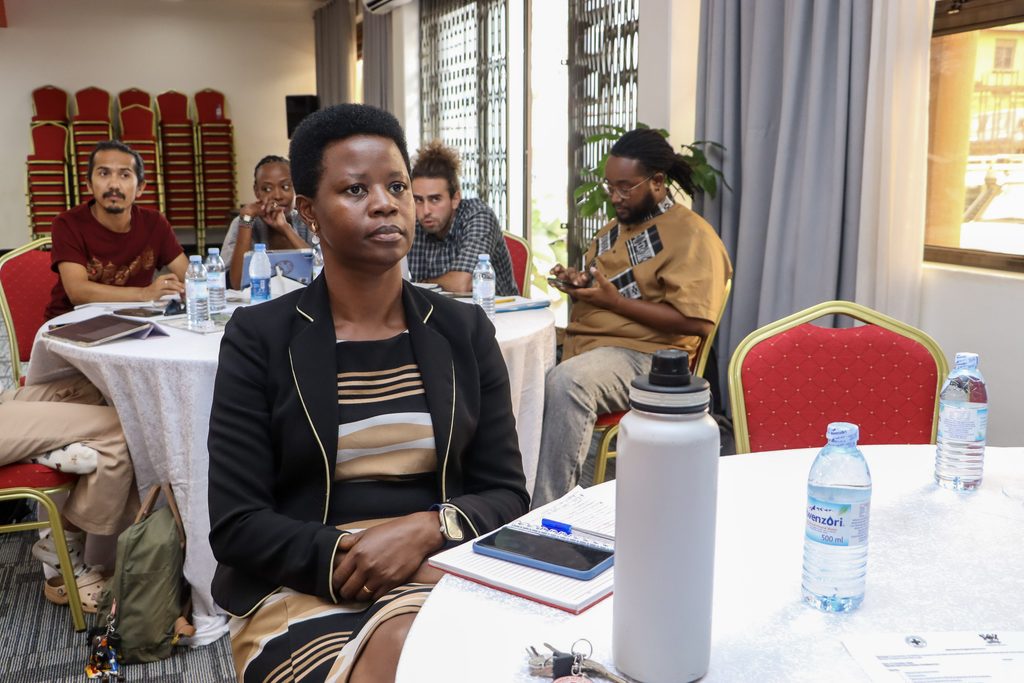
Their experiences and reflections were shared during a debriefing meeting at the Uganda Red Cross Society headquarters on Tuesday, 27 October 2026, bringing together university and humanitarian-sector perspectives on strengthening future placements. Assoc. Prof. Firminus Mugumya, a Makerere University staff member and programme coordinator, highlighted the importance of structured collaboration between universities and host organisations in preparing students for professional practice.
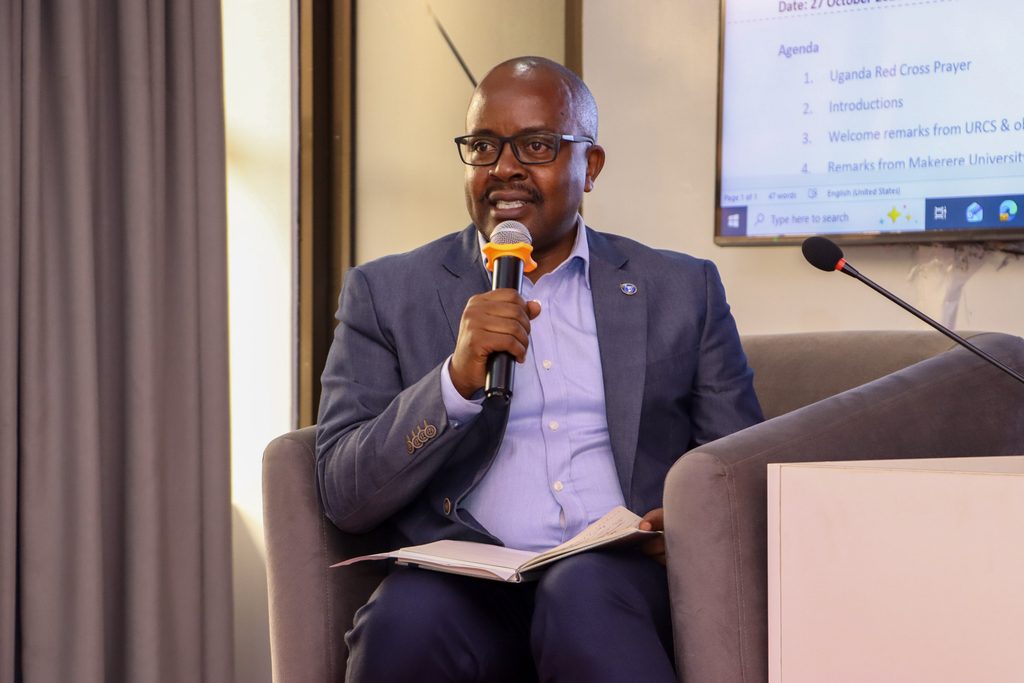
He explained that the approach involves engaging partner organisations in advance, allowing students to select placements, identify personal learning objectives and benefit from structured supervision. The arrangement is also intended to ensure that host organisations gain from the students’ participation and that lessons are documented for future cohorts.
“Learning should happen with contribution,” Mugumya said, emphasising the importance of making internships mutually beneficial for students, universities and partner organisations.
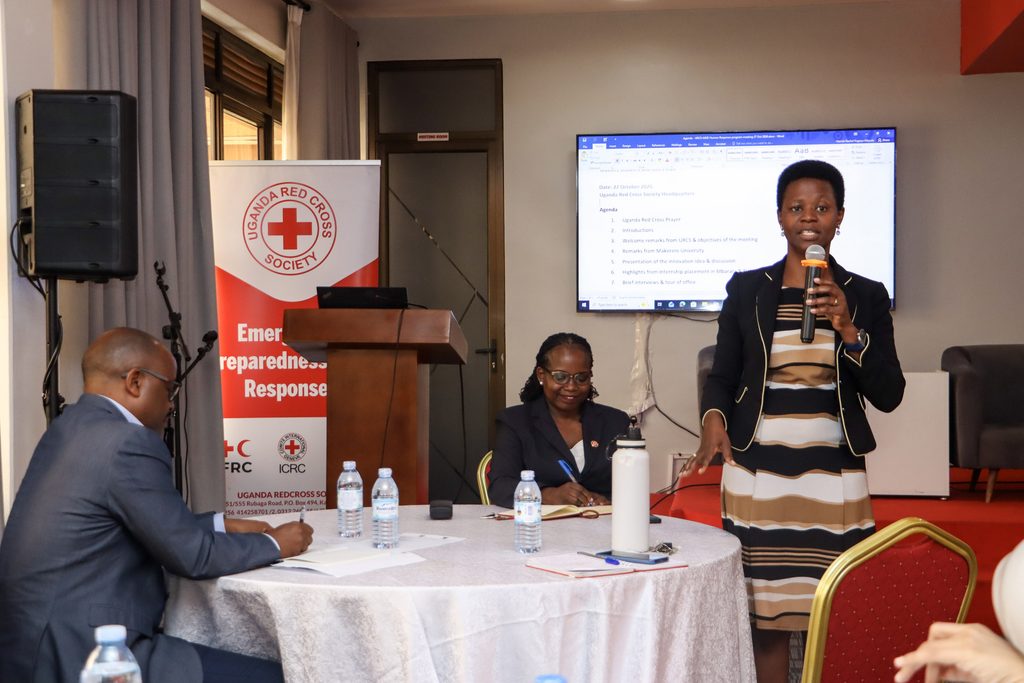
He further observed that “the university is also in a community,” underscoring the value of partnerships that connect academic institutions with organisations and communities working to address real-world challenges. Dr. Harriet Racheal Kagoya, Director of Operations at the Uganda Red Cross Society, welcomed the students’ engagement and highlighted the value of preparing future humanitarian professionals through exposure to field operations.
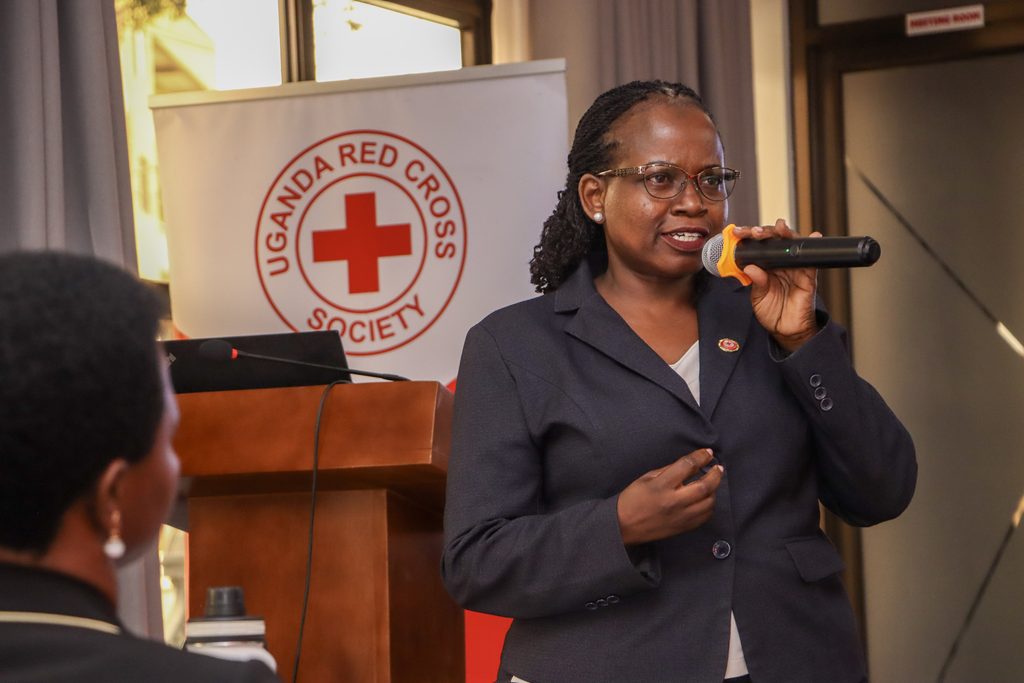
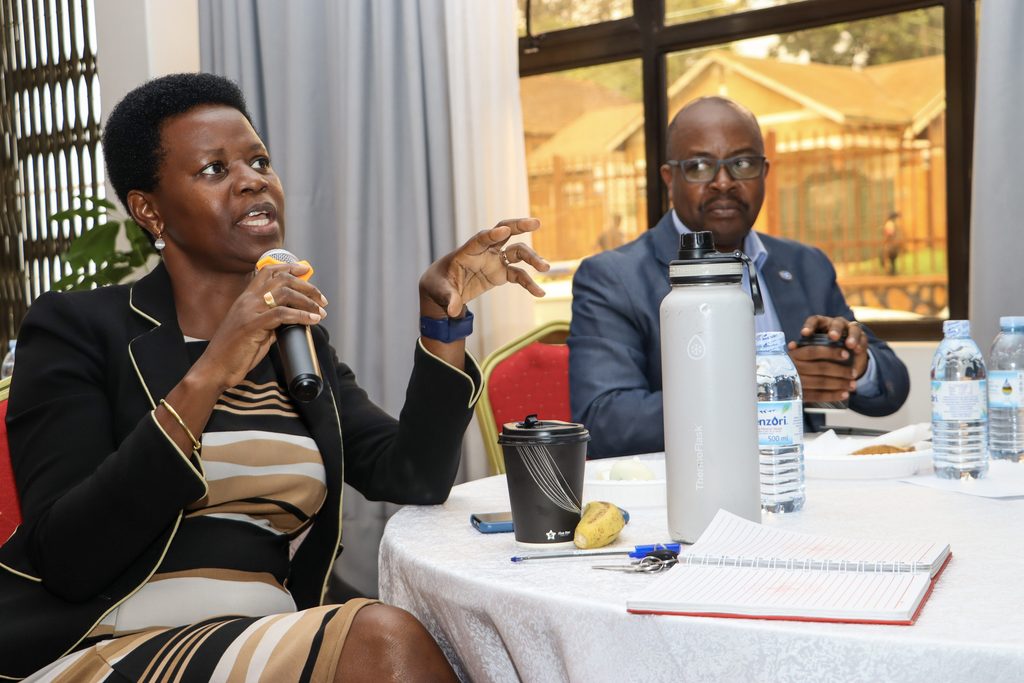
She encouraged stronger preparation for field placements, meaningful student participation and improved documentation of learning experiences. She also emphasised the importance of turning lessons from humanitarian settings into practical action, research and interventions that can benefit communities.
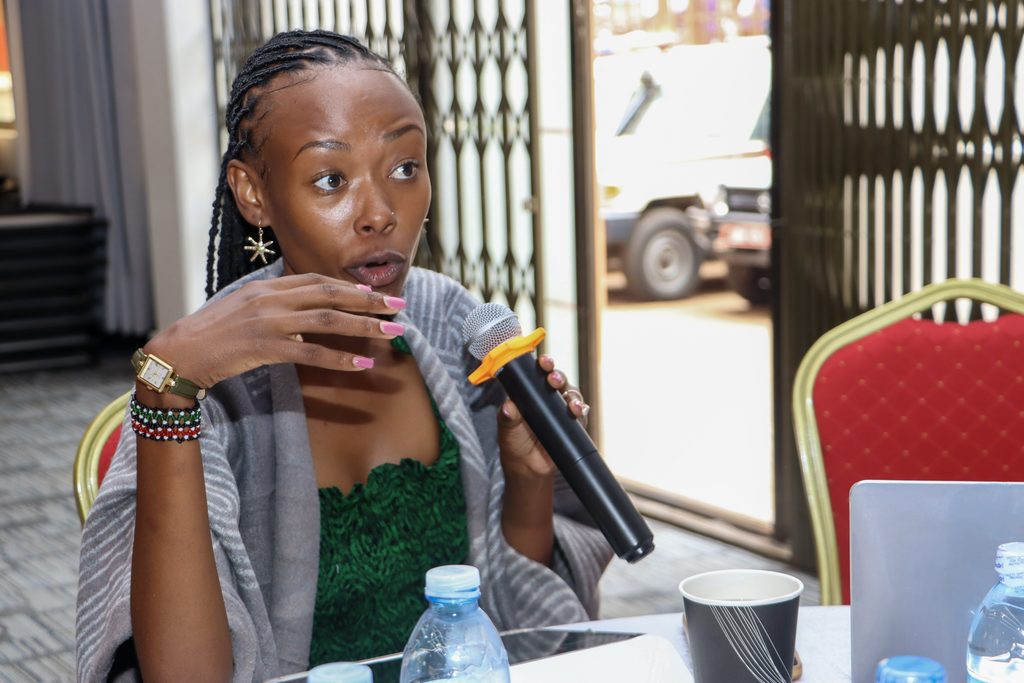
The engagement provided an opportunity for the students to reflect on the realities of humanitarian work and the importance of listening to people affected by displacement. Their observations at Nakivale highlighted community resilience, young people’s aspirations, local initiatives and the need to involve refugees in shaping interventions intended to serve them.
The students also reflected on how humanitarian programmes can respond more effectively to needs on the ground, including access to water, education, healthcare and other essential services. These discussions reinforced the importance of designing interventions with communities and taking account of their experiences and priorities.
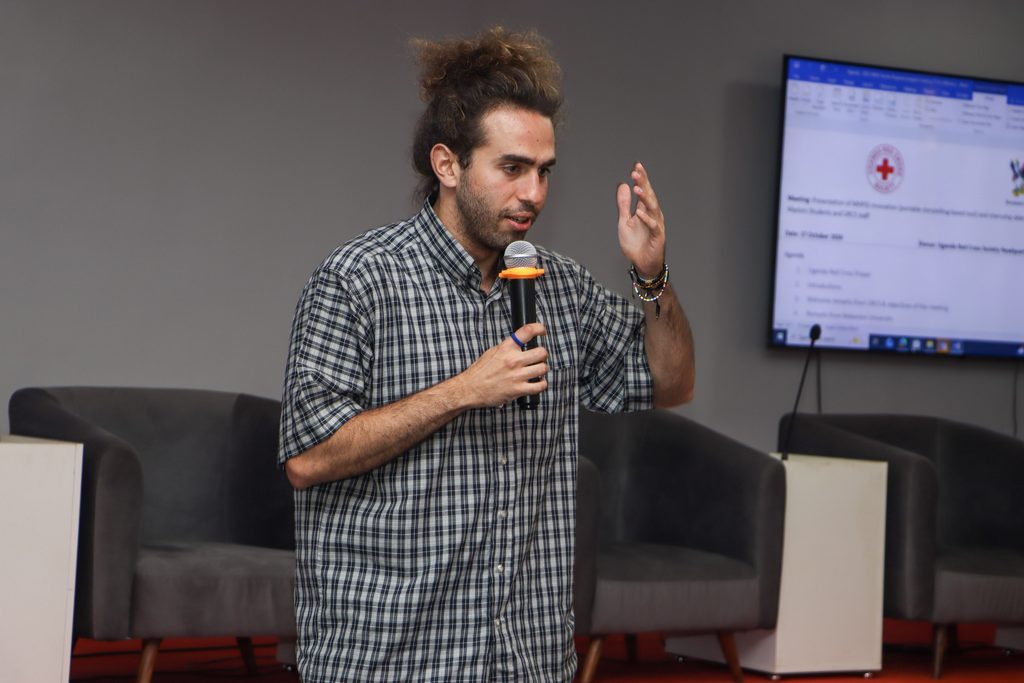
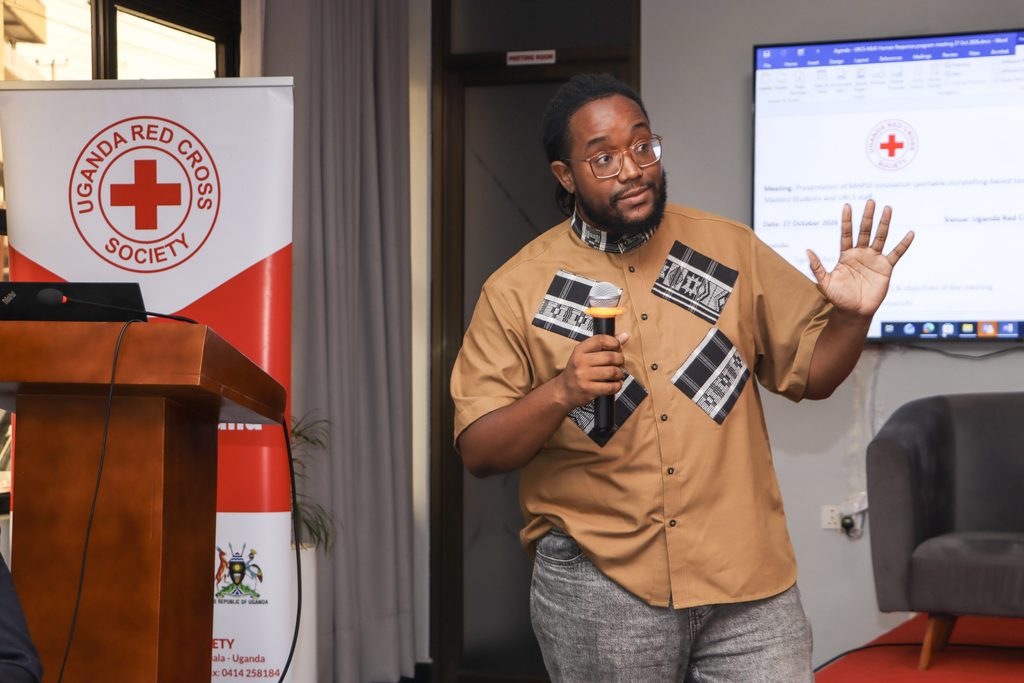
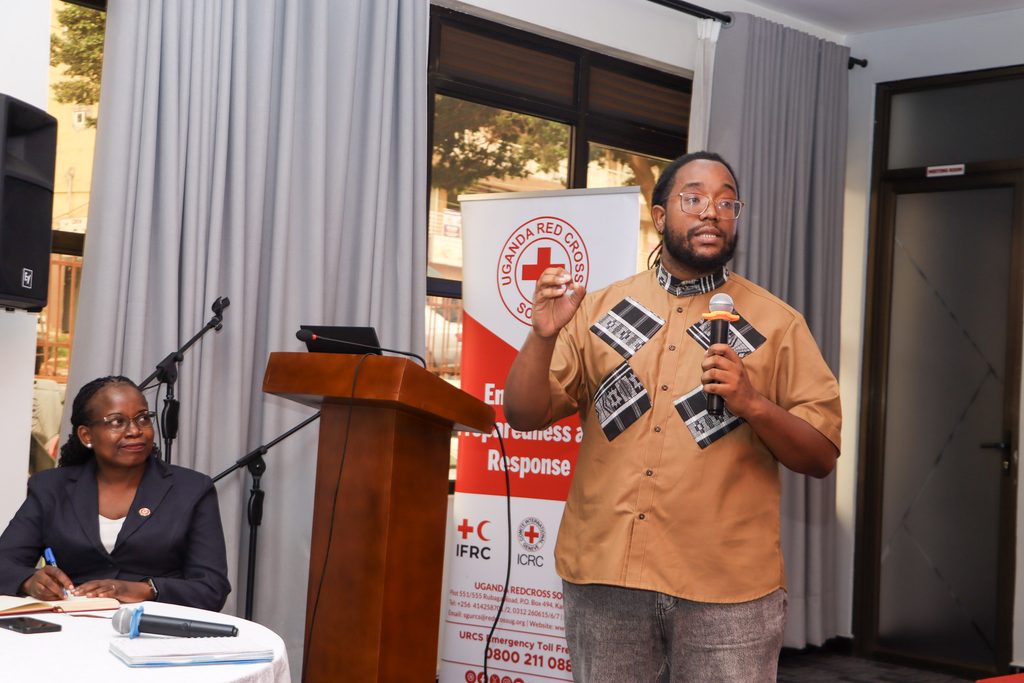
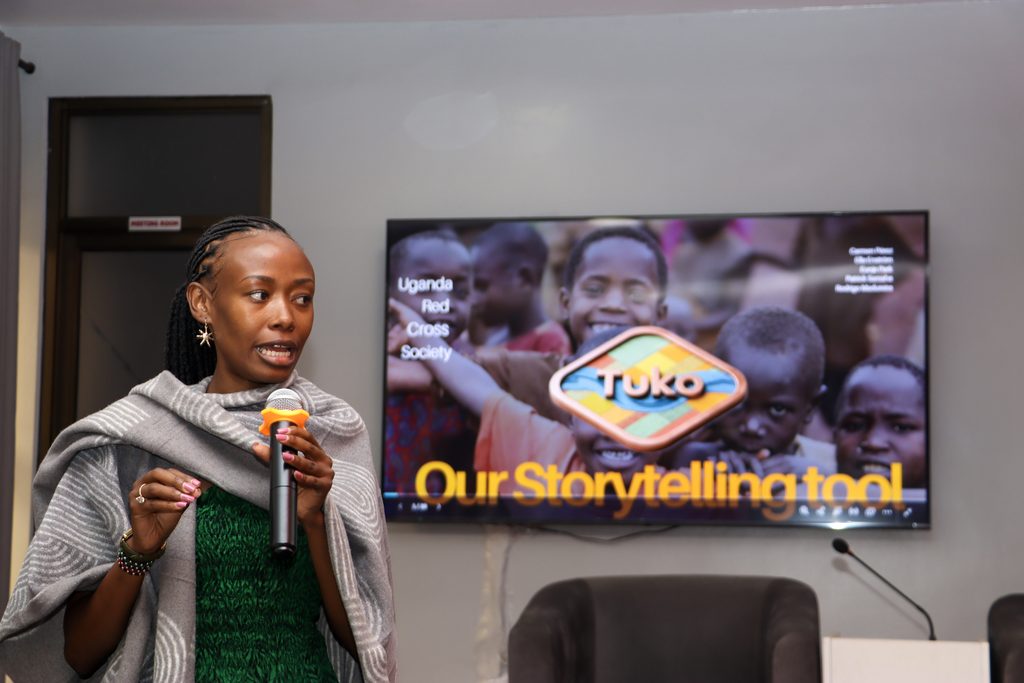
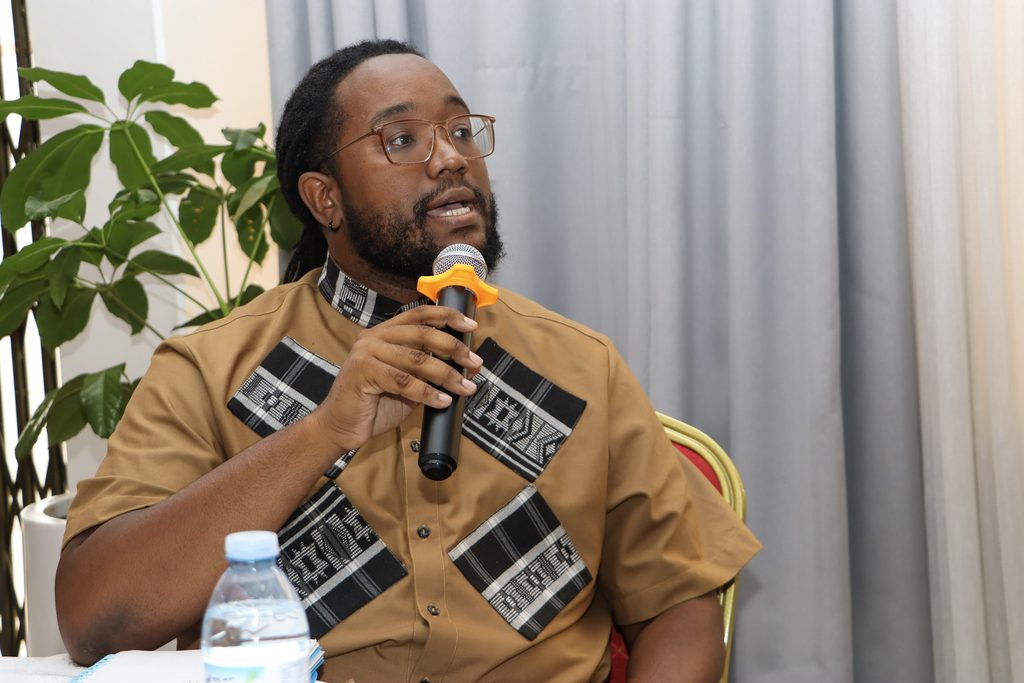
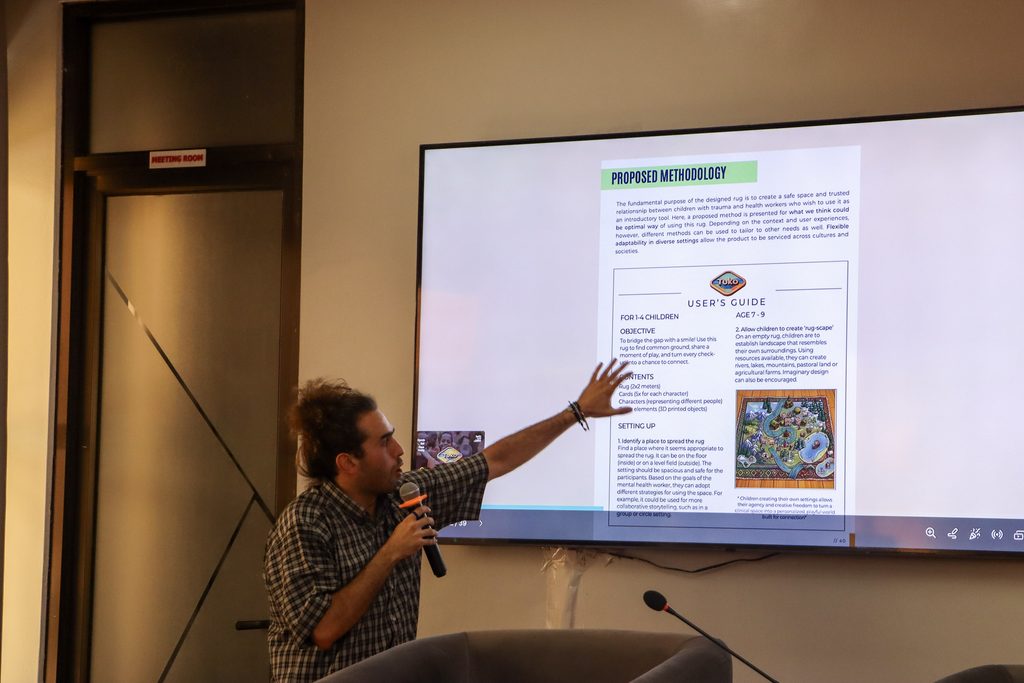
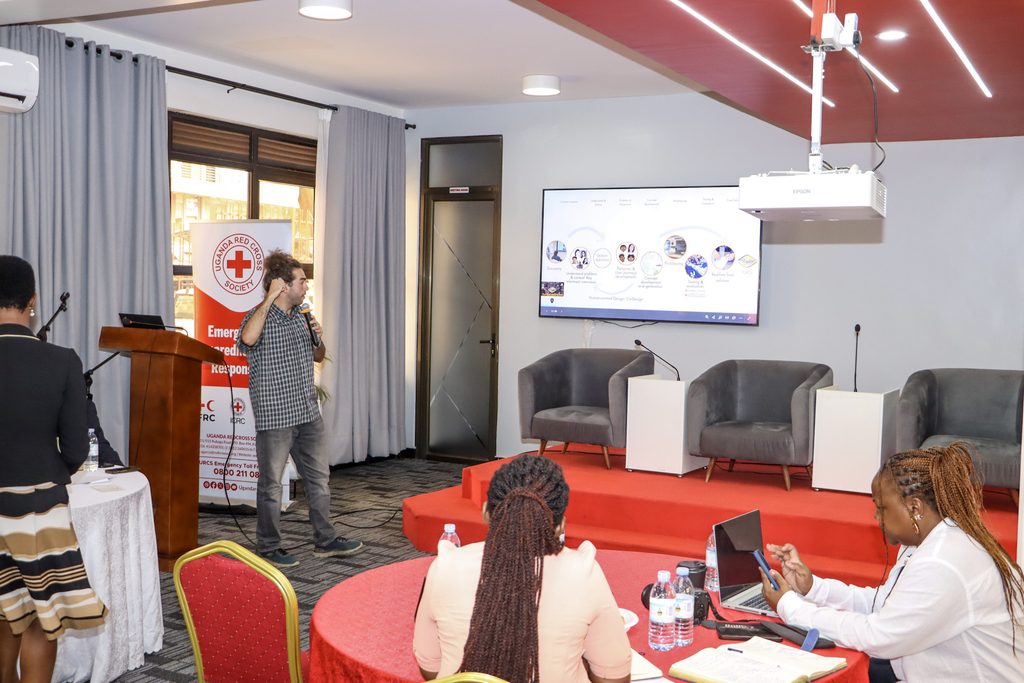
For Patrick Samaha, the placement offered renewed motivation to pursue humanitarian work by bringing classroom concepts into contact with the realities of refugee communities. His reflections highlighted the value of meeting community members, learning from volunteers and seeing how humanitarian support operates in practice. Samaha also presented a portable storytelling toolkit for mental health and psychosocial support, developed through a collaborative design project in Norway over five months. The toolkit uses a mat, figures, objects and emotion cards to help children express their feelings through storytelling.
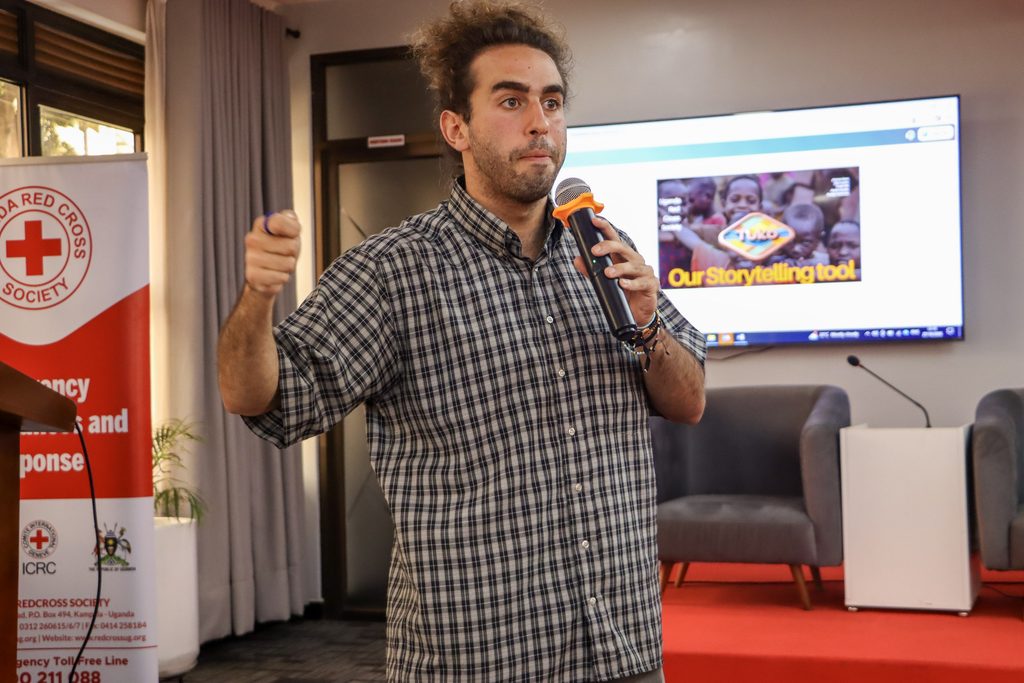
The presentation introduced a practical resource that can be adapted to local materials and contexts, with appropriate training for practitioners and referral pathways where additional support is needed. It also demonstrated how collaborative learning and innovation can contribute to approaches used in humanitarian and psychosocial support settings.
The Human Response programme brings together partner institutions including Iscte – University Institute of Lisbon, the Norwegian University of Science and Technology (NTNU), Makerere University, the University of Cape Verde, the University of Santiago in Cabo Verde, the National and Kapodistrian University of Athens and the University of Rovuma in Mozambique. Through such partnerships, students gain opportunities to learn across institutions and engage with the practical demands of humanitarian response, health and displacement.
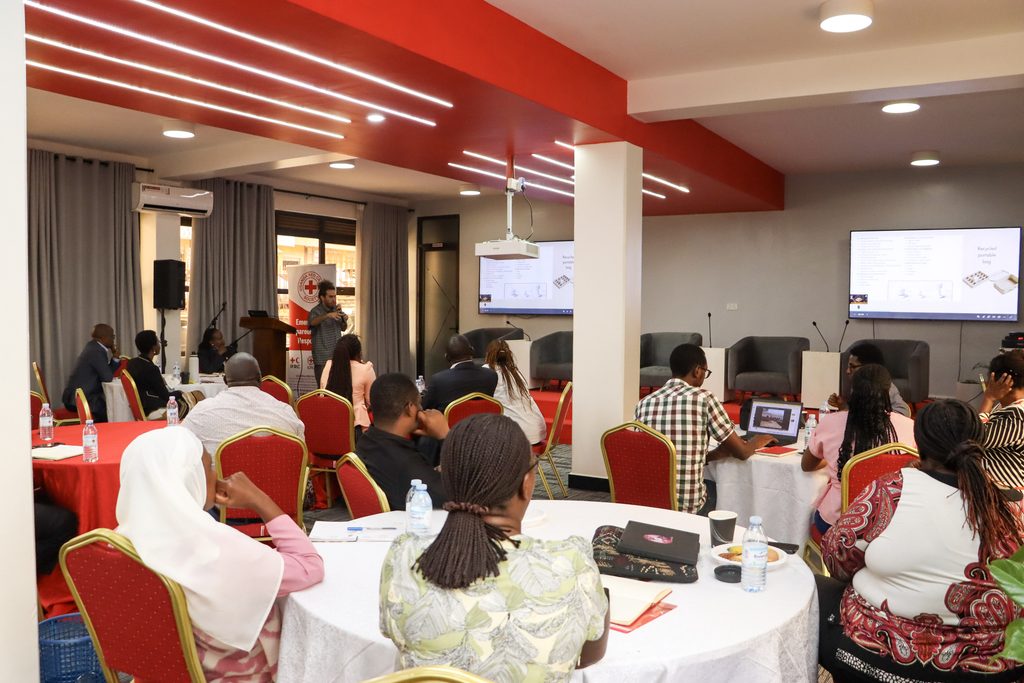
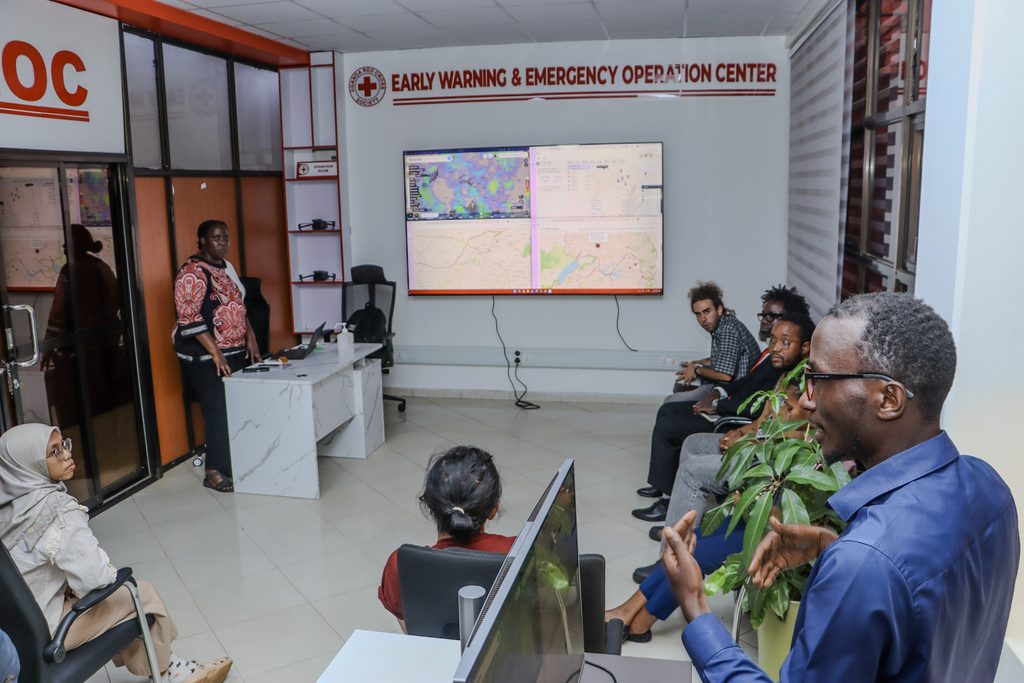
The debriefing concluded with reflections on how to strengthen future placements through clearer learning objectives, effective supervision, improved documentation and closer engagement between students and host organisations. The students also visited the Uganda Red Cross Society’s Emergency Operations Centre, gaining further exposure to the organisation’s humanitarian operations.
The collaboration demonstrates the value of linking university training with humanitarian practice, equipping emerging professionals with practical insights while creating opportunities for knowledge exchange, innovation and stronger partnerships in responding to community needs.