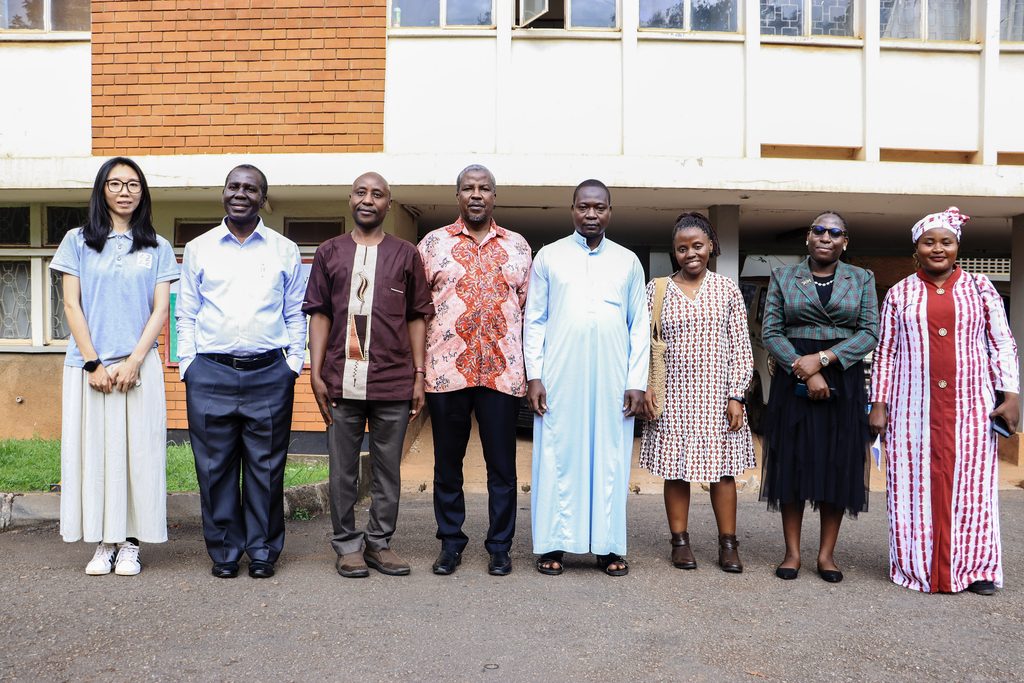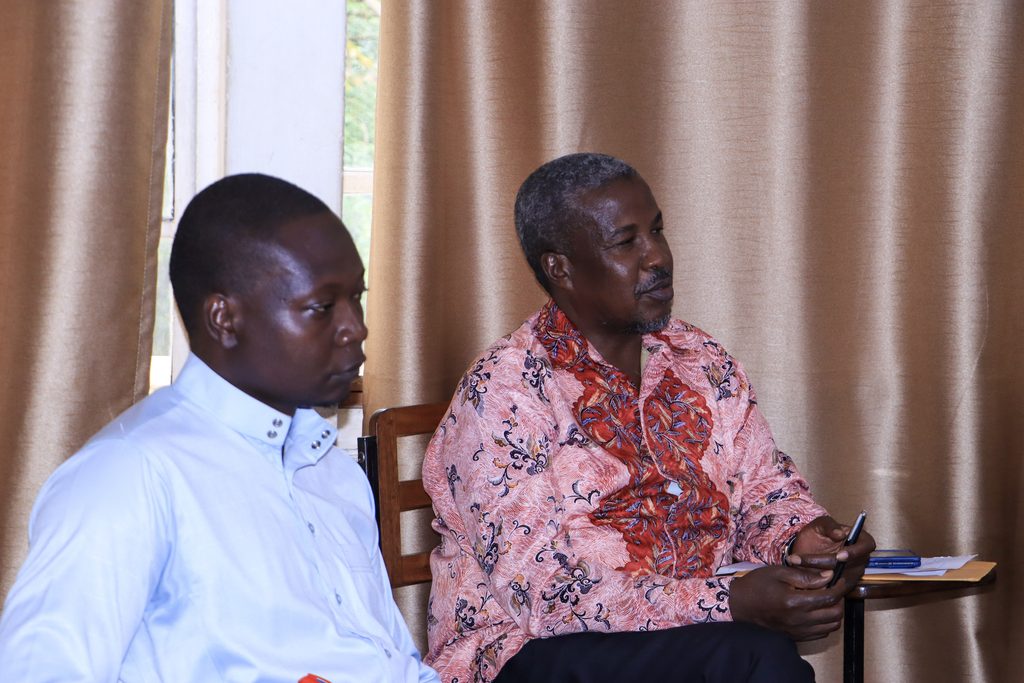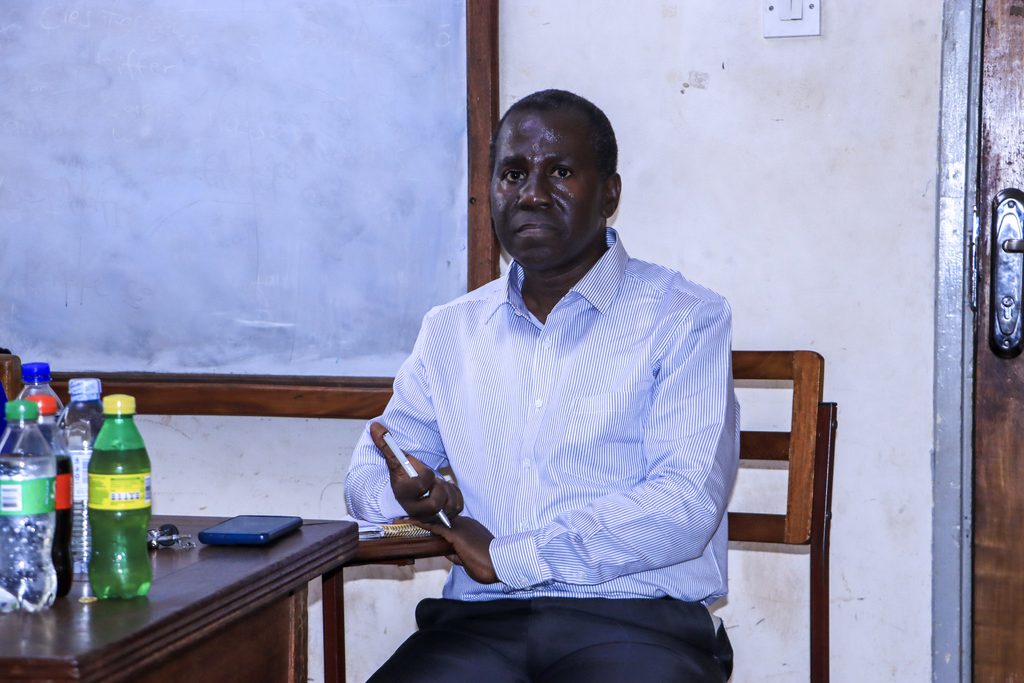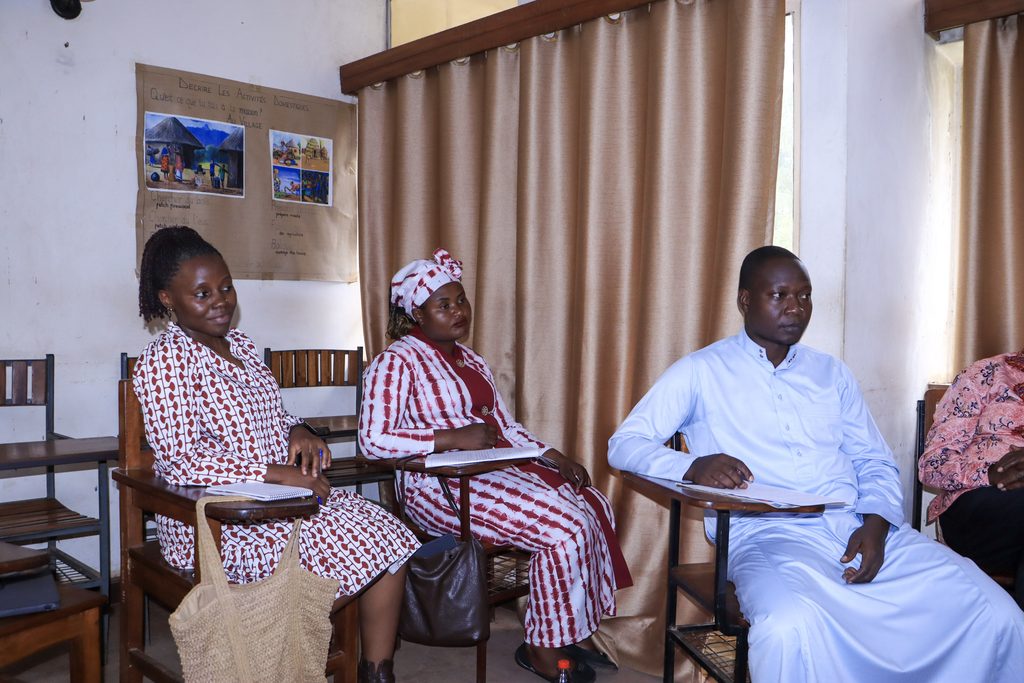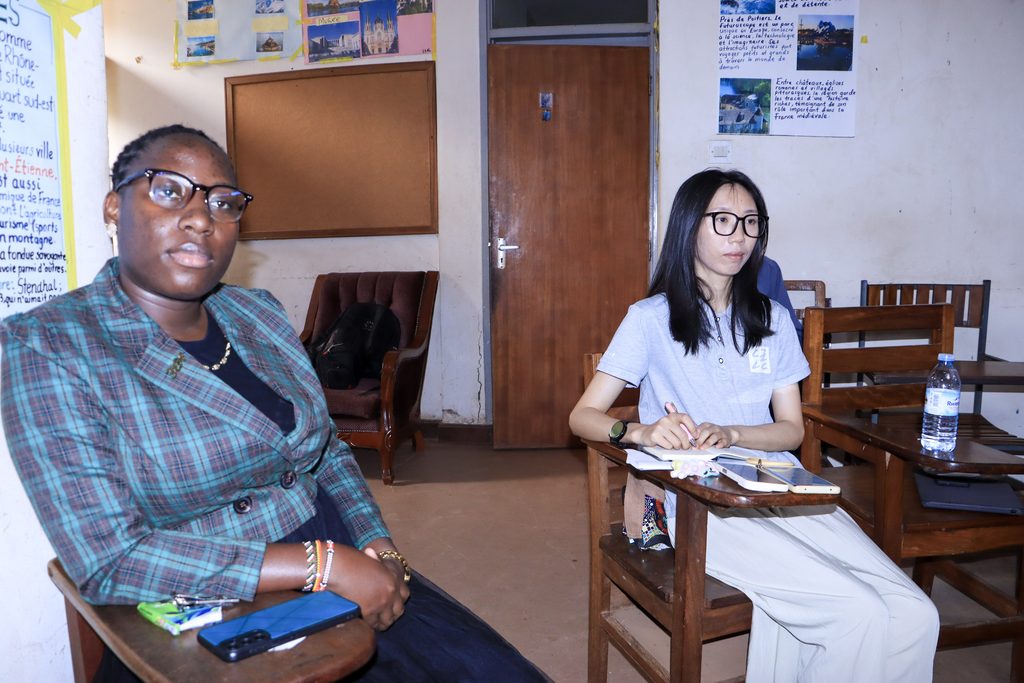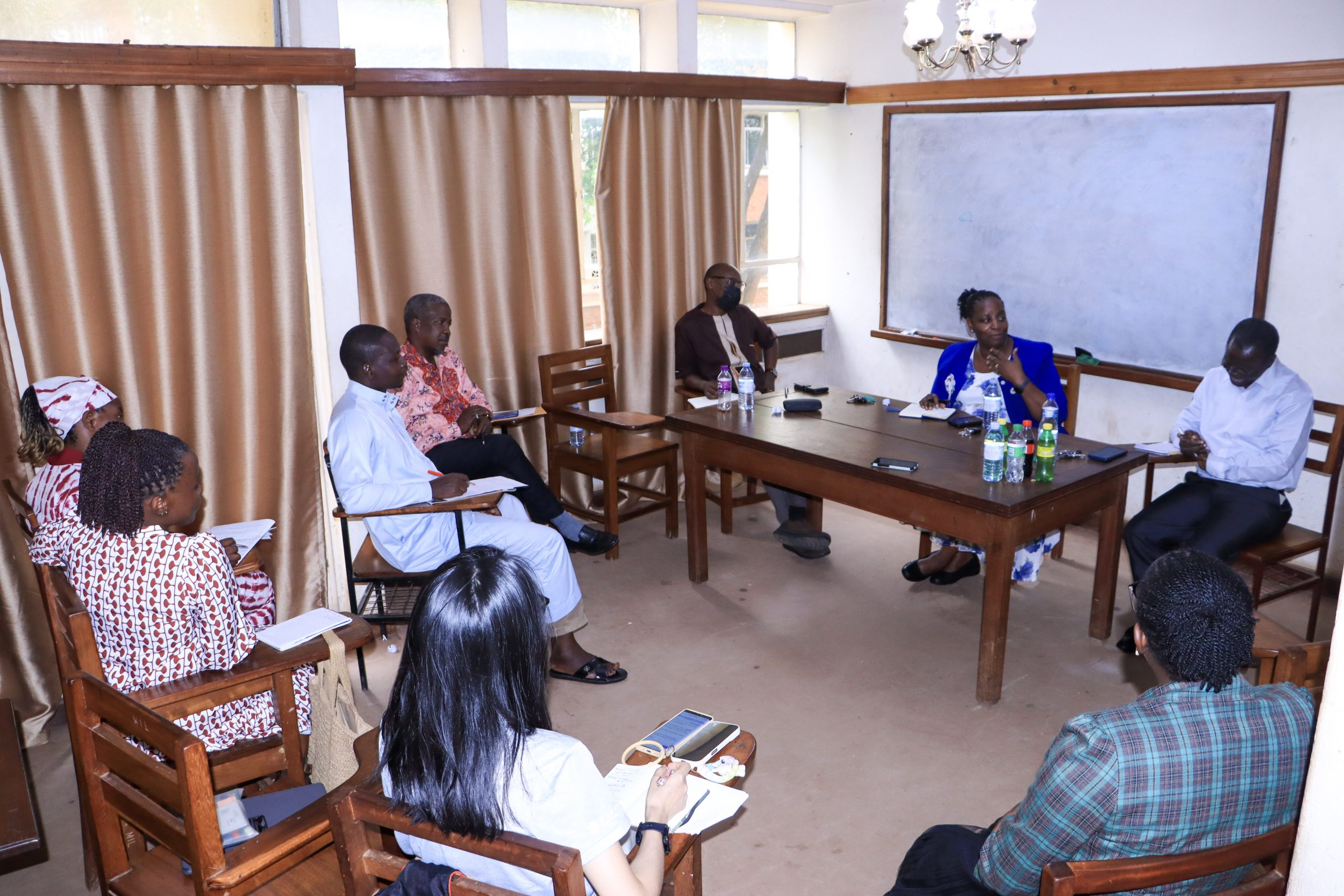
The leadership of the College of Humanities and Social Sciences (CHUSS) will continue supporting the Department of European and Oriental Languages through research funding, staffing advocacy, school outreach and efforts to address teaching space, Principal Prof. Helen Nambalirwa Nkabala has said.
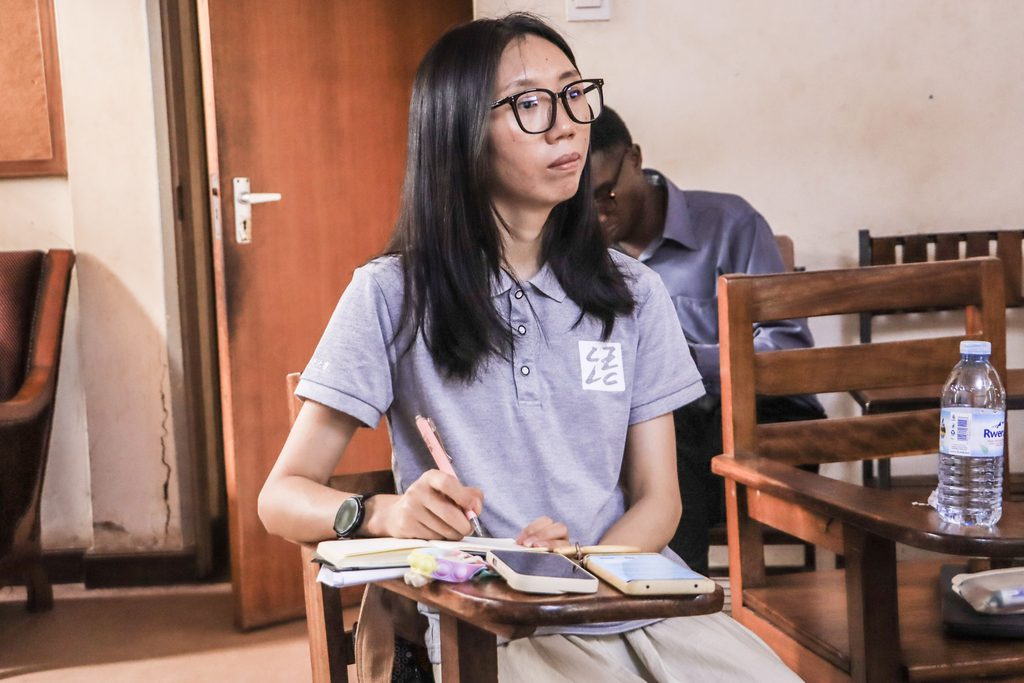
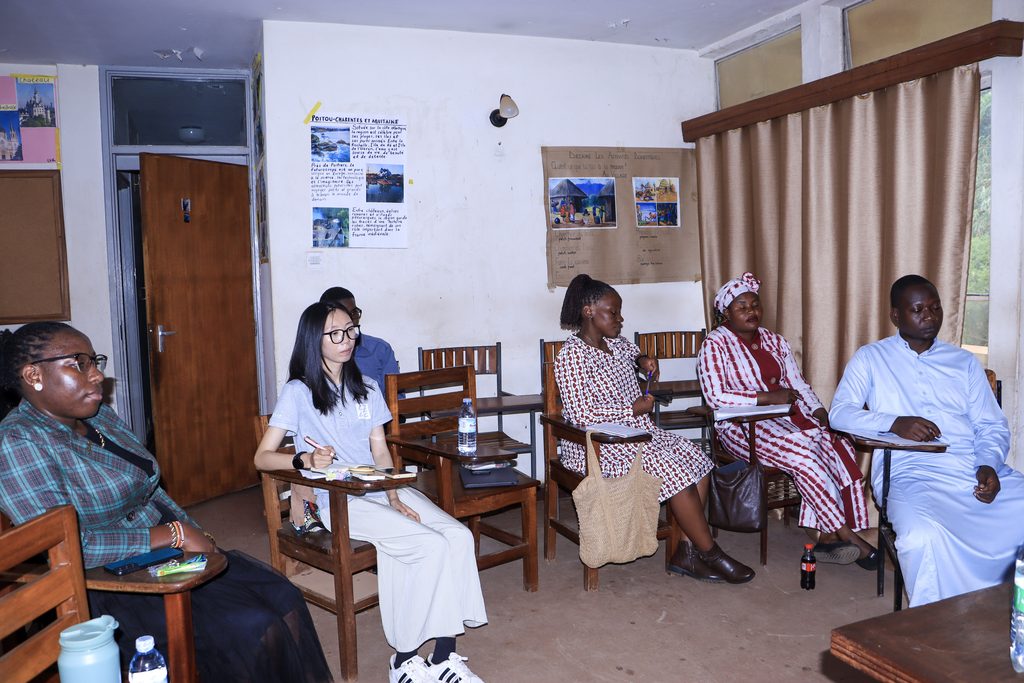
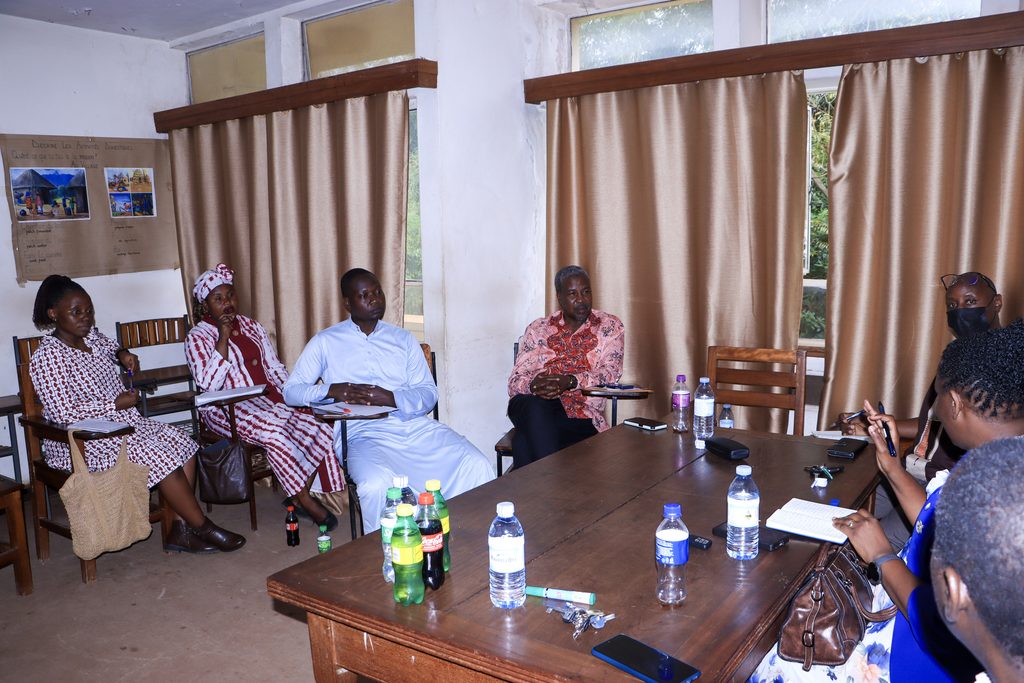
Prof. Nkabala made the commitment during a departmental interaction at UB3 Lincoln Flats, where staff raised concerns about limited staffing, space, programme delivery and the need to retain experienced academics.
“We look at you with a lot of hope and confidence,” Prof. Nkabala told staff, adding that the College would continue supporting research and publication activities. “It is the younger trees that make the forest.”
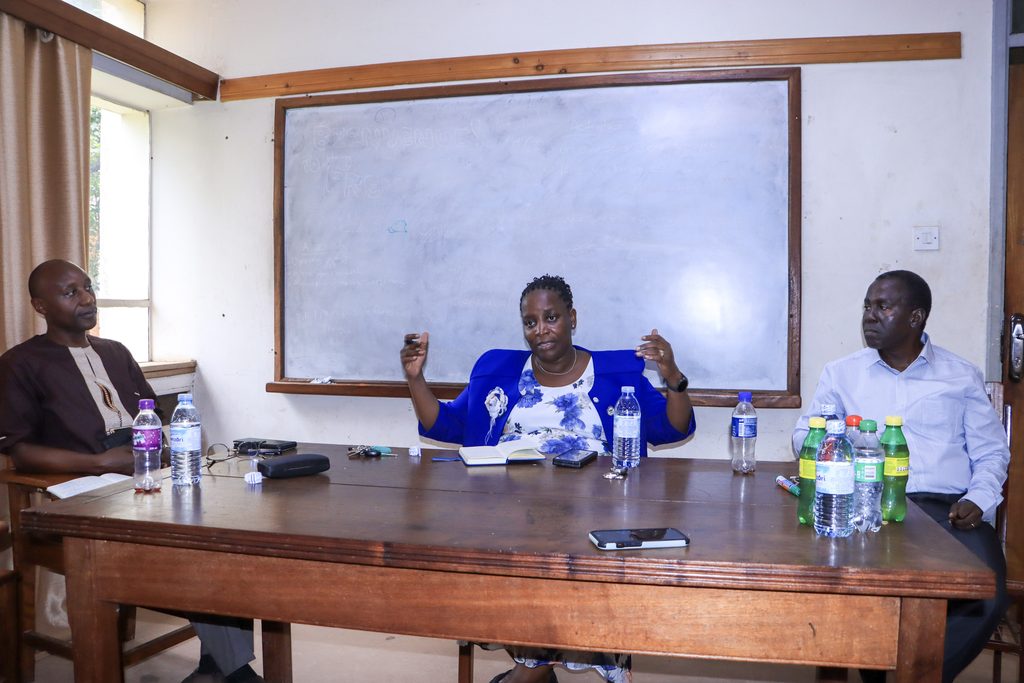
The Principal said the College would pursue the department’s staffing needs, including stop-gap measures, while encouraging the unit to strengthen school outreach. She said outreach would help secondary school students appreciate the relevance of humanities and social sciences.
She also urged the department to develop short courses and online programmes, particularly in languages, as part of efforts to widen access and generate income. The meeting further discussed translation work and the recognition of language-related professional services in staff promotion processes.
The Head of Department, Dr. Enoch Sebuyungo, reported that the department is handling examinable courses this semester, comprising graduate and undergraduate courses, with 13 academic staff across Arabic, Chinese, French, German and Spanish.
He highlighted staffing pressures, upcoming contracts, the need for teaching space and the importance of retaining and promoting qualified staff. The department has four staff with PhDs and four others pursuing doctoral studies.
Deputy Principal Prof. Eddy Joshua Walakira said the department’s work directly contributes to national development through investment, industrialisation, tourism, translation and knowledge sharing.
“You are very few, but doing a lot of work,” Prof. Walakira said. “We have a very strong argument to make that we contribute to national development.”
He encouraged the department to package its activities more clearly for management, partners and the public, including collaborations, outreach, research and language-training programmes. He also proposed developing the idea of a language laboratory and testing centre into a research proposal that could attract support through the University’s Research and Innovation Fund and external partners.
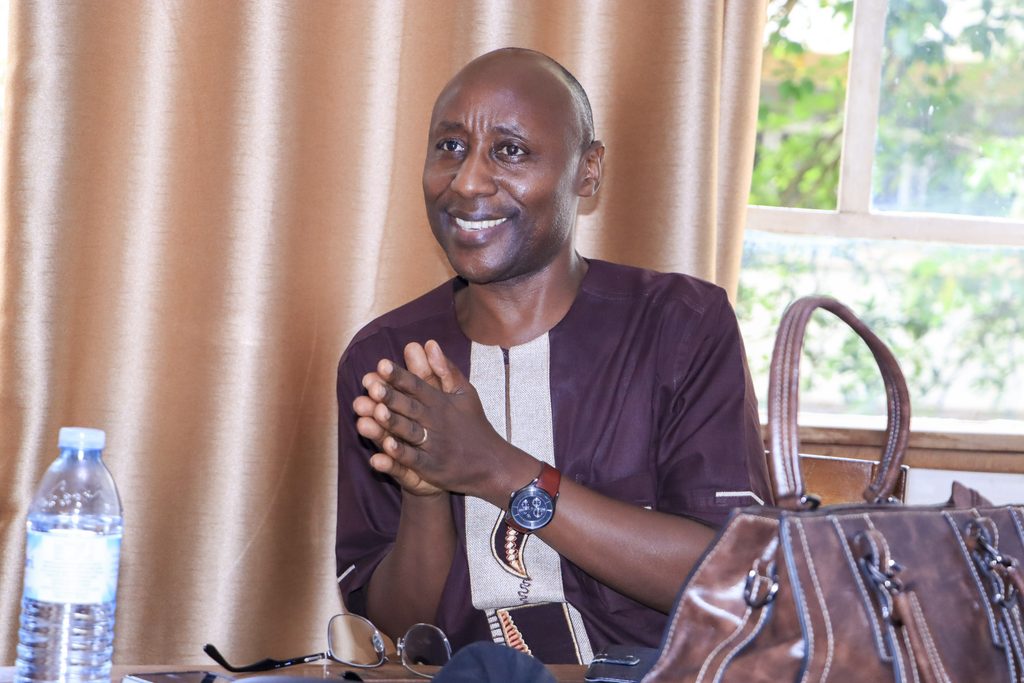
Arabic CLINT Coordinator Dr. Ebraheem Ssali said the department is advancing short courses, media visibility and international partnerships. He noted that the department had signed a memorandum of understanding with a university in the United Arab Emirates and was exploring support for a language-training facility.
The meeting also addressed the University’s shift towards competence based education and training, with staff encouraged to review programmes around practical language skills such as writing, listening, comprehension and translation.
By Ainematsiko Allan
Photos by Onesmus Atuhaire, 4th year Journalism and Communication student
Attached to the School of Languages, Literature and Communication