By Atuhaire Onesmus
Veteran Luganda journalists deployed coded folklore, proverbs, and theatrical satire to warn the public of impending political betrayal in the chaotic months following the 1979 fall of Idi Amin, new research presented at Makerere University has revealed.
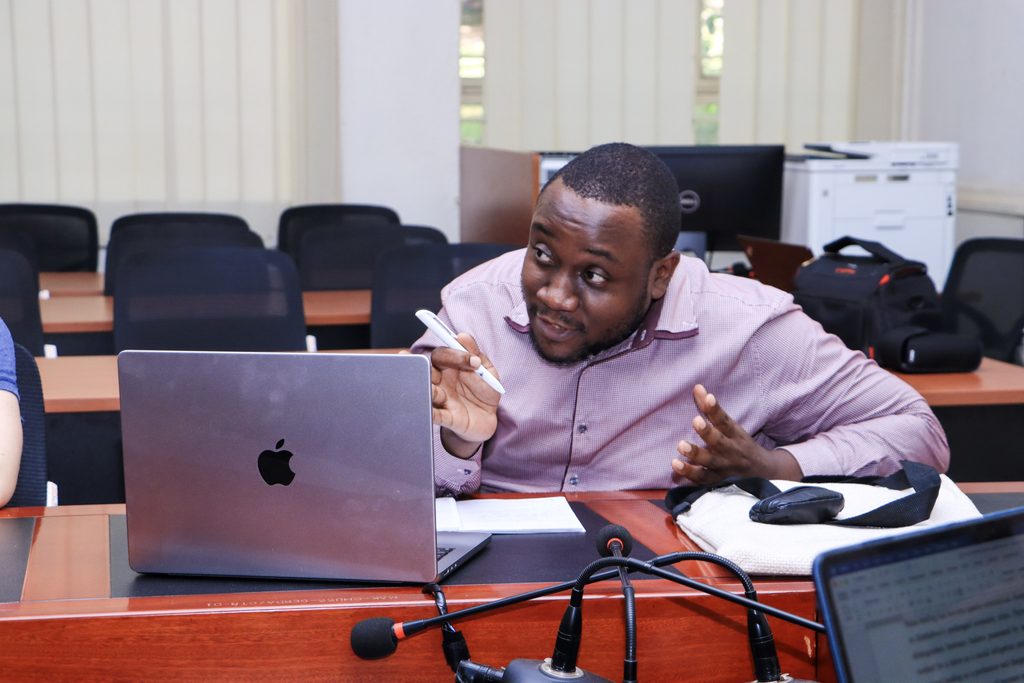
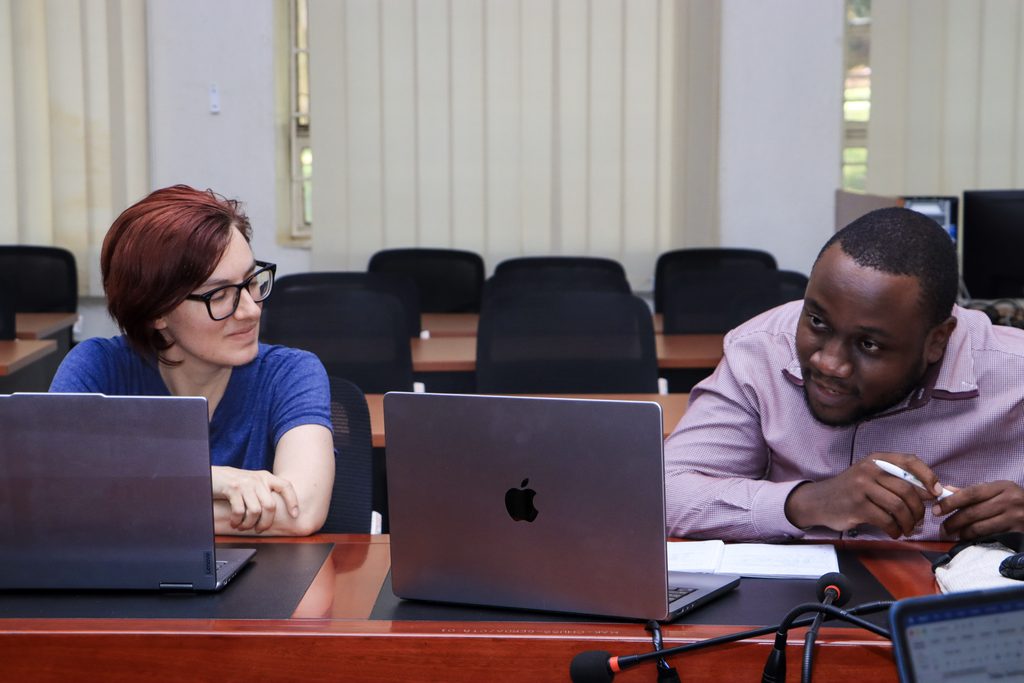
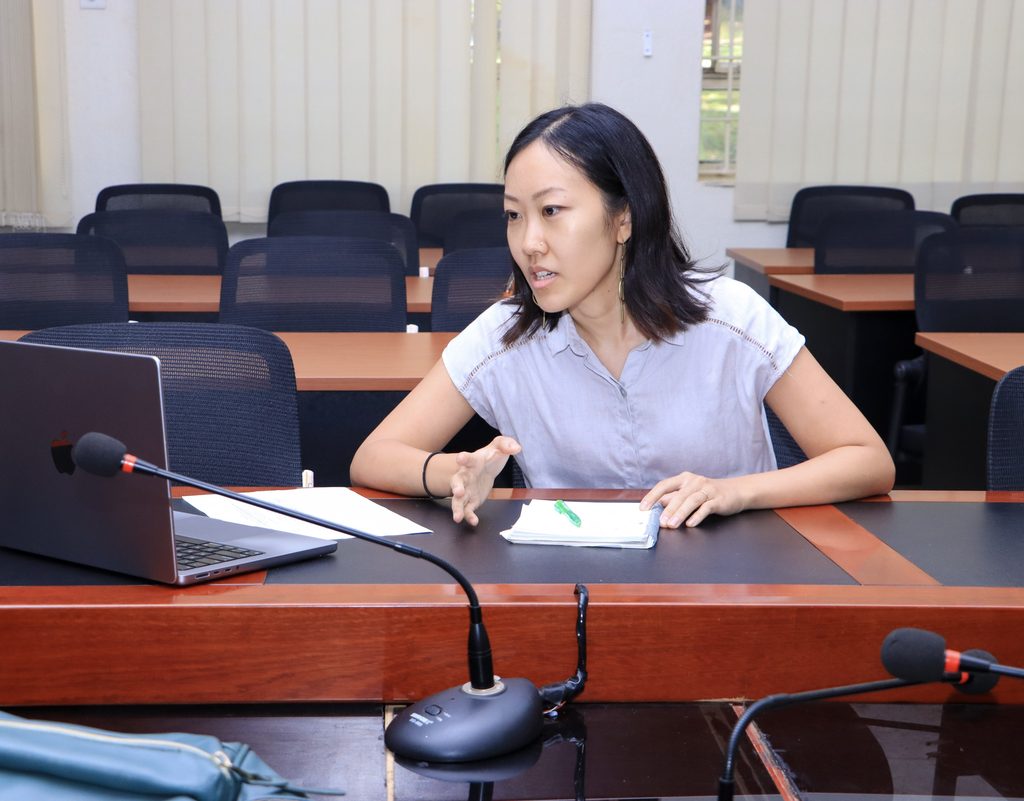
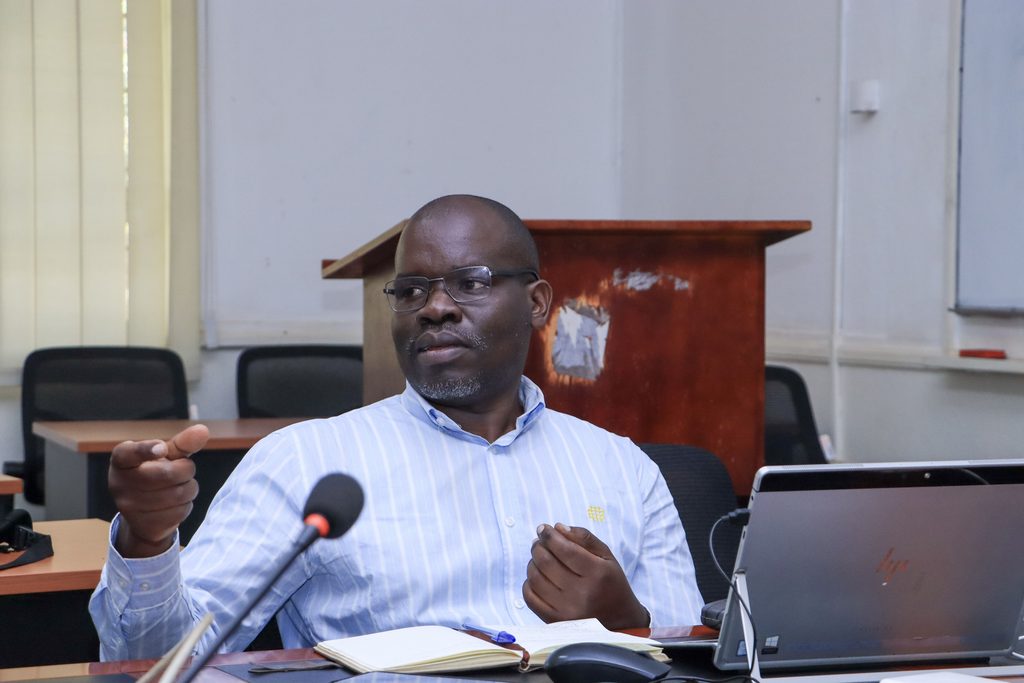
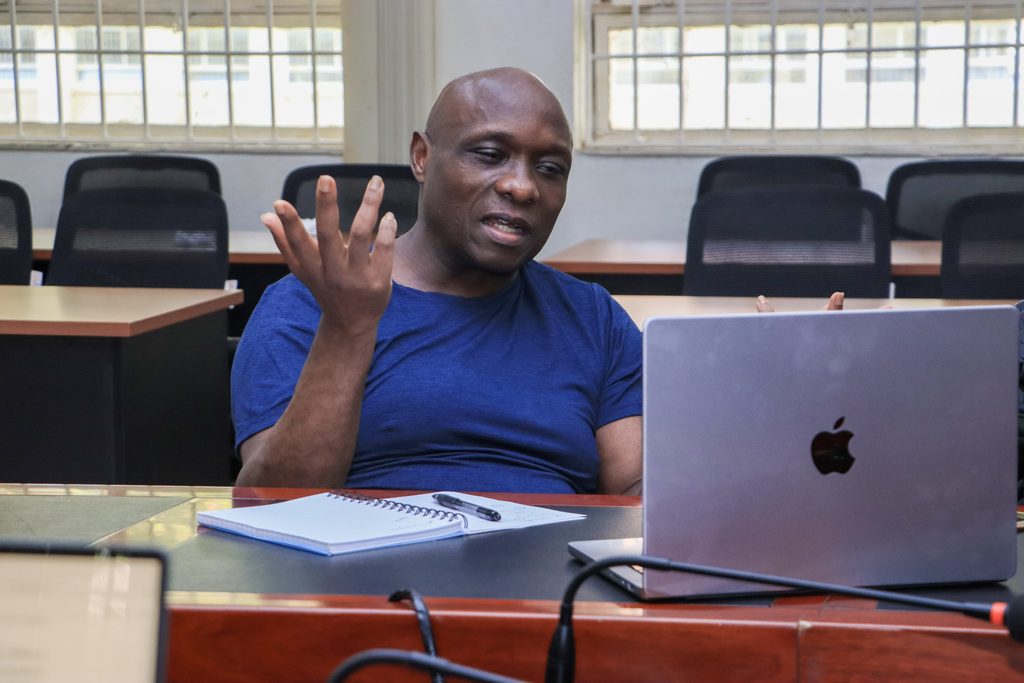
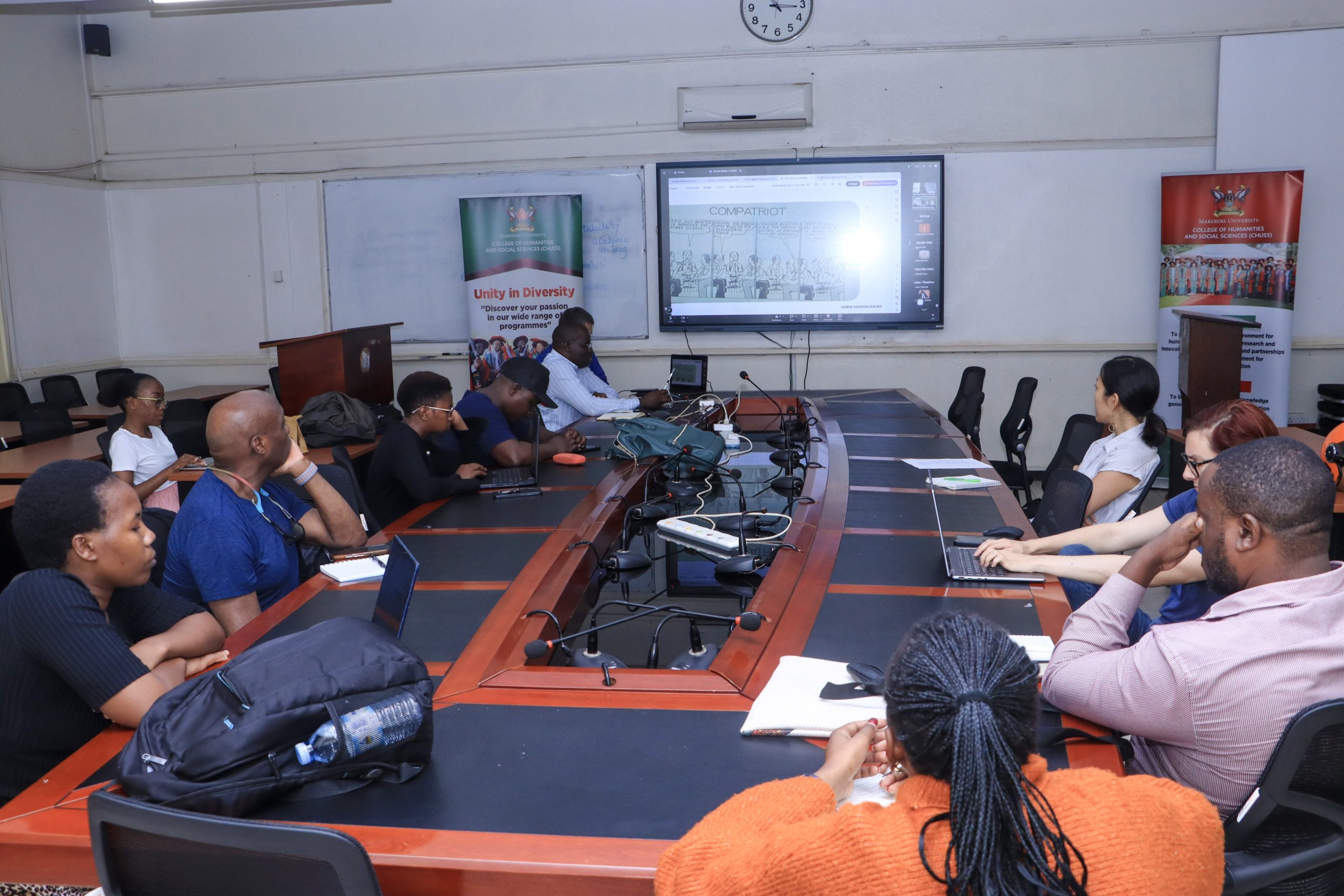
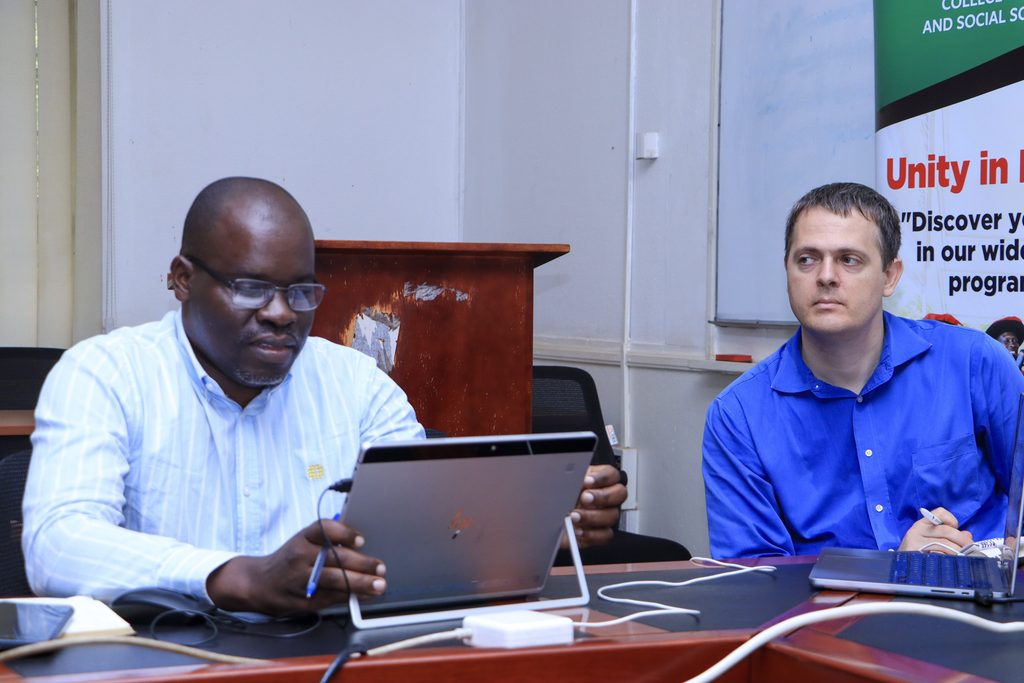
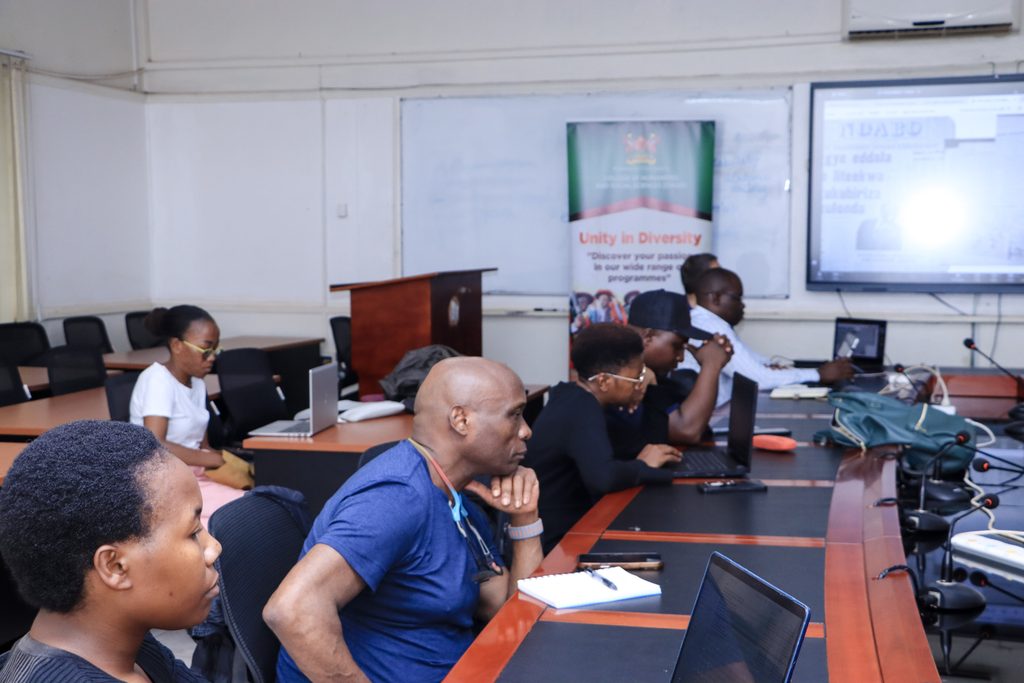
Speaking during a hybrid seminar hosted by the Department of History and Archaeology on Wednesday at the school of journalism smart room, scholars Florence Brisset-Foucault of the University of Paris and Mr. Robinson Kisaka unpacked how journalist and cultural leader Omutaka Grace Ssemakula Musoke used his defunct newspaper, Ngabo (The Shield), to resist state censorship and mobilize readers against the return of former president Milton Obote.
In their paper, The Politics of Revealing the Truth in Uganda: Buganda Patriots’ Writing of History, 1979–1980, the researchers noted that Ssemakula rejected linear academic storytelling in favour of a cyclical view of history meant to awaken citizens.
“History as done by Ssemakula is not that much about heritage, remembrance, or commemoration; it is about explanation, and thus the edification of the masses,” Ms. Brisset-Foucault said. “Doing history has a profound explanatory function that aims at being emancipatory for Buganda, to enable the advent of an alternative future.”
Through Ngabo which later inspired his mid-1990s book, Amazina ga Nakkuwale (The Dance of Nakkuwale), Ssemakula invented two recurring characters: a seductive, erratic dancer named Nakkuwale and her manipulative partner, Ssekwale.
The identities of the characters shifted depending on the political threat of the week. In February 1980, Nakkuwale symbolized Obote coded as “Doctor” whose rule ended in the 1966 Mengo palace crisis and a 1971 military coup. By April 1980, as Internal Affairs Minister Paulo Muwanga paved the way for Obote’s return, Ssemakula cast Muwanga as Nakkuwale and Obote as Ssekwale.
Quoting Ssemakula’s warning to readers not to be fooled by the politicians’ public charm, Mr. Kisaka read: “When you see Nakkuwale’s bra that’s Muwanga don’t come near her. Don’t be deceived thinking that what she has kept in that bra is her big breast. That is where she has kept her bullets.”
Mr. Kisaka explained that Ssemakula’s training at Aggrey Memorial School a hub for African cultural nationalism and drama and the tradition of coded speech akin to Radio Katwe helped the 25 to 30 journalists at Ngabo evade arrest under the Uganda National Liberation Front (UNLF) government.
“It is in the DNA of the Baganda’s culture and norms ever to sugarcoat some of the words which they are going to present to the audience,” Mr. Kisaka said, adding that readers had to decrypt hidden meanings behind everyday proverbs.
Reviewing the paper from Mbarara, literary and folklore scholar Dr Isaac Tibasiima observed that satirical journalism provided vital emotional relief during a period of deep political instability.
“Despite this turbulence, interestingly Ugandans still found time to laugh about their experiences,” Dr Tibasiima said. “The media and the lighthearted way of thinking about experiences have a cathartic effect on Ugandans, who, despite their pain, still found ways to survive.”
Ms. Brisset-Foucault added that although Ngabo’s campaign failed to stop Obote’s return to power in 1980, the figure of Nakkuwale continues to resurface in Ugandan political commentary whenever citizens feel misled by their leaders.