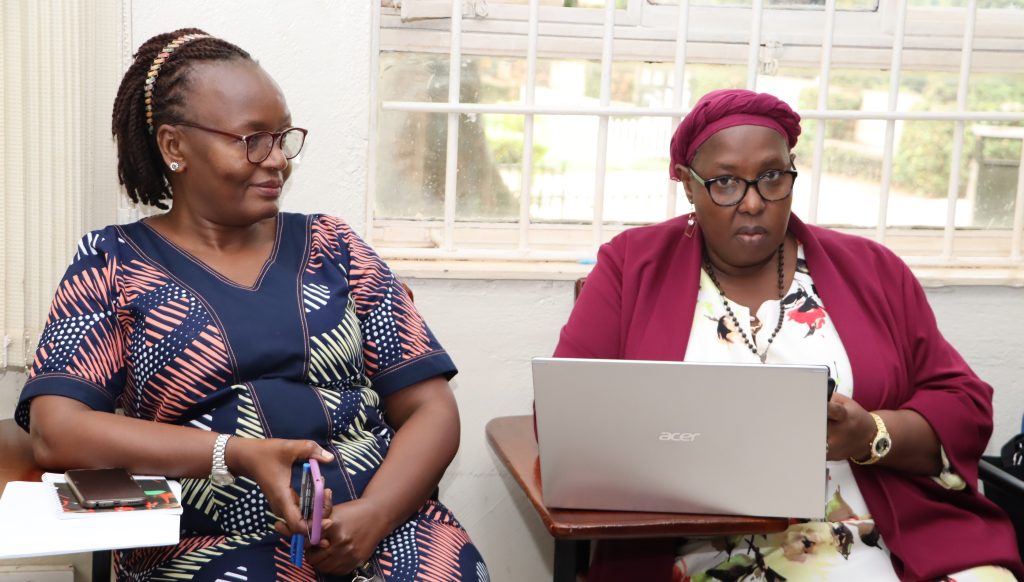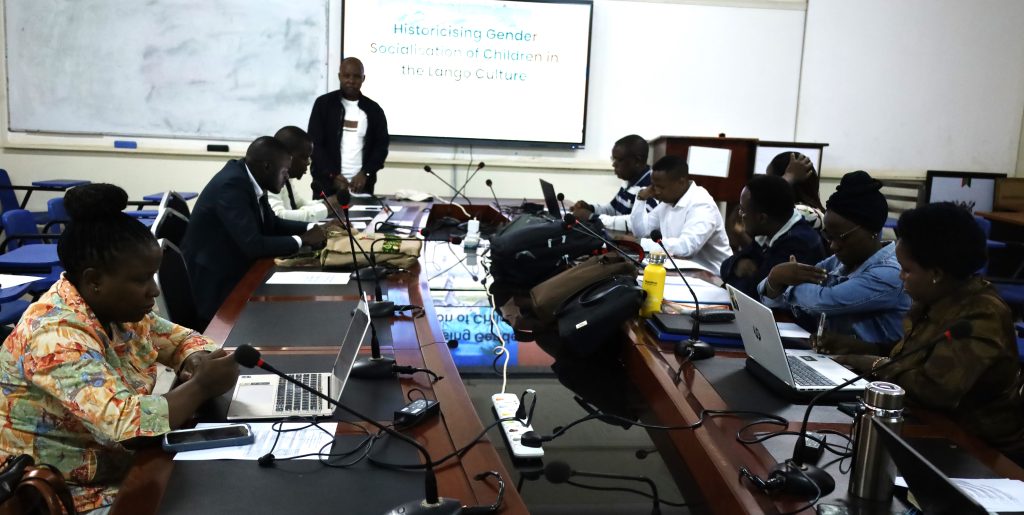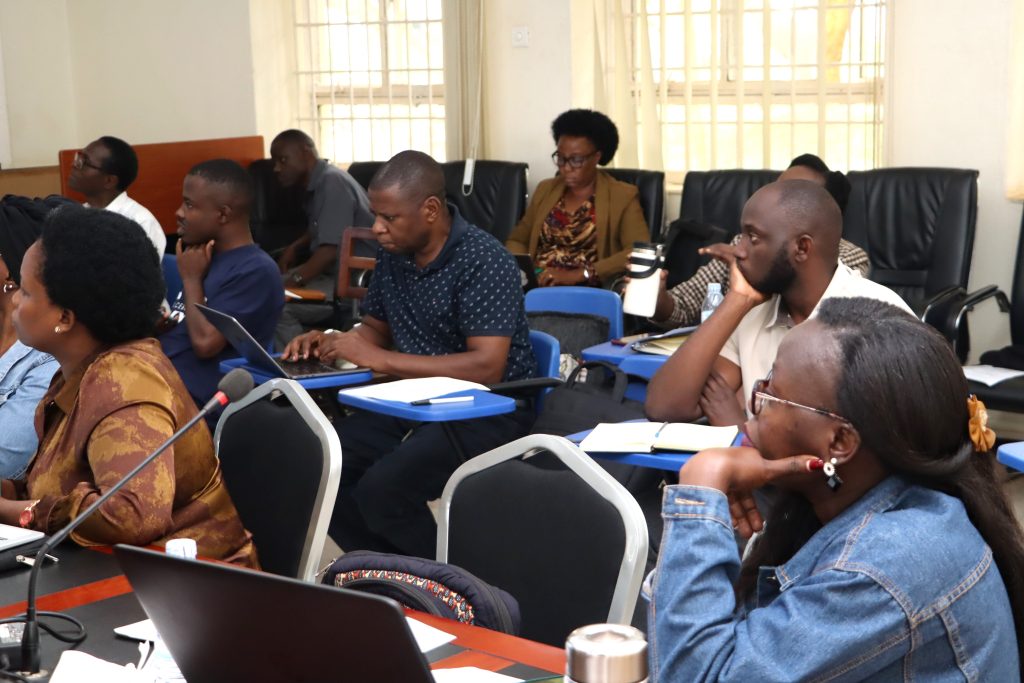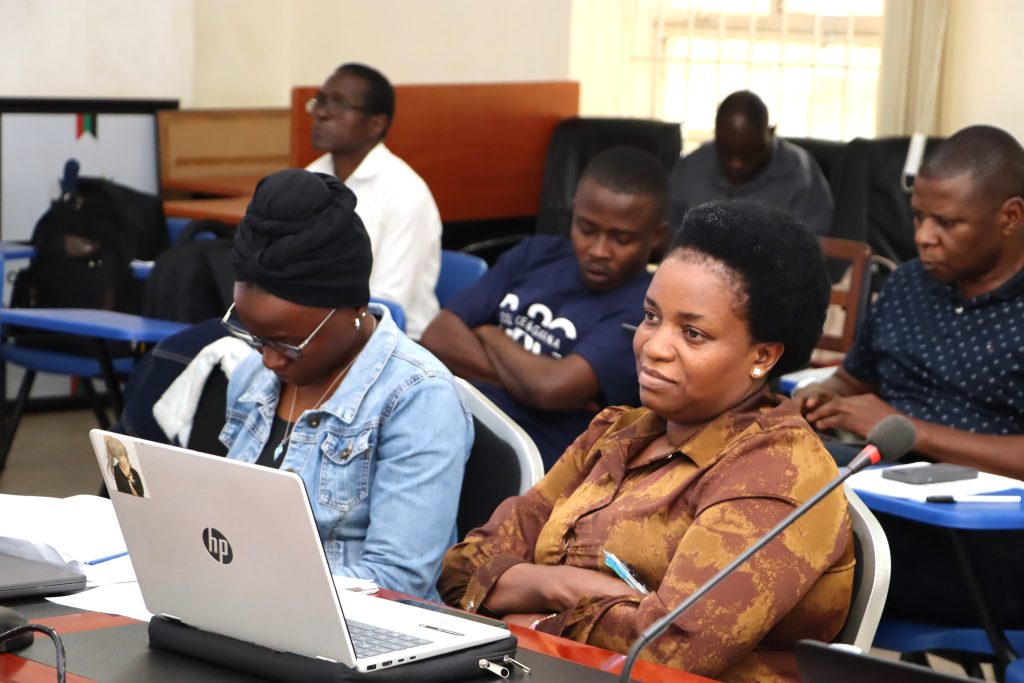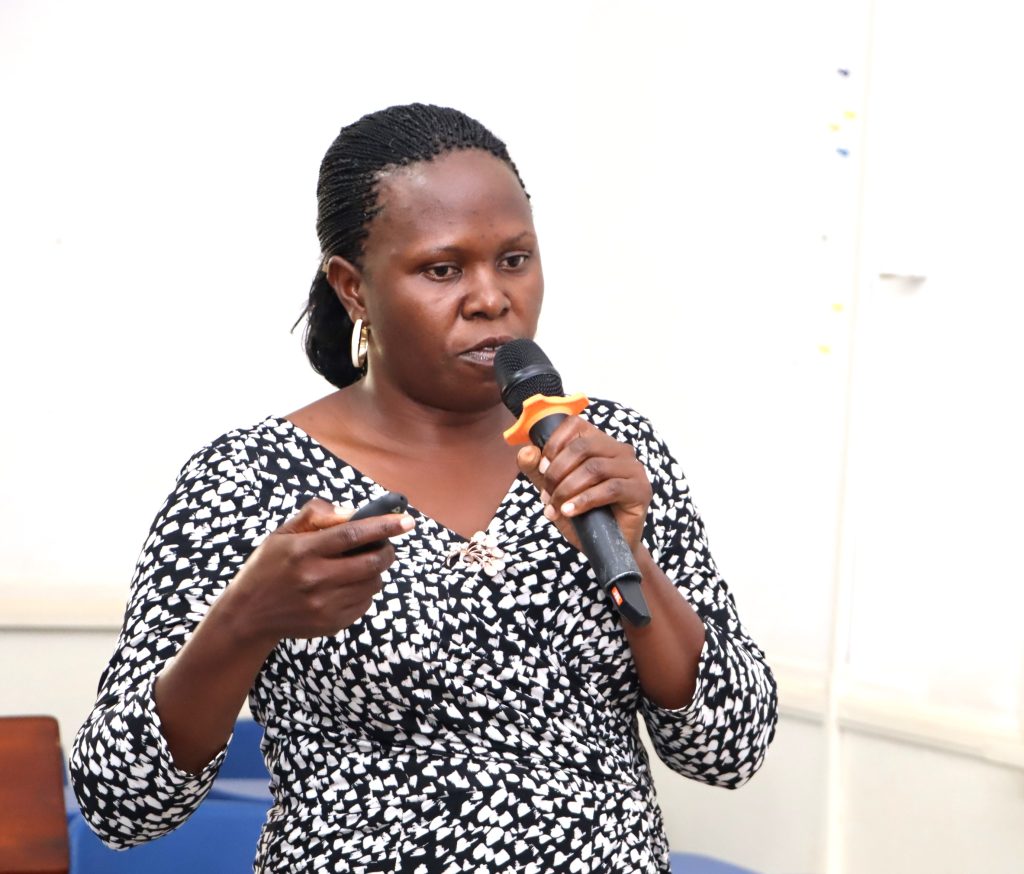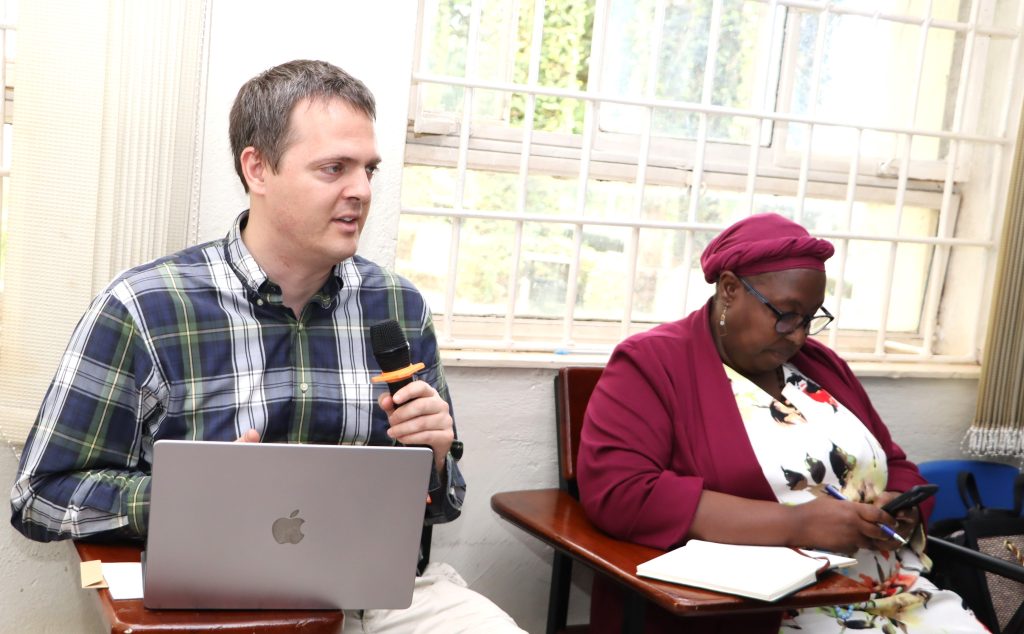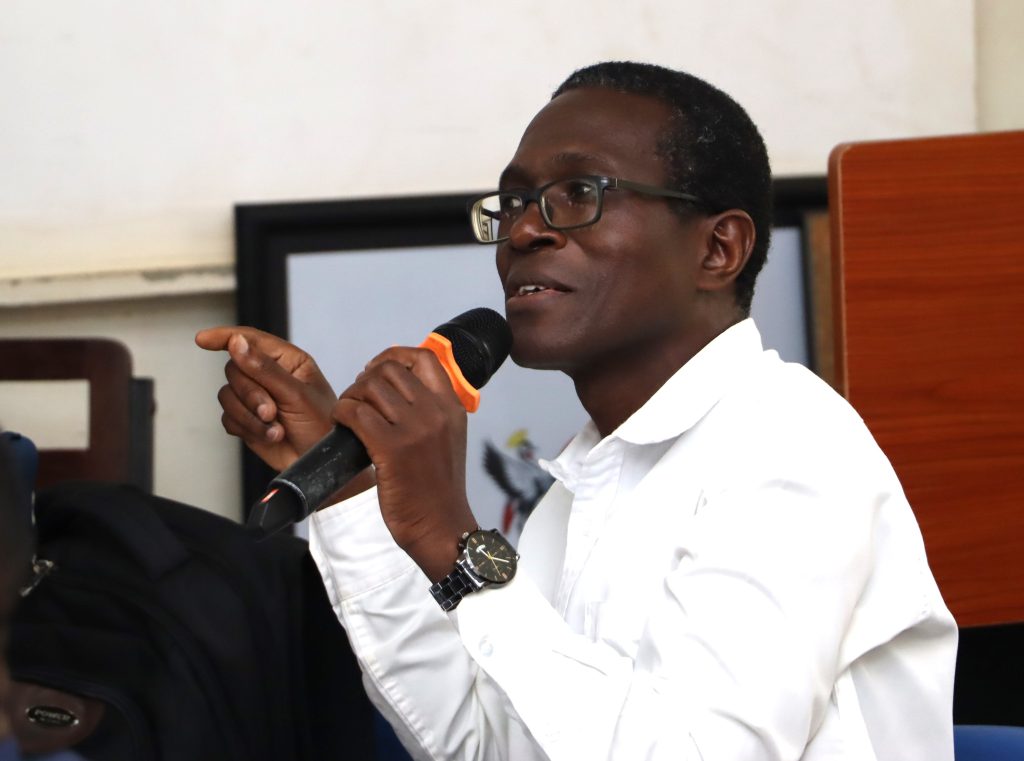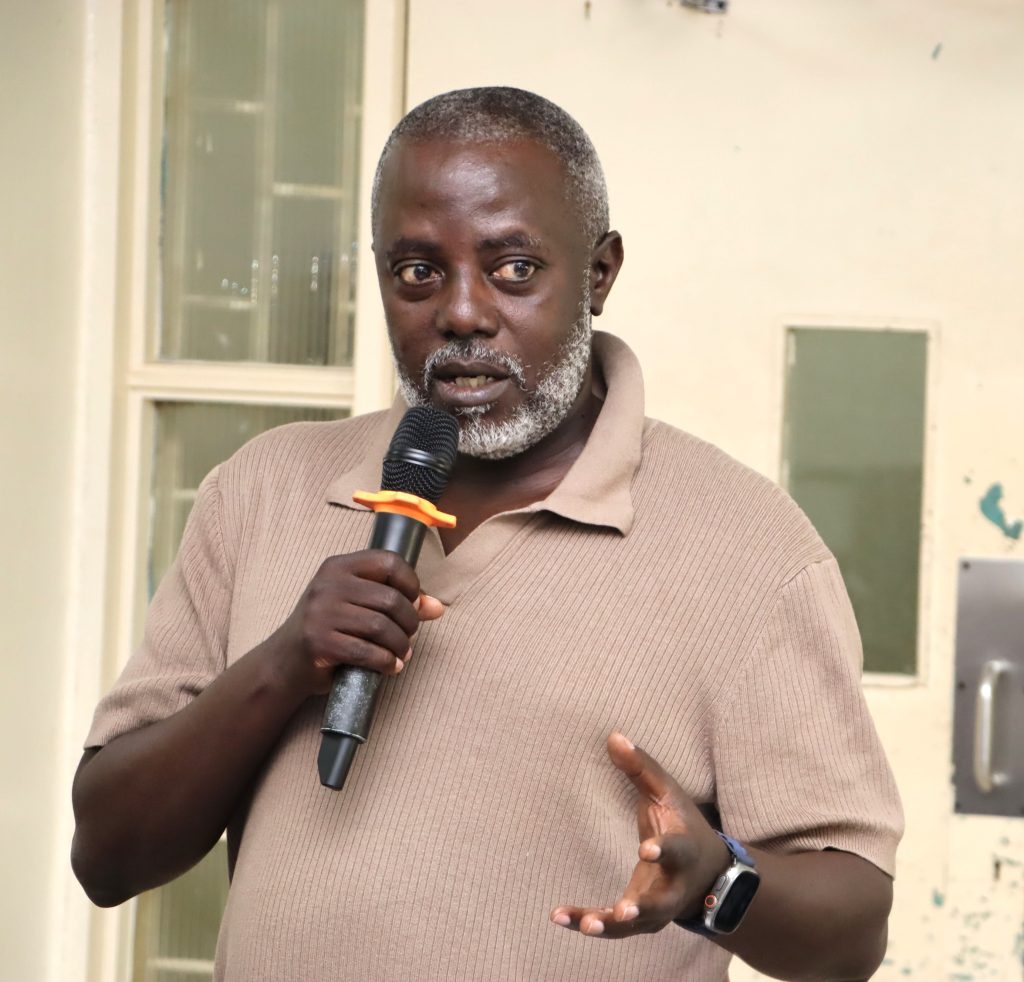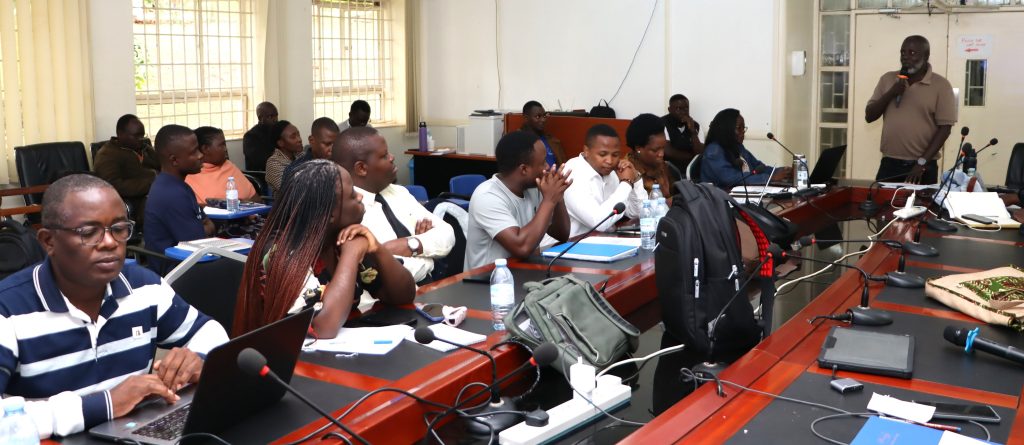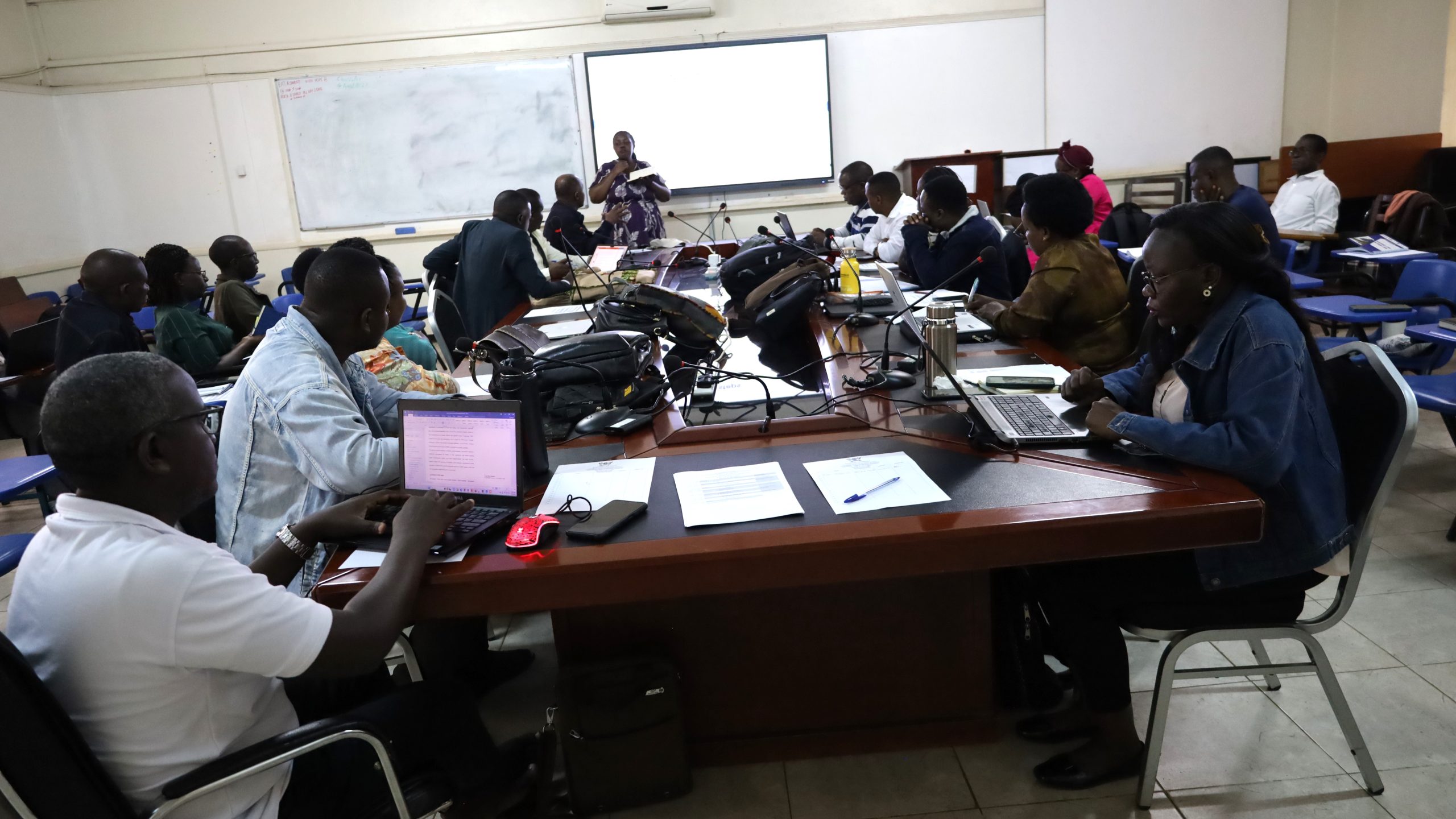
Kampala, March 21, 2026 — Principals, deans, directors, heads of departments, graduate coordinators and supervisors from the College of Humanities and Social Sciences (CHUSS) convened at Makerere University on Saturday to assess the progress of the 2024 Gerda Henkel PhD cohort, with a strong emphasis on timely completion, quality research and effective thesis writing.
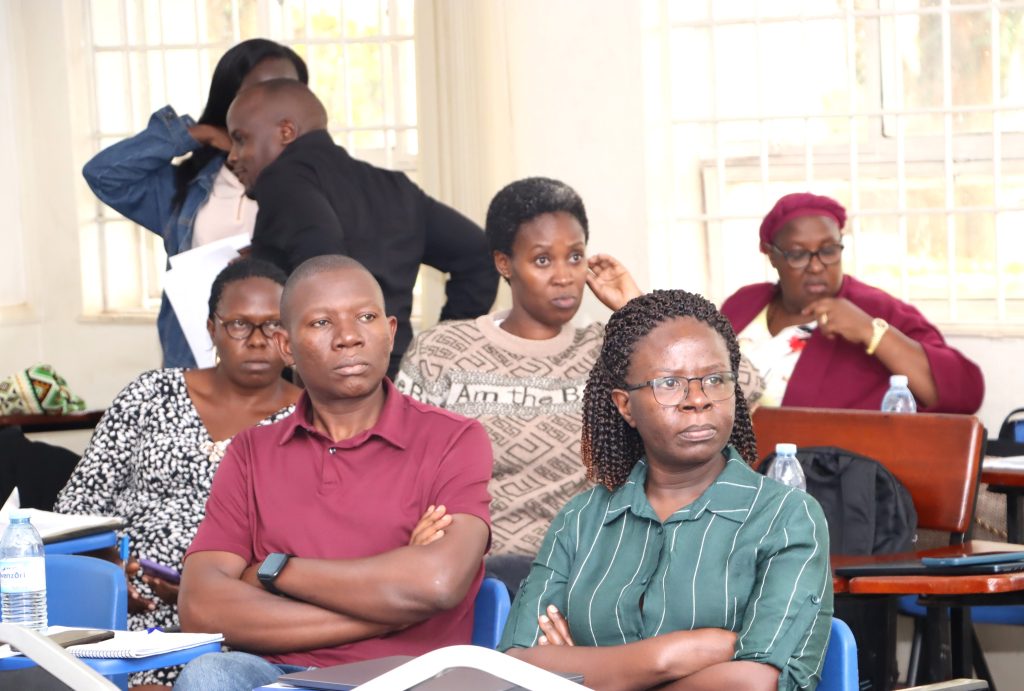
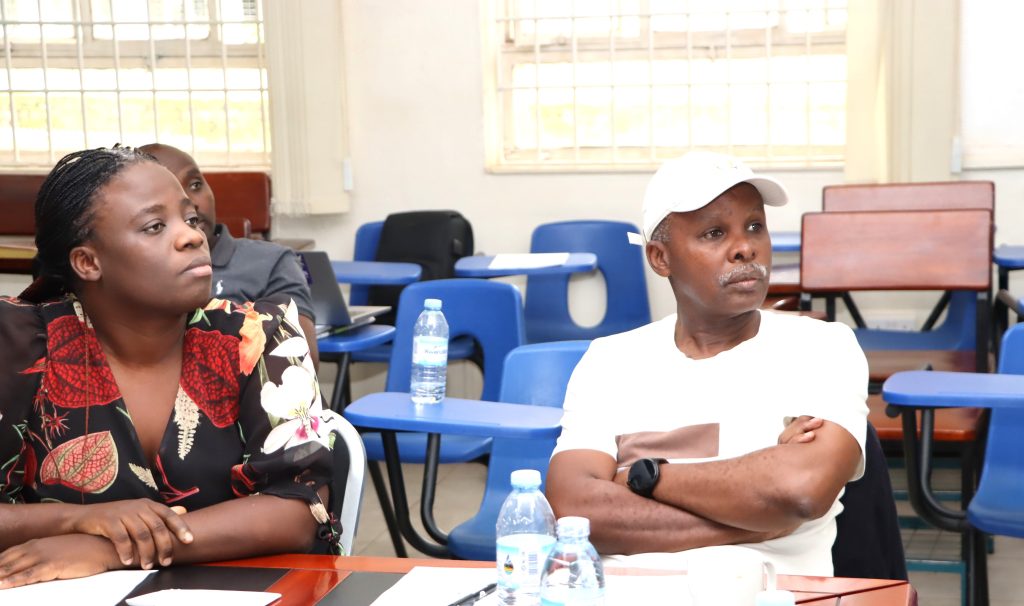
The blended workshop, held in the CHUSS Smart Room, brought together 12 doctoral students who presented findings from their fieldwork following a recent data collection phase. Their work, spanning diverse disciplines within the humanities and social sciences, was rigorously critiqued by peers and senior academics to ensure it meets the university’s required standards.
Stay Focused on Timelines and Academic Requirements– Dr. Levis Mugumya:
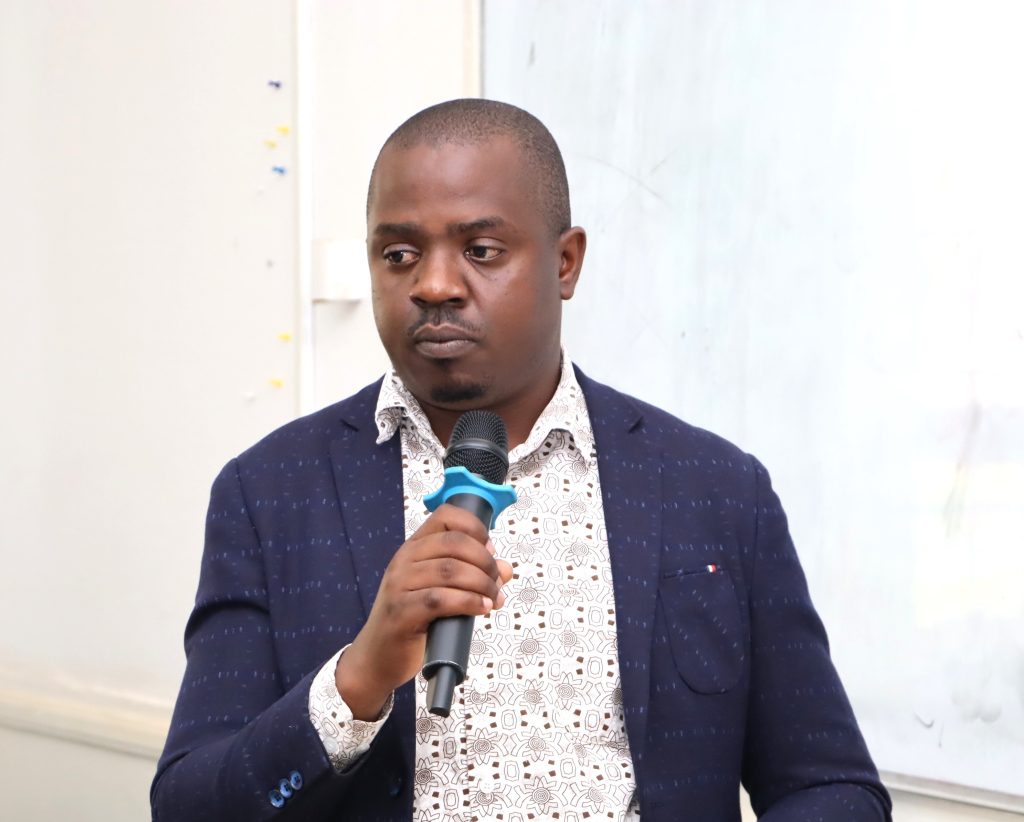
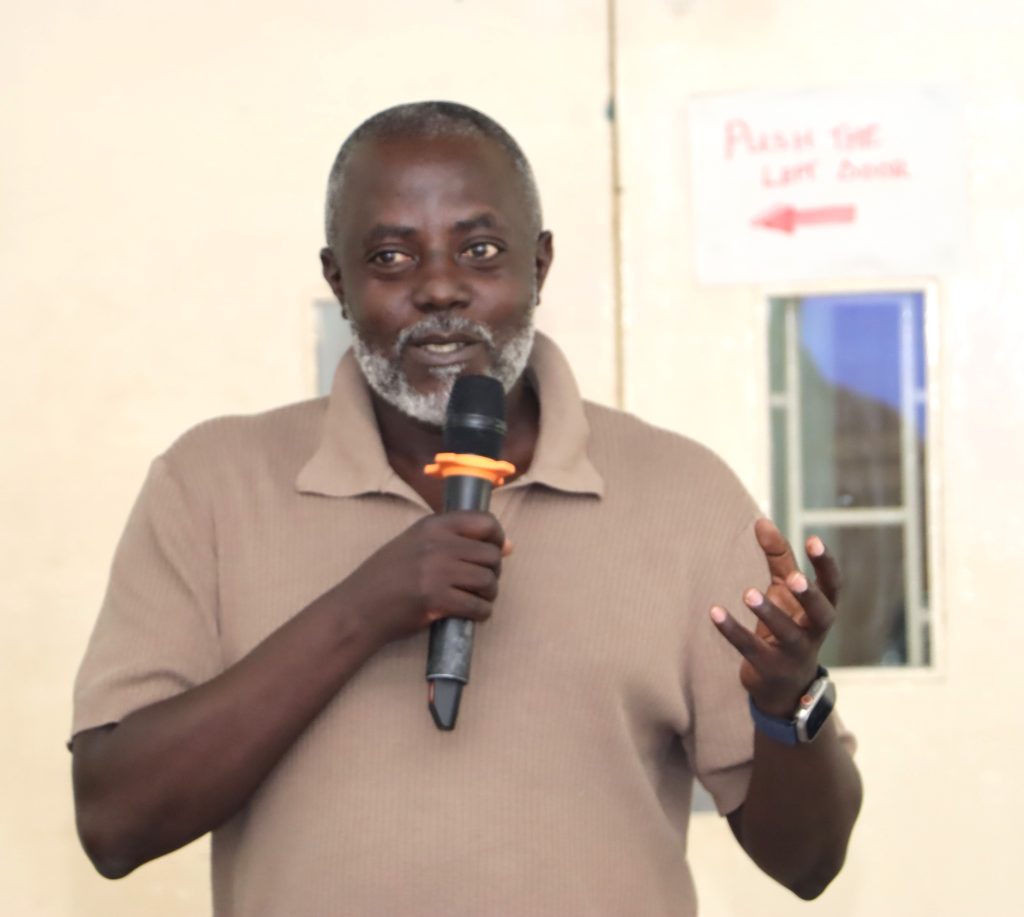
Opening the session, project coordinator Dr. Levis Mugumya urged the PhD candidates to maintain momentum and remain aligned with the university’s academic calendar.
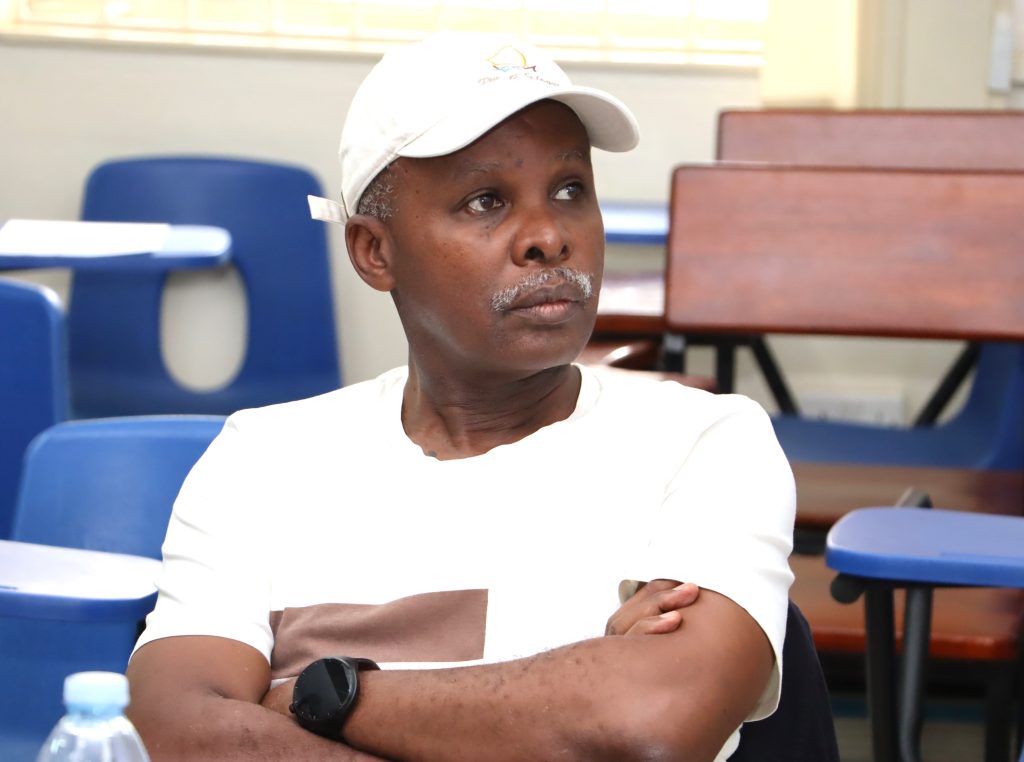
He cautioned students against complacency, noting that while progress had been made, the journey toward completion required discipline and constant self-assessment. “You have your almanac and you know where you are… keep looking at it so that you don’t fall out of step with what is expected,” he said.
Dr. Mugumya emphasized adherence to the 2024 Graduate Handbook, which outlines mandatory academic requirements. He reminded students to complete university-wide cross-cutting courses, warning that failure to do so could delay graduation. “You can’t graduate if you haven’t attended some of those courses,” he stressed.
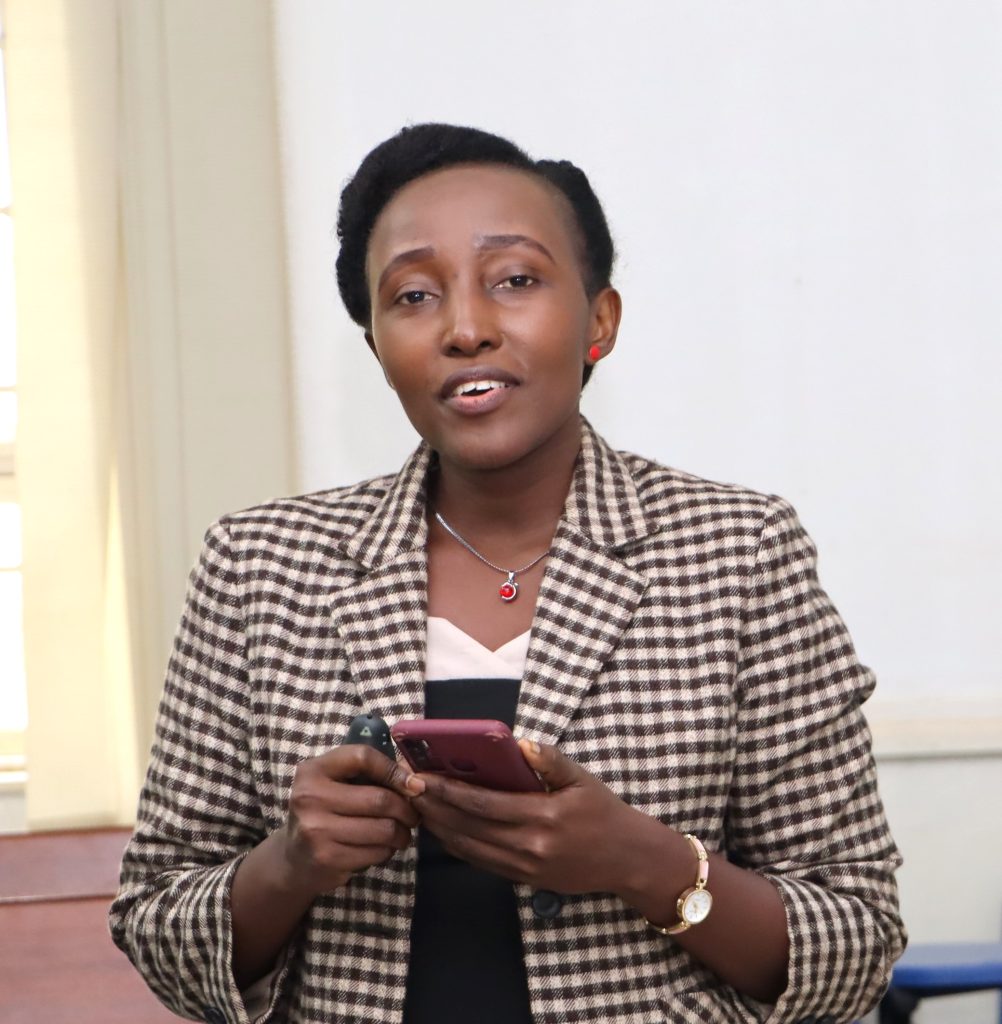
He also highlighted the critical role of academic publishing in doctoral training, encouraging students to begin drafting journal articles early despite the pressures of data analysis and thesis writing. According to him, publication is a prerequisite for progression. “If you don’t have at least one journal article and another accepted for publication, you may not even be allowed to sit for your viva,” he noted.
Dr. Mugumya pointed to several publication avenues, including Mawazo and the Makerere Journal of Languages, Literature and Communication, as well as international platforms such as Africa Focus. He urged students to consult supervisors for guidance on suitable journals and to take advantage of multidisciplinary opportunities.
He further underscored the value of such workshops in broadening academic perspectives, noting that feedback from scholars outside one’s specialization is essential for refining research. “Take advantage of the comments you get… and discuss them with your supervisors as you continue writing,” he advised.
Embrace Academic Citizenship and Refine Your Thesis – Assoc. Prof. Edgar Nabutanyi
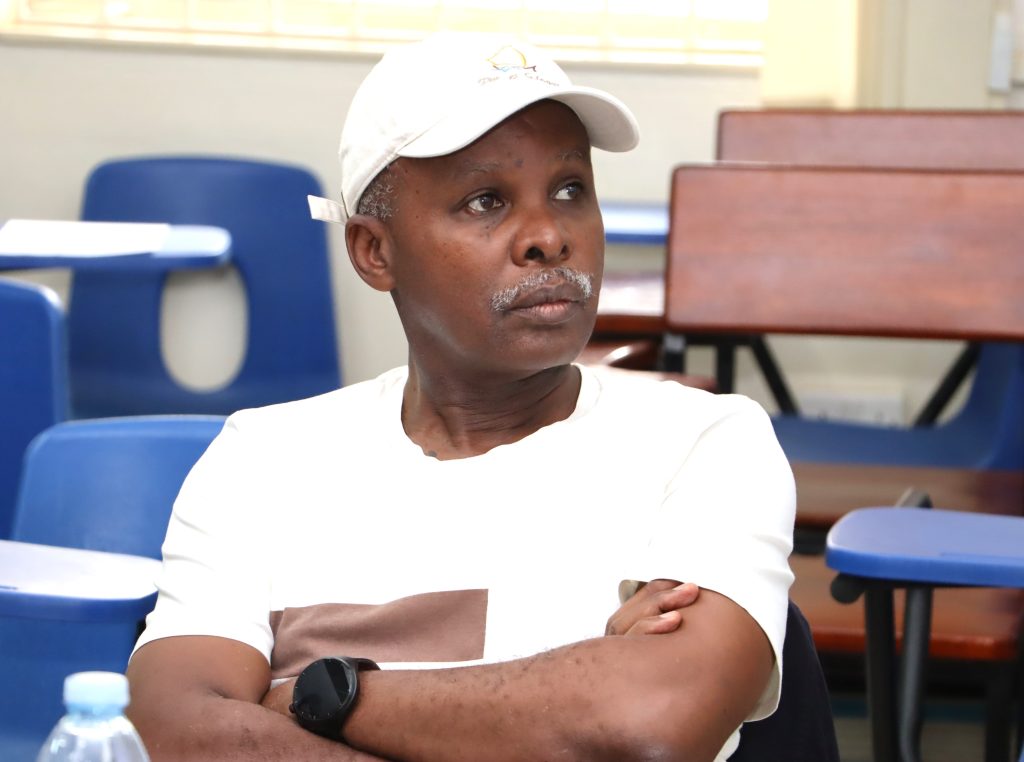
Delivering closing remarks, Associate Professor Edgar Nabutanyi commended moderators and supervisors for their role in guiding the cohort, describing their contributions as a reflection of academic citizenship.
He emphasized the importance of collaboration, peer review, and scholarly generosity in building a strong academic community. “You sacrifice your time and effort knowing someone did it for you and someone else will do it in the future,” he said.
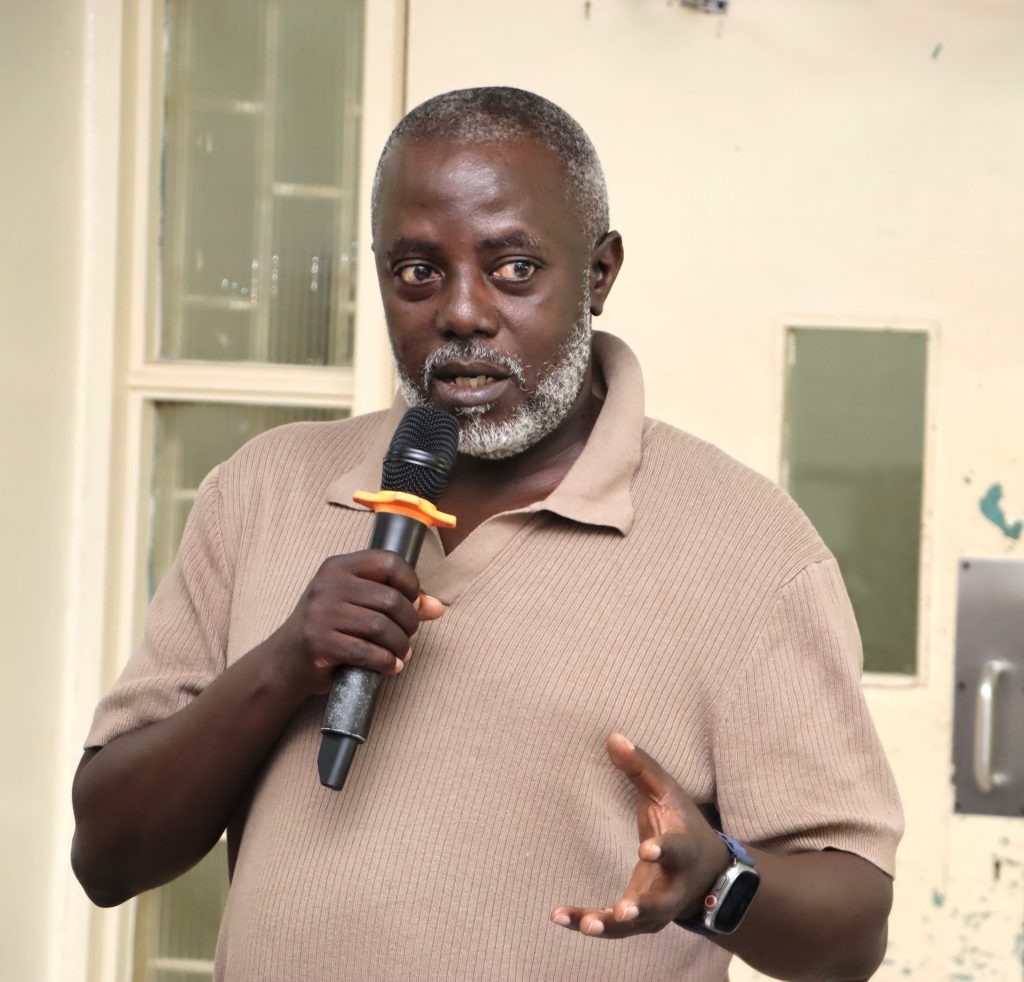
Assoc. Prof. Nabutanyi challenged students to engage more deeply with African scholarship, cautioning against over-reliance on Western sources. “It would be remiss to quote North American and European scholars when important work has been done locally,” he observed, urging candidates to draw on regional research on issues such as corruption, land dispossession, and geopolitics.
On thesis writing, he demystified the process, reminding students that perfection is unattainable. “You will never write a perfect thesis. It is always work in progress,” he said, encouraging continuous revision and critical reflection.
He advised students returning from the field to reassess their research questions and methodologies in light of emerging data. In particular, he highlighted the need to align research design whether longitudinal or cross-sectional with actual findings, and to refine objectives accordingly.
The professor also warned against “research paralysis,” a common challenge at both the proposal and data analysis stages. He noted that students often struggle to define their research focus or become overwhelmed by excessive data. “You will not collect all the data you want… and you cannot use all the data you have,” he cautioned, urging students to identify manageable and meaningful datasets.
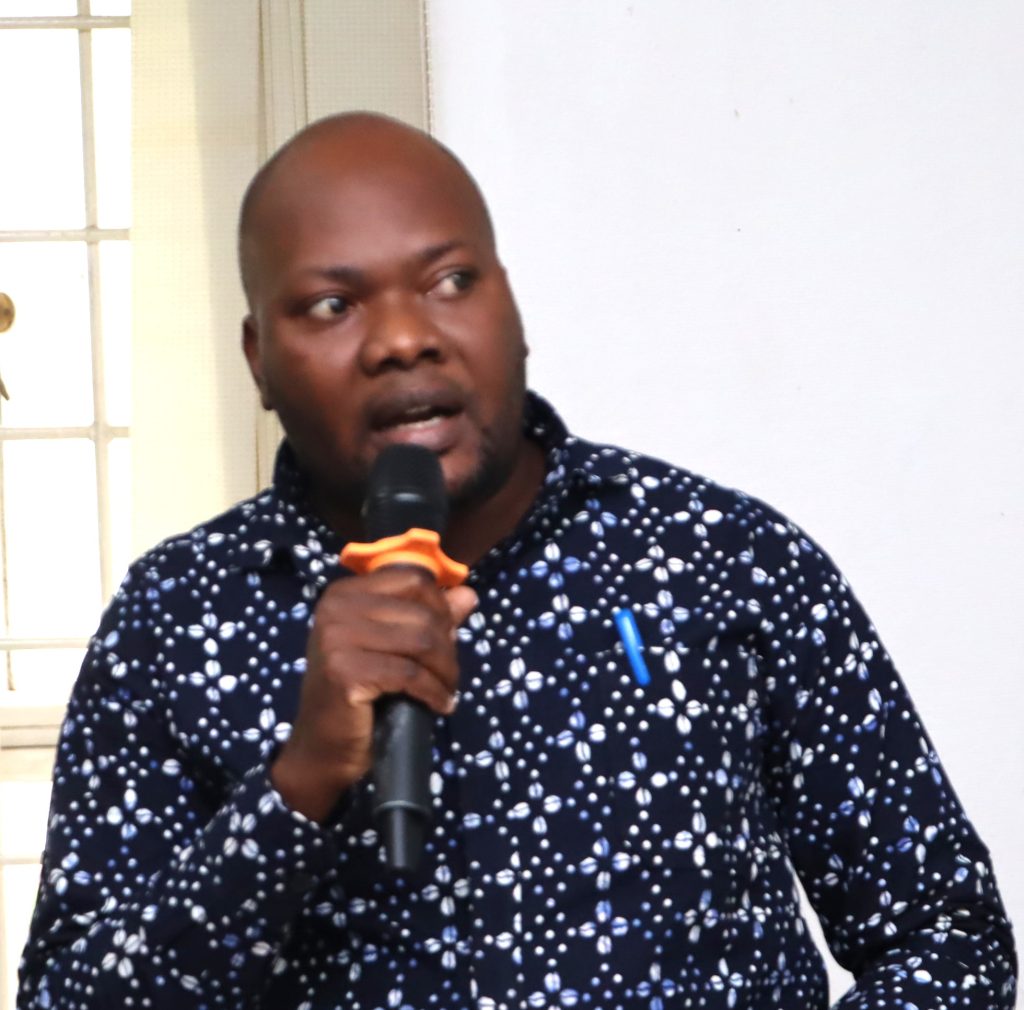
Emphasizing clarity in academic writing, he encouraged candidates to view their thesis as a narrative. “Think of it as telling a story… one that your reader can follow and understand,” he said, stressing the importance of language, structure, and coherence regardless of discipline.
Clear Timelines Set for Cohorts as Programme Expands
Assoc. Prof. Nabutanyi reiterated strict timelines for both cohorts, noting that the 2024 group is expected to complete their doctoral studies by July 2027, while the 2025 cohort must finalize proposal chapters by mid-2026.
He urged students to plan their time meticulously, aligning all activities including research, writing, and personal schedules with the final submission deadline.
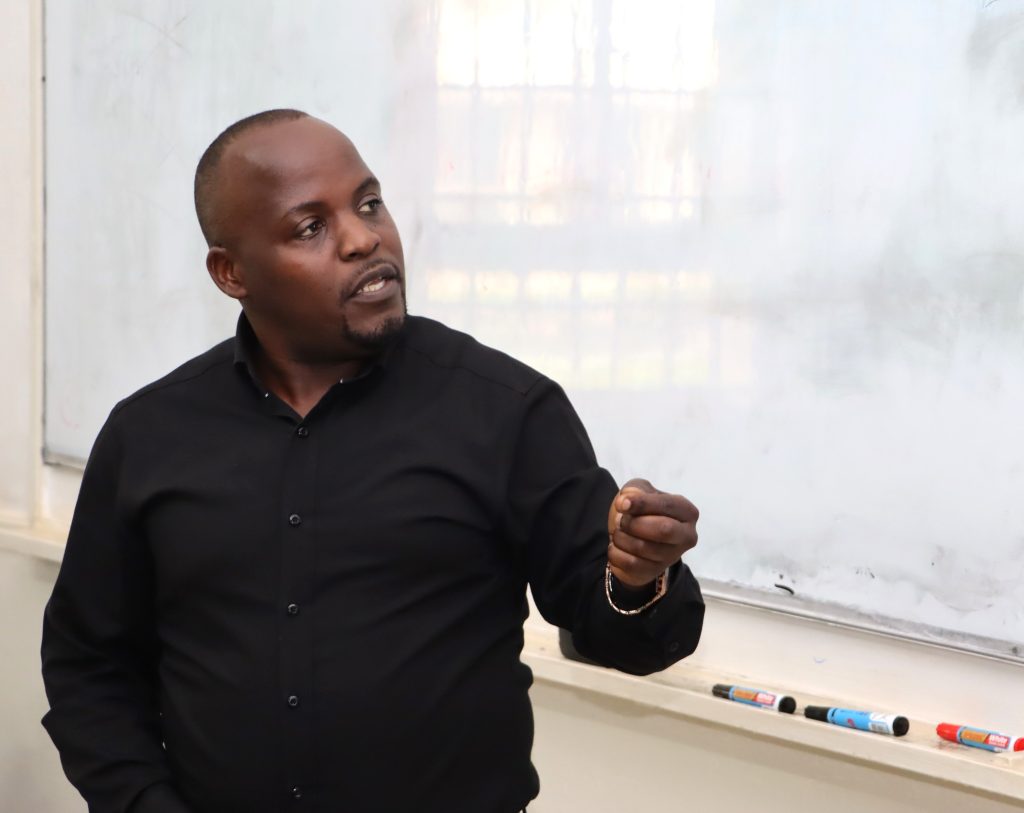
The workshop also highlighted the continued growth of the Gerda Henkel PhD programme, with plans underway to admit an additional 10 students in the 2026 academic year. As the academic community expands, participants were reminded of the increasing expectations for excellence, collaboration and mentorship.
The presentations formed a critical milestone in the doctoral journey, offering candidates an opportunity to test their findings before a broader academic audience. The feedback sessions, described as both rigorous and constructive are expected to significantly improve the quality of the final theses.
Supervisors and coordinators reaffirmed their commitment to supporting students through continuous mentorship, open consultations, and academic guidance.
As the workshop concluded, participants expressed optimism that the insights gained would sharpen their research and accelerate progress toward completion.