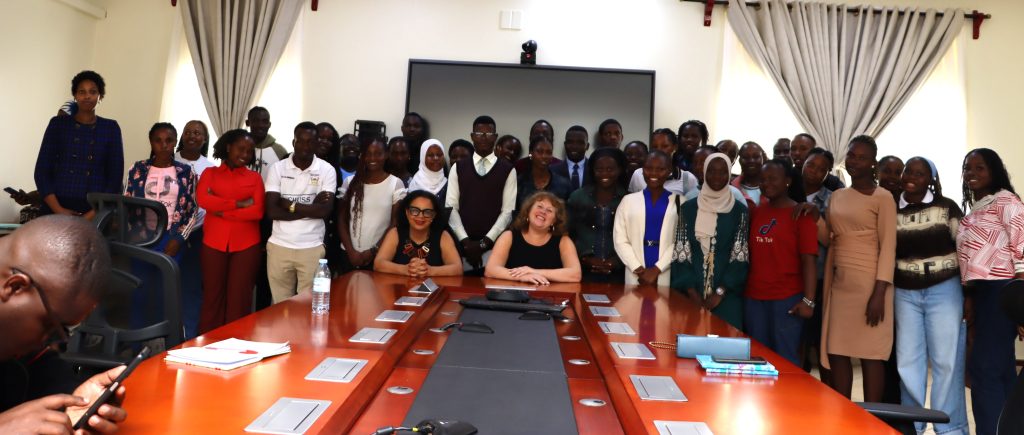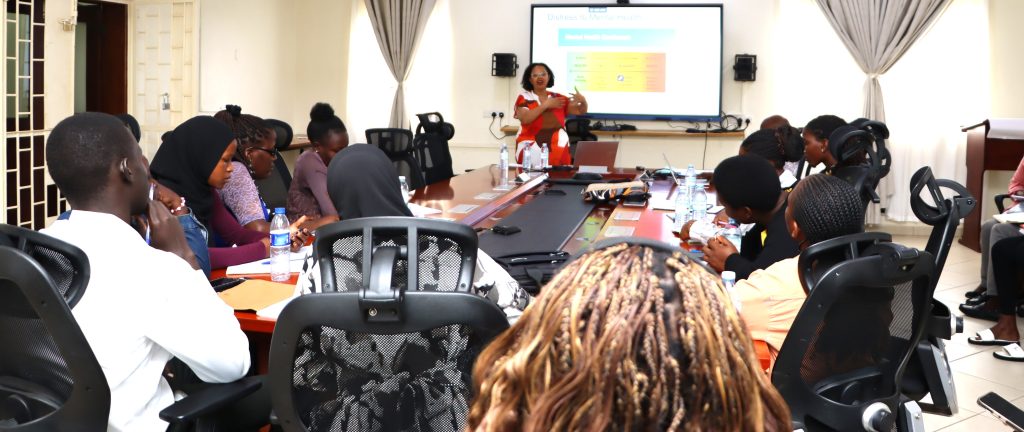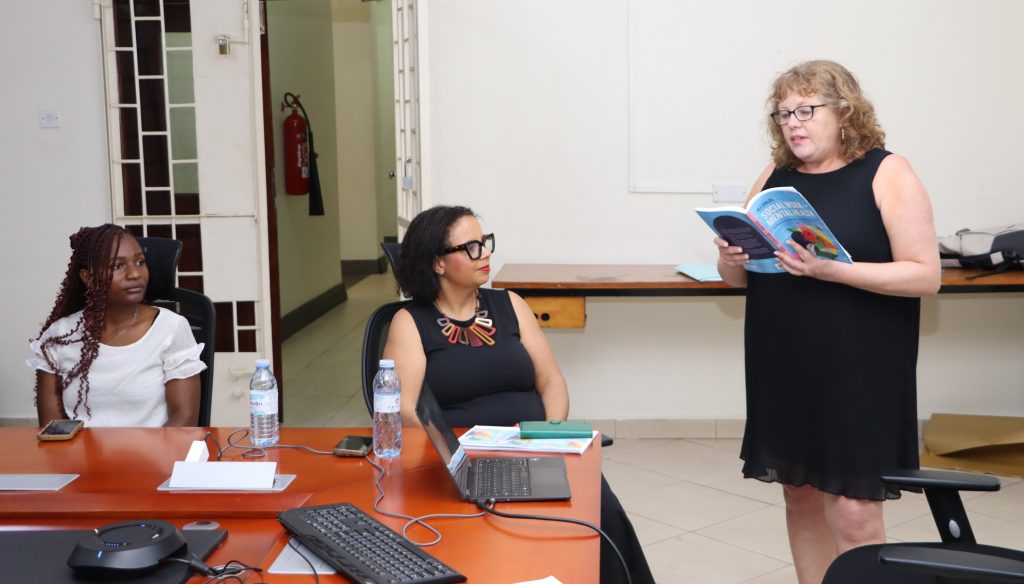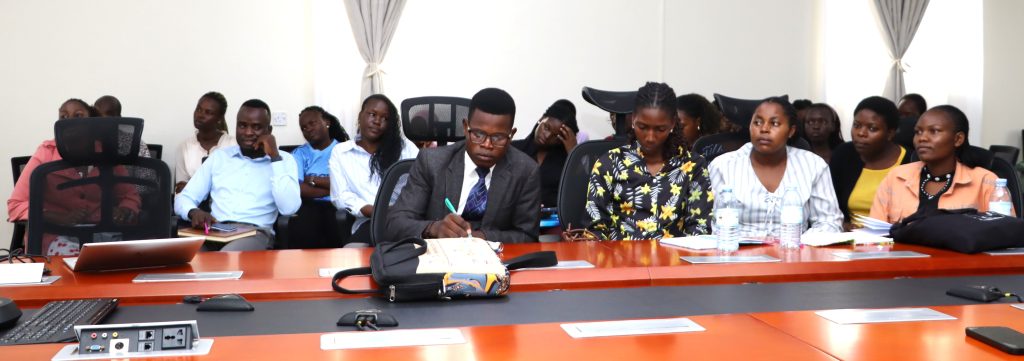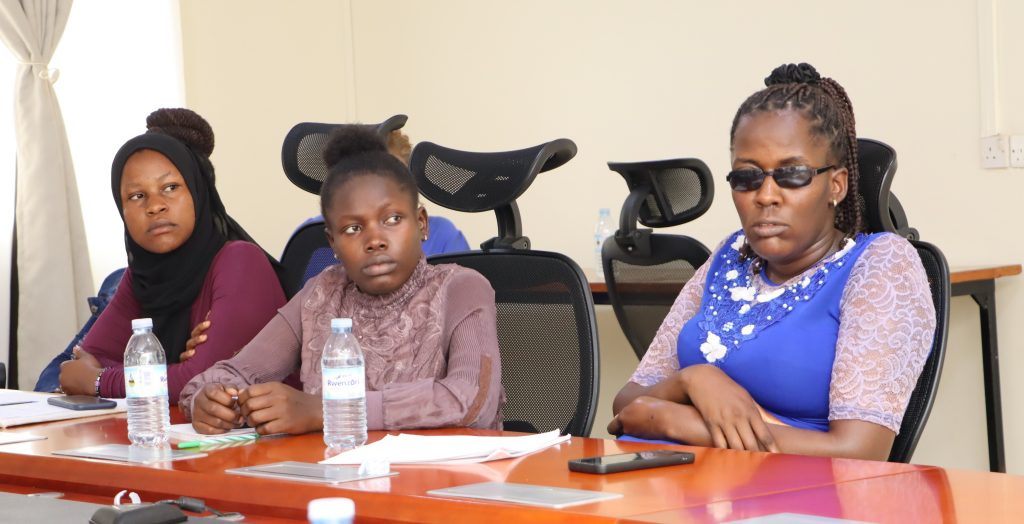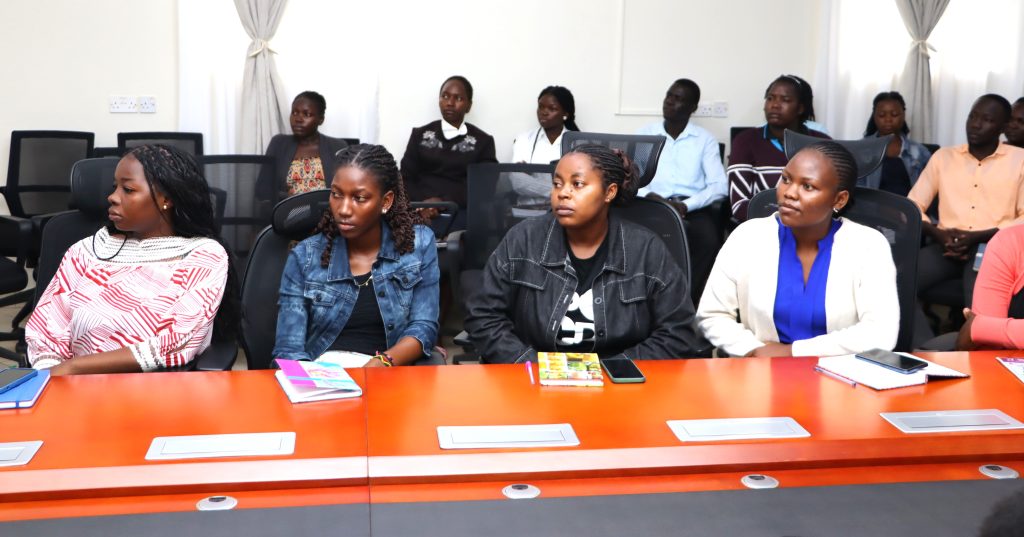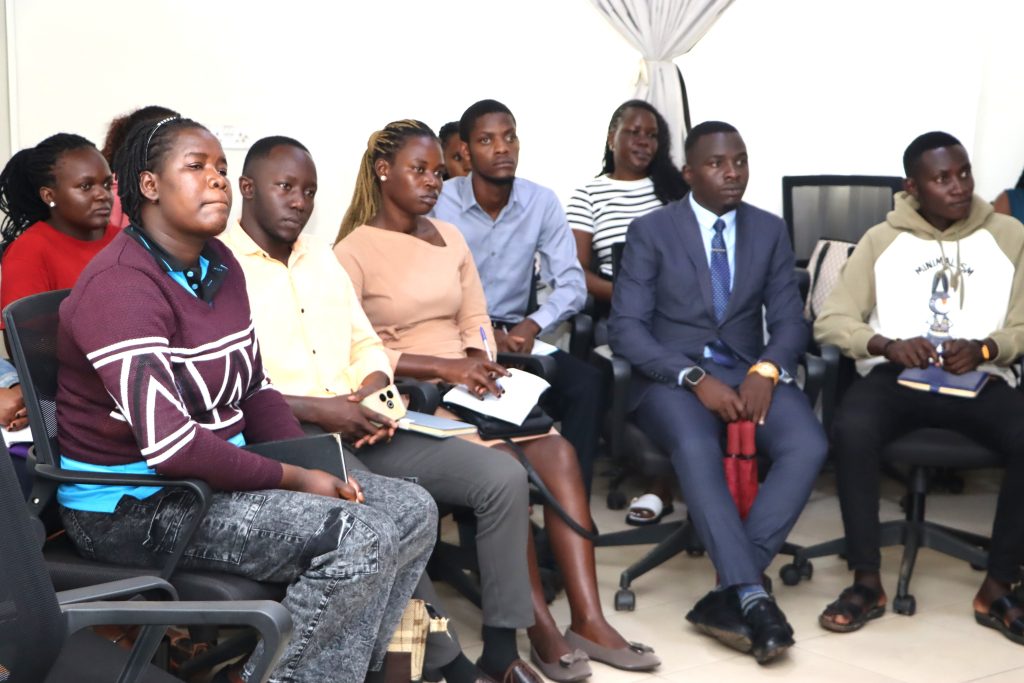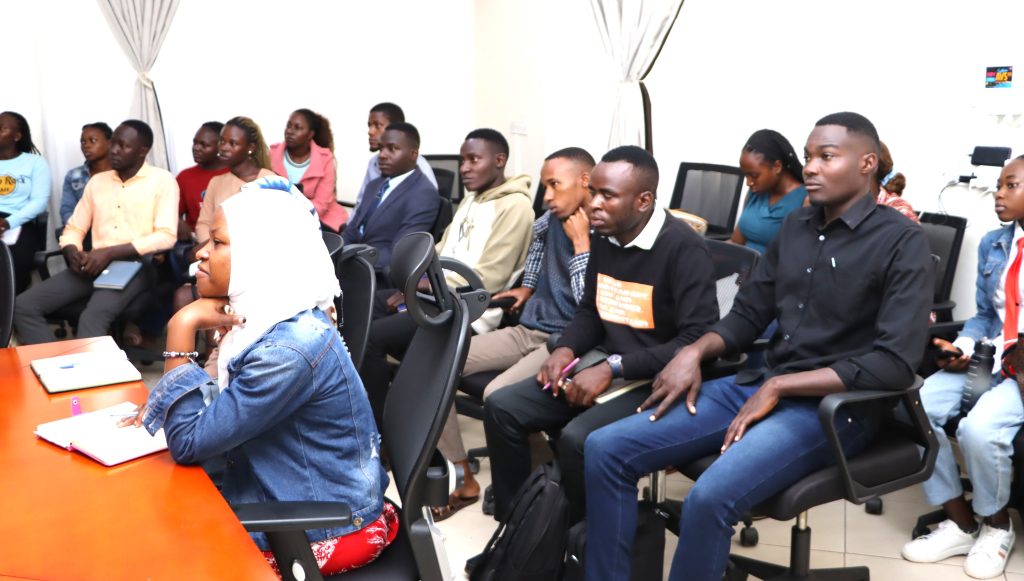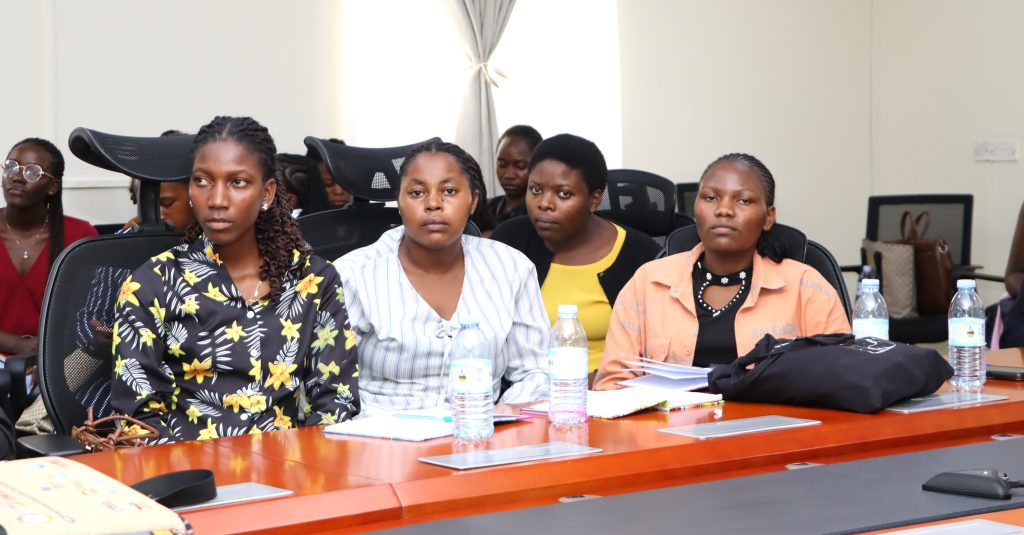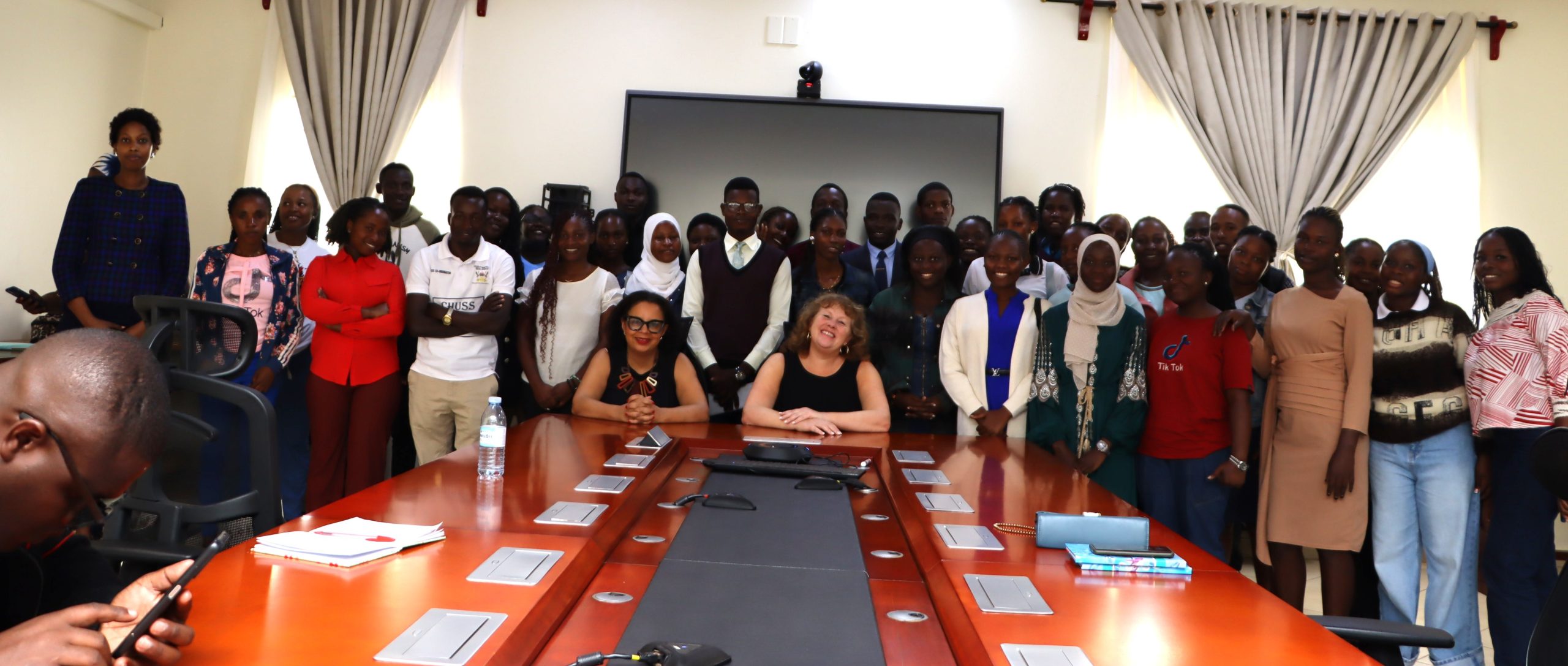
Students at Makerere University’s Department of Social Work have been challenged to rethink conventional approaches to mental health following a week-long academic visit by UK scholars Dr. Jill Childs and Dr. Gillian Nightall from 9th to 13th March 2026.
The two experts conducted a series of lectures and seminars aimed at introducing a transformative model for decolonising mental health social work. Coordinated by Makerere scholars Dr Peter Nareeba and Prof Janestic Twikirize, the visit sought to advance the professionalisation agenda of social work in Uganda while equipping students with alternative frameworks grounded in local realities.
Central to the engagement was the call to shift from heavily medicalised, institutional models of mental health care towards more inclusive, community-based approaches. Through interactive sessions with both undergraduate and postgraduate students, the scholars emphasized the value of indigenous knowledge systems and culturally responsive practices in addressing mental health challenges.
Dr Jill Childs calls for confidence in indigenous solutions and community-based approaches
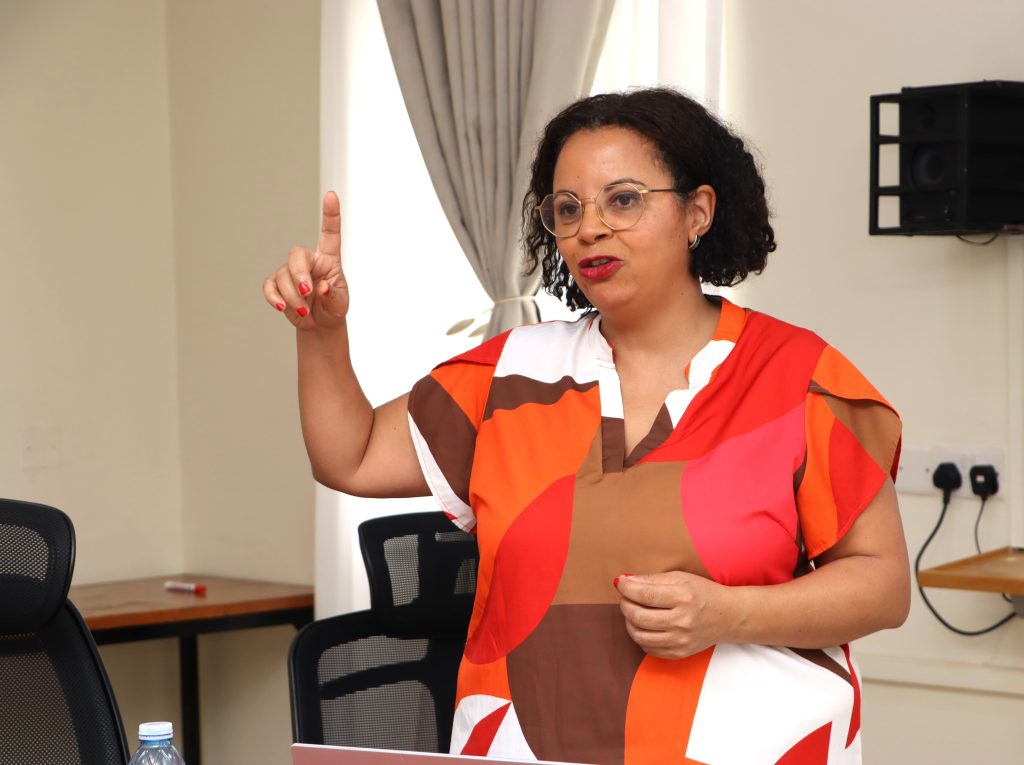
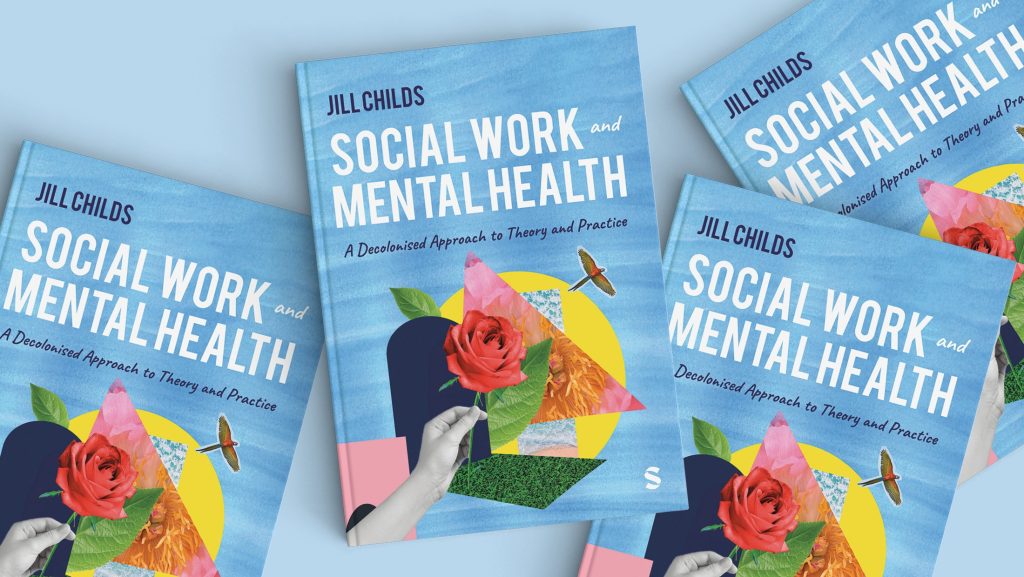
Speaking during the sessions, Dr Jill Childs, a Senior Fellow of the Higher Education Academy and Visiting Professor at Makerere University, highlighted the importance of integrating global perspectives with local solutions. She introduced students to a decolonised model of mental health social work that prioritises community orientation, sustainability, relationships and ecological awareness.
“My visit has focused on teaching students a model that draws on locally based solutions valuing and upholding indigenous approaches in social work,” she said. “We encourage students to be confident in what exists within their own communities and to critically reflect on some of the limitations of Global North, medicalised mental health frameworks.”
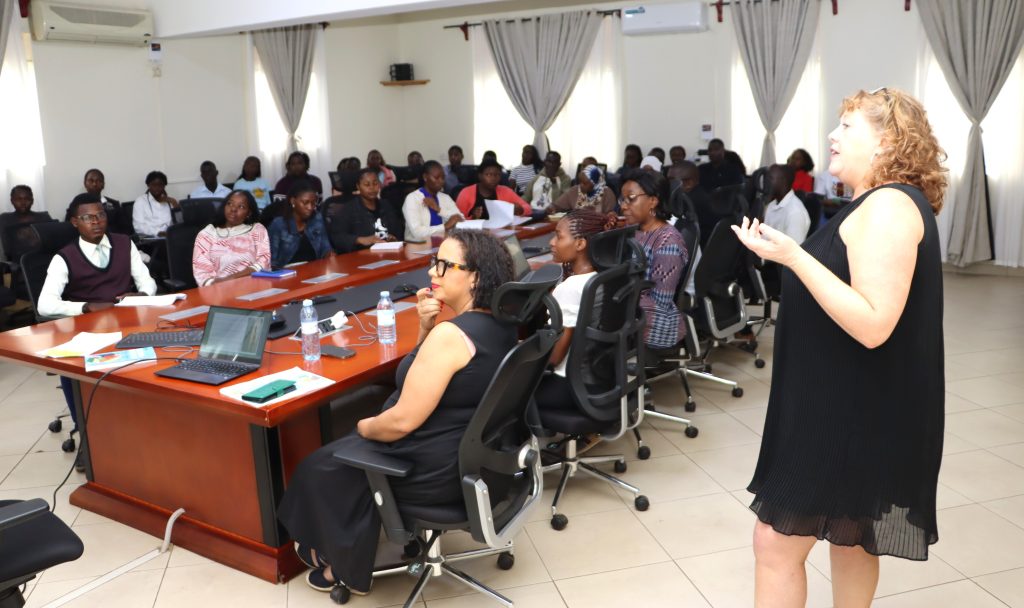
Dr Childs noted that the lectures covered a wide range of topics, including mental health among children and adults, as well as the wellbeing of social work students themselves. She added that the structured programme, culminating in a field visit to a mental health facility, was designed to help students apply critical thinking in real-world settings.
“We’ve been encouraging students to understand mental health from a non-institutionalised perspective using community-based solutions,” she explained. “The field visit provides an opportunity for them to translate theory into practice.”
The visit also highlighted ongoing regional efforts to professionalise social work. Dr Childs pointed out that Kenya had recently taken legislative steps in this direction, expressing hope that similar progress could be realised in Uganda. She stressed that strengthening the status of social work is essential for enhancing its impact, particularly through collaborative partnerships.
The engagement builds on the longstanding Ubuntu Partnership between Makerere University and international collaborators, spearheaded by Prof Janestic Twikirize. According to Dr Childs, such global partnerships are vital in aligning international social work strategies with locally grounded practices.
Referencing the upcoming World Social Work Day, she underscored the relevance of harambee—a Swahili concept meaning “pulling together”as a guiding principle for the profession. She further emphasized the need for resilience and self-care among students preparing for careers in what she described as a demanding but deeply impactful field.
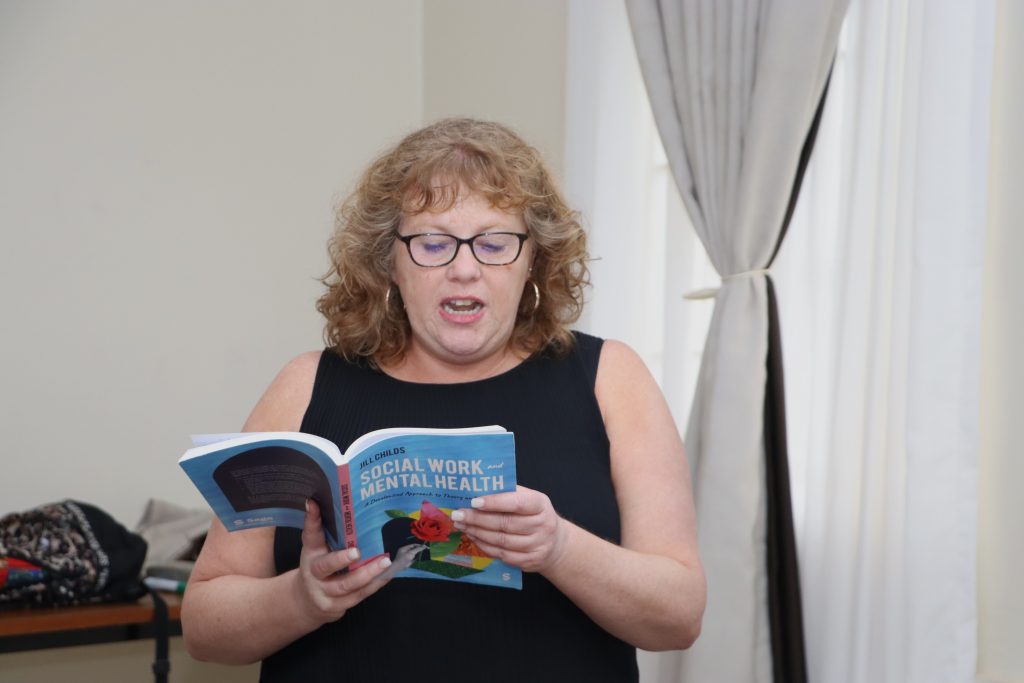
The visit, funded by the British Association of Social Workers, not only strengthened academic exchange but also reinforced the importance of culturally grounded, sustainable approaches to social work education and practice in Uganda.
Clinical Psychologist Urges Makerere Students to Humanise Mental Health Care
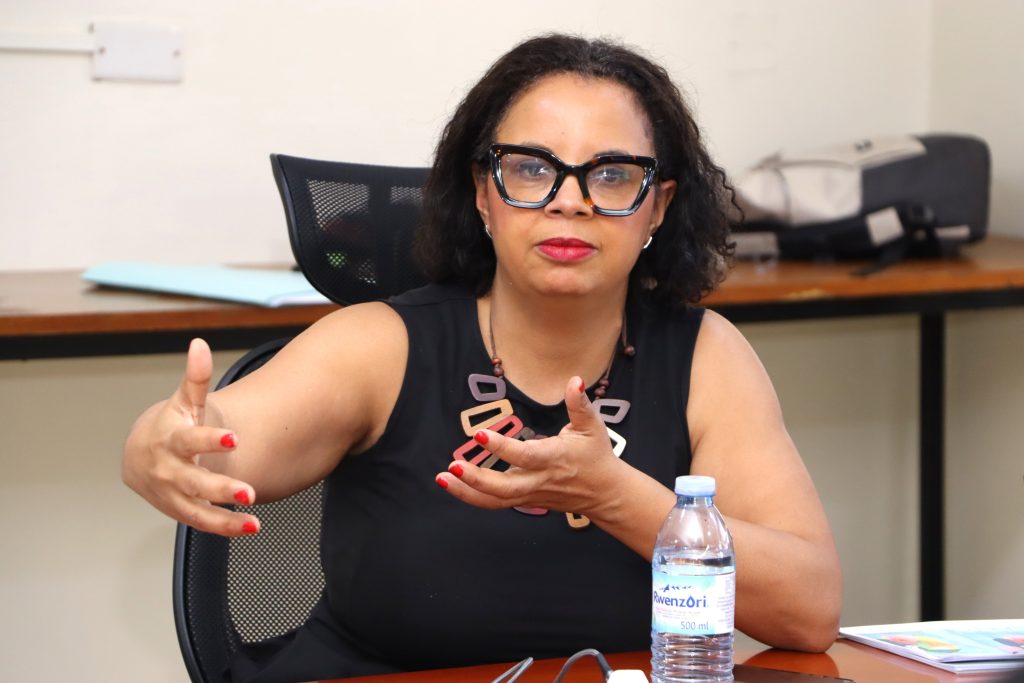
UK-based Consultant Clinical Psychologist, Dr Gillian Nightall. encouraged students to adopt more compassionate, culturally responsive approaches to mental health. Dr Nightall, who serves as a Clinical Director in the UK’s public health sector and also works in private practice as a family therapist, engaged students during a week-long academic visit focused on reframing how mental distress is understood and addressed in both children and adults.
“Our focus was to explore mental distress in ways that align with Ugandan culture while drawing on both local and global knowledge,” she explained. “We wanted students to move beyond simply identifying symptoms and instead seek to understand the person’s story, what has happened to them and how their experiences have shaped their wellbeing.”

During her sessions, Dr Nightall emphasised the importance of contextualising mental health challenges within broader social realities such as poverty and trauma. She noted that these factors are often central to understanding individuals’ experiences but are sometimes overlooked in more medicalised models of care.
“We encouraged students to ask deeper questions about individuals and families,” she said. “Mental health interventions must make sense not only to professionals but also to the individuals, families, and communities they are meant to serve.”
The lectures covered a range of topics, including child and adult mental health, as well as the wellbeing of social workers themselves. Dr Nightall highlighted that while social work is deeply rewarding, it also comes with emotional demands that require practitioners to actively prioritise their own mental health.
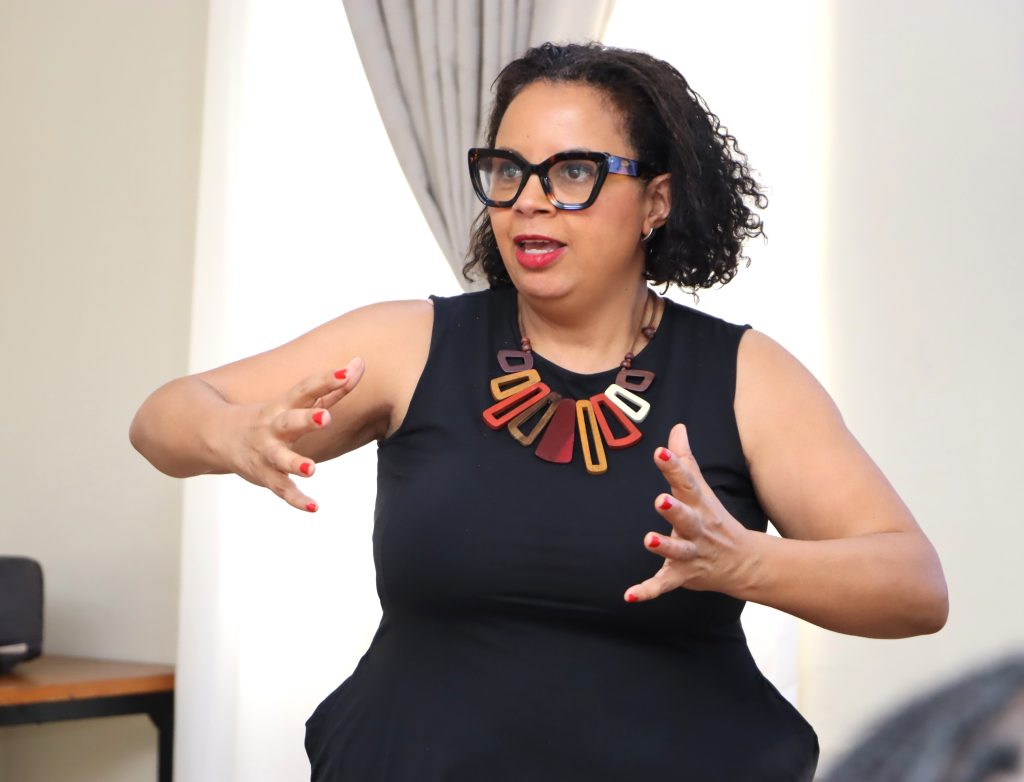
“This role, while immensely fulfilling, is also tough,” she noted. “It is important for social workers to take care of their own wellbeing and maintain healthy, supportive relationships.”
As part of the learning experience, the visiting team organised a visit to a Butabika psychiatric hospital to give students practical exposure to mental health care settings. According to Dr Nightall, many students had limited prior interaction with individuals experiencing complex mental health challenges.
“We believe social work has a critical role in destigmatising mental health difficulties,” she said, adding that such exposure helps students build confidence and empathy in engaging with affected individuals.
She concluded with a powerful message to aspiring social workers, urging them to approach their work with curiosity and compassion. “It is an absolute privilege to support people during their most vulnerable moments. Be curious about their experiences and offer not just practical help, but compassion.”
The visit forms part of ongoing international academic collaborations aimed at strengthening social work education and promoting more inclusive, context-sensitive approaches to mental health care in Uganda.
Sessions conducted
The Department of Social Work at Makerere University hosted an enriching five-day academic visit by Dr Jill Childs and Dr Gillian Nightall from 9th to 13th March 2026, marked by interactive lectures, seminars, and professional engagements with both undergraduate and postgraduate students.
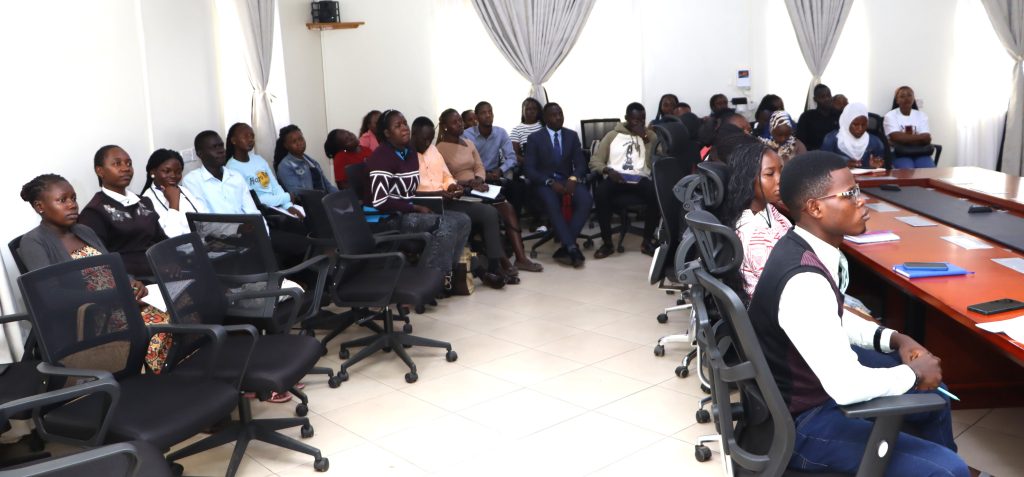
The visit commenced on Monday, 9th March, with a courtesy call and introductory meeting involving the Head of Department, the Dean, and faculty members including Dr Peter Nareeba and Prof Janestic. This session provided an opportunity for institutional exchange, setting the tone for a collaborative and impactful week.
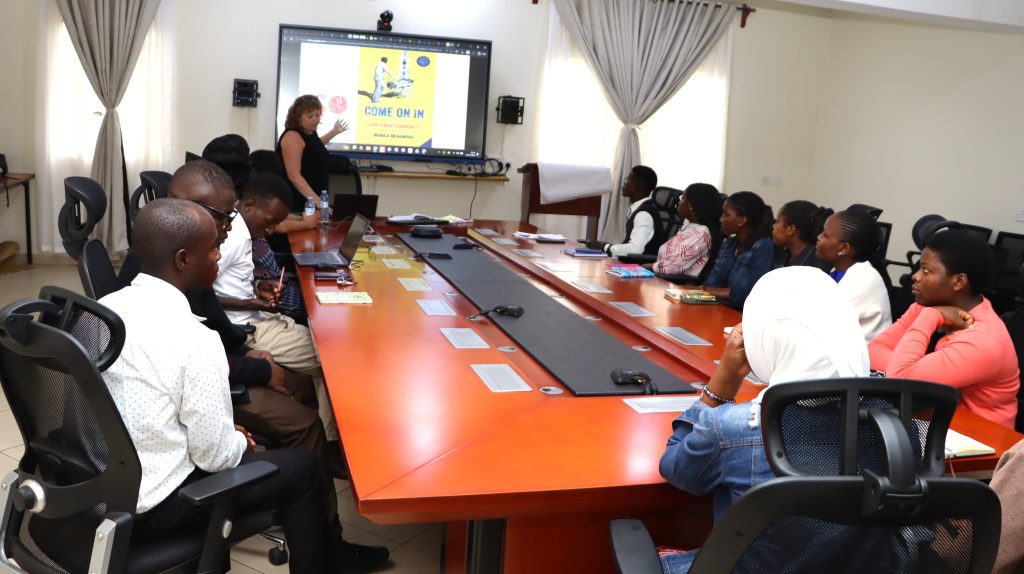
On Tuesday, 10th March, the visiting scholars led a Bachelor of Social Work (BSW) lecture on Social Group Work, focusing on approaches to adult mental health. Held in Lecture Room 2, the session explored practical strategies for engaging with adults experiencing mental health challenges, encouraging student participation and critical reflection. Later in the day, the duo facilitated a Master of Social Work (MSW) seminar in the Social Sciences Smart Room, where they addressed the topic of self-care, emphasizing the importance of balancing work, study, and personal wellbeing. The session, co-facilitated with Dr Peter Nareeba and Prof Janestic, resonated strongly with postgraduate students navigating academic and professional pressures.
The engagement continued on Wednesday, 11th March, with a BSW counselling class that tackled the sensitive topic of sexuality and its expression. Delivered collaboratively with Dr Peter Nareeba, the session encouraged a thoughtful and culturally responsive approach to counselling, equipping students with skills to handle complex and often personal client issues.
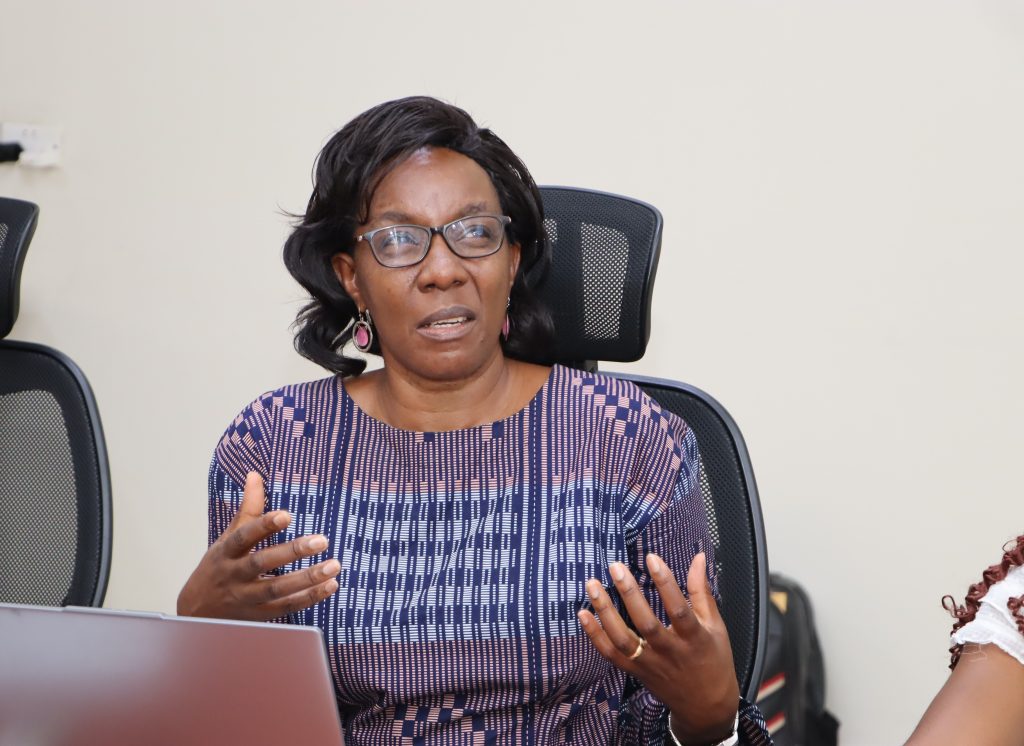
On Thursday, 12th March, attention shifted to social work in medical settings during a BSW 2207 lecture held at the University Lecture Theatre. The discussion centred on child mental health difficulties, with the facilitators highlighting early intervention strategies and the role of social workers in multidisciplinary healthcare teams.
The visit concluded on Friday, 13th March, with a flexible programme that included a field visit to Butabika hospital, offering the visiting scholars a glimpse into the practical application of social work in local contexts.