The 2025 Gerda Henkel PhD Fellows Prepared for Field Research
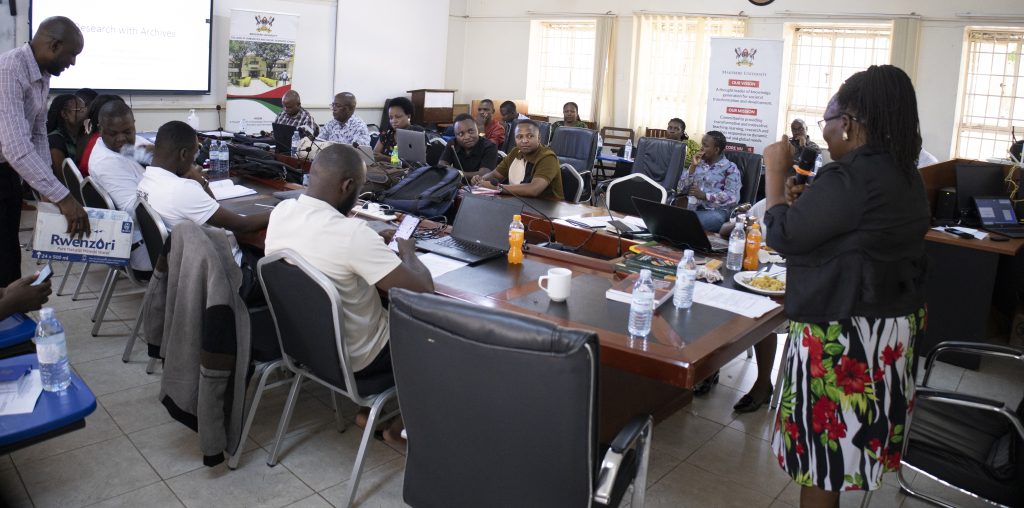
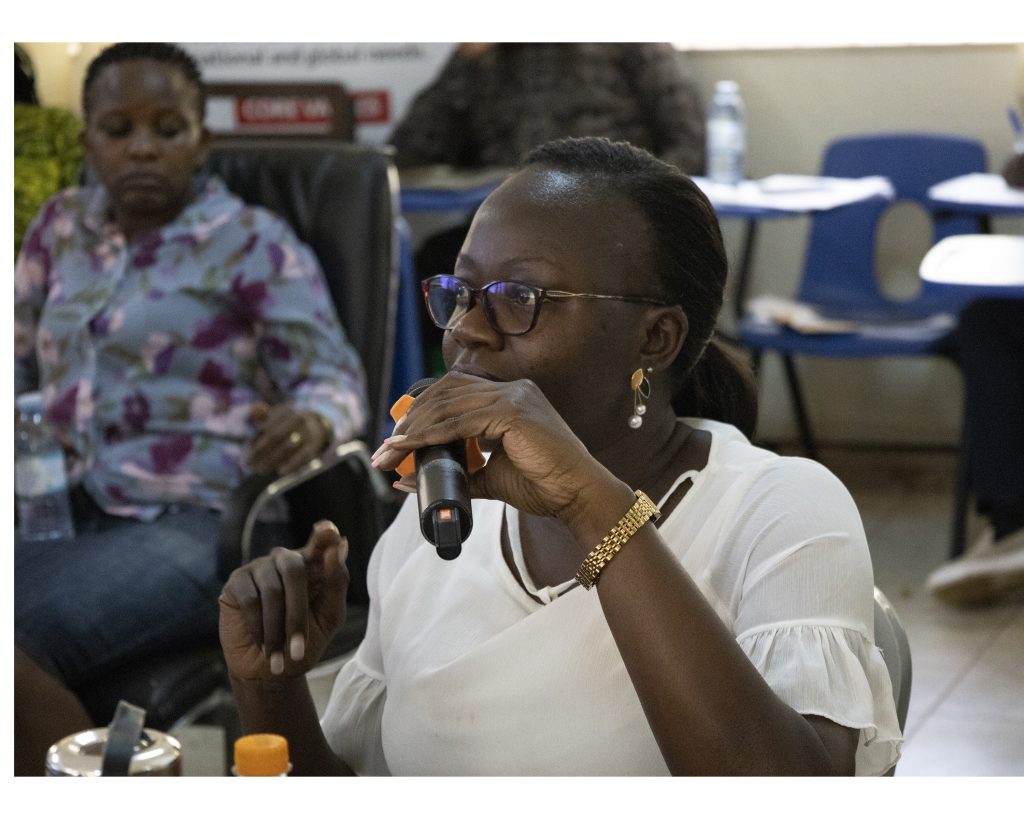
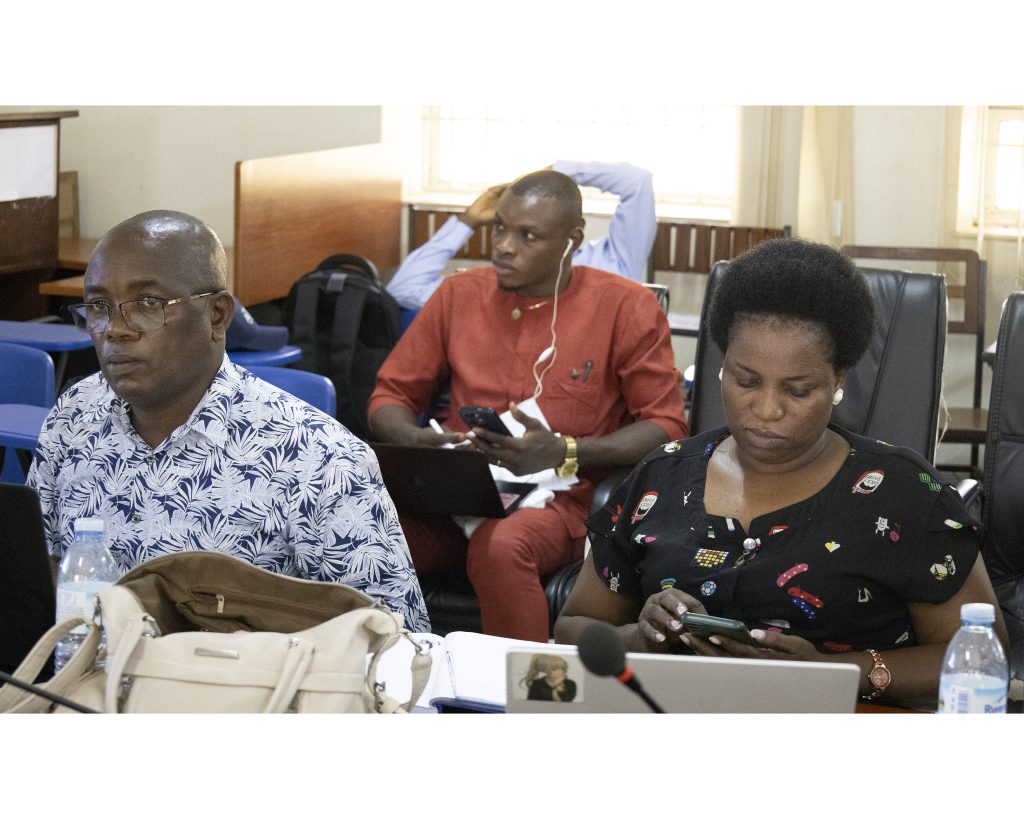
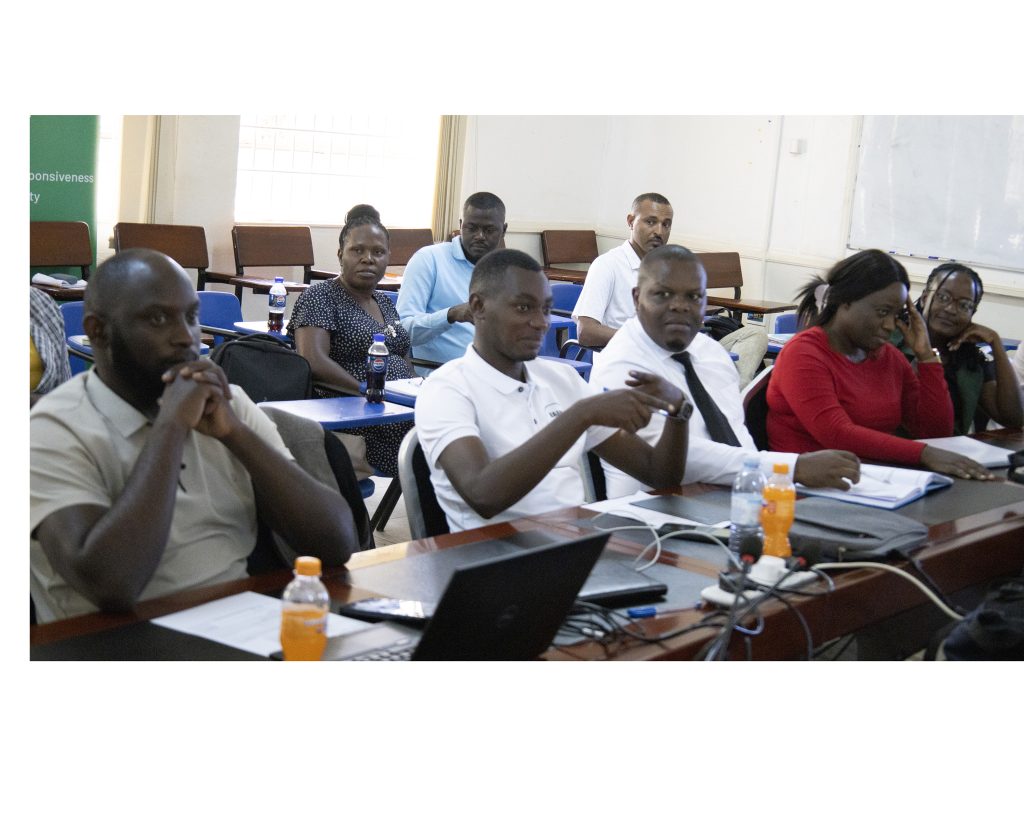
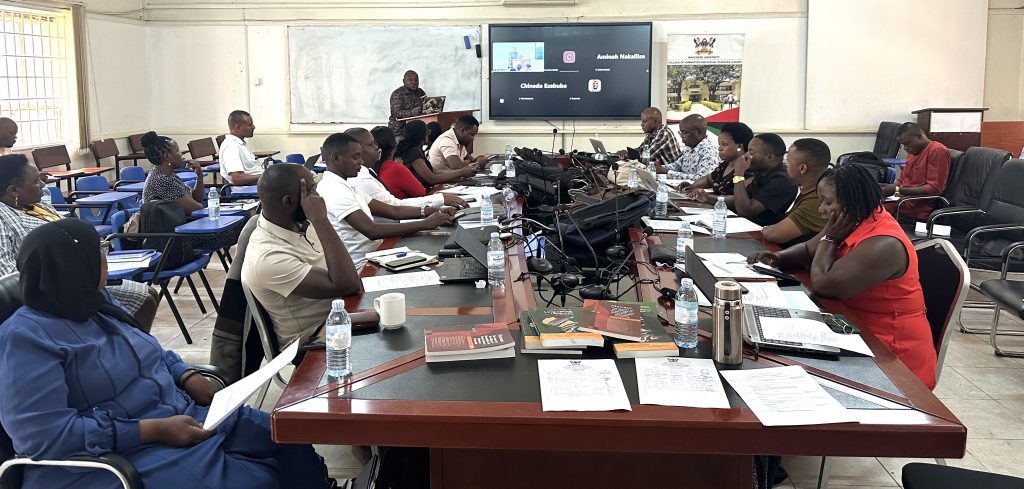
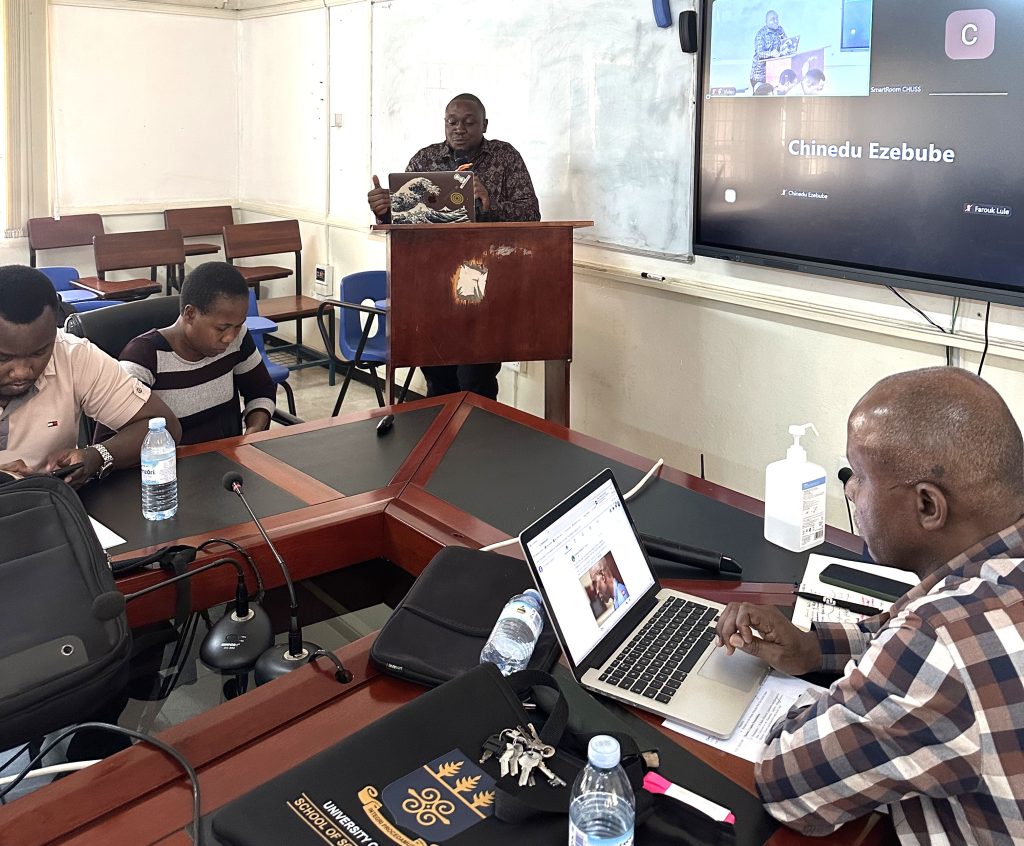
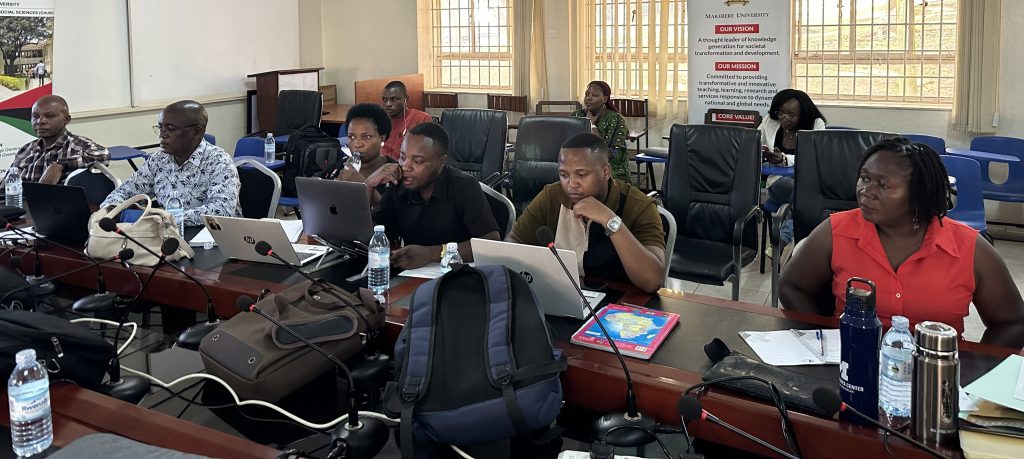
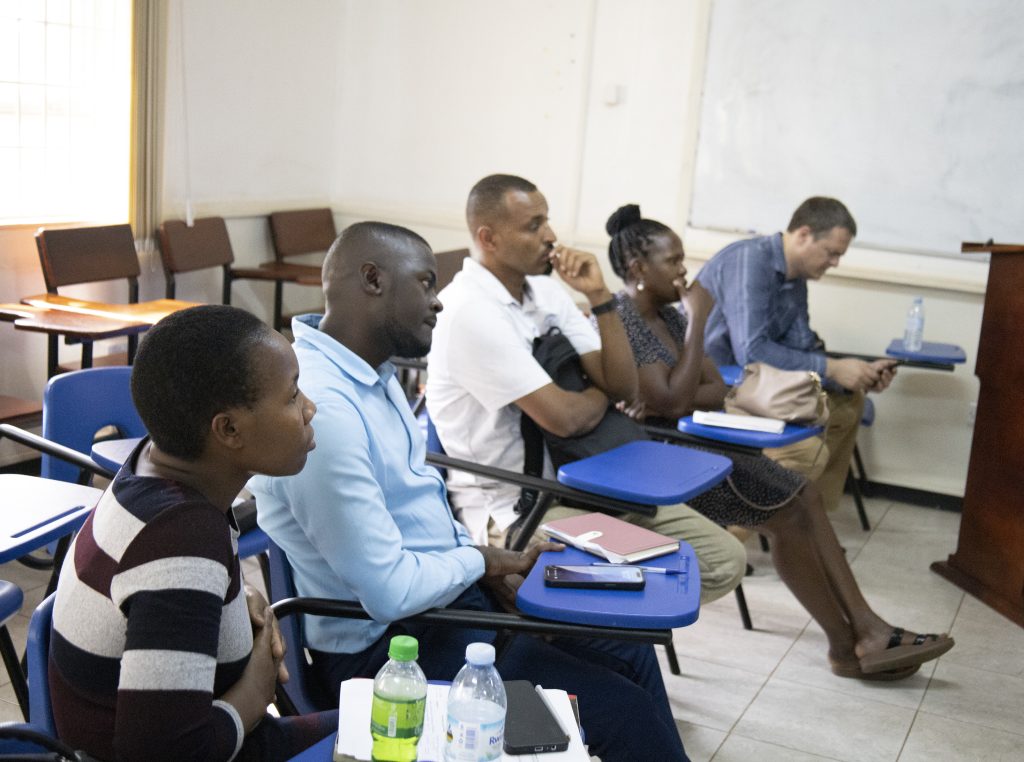
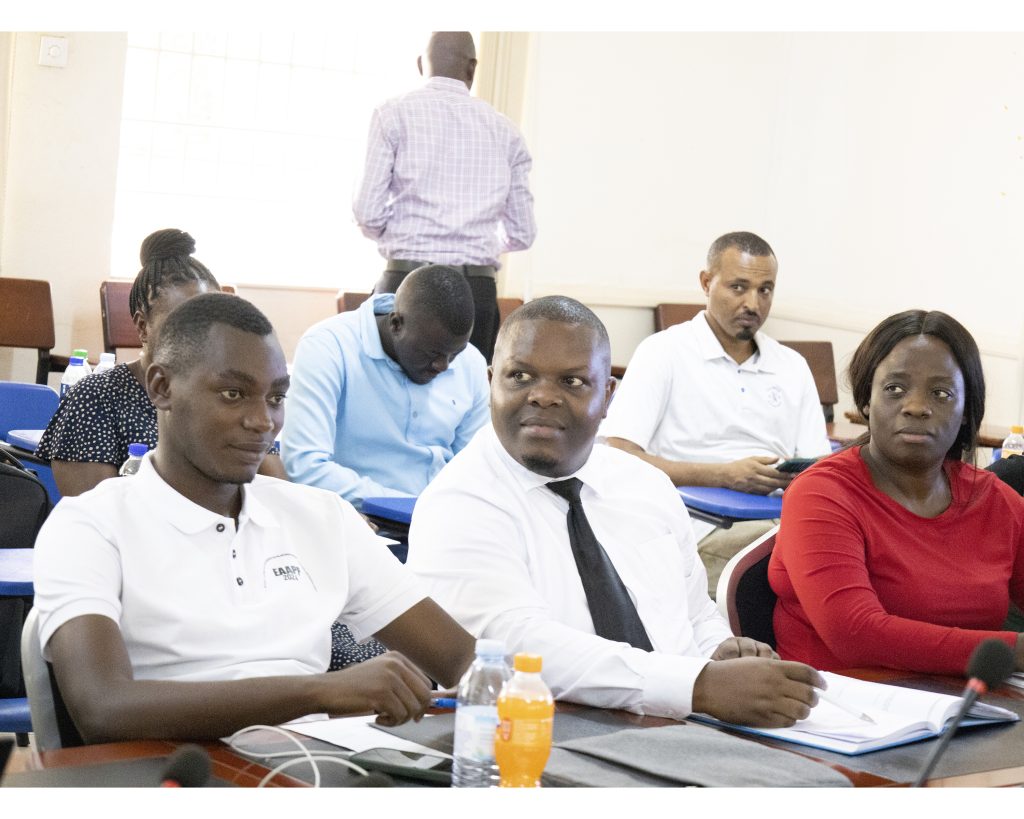
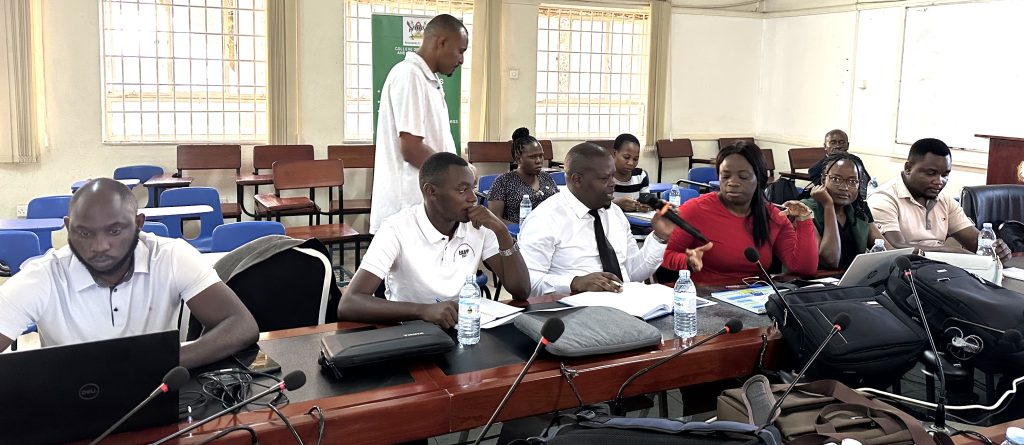
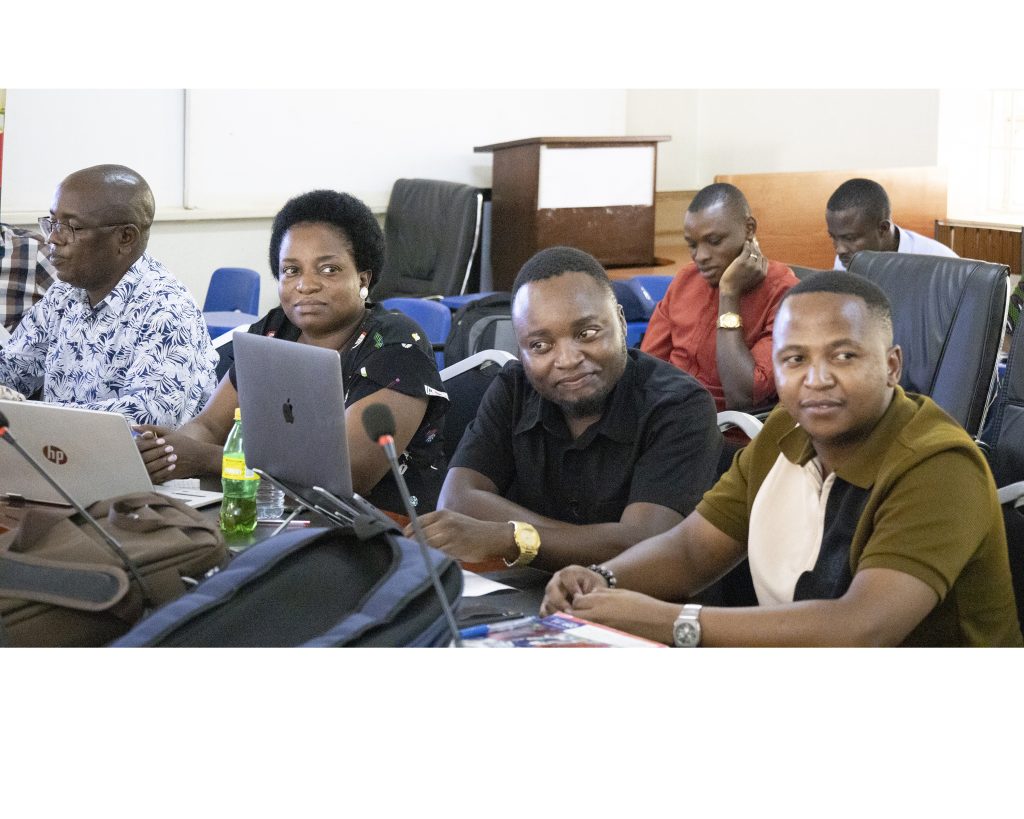
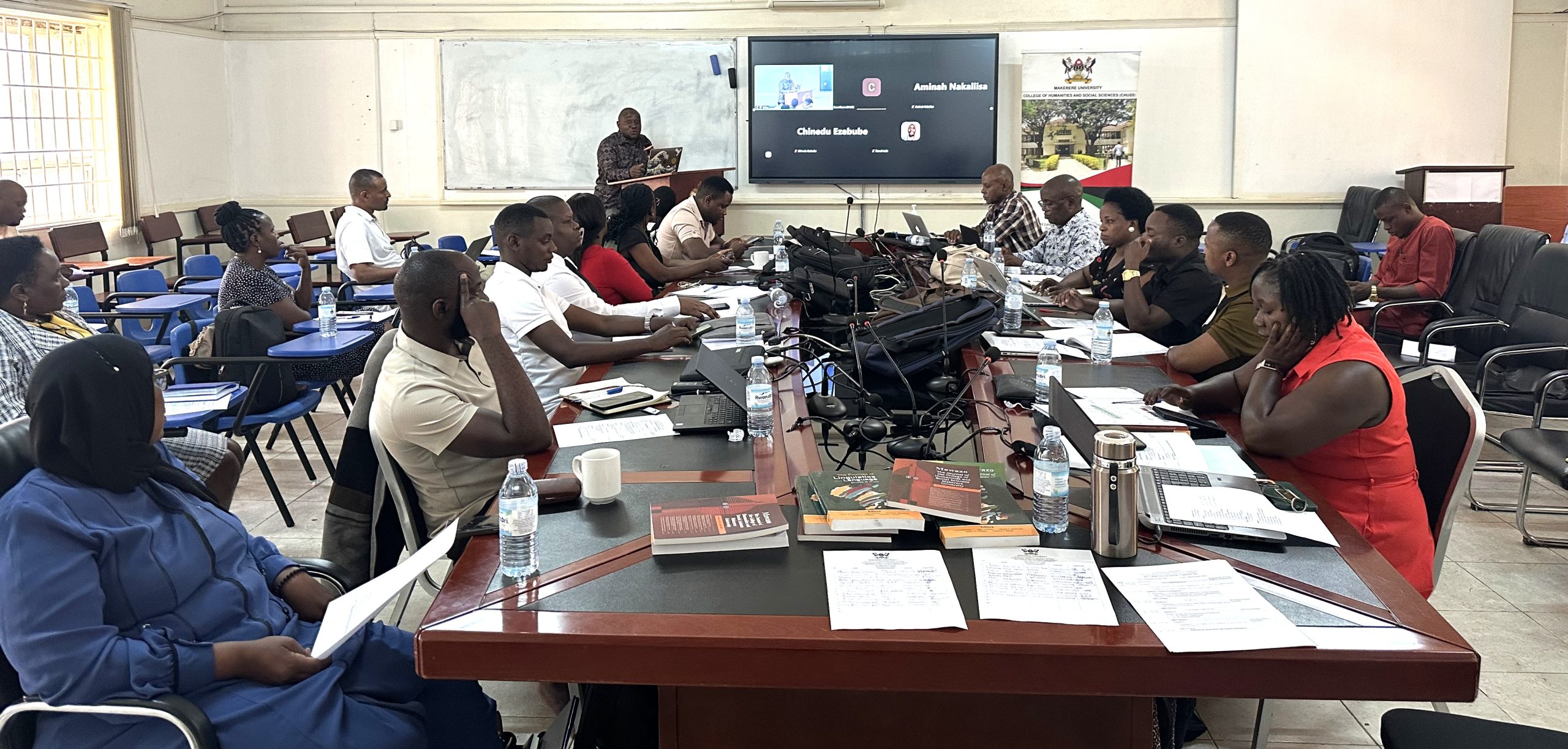
Makerere University’s College of Humanities and Social Sciences (CHUSS) has equipped its 2025 Gerda Henkel Foundation PhD fellows with critical field research skills ahead of their data collection phase through a pre-fieldwork workshop held on June 18.
The workshop brought together doctoral fellows preparing to undertake field studies and focused on ethical research practices, data collection methods, and post-fieldwork requirements. Participants received practical guidance on conducting qualitative and quantitative research in the humanities, with emphasis on logistics, research validity, reliability and data management.
Opening the workshop, Project Administrator Dr. Levis Mugumya underscored the importance of thorough preparation before entering the field.
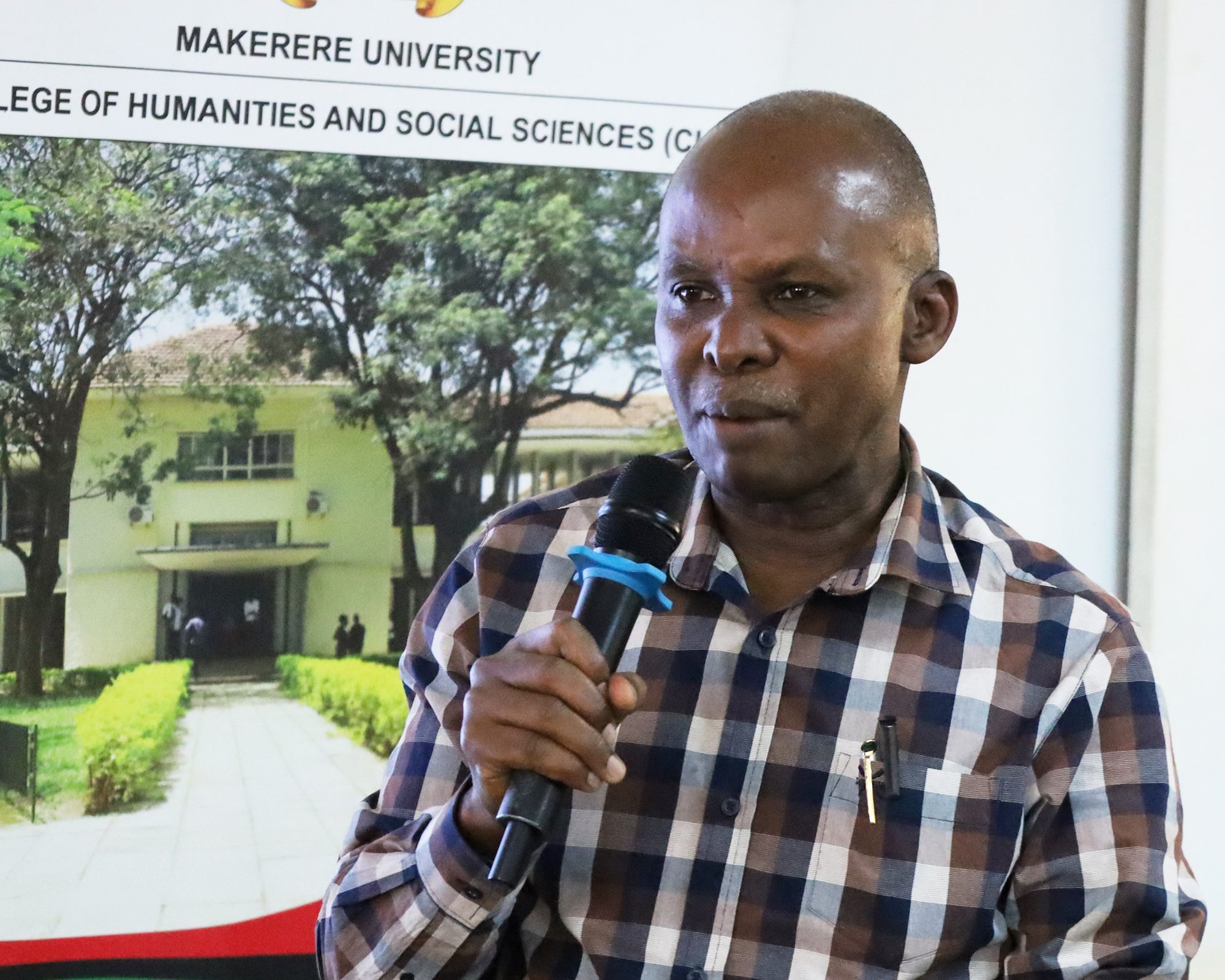
“You have been reminded of some of the things that you need to do as you prepare to go for your fieldwork”, Mugumya said.
Researchers were advised to develop comprehensive research protocols, pilot study tools, secure ethical approvals and anticipate logistical challenges that may arise during fieldwork.
The need for Compliance with IRBs requirements and other approvals
Facilitating the session on “Logistics, Infrastructures, Sources, Validity and Reliability while in the Field, Dr. Badru Bukenya highlighted the need for compliance with Institutional Review Board (IRB) requirements and approval from the Uganda National Council for Science and Technology (UNCST) for studies involving human subjects. He noted that ethical clearance processes can take several months and urged students to begin applications early.
Dr Bukenya also emphasised participant and researcher safety, stressing the importance of risk assessments, especially in sensitive research environments. “You have to balance research benefits against potential risks, including privacy concerns and health threats such as infectious disease outbreaks”.
Bukenya further addressed practical aspects of fieldwork, including conducting focus group discussions, administering questionnaires, managing communities, recruiting and training research assistants, and budgeting for research activities. Participants were encouraged to build rapport with local communities, respect cultural norms, and ensure proper documentation throughout the research process.
Students Urged to Prioritise Proper Data Handling in Research
Presenting on “Handling Data: From the Field, Desk to the Thesis”, Prof. Andrew Ellias State urged students to adopt rigorous data handling practices to ensure the production of credible and impactful research.
Prof. State emphasised that effective data management is critical in transforming raw information collected from the field into scholarly evidence capable of supporting academic arguments and informing policy.
He defined research as a systematic investigation designed to develop or contribute to generalizable knowledge through testing, evaluation, and the application of formal study procedures. He noted that research goes beyond data collection and requires careful organization, analysis, interpretation, and ethical management of information.
Prof. Ellias outlined key stages of data handling, beginning with the development and pre-testing of research instruments, preparation of consent forms, design of coding systems, and planning for secure data storage before entering the field. During fieldwork, he advised students to carefully record interviews, take detailed field notes, protect respondent confidentiality, and ensure completeness of questionnaires.
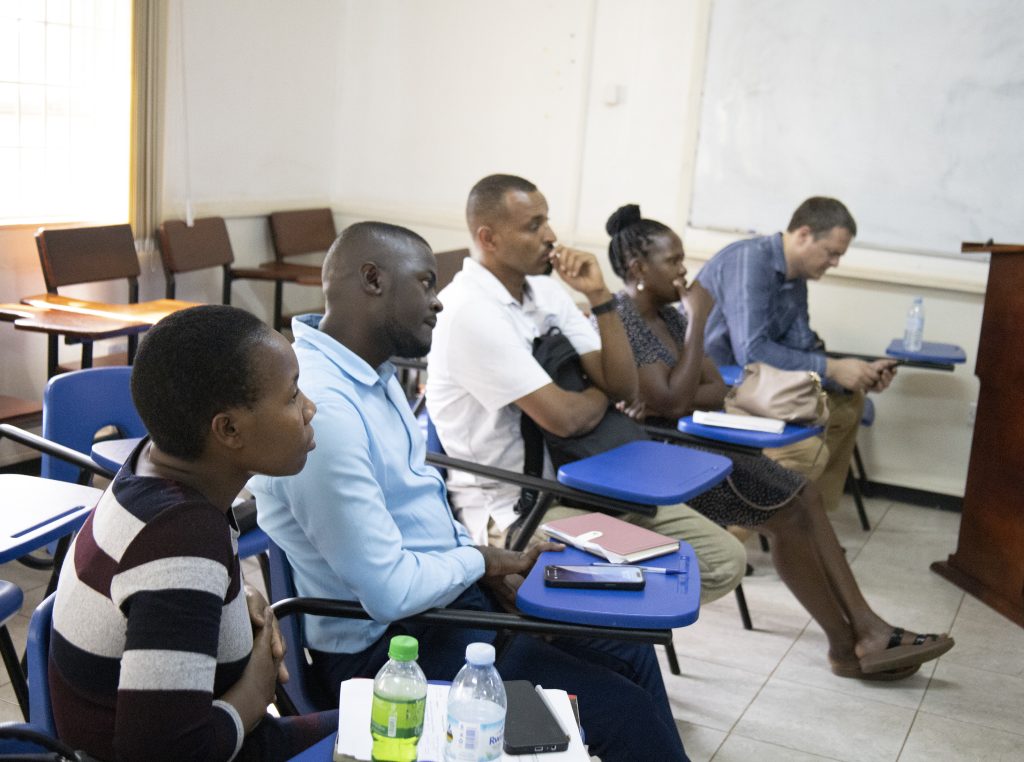
He further stressed the importance of post-fieldwork activities, including transcription, translation, data cleaning, coding, and secure storage. Quantitative researchers, he said, should verify missing values and coding consistency, while qualitative researchers should ensure transcription accuracy and preserve the meanings conveyed by respondents.
The professor warned against common mistakes such as collecting data unrelated to research objectives, poor labeling of interviews, unsupported claims, excessive use of tables without explanation, and weak links between findings and recommendations.
He also highlighted ethical principles including confidentiality, anonymity, informed consent, secure data storage, and honest reporting of findings and study limitations.
According to Prof. Ellias, researchers should avoid merely presenting data in their theses and instead transform evidence into coherent scholarly arguments. “The field gives raw data; the desk turns it into evidence; the thesis turns evidence into a scholarly argument,” he said.
From the Horse’s Mouth: Qualitative Research Demands Iteration and Reflection
Qualitative research is not a linear process of collecting data, analysing it, and writing up results, but an iterative and reflective practice that requires continuous engagement with data. Dr. Julian Namiyingo urged PhD researchers to rethink how they approach fieldwork and analysis.
She said qualitative inquiry demands that researchers simultaneously collect, interpret, and refine meaning throughout the study rather than treating analysis as a final stage. “Meaning in qualitative research is not discovered at the end of data collection; it is constructed throughout the process of engaging with the data,” Namiyingo said.
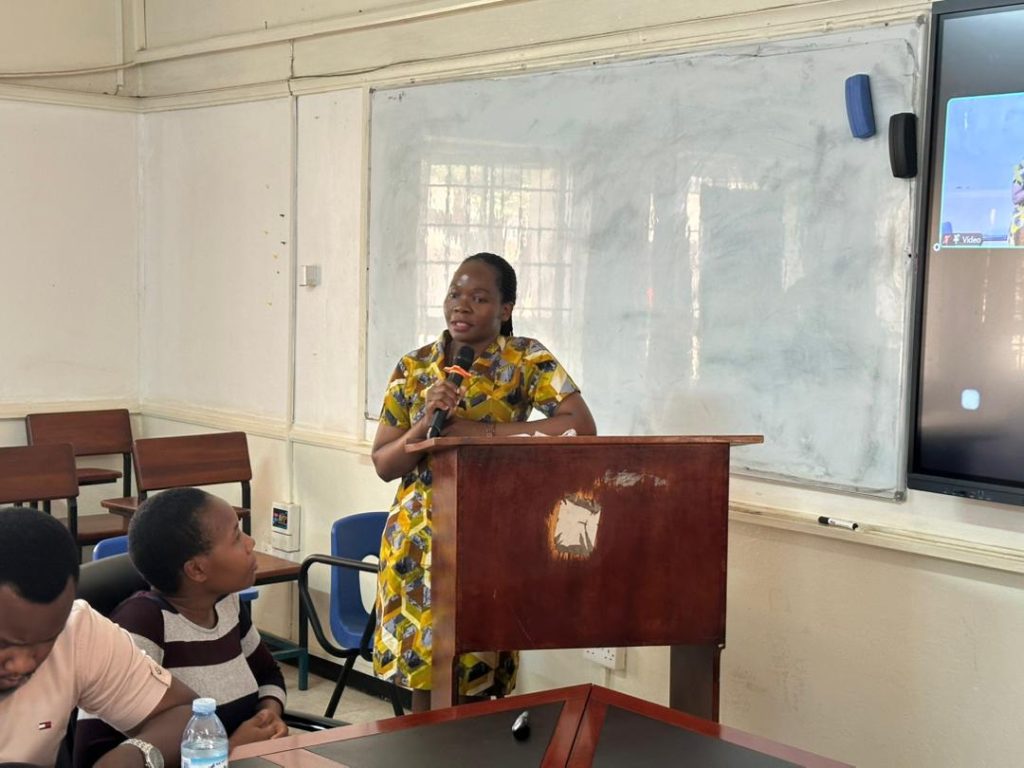
She advised researchers to begin by clearly identifying data sources such as interviews, observations, documents, and secondary literature, stressing that understanding their relevance to the research problem is critical from the start.
Namiyingo also emphasised repeated engagement with data, noting that initial readings often provide only surface understanding, while deeper insights emerge through continuous review and reflection. He added that literature and theory should be treated as evolving tools rather than fixed frameworks applied mechanically.
“Qualitative research is a continuous dialogue between theory and data, where each reshapes the other as understanding develops,” he said.
Namiyingo further highlighted the importance of early writing as an analytical tool, systematic coding of data, and maintaining organised thematic notes to support interpretation. She also urged students to maintain regular communication with supervisors and to discuss their work with peers and non-specialists to strengthen clarity and argumentation.
Beyond methodology, Namiyingo warned that qualitative research can be emotionally and intellectually demanding, calling for attention to physical health, rest, and strong social support networks.
Students Urged to Critically Engage Archives in Historical Research
Presenting on, “Handling Archival Data: The Dos and Don’ts” students were encouraged to move beyond viewing archives as neutral repositories of information and instead critically examine the power relations embedded within historical records.
Dr Edgar C. Taylor of the Department of History, Archaeology and Heritage Studies emphasised the importance of archival research in producing rigorous and original scholarship.
Dr Taylor explained that archives are not simply collections of historical documents but institutions that shape how knowledge about the past is produced and understood. He noted that researchers must interrogate the contexts in which documents were created, the intentions of their authors, and the audiences for whom they were intended.
“Archives are not unbiased sources of information,” he told participants, adding that all primary sources are produced within specific power relations that influence what is recorded, preserved, and remembered.
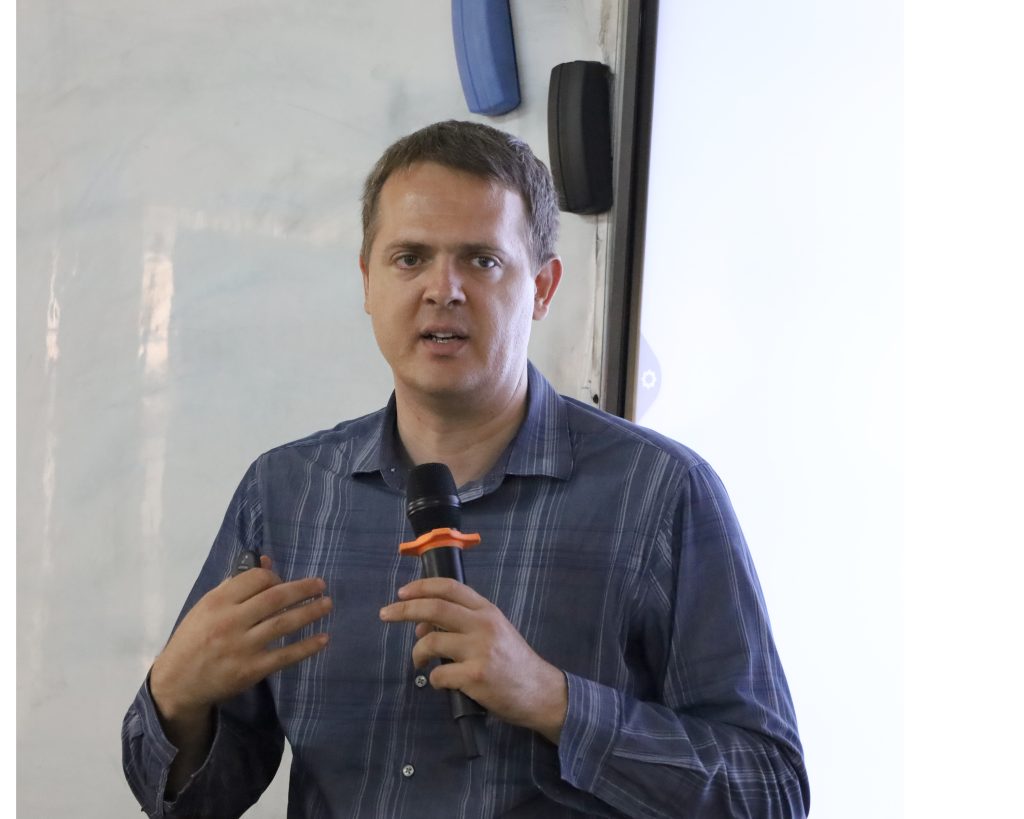
The historian highlighted the distinction between primary and secondary sources, while cautioning that the boundary between the two is often blurred. He argued that scholars should analyze all sources critically, paying attention to the social and political forces that shaped their production.
Dr Taylor also introduced students to various archival resources available in Uganda, including the Uganda National Archives, Makerere University Archives, district archives, religious archives, and personal collections. He advised researchers to study catalogues in advance, identify relevant files before field visits, and familiarise themselves with access procedures and archival regulations.
A key focus of the presentation was the concept of “reading along the grain” and “reading against the grain” of archival materials. According to Dr Taylor, researchers should examine both the information contained in documents and the silences, omissions, and absences that reveal underlying structures of power.
He further urged students to maintain accurate records of archival citations and securely store research notes. The workshop forms part of preparations for fieldwork by the CHUSS 2025 PhD cohort.
Dr Pamela Khanakwa calls for preparedness, openness and ethical conduct as she closes PhD pre-field workshop
Dr Pamela Khanakwa urged PhD candidates to approach fieldwork with flexibility, professionalism and strict adherence to research protocols, as she delivered the closing remarks.
Khanakwa began by expressing appreciation to the workshop organisers and college leadership for supporting the training. She specifically acknowledged project coordinators for their coordination efforts, as well as facilitators and supervisors who participated throughout the day-long session.
“We won’t take that for granted,” she said, commending the collective effort that ensured the workshop’s success. She also highlighted the value of supervisors’ engagement, noting that academic mentorship is a continuous learning process. “Even our supervisors, by the way, learn every other time. You can’t believe how much we learn from your work,” she added.
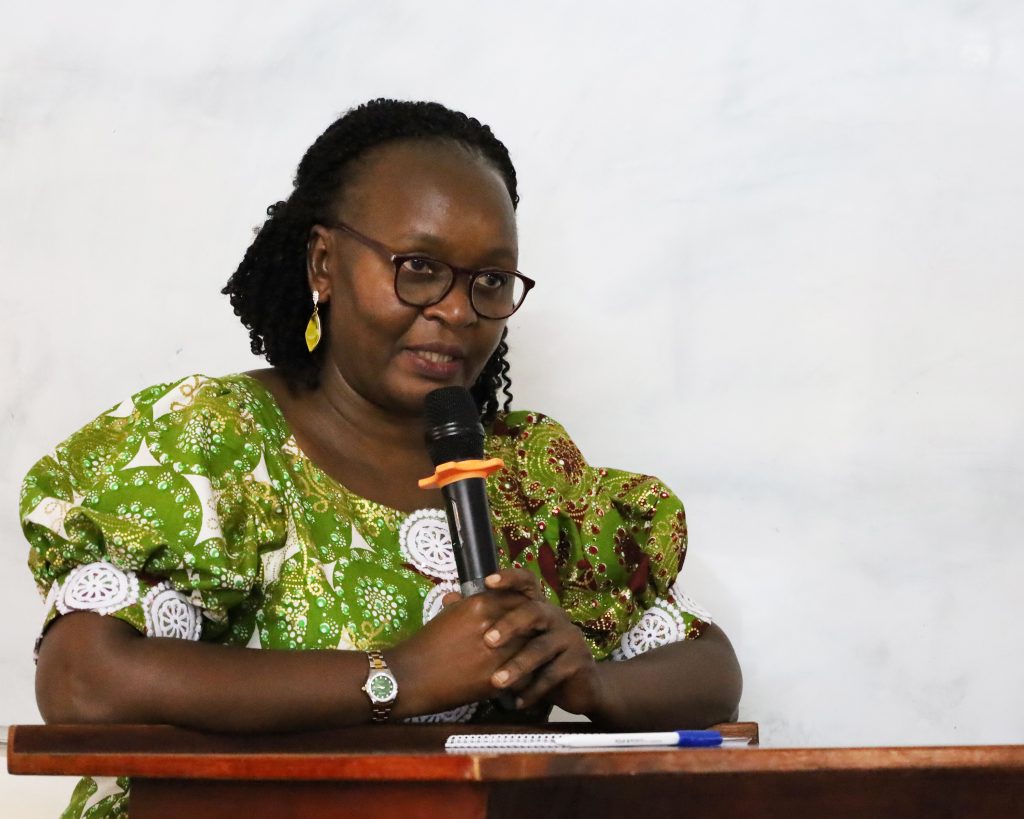
Turning to the doctoral candidates, Dr. Khanakwa congratulated them for progressing to the fieldwork stage of their studies, noting the academic and personal challenges they had already navigated since enrollment. She recalled the uncertainty many students experienced at the beginning of their programs, including shifts in research topics and evolving academic clarity.
“You don’t know how lucky you are that people are thinking about you and what you need as you go out to the field,” she said, contrasting the current structured support system with earlier cohorts who lacked similar preparatory training.
A key emphasis of her remarks was the importance of carrying identification documents and research authorisation materials during fieldwork. She cautioned students against assuming that communities or authorities would automatically recognise their academic status. “You need to arm yourself with what speaks about you and what you are doing,” she said, stressing the need for institutional IDs, clearance letters, and other documentation.
Dr Khanakwa further underscored the importance of seeking permission from relevant administrative structures before engaging communities. She advised students to report to local authorities such as Chief Administrative Officers and Resident District Commissioners, and to work through local leadership structures, including Local Council officials.
She also encouraged students to adopt self-discipline and reflective planning during fieldwork, advising them to identify working patterns that suit their productivity. “Understand yourself and identify what works for you,” she said, noting that effective time management is essential in both fieldwork and archival research.
While urging students to remain open-minded, she advised them to be prepared for unexpected findings that may reshape their research direction. “Go with an open mind. You might get surprised by what you find,” she said, adding that field experiences often lead to valuable adjustments in research focus.
Dr Khanakwa concluded by wishing students success as they proceed to their field sites, reminding those travelling home internationally to balance family engagements with academic responsibility. She officially declared the workshop closed.