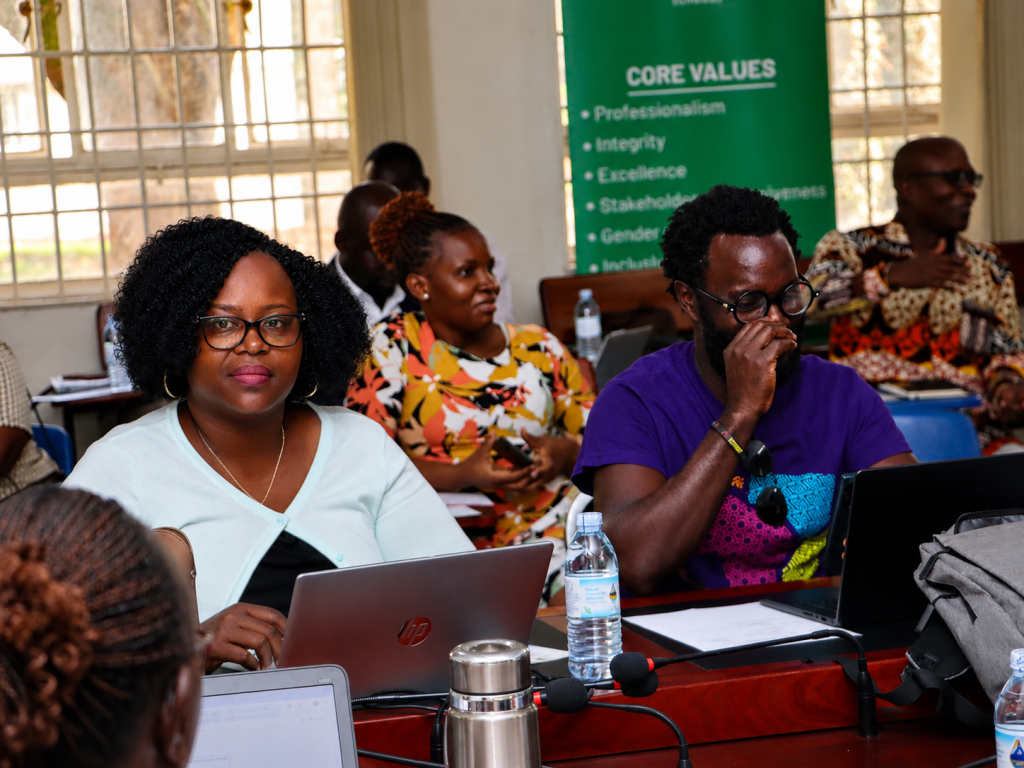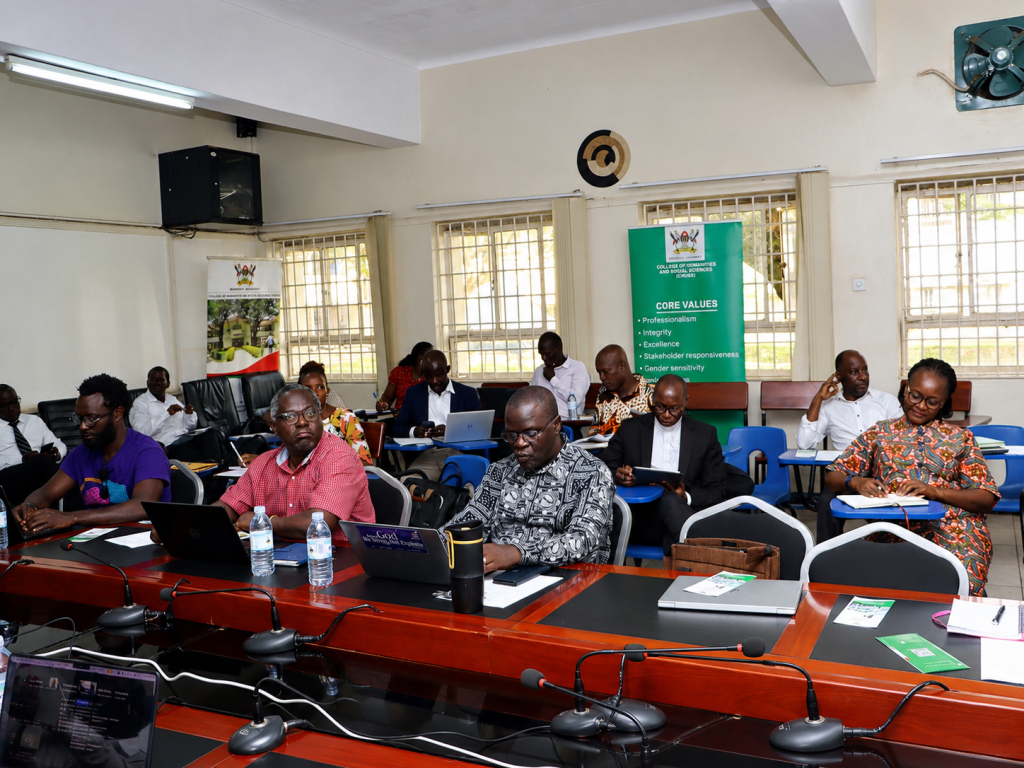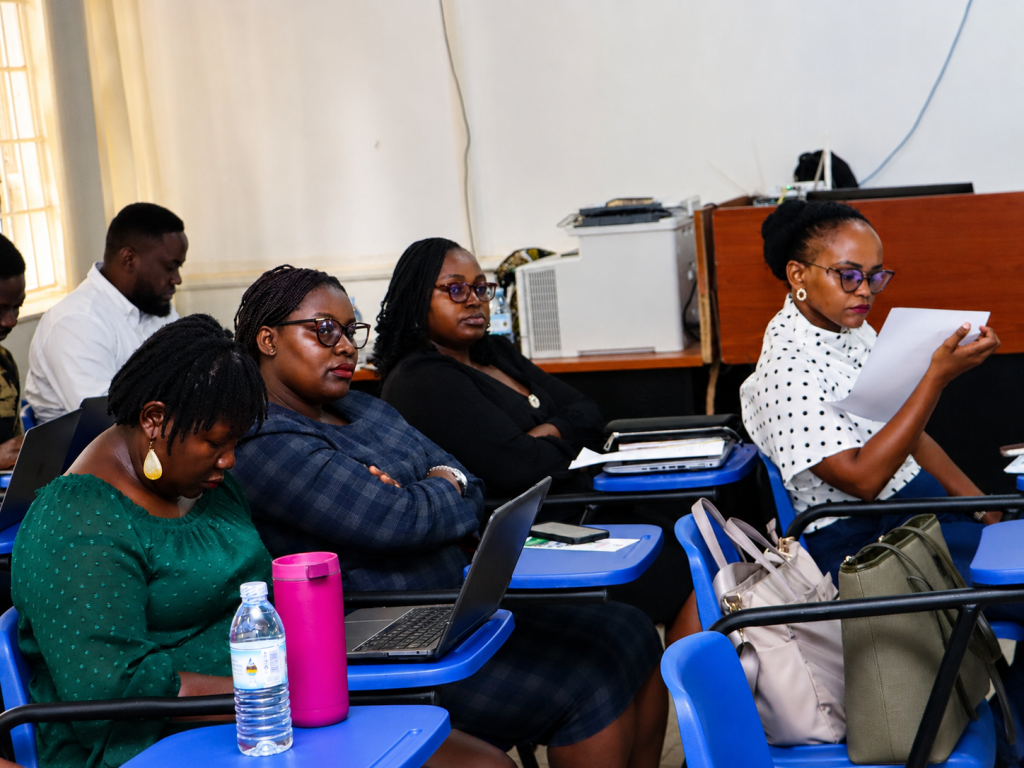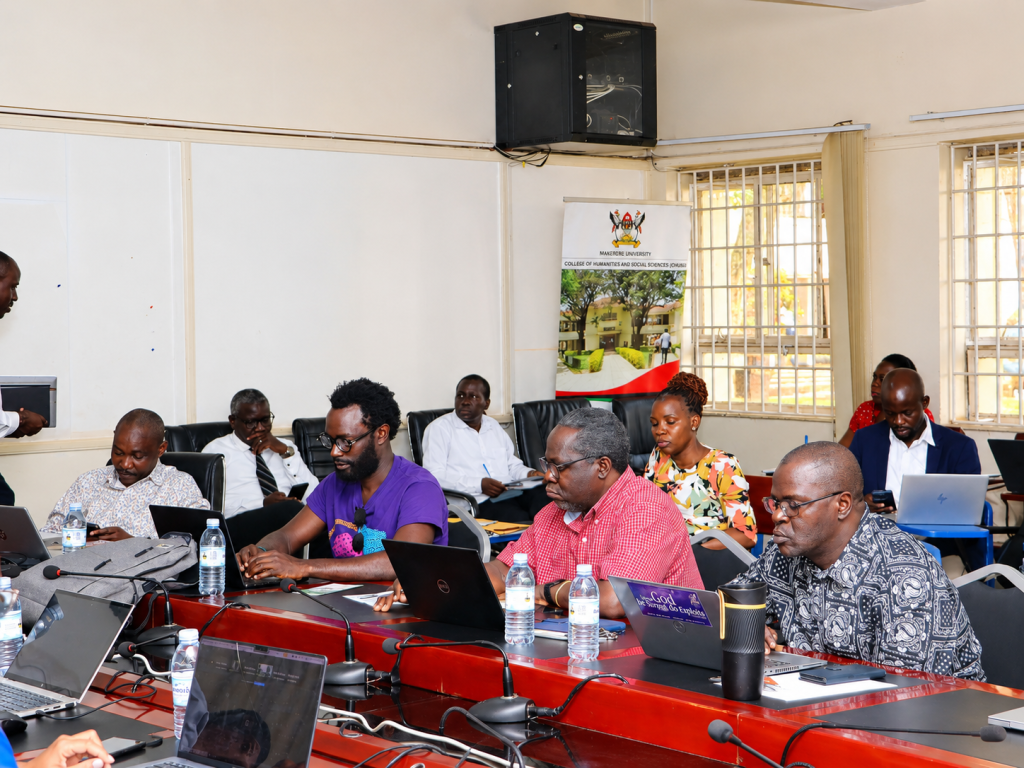
The College of Humanities and Social Sciences (CHUSS) has held a Grant Writing Seminar aimed at strengthening the capacity of staff to identify funding opportunities, prepare for successful grant applications, and manage grants responsibly after award.
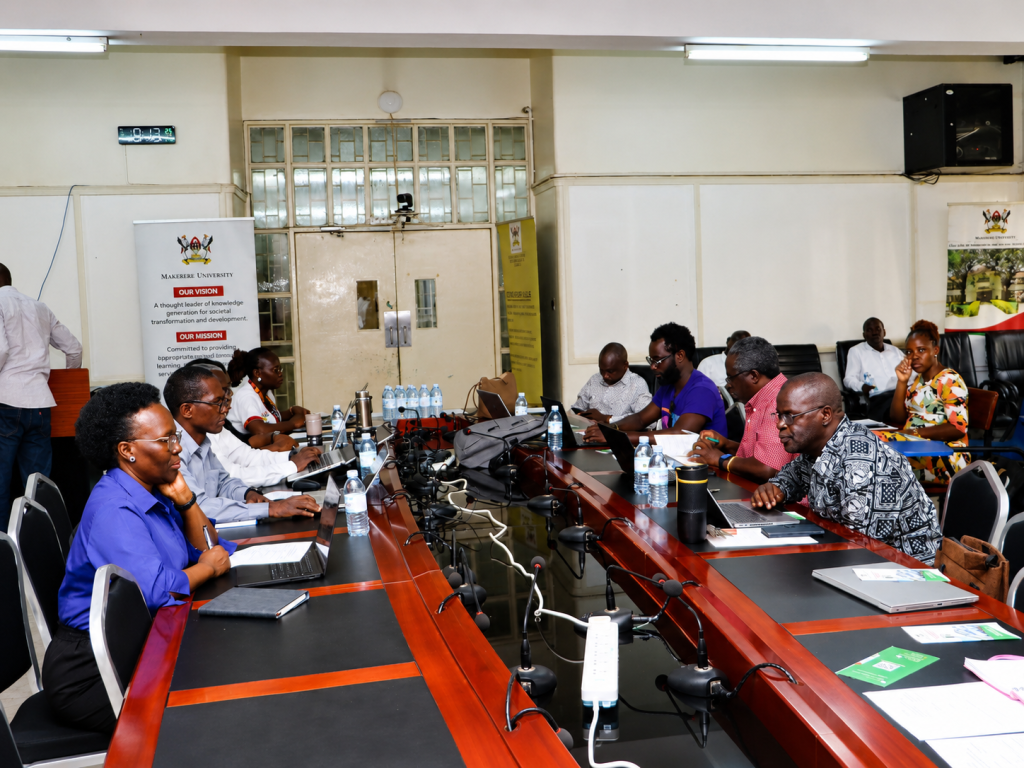
Held on Wednesday, 8th July 2026, in the CHUSS Smart Room, the seminar brought together academic and administrative staff from different departments and units across the College for a practical engagement on the grant cycle. The training focused on two key areas: searching for grants and post-award administration, with special attention to timesheets during grant execution.
The seminar was organized under the CHUSS Grants, Research and Graduate Training Unit, an initiative established to support staff and students in grant writing, resource mobilization, graduate training, and research dissemination.
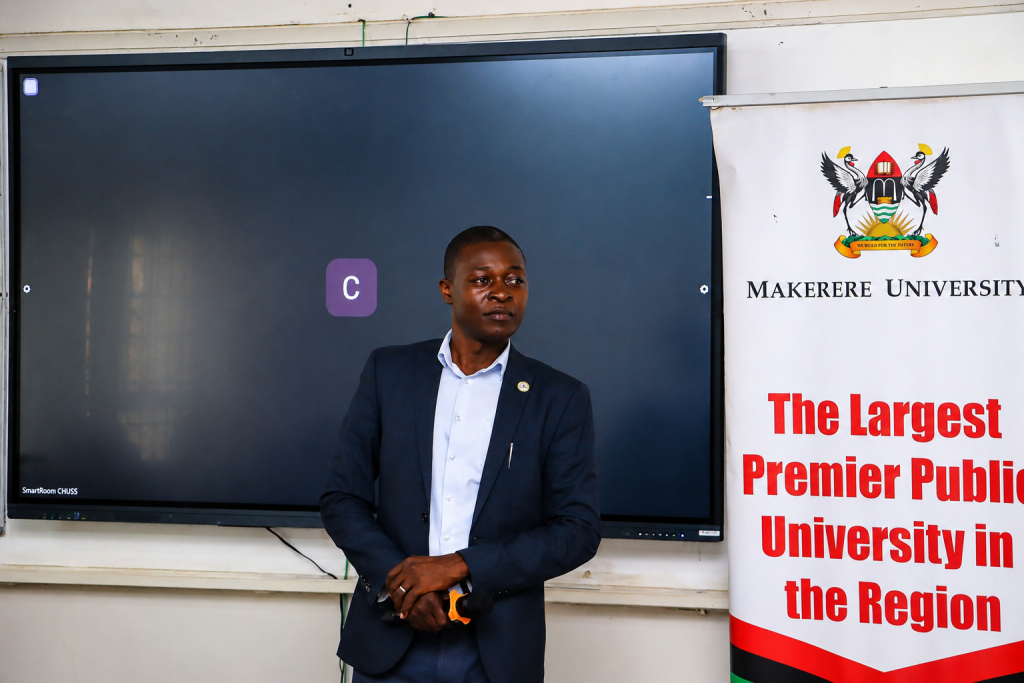
Opening the seminar, Dr. Rita Nakanjako, Coordinator of the Unit, said the training was intended to help staff strengthen their skills in identifying funding opportunities and managing the full grant cycle.
She noted that while many academics focus on winning grants, equal attention must be paid to how grants are managed after award. According to her, the College was deliberate in inviting experienced facilitators to guide staff on both the pre-award and post-award aspects of grant management.
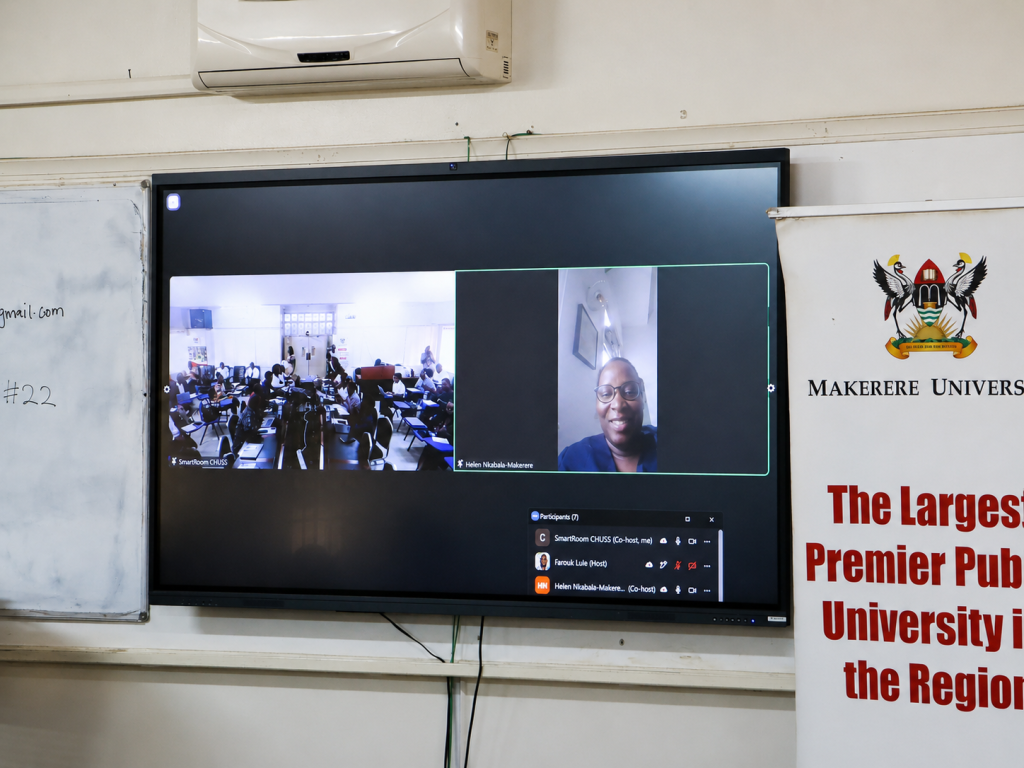
The Principal of CHUSS, Assoc. Prof. Helen Nambalirwa Nkabala, commended the organizing team for convening the seminar and thanked the facilitators for accepting to support the College.
“We are going to learn together, and we look forward to fruits after this meeting,” she said, urging staff to actively engage with the facilitators and make the most of the opportunity.
The seminar was moderated by Dr. Richard Balikoowa from the School of Psychology.
Prof. Nannyonga-Tamusuza Urges Staff to Treat Grants as Binding Commitments
The first session, facilitated by Prof. Sylvia Antonia Nakimera Nannyonga-Tamusuza from the Grants Administration and Management Support Unit (GAMSU), focused on searching for grants.
Prof. Nannyonga-Tamusuza reminded participants that a grant is not free money, but a formal commitment between the funder and the institution or researcher. She emphasized that grants come with obligations, accountability requirements, institutional procedures, and reporting responsibilities.
“A grant is not a gift or charity. It has strings,” she said.
She explained that before staff begin searching for funding, they must understand the entire grant cycle, from identifying a funding opportunity, interpreting the call, conceptualizing the project, gathering background information, developing the proposal, preparing the budget, reviewing the application, and submitting it through the appropriate institutional channels.
She warned against the tendency to focus only on the money without paying attention to eligibility, funder priorities, deadlines, institutional endorsement, and post-award obligations.
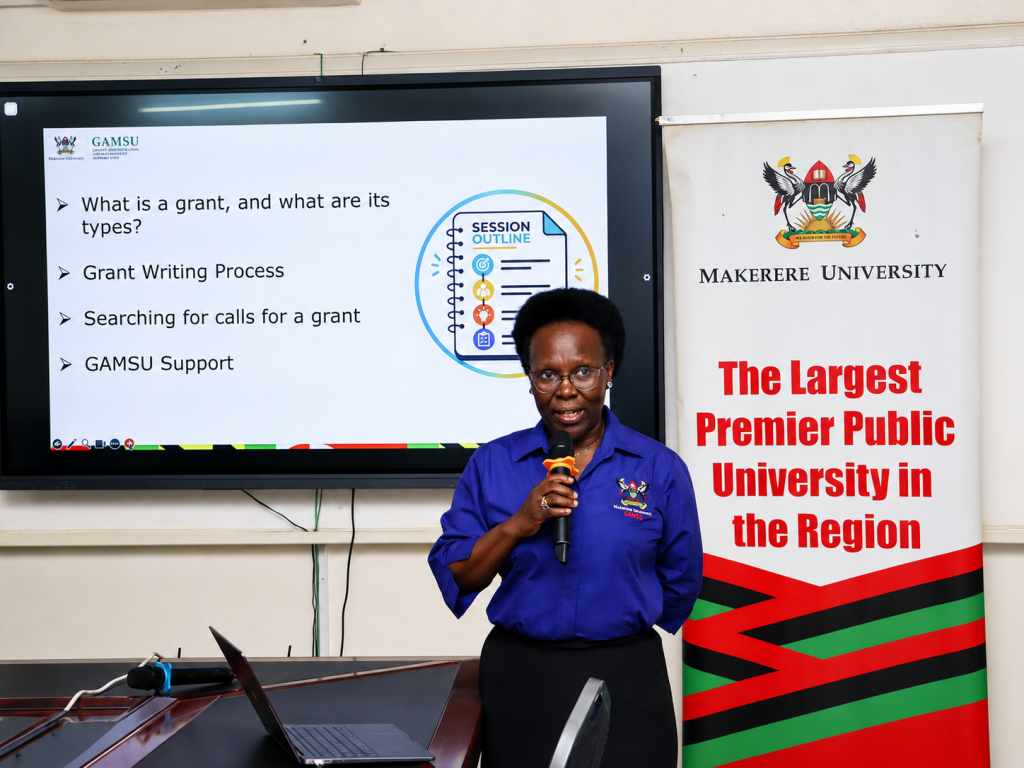
Prof. Nannyonga-Tamusuza further urged staff to read grant calls carefully, noting that some researchers spend months preparing proposals only to discover late that they are not eligible or have misunderstood the requirements of the call. She said understanding the funder’s objectives is central to developing a strong proposal.
According to her, staff should ask key questions before committing time to a proposal: whether the funder accepts unsolicited proposals, whether an invitation is required, whether the proposed idea aligns with the funder’s focus areas, whether there are geographical or thematic restrictions, and whether the budget framework supports the planned work.
She also emphasized the importance of networking in grant searching. She encouraged staff to use conferences, academic meetings, mailing lists, institutional platforms, and personal research networks as spaces for identifying opportunities and building partnerships.
“Let us begin from amongst ourselves,” she said, encouraging CHUSS staff to know one another’s research interests and explore interdisciplinary collaborations within and beyond the College.
She further advised staff to diversify their sources of funding and remain resilient in the face of rejection. She noted that grant writing is competitive, and researchers should not give up after one unsuccessful application.
Prof. Nannyonga-Tamusuza also introduced participants to funding platforms, including Grant Forward, and encouraged staff to create accounts, search regularly, track opportunities, and use the support available through GAMSU.
She explained that GAMSU supports researchers through grant opportunity identification, pre-proposal review, funder fit assessment, access to institutional documents, guidance on eligibility, and pre-award workflow processes. She also reminded staff that grants obtained through Makerere University must comply with both funder requirements and institutional procedures.
Prof. Masembe Demystifies Post-Award Administration and Timesheets
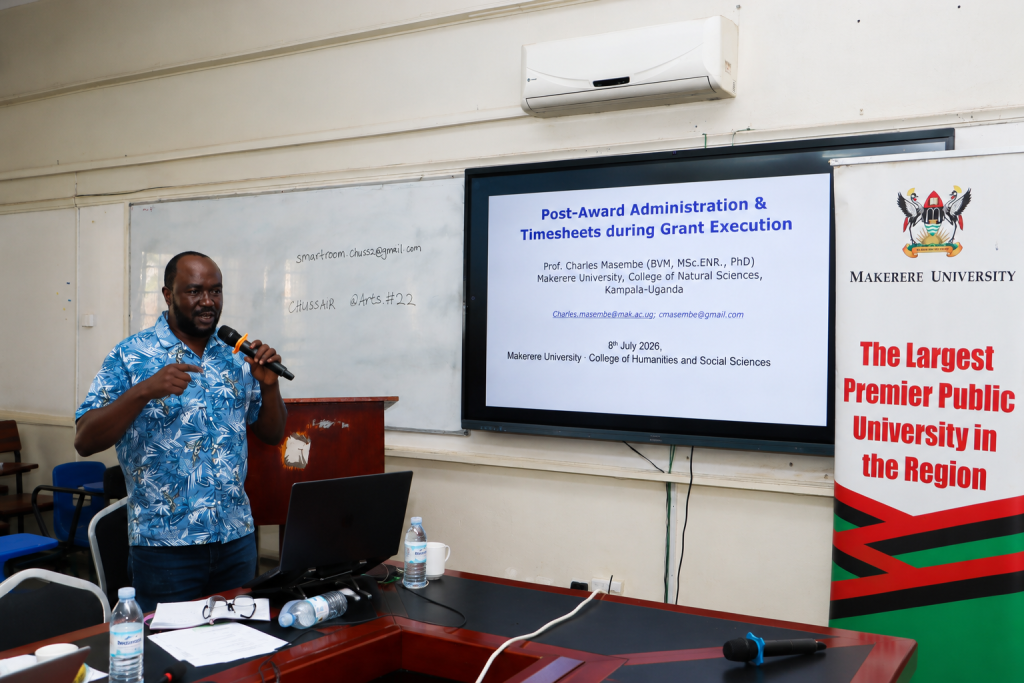
The second session was facilitated by Prof. Charles Masembe from COVAB, who spoke on post-award administration and timesheets during grant execution. He was introduced by Dr. Zaid Sekito, who welcomed him to CHUSS and noted that the second session would complement the earlier discussion on searching for grants.
Prof. Masembe emphasized that winning a grant is only the beginning of another demanding phase. He said the award letter should not be treated as the end of the process, but as the beginning of implementation, accountability, documentation, reporting, and compliance.
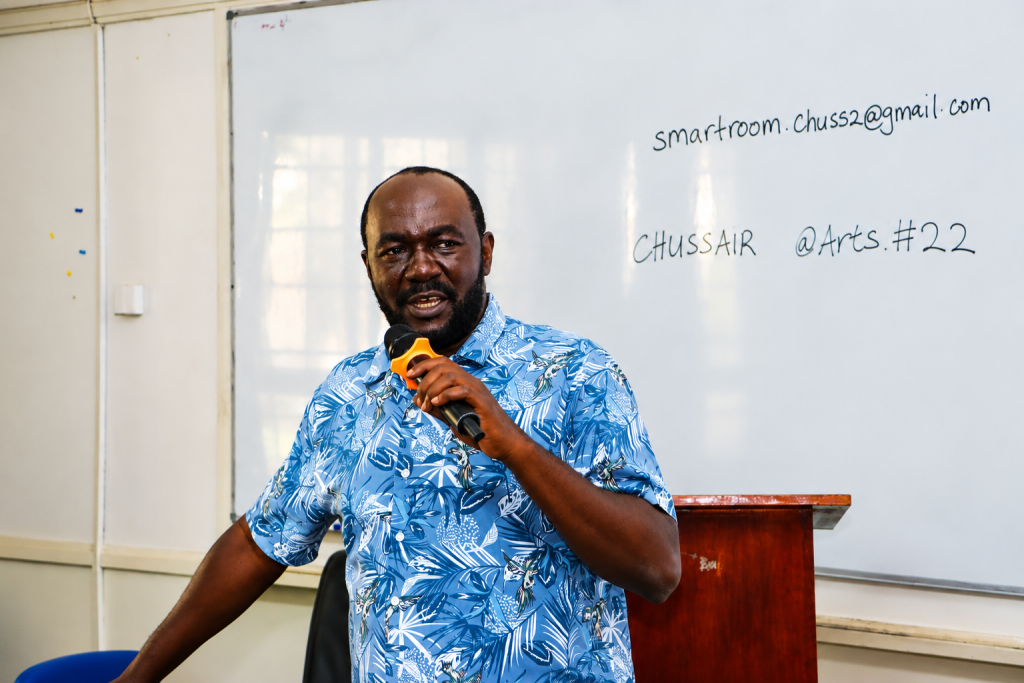
“The grant cycle does not end with the award letter,” he said.
Drawing from his experience managing large research grants, Prof. Masembe guided participants through the responsibilities that come after a grant is awarded. These include setting up the award, understanding the contract, negotiating terms where necessary, monitoring budgets, spending within approved lines, meeting reporting deadlines, and documenting all work done under the project.
He warned researchers against spending outside the approved budget lines, saying such mistakes often return to affect the Principal Investigator and the institution. He advised that every team member should understand the grant agreement, budget, timelines, and reporting expectations.
Prof. Masembe also discussed the concept of burn rate, explaining that funders expect project funds to be spent according to approved activities and within agreed reporting periods. He said delayed spending, poor documentation, and weak communication with administrators can affect the release of subsequent funds.
On timesheets, Prof. Masembe explained that they are important evidence that work charged to the grant was actually done. He encouraged staff to record activities as they happen rather than reconstructing them later.
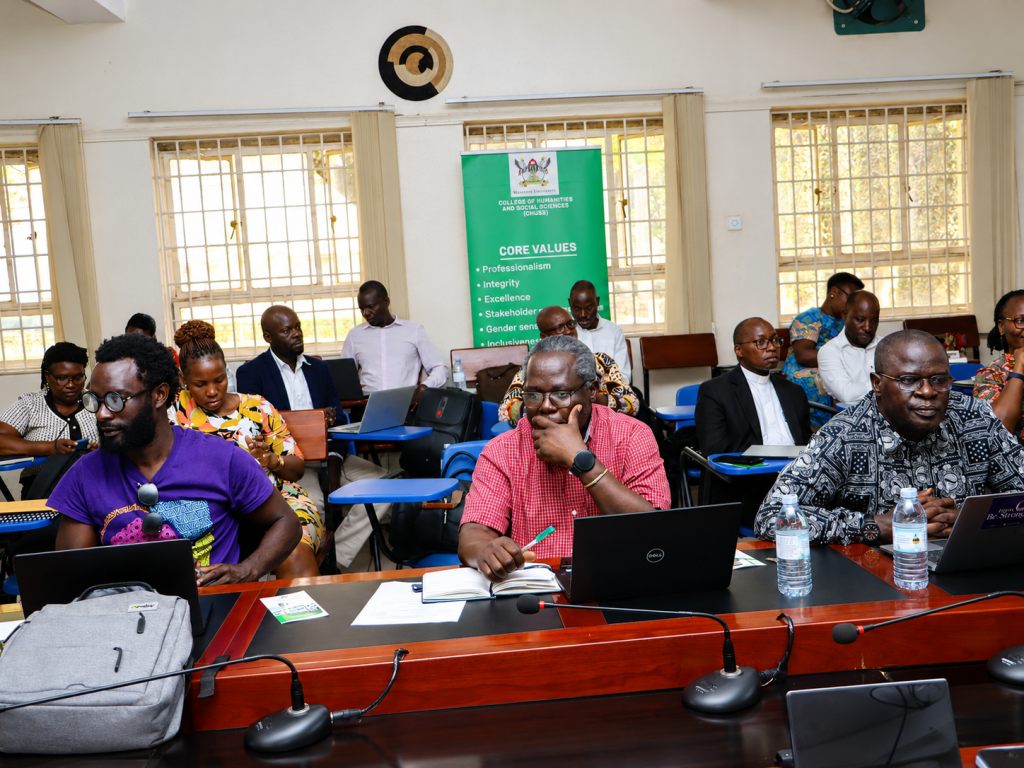
He noted that timesheets help project teams track effort, justify payments, demonstrate compliance, and provide evidence during audits. He advised participants to break project activities into smaller tasks that can be clearly documented and linked to outputs.
He also encouraged staff to prepare back-to-office reports after field activities, keep records of meetings and tasks completed, and ensure that supervisors sign off on timesheets where required.
Participants were taken through practical examples of timesheet preparation, level of effort calculation, and identification of compliance errors. The session enabled staff to reflect on how much academic and administrative work often goes undocumented.
Staff Call for More Training and Institutional Support
During the discussion, participants appreciated the practical nature of the seminar, noting that it had helped them understand the systems behind grant management. Some observed that CHUSS staff already do a lot of work that is not properly captured, while others noted the need for more training on grant writing, budgeting, and compliance.
Participants also called for future sessions to involve administrators and university management so that institutional systems can better support researchers in implementing grants efficiently.
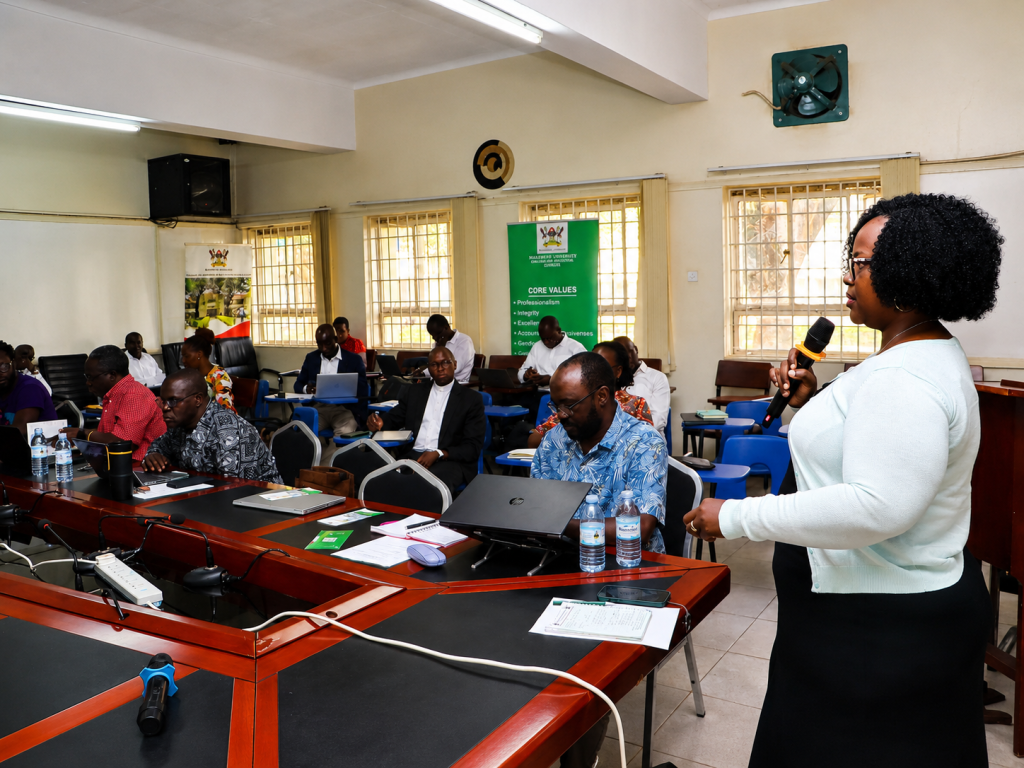
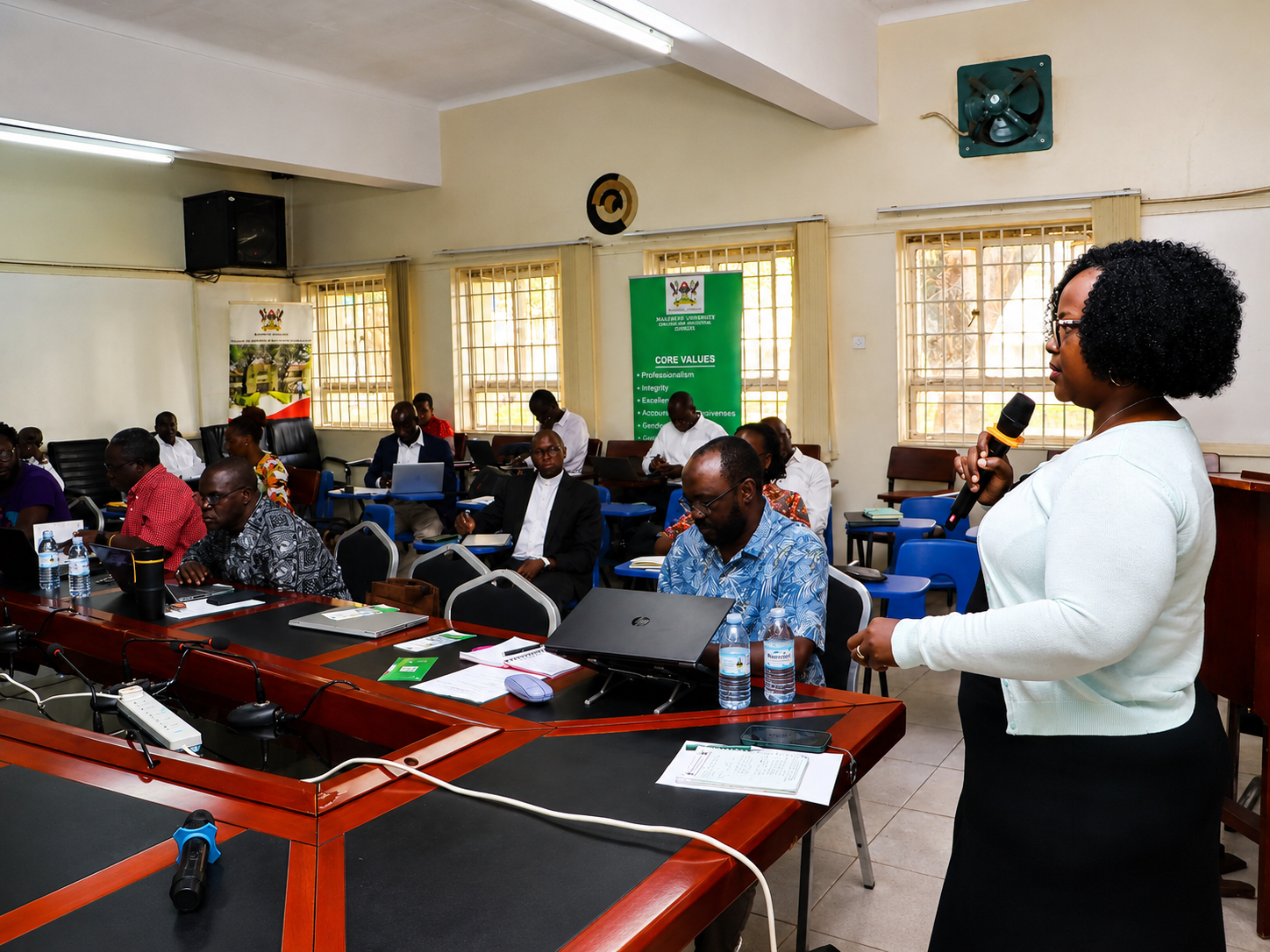
In her closing remarks, Dr. Nakanjako thanked Prof. Nannyonga-Tamusuza and Prof. Masembe for sharing practical knowledge with the College.
She said one of the key lessons from the seminar was the need for staff to start small, build confidence, and grow into larger grants. She urged participants to always understand deliverables, read and re-read calls, study budget frameworks, and prioritize content based on funder requirements.
She also noted the importance of networking, financial stewardship, compliance, reporting, record keeping, and breaking down project activities into manageable tasks.
Dr. Nakanjako said the CHUSS Grants, Research and Graduate Training Unit would continue supporting staff and students in resource mobilization, graduate training, research dissemination, and grant writing.
She further revealed that the College intends to organize follow-up engagements to assess what staff have learned, identify remaining gaps, and extend the training to more members of the College community.
The seminar ended with a renewed call for CHUSS staff to take advantage of available funding opportunities, strengthen internal collaboration, and position the humanities and social sciences more visibly in the research and grants landscape at Makerere University.