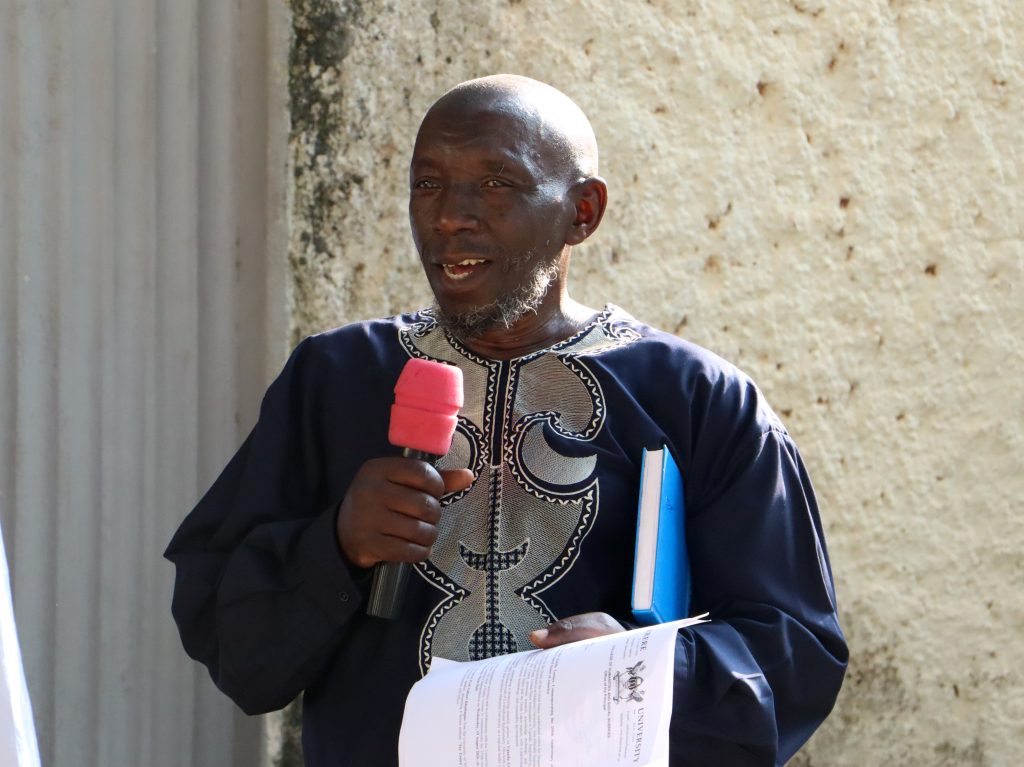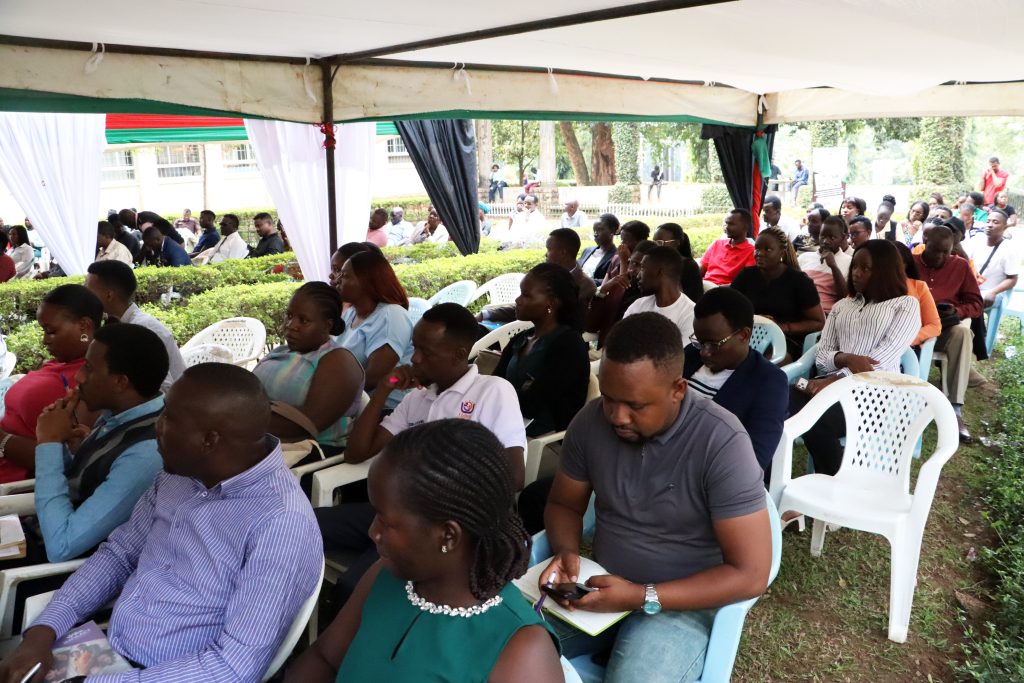
Graduate students admitted to Makerere University’s College of Humanities and Social Sciences (CHUSS) have been urged to defend the relevance of the humanities through impactful research, academic excellence and timely completion of their studies.
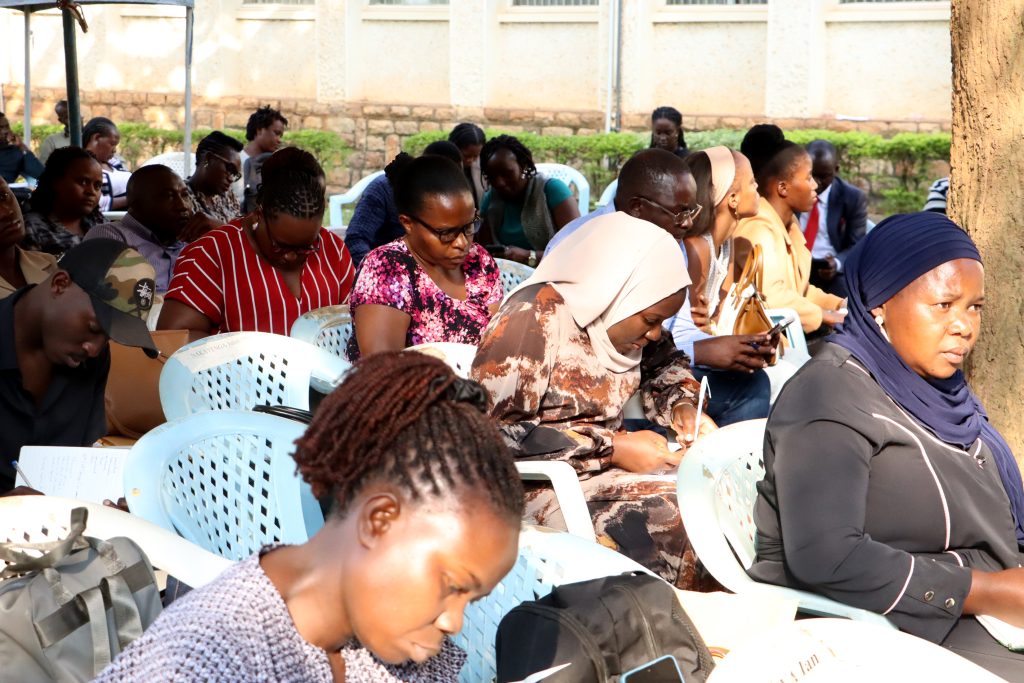
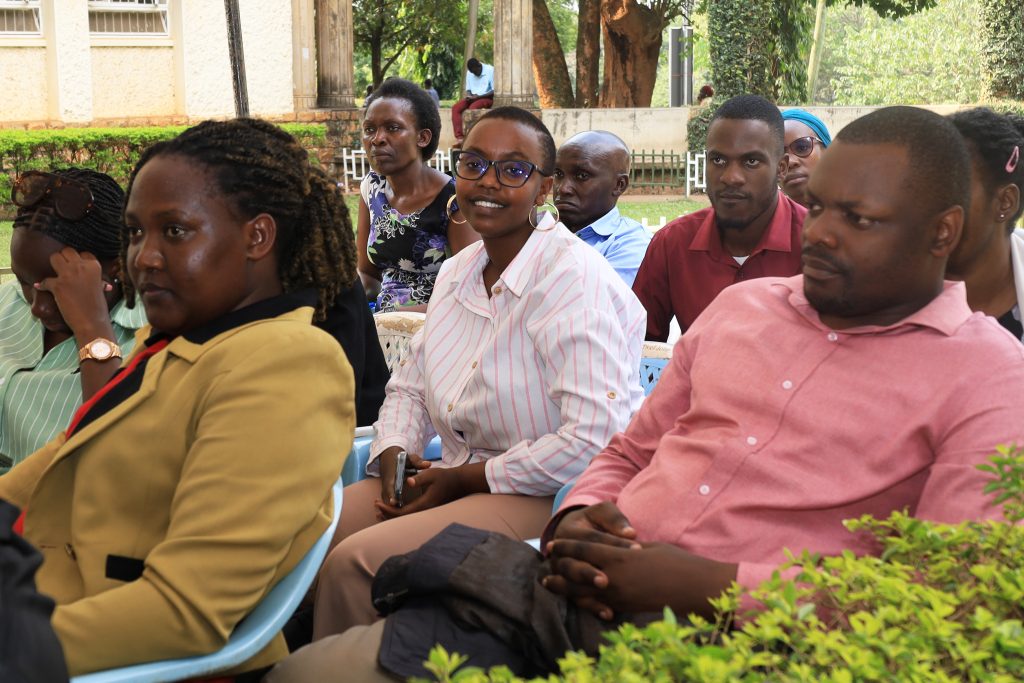
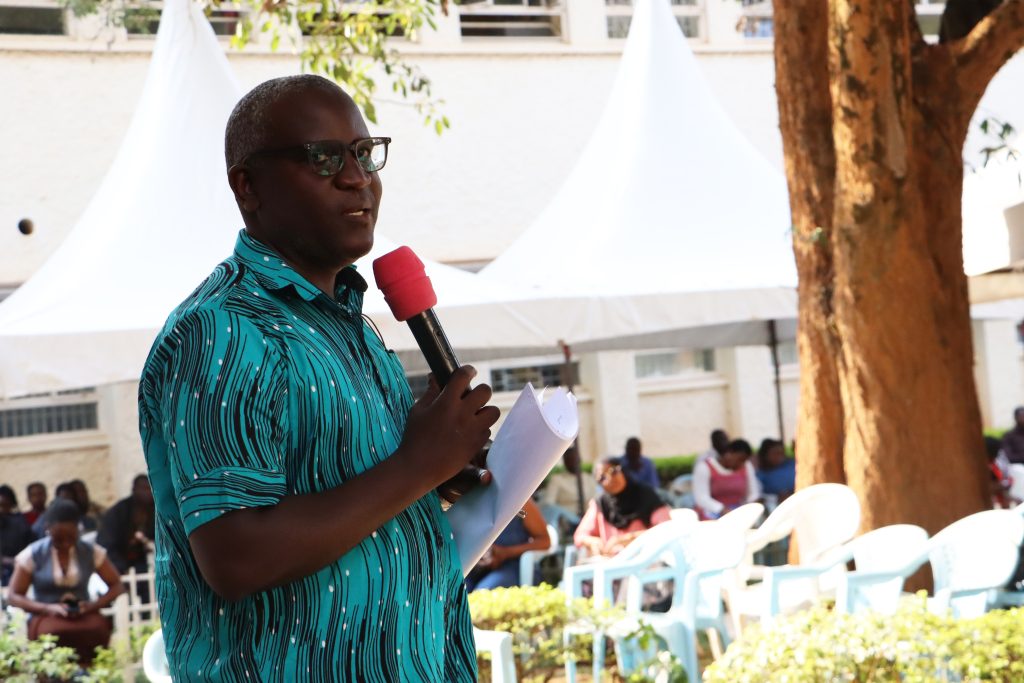
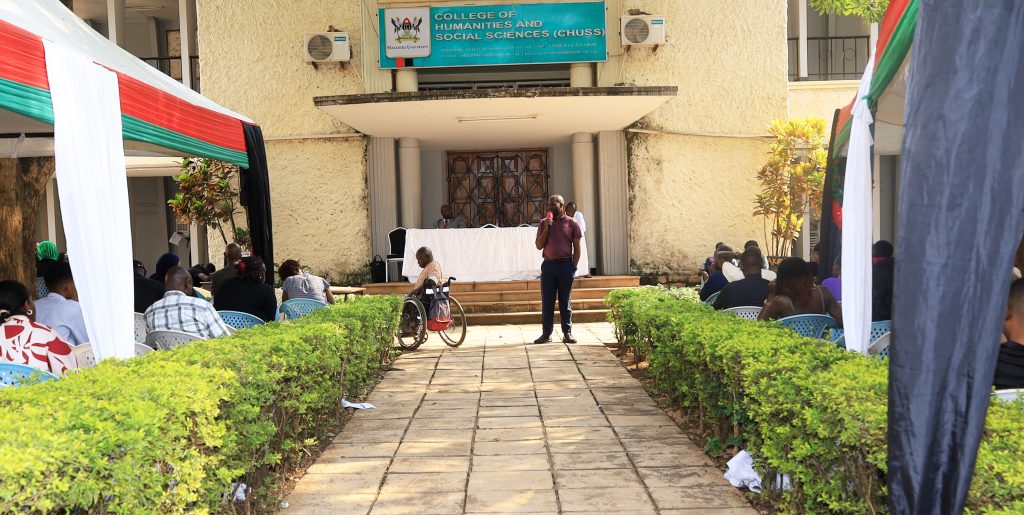
The call was made by the Principal of CHUSS, Associate Professor Helen Nambalirwa Nkabala, during the orientation of more than 200 master’s and PhD students held on Thursday August 6 2026 at the Arts Quadrangle.
The orientation also featured guidance from school leaders and university officials on graduate study expectations, academic regulations, registration, digital services and financial management.
Principal urges students to champion the humanities
Prof. Nkabala challenged graduate students to become the next generation of scholars, researchers and academic leaders by actively participating in research and strengthening the visibility of the humanities and social sciences.
She encouraged students to join research groups, build professional networks and contribute solutions that demonstrate the importance of humanities disciplines to society.

“You know that the humanities and social sciences are under threat. They are many times relegated to the periphery. It is my role and your role to defend the humanities and social sciences, not by only talking… but by also showing them that they cannot do without us,” she said.
The principal assured students that the college had strengthened graduate supervision to ensure master’s students complete their programmes within one and a half years and PhD candidates within two and a half years.
She further urged learners to cooperate with supervisors, participate in seminar presentations, build peer support networks and seek help whenever they encounter academic or personal challenges.
School of Liberal and Performing Arts emphasizes responsibility
The Dean of the School of Liberal and Performing Arts, Dr. Pamela Khanakwa, urged students to take ownership of their graduate studies by setting clear academic goals and remaining accountable for their progress.
She reminded learners that graduate education demands discipline, commitment and careful planning, warning that unnecessary delays could result in deregistration.
“So whatever you do should be taking you in that direction. But if you digress and spend most of the time detouring, then maybe by the time you come back on the road, we are telling you, no, you have overstayed,” she said.
Dr. Khanakwa encouraged students to regularly consult school registrars and academic staff for guidance and described graduate education as an opportunity to contribute to knowledge production.
School of Social Sciences calls for timely completion
Representing the Dean of the School of Social Sciences, Dr. Peter Nareeba, welcomed the new students and encouraged them to manage their time effectively throughout their graduate studies.

He reminded learners that they had joined the university for a specific purpose and should remain focused on completing their programmes within the prescribed timelines.
“You are here for a reason and a season,” he said.
He also encouraged students to familiarize themselves with their departments and school administrative offices, noting that additional orientation sessions would be conducted at school level.
Bursar explains tuition payment procedures
College Bursar Michael Mbaine guided students through the university’s electronic payment system, explaining that tuition and functional fees are processed through payment reference numbers generated on the student portal.
He informed students that fees could either be paid in full or in instalments depending on individual financial circumstances.

“We are also happy if you want to make a full-year payment. The system allows it… You do not need to pay all the tuition at once. You can make small payments until you pay up all the tuition,” he said.
He advised students to monitor their payment status through the online portal and seek assistance from the college accounts offices whenever necessary.
ICT Directorate urges activation of digital services
Representing the Directorate for ICT Support (DICTS), Arthur Opio encouraged students to activate their student portals and university email accounts immediately after registration to access essential academic services.
He explained that the portal enables students to enrol, generate payment reference numbers, access academic records and examination information, while university email accounts provide access to online learning platforms and the Eduroam wireless network.
“Your email address is power to you,” Opio said, noting that it gives students access to university digital resources wherever Eduroam is available.
Registrar warns against examination malpractice
College Registrar Vincent Abigaba urged graduate students to complete registration early, pay tuition before examinations and familiarize themselves with university academic regulations.
He warned that attempting examinations without valid permits or engaging in plagiarism and other forms of academic dishonesty could result in suspension, dismissal or discontinuation.
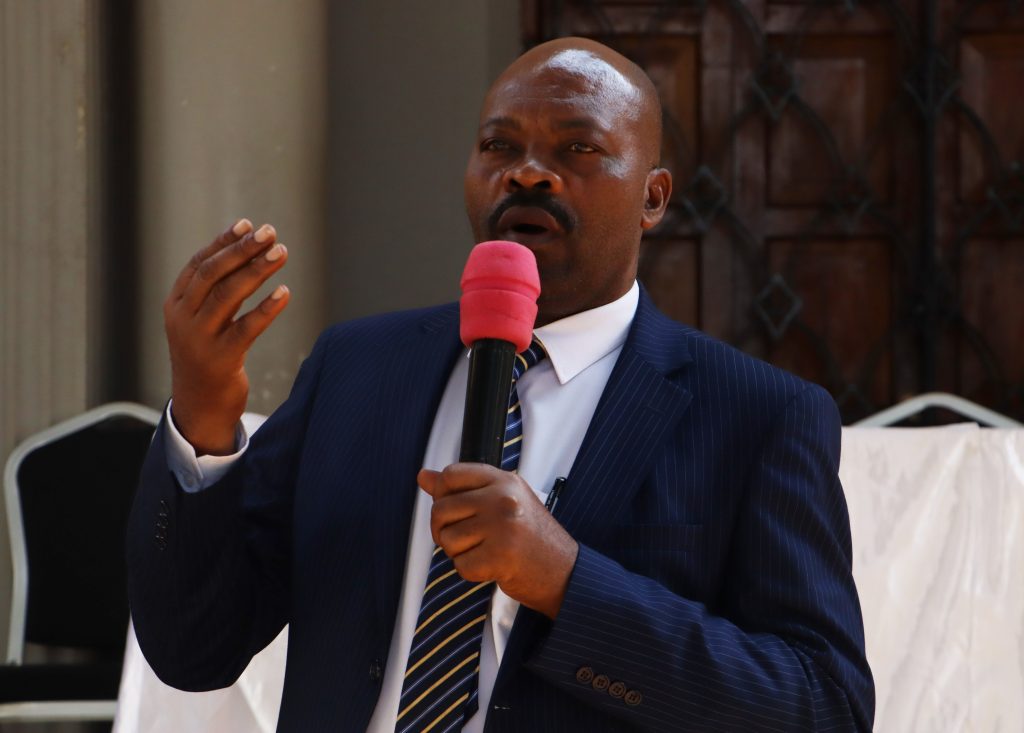
“When you have any challenges… come to my office. We shall discuss, I will guide you,” Abigaba said, encouraging students to seek assistance whenever they face academic, administrative or personal difficulties.
The registrar also urged learners to read the Graduate Handbook and university regulations to better understand their rights and responsibilities throughout their graduate studies.
The orientation concluded with a question-and-answer session during which university officials addressed concerns about programme timetables, registration, online systems and departmental orientation schedules before students interacted with college leaders over refreshments.
Report by Jane Anyango Principal Communication Officer
Photo credits: Peninah Nalubega 4th year Journalism and Communication student