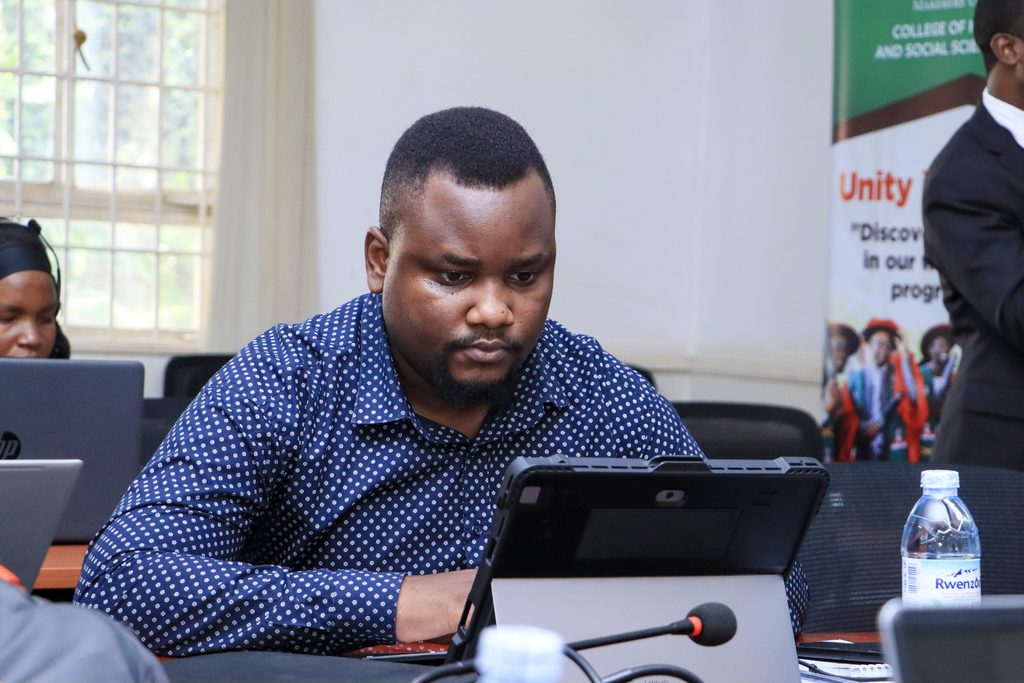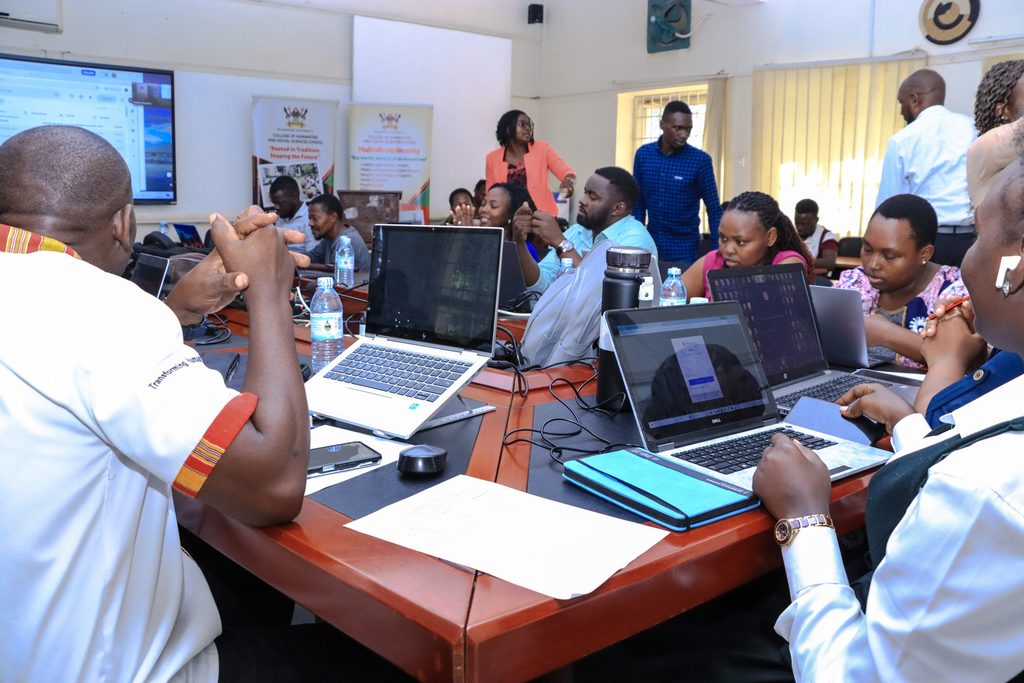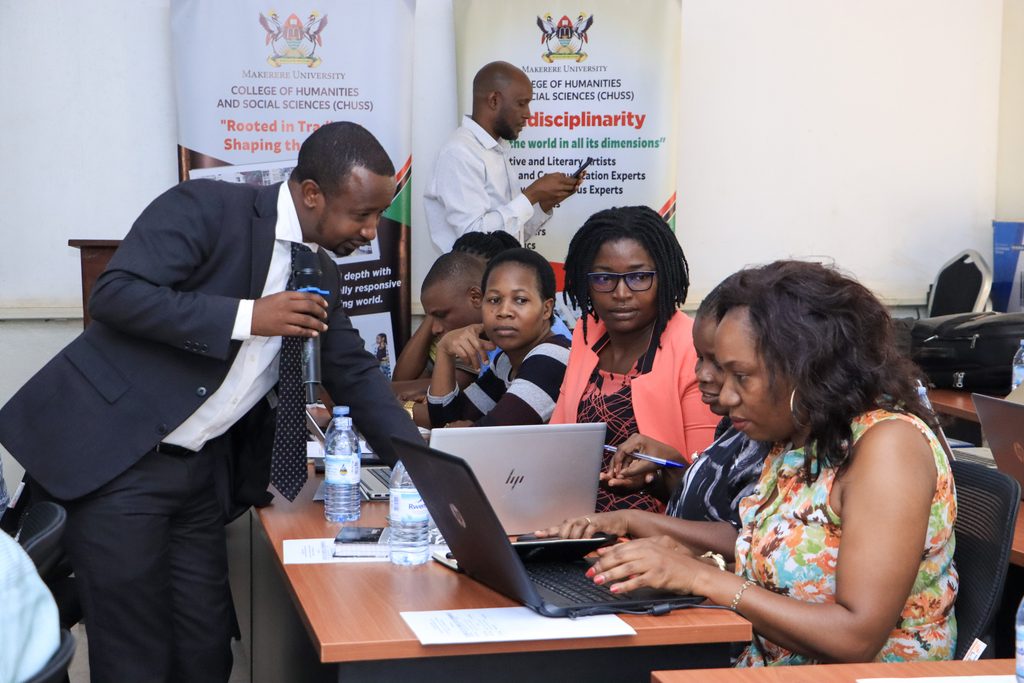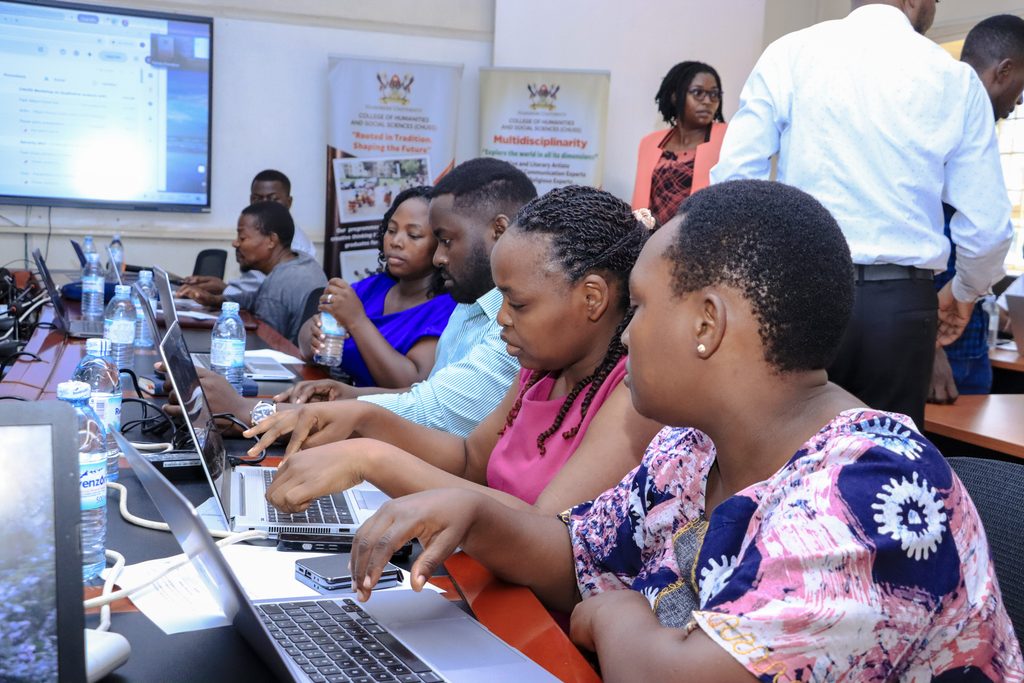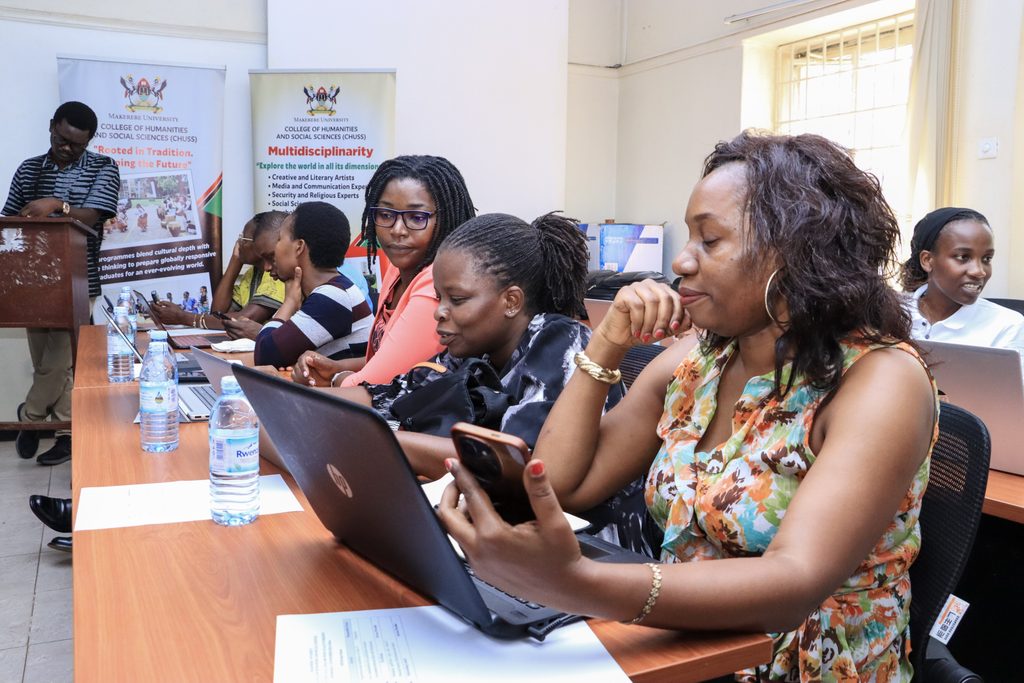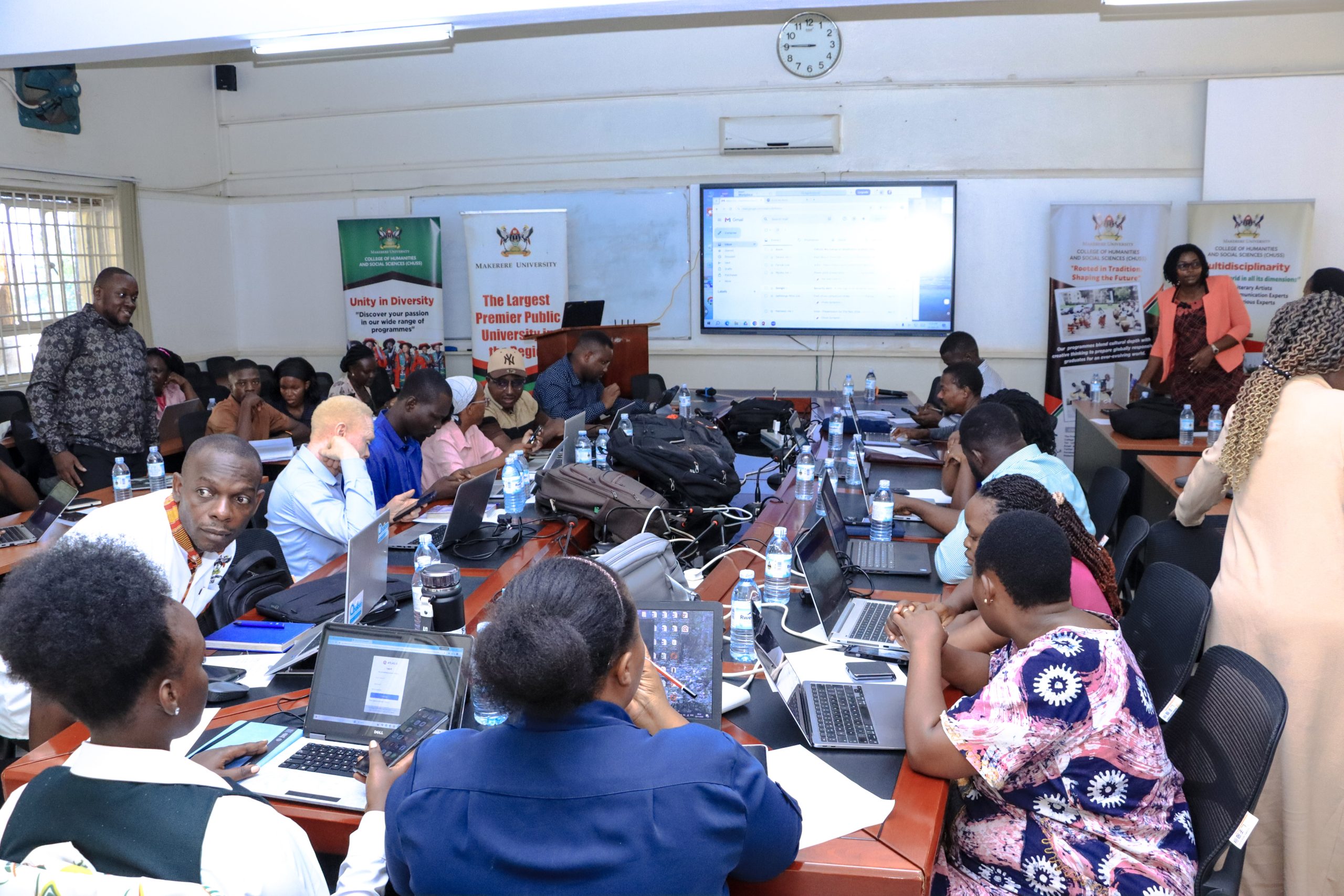
Graduate students at Makerere University’s College of Humanities and Social Sciences (CHUSS) have received practical training in the use of ATLAS.ti software to improve qualitative data analysis, with facilitators saying the technology could help address delays in postgraduate research and graduation.
The course facilitator, Deogracious Musimenta gifted students with free log-in credentials to enable them access the software throughout their research life without requirement for license renewal.
ATLAS.ti is a qualitative data analysis application that allows researchers to bring different kinds of material into a project and examine them systematically. These can include interview transcripts, written documents, photographs, audio recordings and videos.
Its origins lie in an interdisciplinary research project launched with support from the Technical University of Berlin in Germany in 1989. According to ATLAS.ti’s account of its history, Thomas Muhr released the first commercial version in 1993. The application has since developed to support researchers working with a wider range of material.
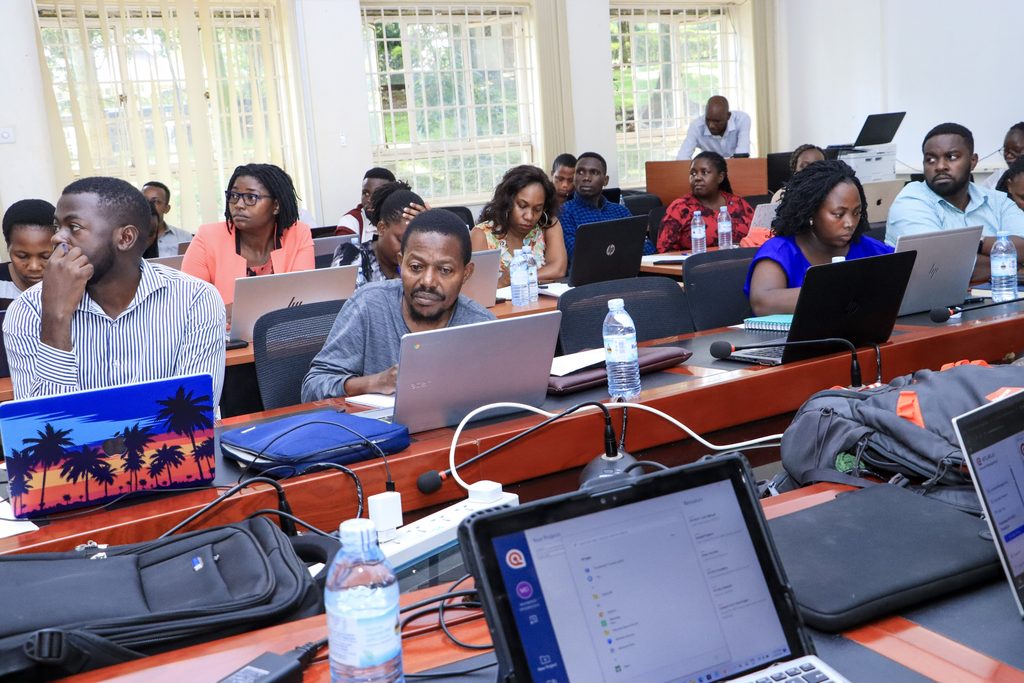
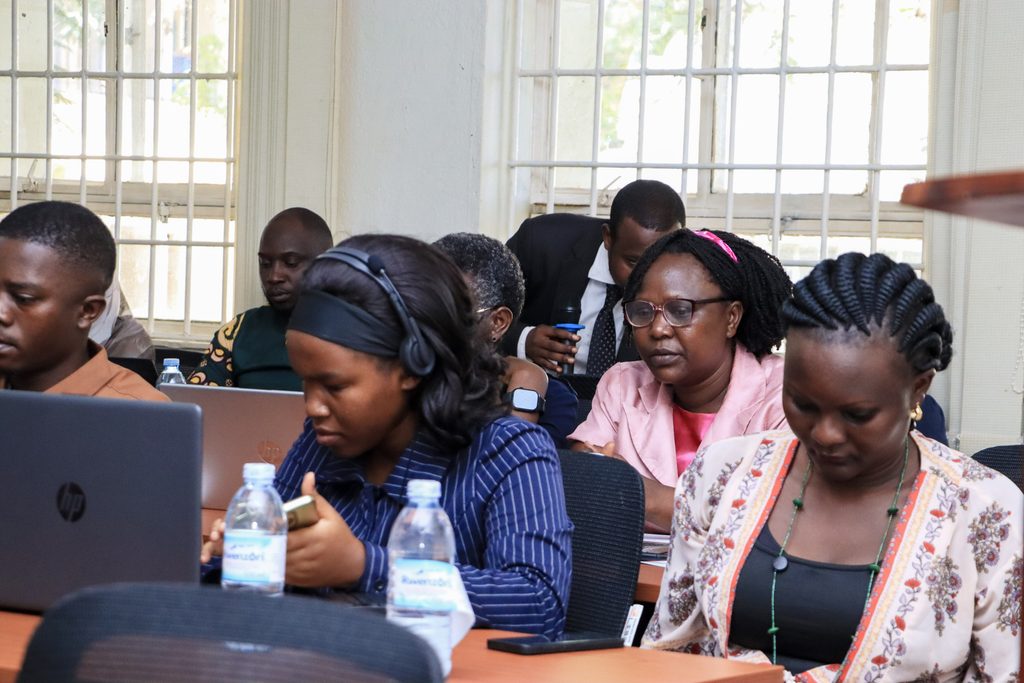
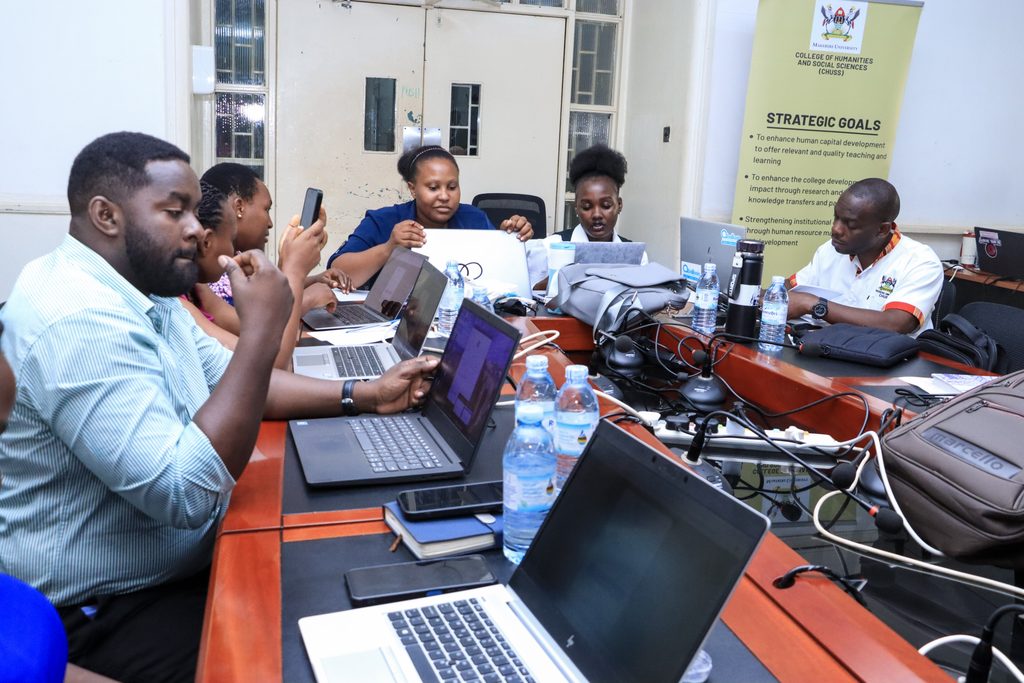
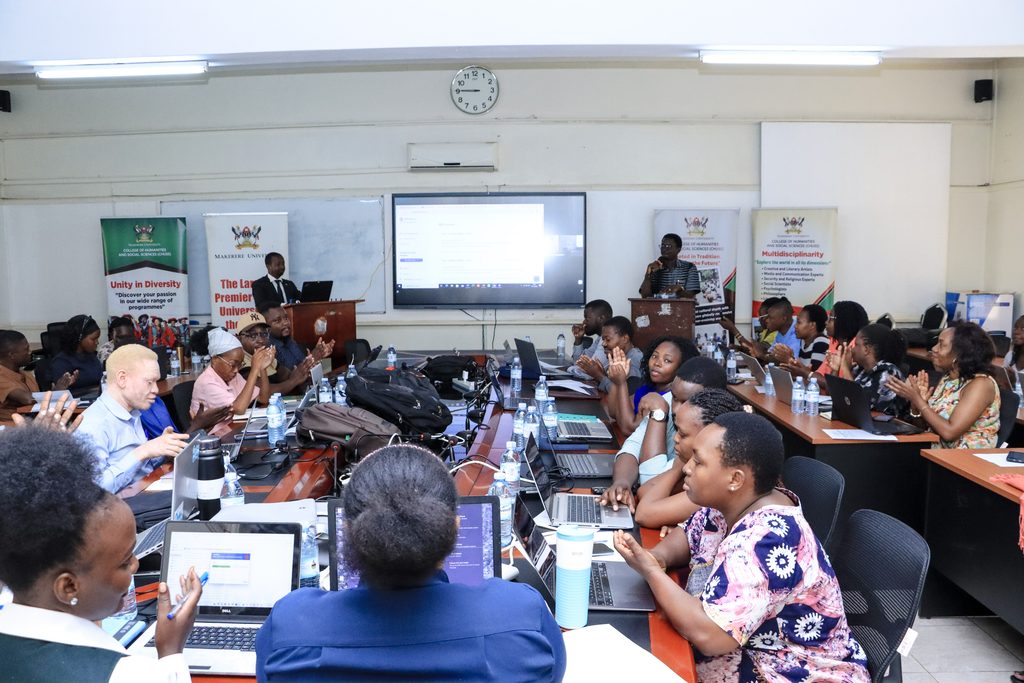
The training, held on Wednesday, November 25, 2026, in the CHUSS Smart Room, focused on equipping students with skills to collect, organise, code, analyse and interpret qualitative data obtained from interviews, focus group discussions, observations and documentary sources.
Organised by Dr Jimmy Spire Ssentongo, the workshop sought to introduce graduate students to computer-assisted qualitative data analysis tools, which he said remain less familiar to many researchers compared to software used in quantitative research.
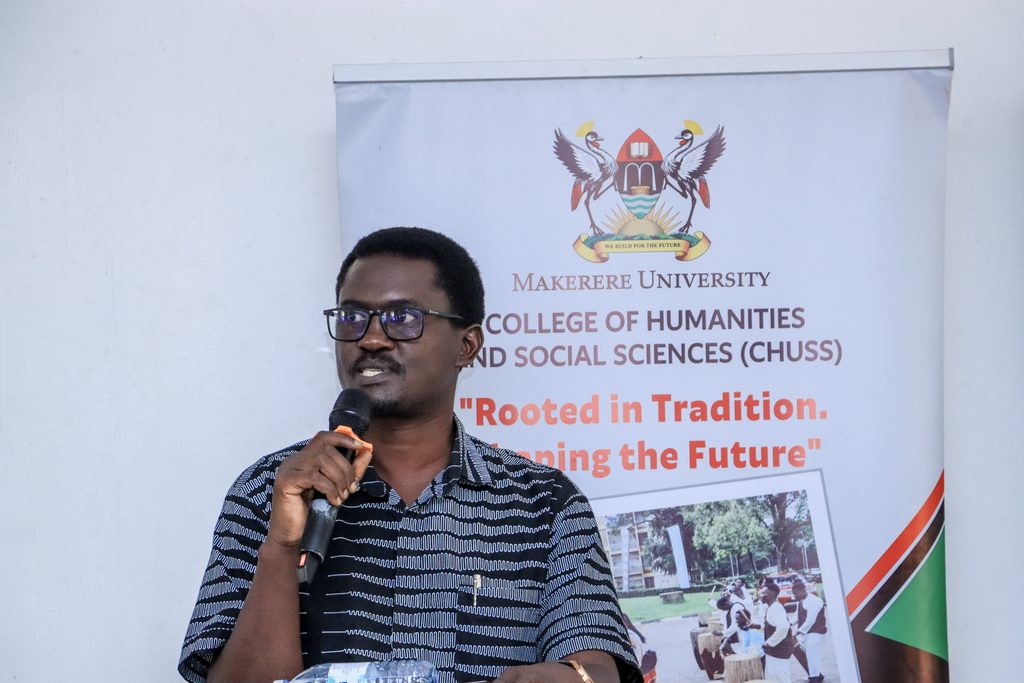
In an opening discussion, Dr. Spire Ssentongo examined how research questions influence the choice of methods, why different perspectives matter and what researchers must do to prepare reliable information for analysis.
The programme then moved to a practical demonstration of ATLAS.ti, an application that helps researchers manage and examine qualitative data.
The discussion brought a central point into focus: software can make large amounts of information easier to handle, but a researcher must still decide what to study, collect evidence responsibly and explain what the findings mean.
“Many students don’t know how to use them. This has mainly been meant to equip them with skills on how to use software like ATLAS.ti to analyse data, but also to know that such possibilities are there, that they don’t have to suffer manually with their research when they can get such easier ways of managing their data,” Ssentongo said.
He added that the training was an introduction to the available technological tools, encouraging participants to build on the knowledge acquired through further learning and independent practice.
Understanding different experiences without losing sight of facts
Ssentongo encouraged researchers to think about the assumptions they bring to their work and how these influence the questions they ask and the conclusions they draw.
He explained that people may describe the same issue differently because they occupy different positions and have different experiences. A policymaker, a programme implementer and a person receiving a service will not necessarily see the same situation in the same way.
Qualitative research, he observed, provides a way to explore those differences rather than forcing every account into a single description. The researcher’s task is to understand what each participant is saying and why that perspective may matter to the question under investigation.
Ssentongo also distinguished between understanding different experiences and treating every statement as an equally uncertain fact. Some matters can be checked directly: the number of people who attended a focus group, for example, can be counted even when those participants have different views about the topic discussed.
He urged researchers to remain attentive to the limits of their evidence. A small group of participants can provide valuable insight, but its views should not automatically be presented as those of an entire institution or population. Researchers need to explain whom they spoke to and make claims that fit the information they actually collected.
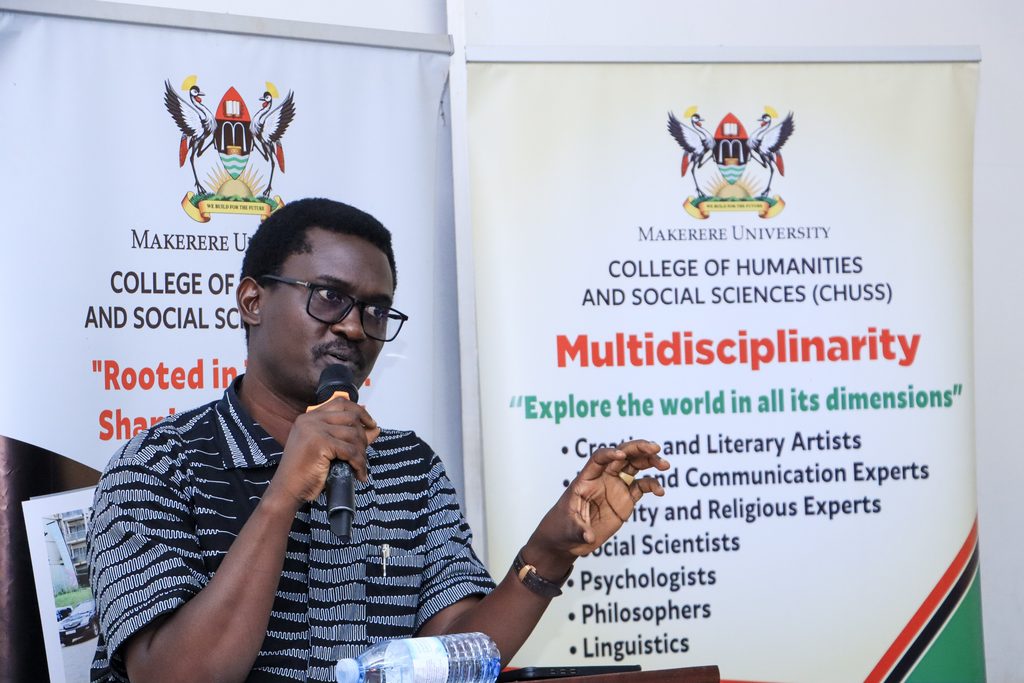
The discussion also considered saturation, a term researchers use when further data collection is no longer yielding significant new insights relevant to the study. Ssentongo cautioned against assuming that saturation has been reached merely because several participants have given similar responses. The similarity could also reflect who was selected and the range of experiences included in the study.
Why Ssentongo turned to ATLAS.ti
Ssentongo drew on his own doctoral research to explain why an application such as ATLAS.ti can be useful when qualitative material grows.
He recalled facing approximately 500 pages of interview and focus group transcripts and initially planning to analyse them manually. A supervisor encouraged him to learn ATLAS.ti, introducing him to another way of organising and working through the material.
The experience illustrated a common challenge for students: after spending weeks or months collecting information, they must still work out how to find important passages, compare accounts and keep a clear connection between their findings and the original material.
Learning a new application can seem demanding at first, but Ssentongo’s example showed why a researcher might invest time in a tool that makes it easier to manage a large body of evidence. The point, he emphasised, was not to let software think on the researcher’s behalf, but to use it to support a task that still requires careful reading and interpretation.
ATLAS.ti software facilitates rigorous analysis, say lead trainer
The course facilitator, Deogracious Musimenta, an implementation research scientist, said ATLAS.ti could help graduate students overcome some of the challenges associated with analysing large volumes of qualitative data.
Musimenta said the software facilitates rigorous analysis of complex research projects by enabling researchers to code, group and compare data, generate visual representations and identify patterns that would otherwise require considerable manual effort.
He noted that the technology could help students complete research projects more efficiently, potentially reducing delays in postgraduate studies.
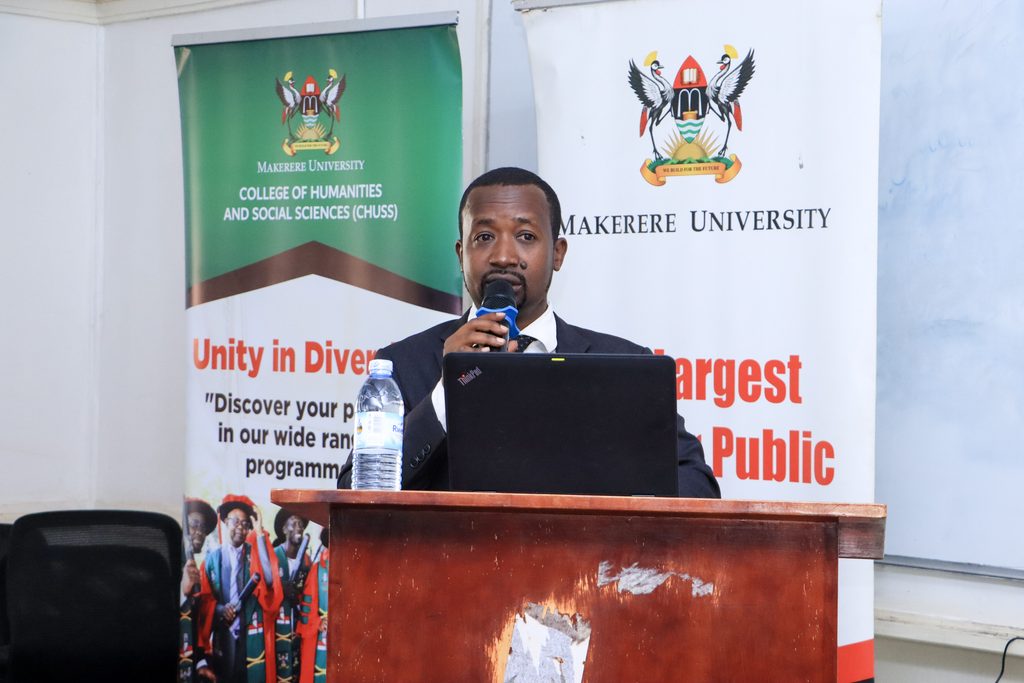
“Students have been left behind, not graduating on time, because qualitative projects are so hectic to them. Now, they have got this software, data analysis plan and techniques to always graduate on time,” Musimenta said.
He explained that ATLAS.ti can transform qualitative information, including narratives and interview transcripts, into visual representations such as cognitive maps and models, making research findings easier to interpret and present.
Musimenta urged Makerere University management to consider adopting the software across academic departments, beginning with CHUSS, arguing that access to the technology would strengthen research capacity among master’s and doctoral students as well as academic staff.
He further recommended that the college acquire an institutional licence to ensure sustained access to the software and enable more students and researchers to benefit from the training.
According to Musimenta, strengthening qualitative research skills would extend beyond academic publications to areas such as policy formulation, programme evaluation, implementation research and programme design.
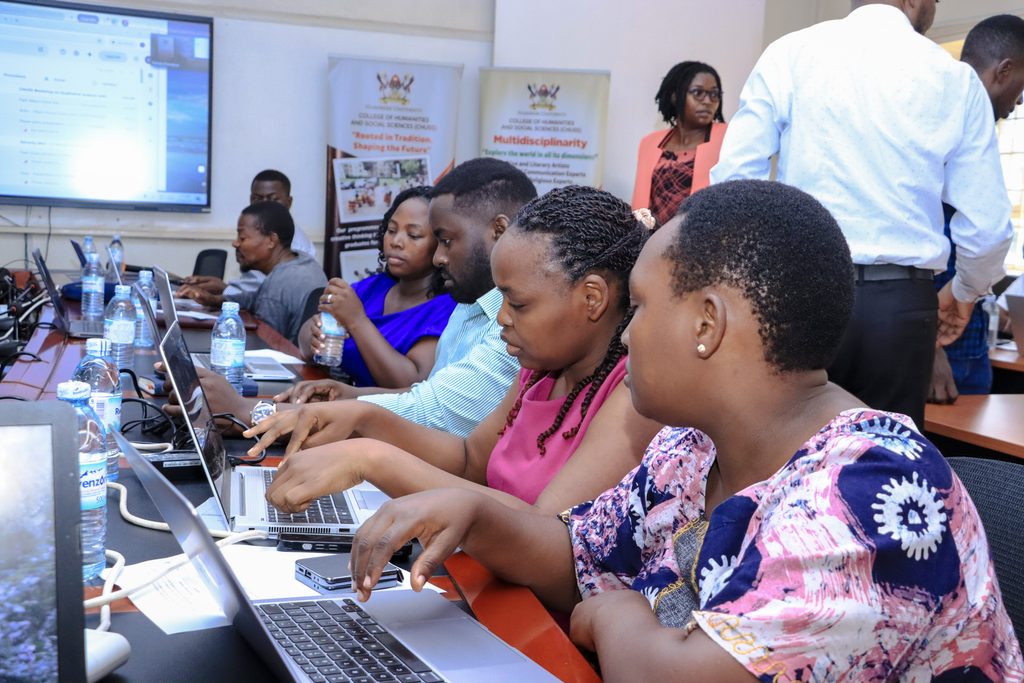
He said research findings generated through qualitative approaches could help inform government policies by providing insights into community needs and experiences.
Musimenta also disclosed that participants had been provided with free login credentials to access the software, describing the gesture as part of his commitment to promoting knowledge transfer and strengthening research capacity among African scientists.
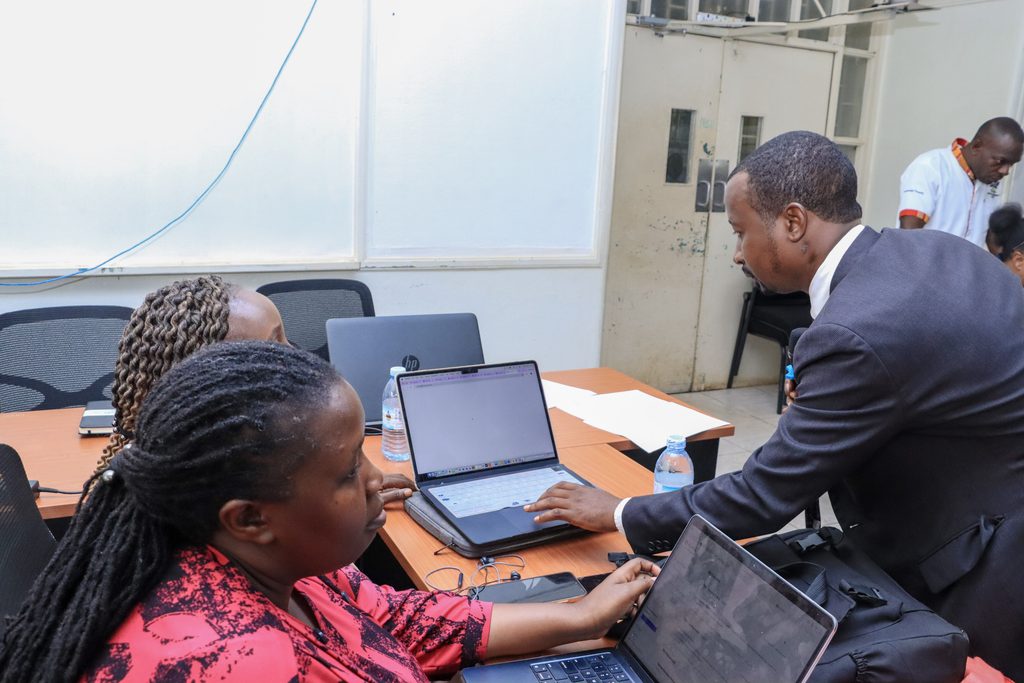
Musiimenta, who works with the Center for Applied Research and Documentation and was introduced as a certified ATLAS.ti trainer, guided participants through creating a project, importing documents and grouping transcripts. He also explained how researchers can organise sections of their data with labels known as codes and use those labels to develop findings.
Let the research question guide the method
Musiimenta told participants that choosing a research method should begin with the question being asked, rather than with what appears easiest or most familiar.
Quantitative research can help establish how many people are affected by an issue or how often something happens. Qualitative research, on the other hand, can help a researcher understand people’s experiences, beliefs, explanations and the circumstances behind their responses. A study can also combine the two when its objectives require both types of information.
For instance, numbers may show the proportion of people who use a health service, but interviews can help explain why some people use it and others do not. The two approaches can therefore answer different parts of a problem rather than compete for a single correct method.
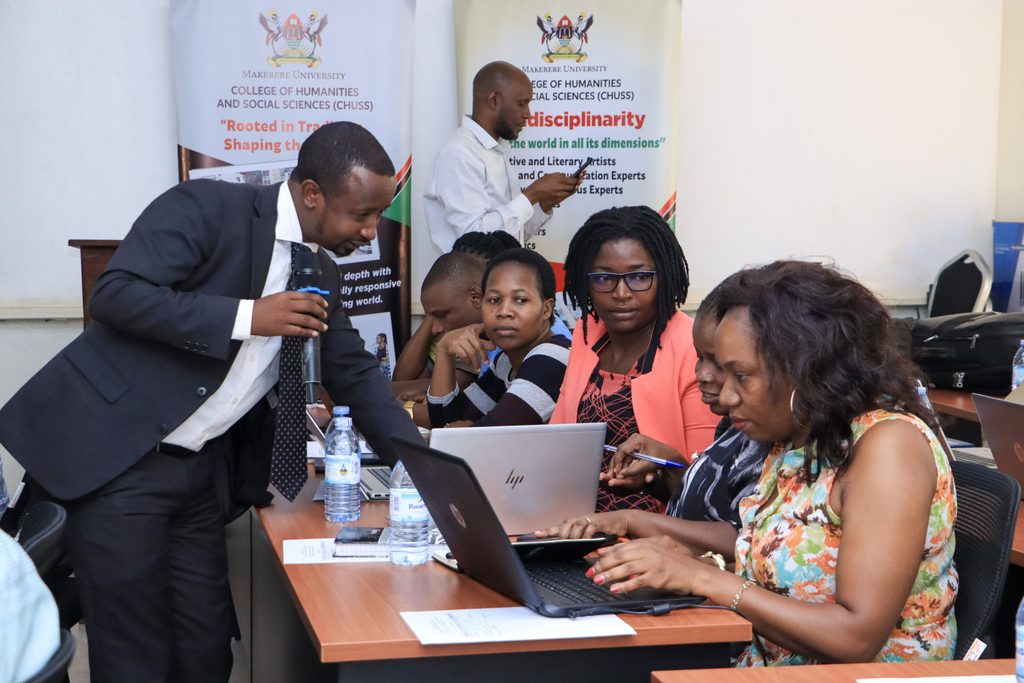
Musiimenta stressed that researchers should be able to explain why they chose their participants and how those participants can help answer the study’s questions. He also discussed the need to justify the size and composition of a qualitative sample, taking account of the study design and existing research.
His emphasis was not simply on completing a thesis or producing a report. Research, he noted, should generate evidence that others can use when responding to real problems.
“We do research for others to benefit, not for you,” he said during the practical discussion, as he encouraged participants to present findings in ways that their audiences can understand.
Listening to those who design and receive services
One example used during the workshop concerned the different accounts that can emerge from people responsible for a programme and the communities it is intended to support.
Musiimenta explained that an official involved in a child health programme may describe the support government has provided, while a group of mothers may identify services or supplies they cannot access at a local facility. The two accounts do not perform the same role in the study, but considering both can help a researcher see where implementation may differ from plans.
To collect such perspectives, a researcher might conduct a focus group discussion with community members and separate interviews with knowledgeable officials. A focus group brings people together to discuss a topic, while a key informant interview seeks insight from a person whose position or experience gives them relevant knowledge about the issue.
Musiimenta encouraged participants to keep track of these differences when organising their material. Knowing who provided an account, where it came from and what the person was asked makes it easier to compare perspectives without losing the context in which they were expressed.
His point was especially relevant to policy and programme work. If evidence points to a sanitation problem in one area, for example, decision-makers need to understand that location and the needs of its residents before deciding how to use limited resources. The practical task of organising transcripts can therefore support more careful decisions about where to investigate further and where to direct interventions.
Preparing information before analysis
The workshop discussion also addressed what researchers should do before they open an analysis application. Participants heard that the quality of the final analysis depends in part on how carefully the information was collected, recorded and prepared.
In focus groups, researchers need to plan the discussion, establish ground rules and give participants room to contribute. Recording a discussion requires the participants’ consent, and a moderator and note-taker can help the researcher follow both what is said and what happens during the conversation.
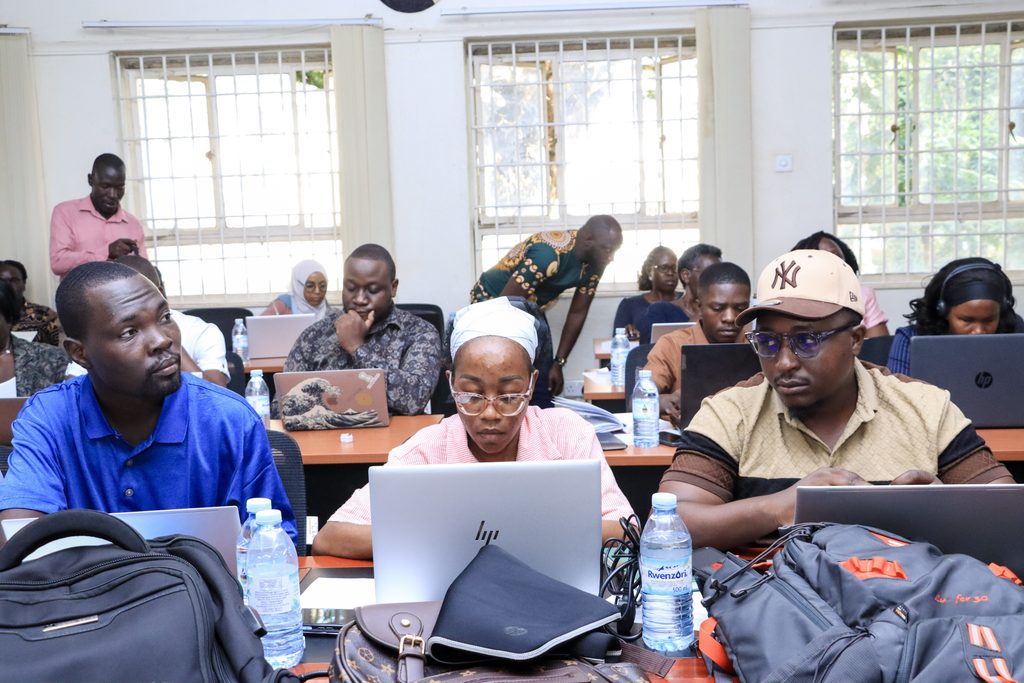
A transcript is a written record of the discussion or interview. Preparing a full transcript allows the researcher to return to participants’ words, consider them in context and identify material relevant to the research questions.
Field notes add another layer of information. They can record observations about a setting, behaviour or circumstances that may not be clear from a recording alone. Musiimenta also discussed using notes from field visits as material that can be brought into a project and examined.
Ssentongo cautioned that when technology is used to assist with transcription, the researcher still needs to check the text against the recording. Mistakes can arise when speech is unclear or the transcription does not accurately capture a speaker’s word
Creating a project and organising documents
During the practical session, Musiimenta demonstrated how participants could begin by creating and naming a project. He advised researchers to organise their files clearly before bringing them into the application, so that they can identify a focus group transcript, an individual interview or an observation record when they need it.
Using examples of focus group transcripts from Kampala, he showed participants how to add several files to a project and view them in the document area. Clear file names, he explained, make it easier to see where the information came from and which participants were involved.
He then demonstrated how documents can be placed into groups. In his example, transcripts relating to Nakawa could be grouped together, while records from Kawempe could be placed in another group. A researcher could also organise documents according to relevant participant characteristics or whether people took part in a particular programme.
A participant asked how to create another document group, prompting Musiimenta to repeat the process of selecting documents and creating a group for them. He explained that researchers should decide how to group material according to what they need to examine; the groups are a way of organising records, not findings in themselves.
The distinction can help a researcher compare what emerged from different places or categories of participants. It also helps prevent all accounts being treated as though they came from the same setting. Any conclusion drawn from those comparisons must still be supported by the data and fit the study’s design.
From codes and quotations to findings
Musiimenta explained that one of the main steps in qualitative analysis is coding. A code is a short label attached to a relevant section of material, helping the researcher find and compare passages about a particular idea.
For example, if several participants describe difficulties accessing water, a researcher might label those passages “water access”. The researcher can later retrieve them, read them together and consider what they reveal, while returning to the original documents for context.
ATLAS.ti also allows researchers to work with quotations, notes and visual links. In the workshop, Musiimenta described quotations as selected portions of participants’ accounts that can help support an interpretation when a researcher presents findings. Notes can be used to record ideas or observations, while visual networks can help show relationships between elements of a project.
Related codes can be organised into groups as a researcher examines broader patterns. Musiimenta said researchers should be guided by their objectives but also pay attention to issues that emerge unexpectedly from the material. An unexpected issue may be important even if it was not initially anticipated, though its significance still needs to be examined and explained.
“We condense codes and produce findings, but based on codes,” he said. In other words, the task is not finished when passages have been labelled. The researcher must bring the evidence together, explain the patterns and show how they answer the study’s questions.
He also discussed how outputs and visual summaries can help communicate research to different audiences. A brief presentation to policymakers or researchers from other disciplines may require a clear visual alongside a fuller explanation and supporting quotations.
Questions about access and privacy
The practical session included questions about access to the application and the privacy of participants’ projects. One participant asked whether people using credentials provided for the training could see one another’s research data or whether the trainer could access it.
Musiimenta said the credentials he had provided were intended to help participants access the software and that he could not see their project data through that arrangement. Another participant pointed out an option for protecting a project with a password, which was discussed during the demonstration.
Researchers should nevertheless check the arrangements that apply to their own installation and institution, particularly when working with sensitive information.
The discussion also touched on purchasing the application. Musiimenta described different subscription arrangements and recalled an institutional purchase, while explaining that his role in the training was to support participants’ access. Fees and terms depend on the licence and should be checked with the provider.
Students commend the training
Participants welcomed the training, saying it had broadened their understanding of qualitative research and exposed them to technological approaches that could simplify their academic work.
Rahma Kibosha, a first-year PhD student in the Department of Social Work, said the workshop had helped her appreciate the importance of planning for data analysis before embarking on fieldwork.
“One thing I discovered is that it helps you to know even how to construct the questions, to know what you’re going to search, what data do you want to collect,” Kibosha said.
She explained that understanding the software before collecting research data would help students design appropriate questions and avoid overlooking information needed during analysis.
She added that researchers who are unfamiliar with available analytical tools risk collecting data that may not adequately address the requirements of their intended analysis.
Mahenda Kuruwajagadi, a PhD student in the Department of Linguistics, English Language Studies and Communication Skills, described the training as helpful and constructive, saying it had exposed participants to technological approaches for analysing qualitative research materials.
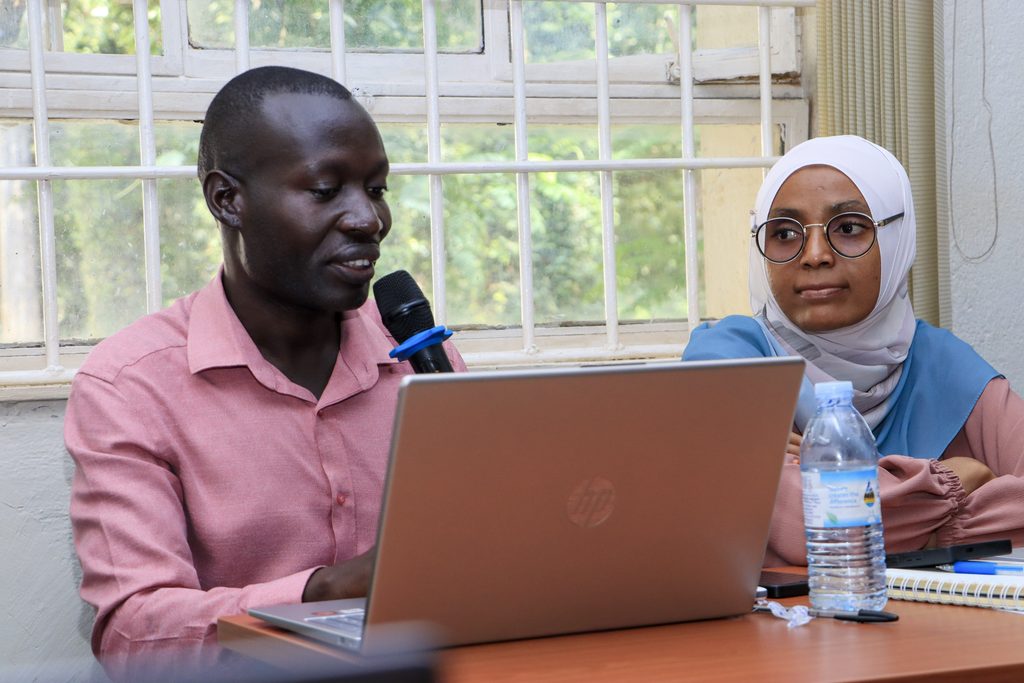
“The training really was helpful and constructive, and it exposes us to the really technological devices, how to analyse our data,” Kuruwajagadi said.
He noted that the skills would be particularly useful in analysing narratives, which form part of his qualitative research.
Another PhD student in Linguistics, Mark Francois, said ATLAS.ti would help him organise and analyse large volumes of textual data for his doctoral research, which involves developing a corpus from texts extracted from different textbooks.
“So ATLAS.ti, from what we’ve learned today, will help me to organise my data into a way that I will really analyse them easily, because I’m dealing with large text,” Francois said.
He added that the training had introduced him to a practical solution to some of the data organisation and analysis challenges associated with his research.
Christian Onoja, a PhD student in the Department of Philosophy, described the workshop as an eye-opener, saying it had demonstrated how technology could simplify research processes that students often struggle to undertake manually.
“Today, the ATLAS.ti, it opened my eyes to the extent in which I can analyse my data with software without wasting time, do codings, and the rest of them,” Onoja said.
He said the skills acquired could help postgraduate students fast-track data analysis and improve their chances of completing their studies within the expected period.
“It was a really great opportunity that was given to most of us who are still struggling with data analysis and all that, to be able to fast-track the processes and then graduate at a record time,” he said.
Onoja commended Dr. Ssentongo and the CHUSS team for organising the workshop, describing it as an important opportunity for postgraduate students to acquire practical research skills.
The training is expected to enable participants to apply ATLAS.ti in their ongoing and future research projects, while strengthening the college’s efforts to promote technology-driven research and improve the quality of postgraduate scholarship.
Story compiled and written by: Allan Ainematsiko and Jane Anyango
Photo credits: Onesmus Atuhaire