
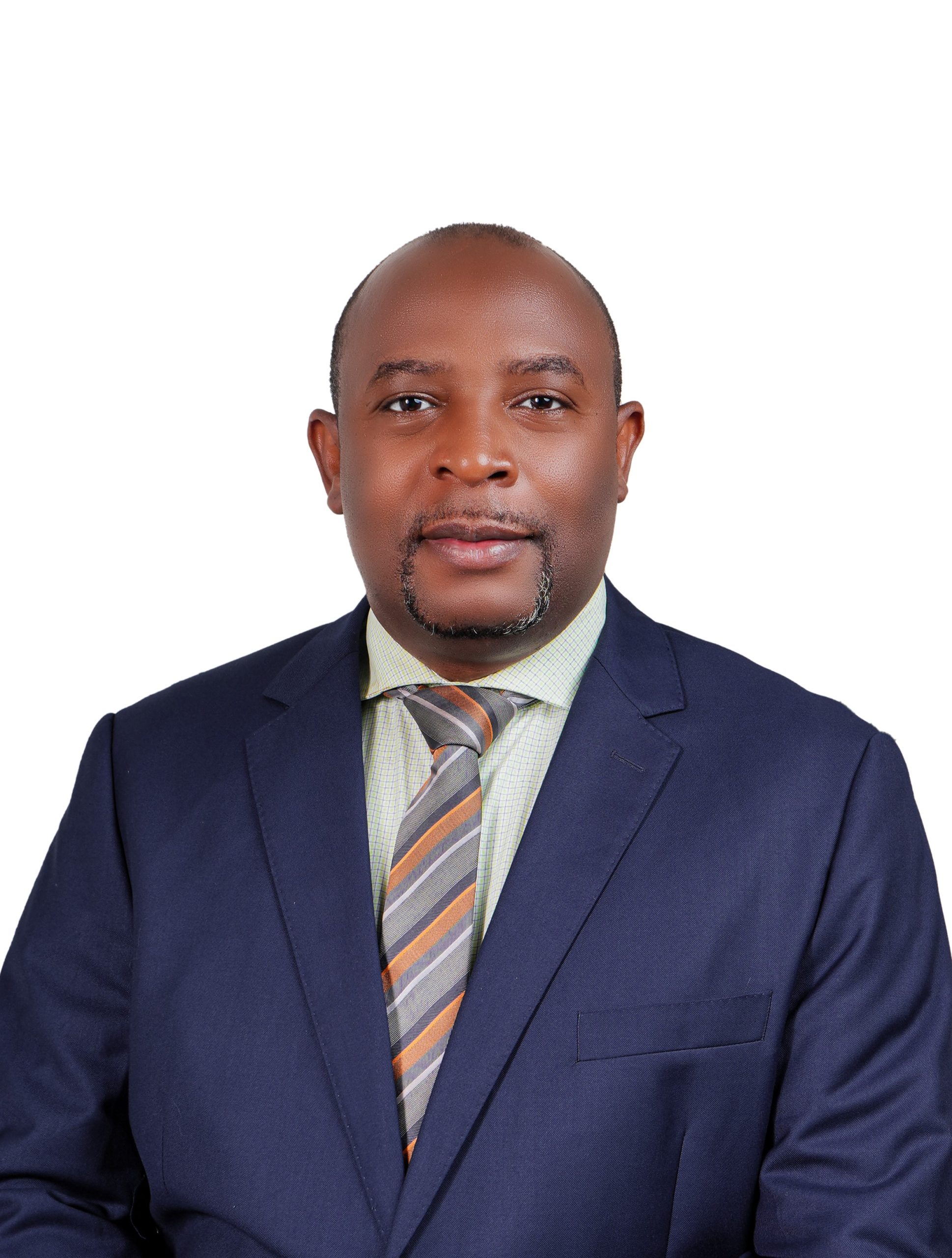
By Allan Ainematsiko
Mr Daniel Kiganda has been elected to represent the Makerere Administrative Staff Association (MASA) on the Makerere University Council for the 2026–2030 term, with staff welfare, fair human resource practices and career progression among his priorities.
A tally shared with the College of Humanities and Social Sciences (CHUSS) shows that Kiganda received 112 votes, followed by Muhereza Rivan Peter with 95. Amanya Henry received 75 votes, Kalema Joseph 61 and Tukahirwa Lillian 19. The tally records 362 votes and no invalid votes.
In a message to the MASA fraternity following the election, Kiganda thanked members for their support and pledged to represent their concerns through inclusive consultation, constructive engagement and collaboration with University Management and fellow Council members.
“This mandate is a collective responsibility and an opportunity to advance the welfare, interests and dignity of our fraternity,” he said.
The University Council is Makerere’s supreme governing body, responsible for the overall administration and policy direction of the University. It includes a representative of administrative staff.
Staff welfare and fair opportunities
Kiganda’s manifesto places staff welfare and fairness in human resource management at the centre of his proposed work on Council. He intends to advocate for improved working conditions, timely payment of approved benefits, and fair consideration of remuneration and allowances within the University’s financial capacity and approved frameworks.
“Staff welfare is not a privilege; it is an important foundation for institutional productivity and excellence,” he stated in the manifesto.
He also proposes transparent and merit-based recruitment, appointments and promotions, together with consistent application of University policies. His commitments include clearer criteria for promotion and fair treatment in acting appointments and the assignment of additional responsibilities.
For staff seeking to advance professionally, Kiganda pledges to advocate for timely consideration of eligible employees for promotion, recognition of additional qualifications, and equitable access to scholarships, training and mentorship.
Representation and accountability
Kiganda’s plans also address how staff concerns will reach University leadership and how he will report back to the people he represents. He proposes consultations across the University, a register of staff concerns, accessible channels for submissions and periodic accountability reports.
“Accountability must not end at the ballot box. It must be a continuous obligation throughout the term of office,” he stated in his manifesto.
He pledged to follow up staff petitions and grievances through appropriate University channels and provide feedback on their progress. He also acknowledged that the administrative staff representative is not a unilateral decision-maker, and that the role requires engagement and advocacy within the University’s governance framework.
His proposed four-year plan begins with staff consultation and documentation of concerns, followed by engagement on human resource fairness, promotions and welfare. Professional development, job grading and administrative modernisation are among the priorities identified for subsequent years.
Kiganda also intends to advocate for digital skills training, improved electronic records management and the responsible use of emerging technologies. His manifesto calls for fair disciplinary and grievance procedures and regular review of human resource policies.
Kiganda thanked University Management, particularly the Directorate of Human Resources, for facilitating what he described as a transparent, peaceful and credible electoral process. He pledged to serve all members without discrimination or exclusion.