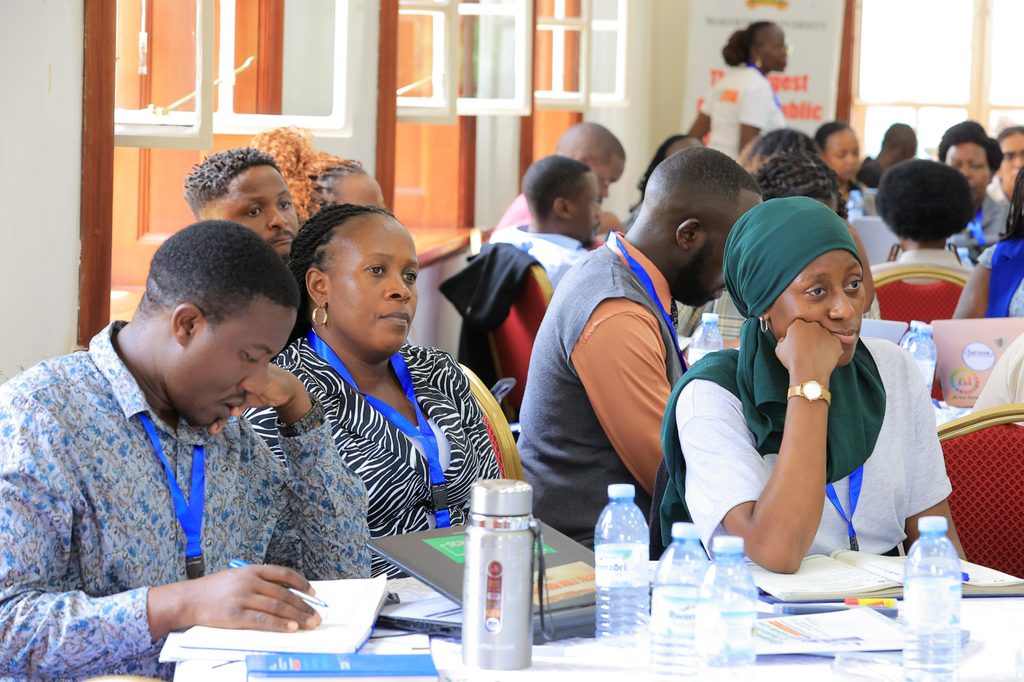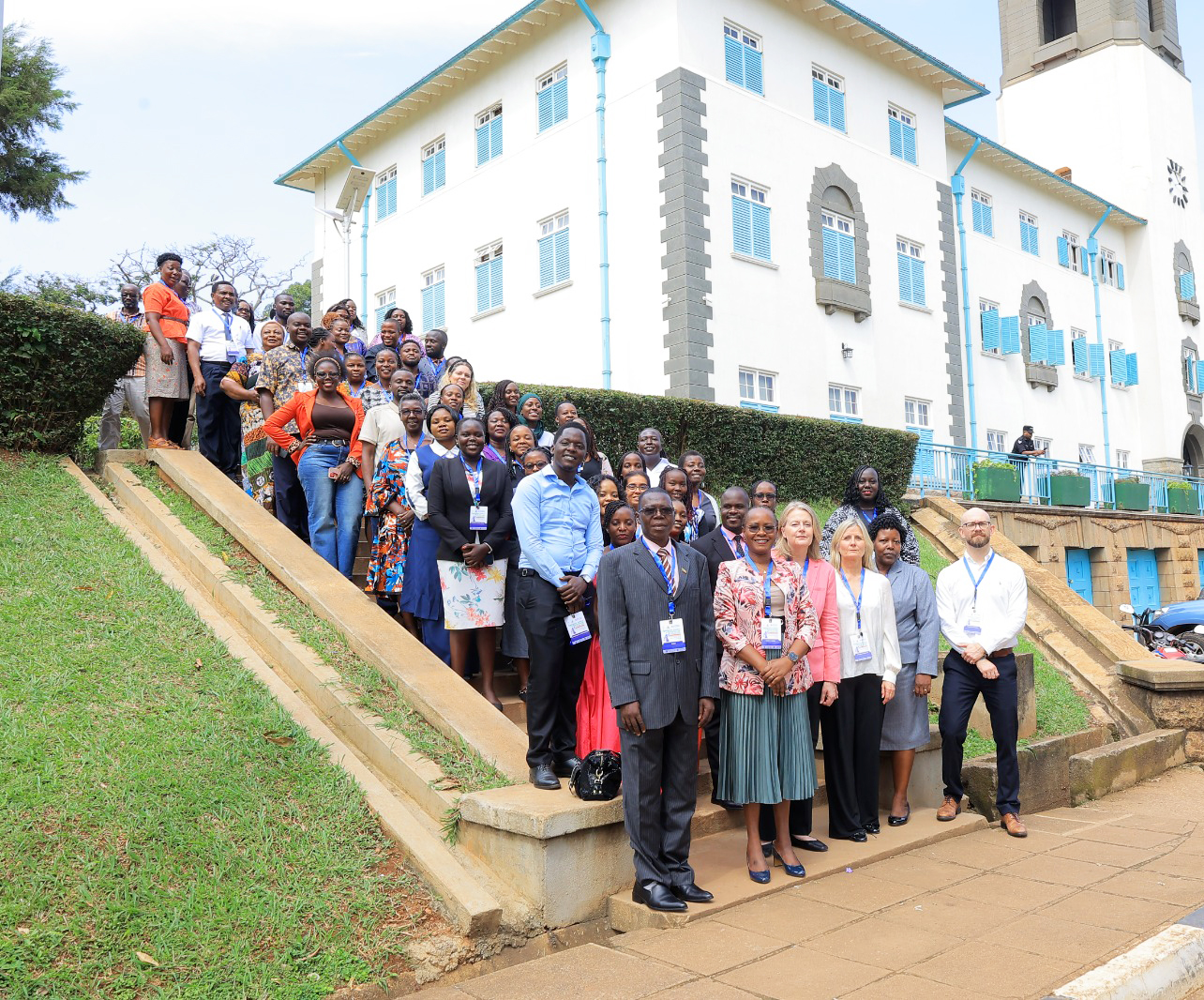
Leaders at the 2026 GRÓ GEST Alumni Thematic Seminar urge development partners to recognise local expertise, challenge unequal power relations and position Global South scholars and practitioners as knowledge producers and agenda setters.
Makerere University and the Government of Iceland have called for more equitable international development partnerships that recognise locally generated knowledge, strengthen gender equality and give scholars and practitioners in the Global South a greater role in shaping research, policy and development priorities.
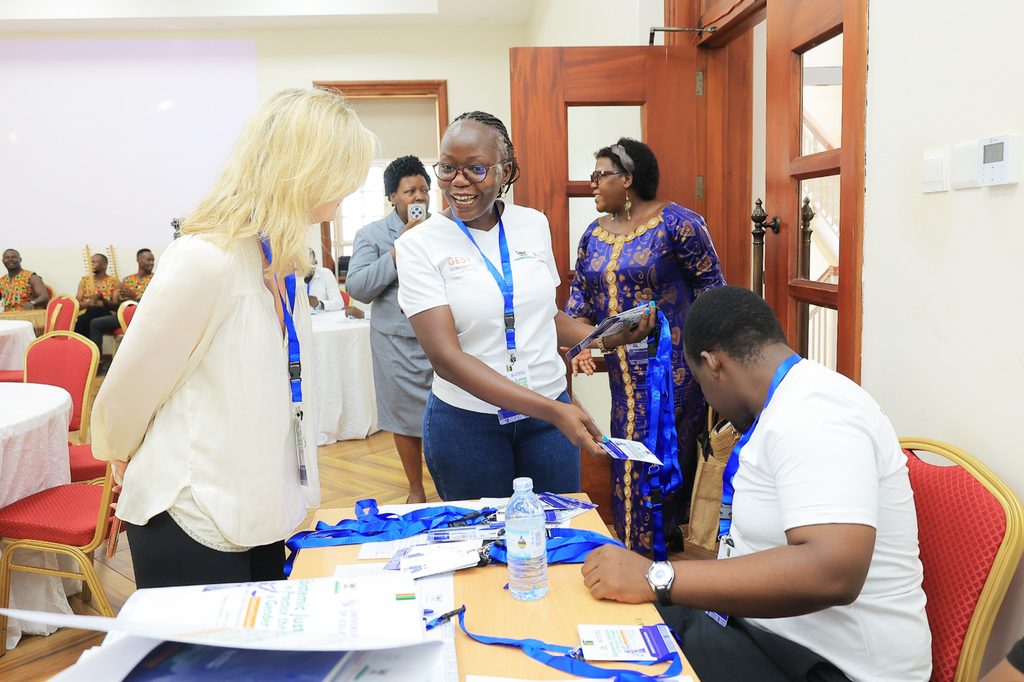
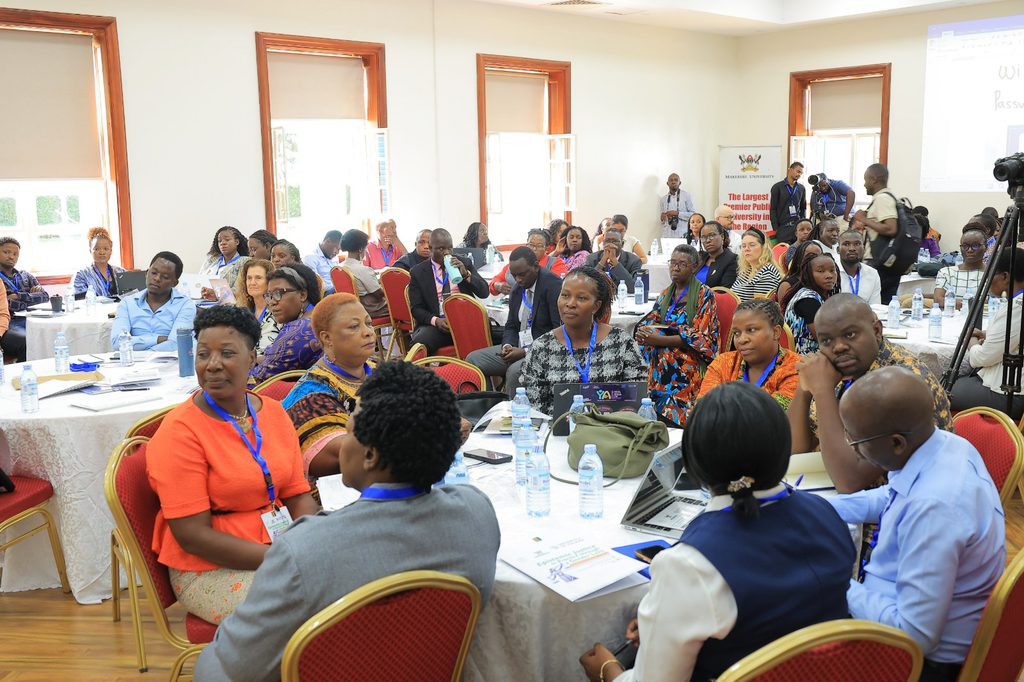
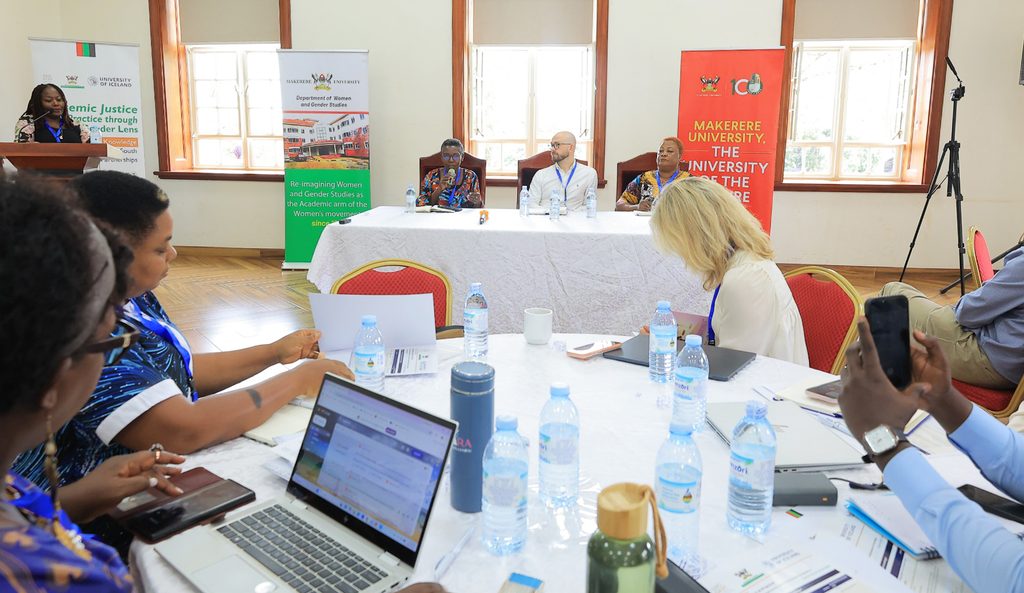
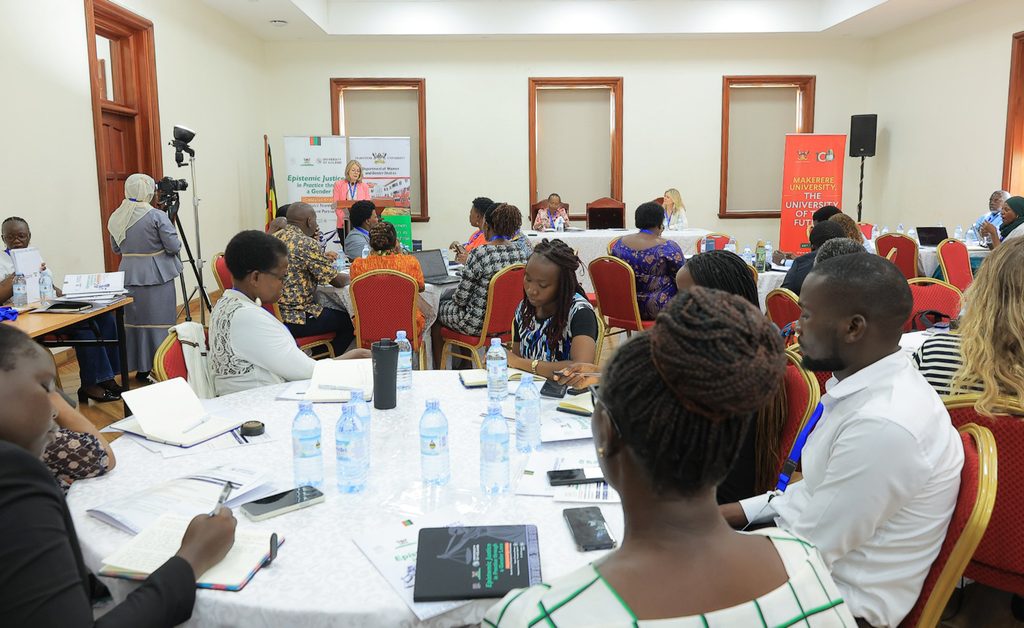
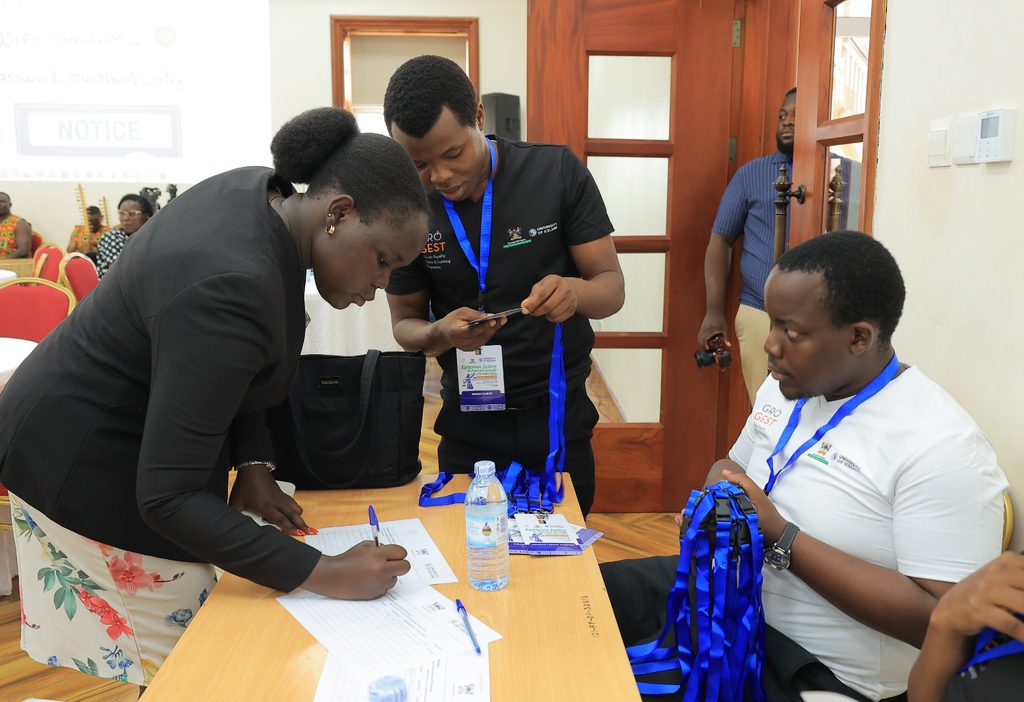
The call was made during the opening of the 2026 GRÓ GEST Alumni Thematic Seminar at Makerere University in Kampala, which brought together more than 100 participants, including Iceland’s Head of Mission to Uganda, GRÓ GEST alumni from Uganda and across East Africa, academics, policymakers, students and development partners.
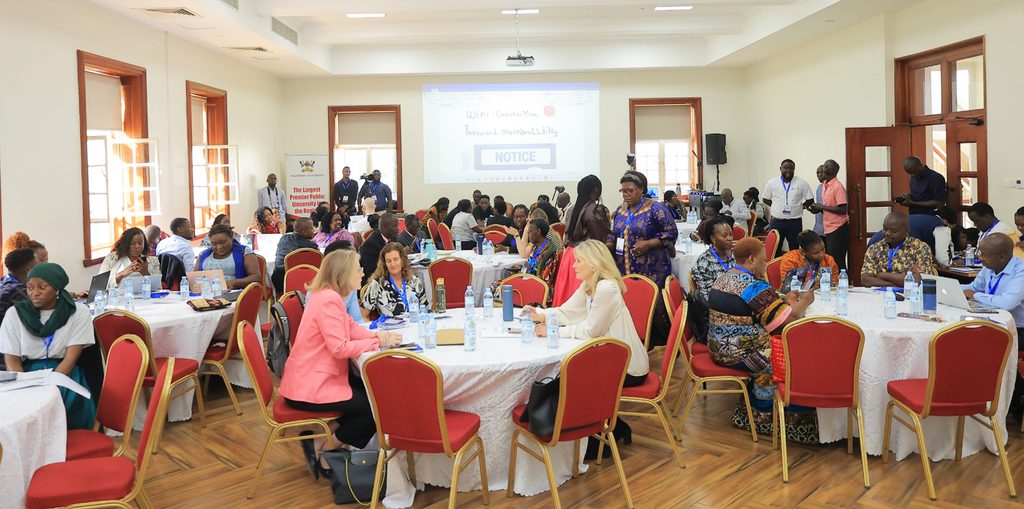
Held under the theme “Epistemic Justice in Practice: Co-creating Contextualised Solutions in Global Development Partnerships through a Gender Lens,” the two-day seminar was organised by Makerere University’s Institute of Gender and Development Studies (IGDS) in partnership with the GRÓ Gender Equality Studies and Training Programme at the University of Iceland.
The seminar forms part of the GRÓ GEST Alumni Strategy 2026–2030, which seeks to position alumni not merely as practitioners applying acquired knowledge, but also as knowledge producers, thought leaders and institutional actors who influence development agendas in their countries and regions.
Discussions focused on whose knowledge is recognised in development partnerships, how unequal power relations influence research and policy, and how local experiences can inform interventions in gender-based violence prevention, climate change adaptation, environmental governance, sexual and reproductive health and rights, disability inclusion, education and public policy.
Development partnerships must recognise knowledge from the Global South
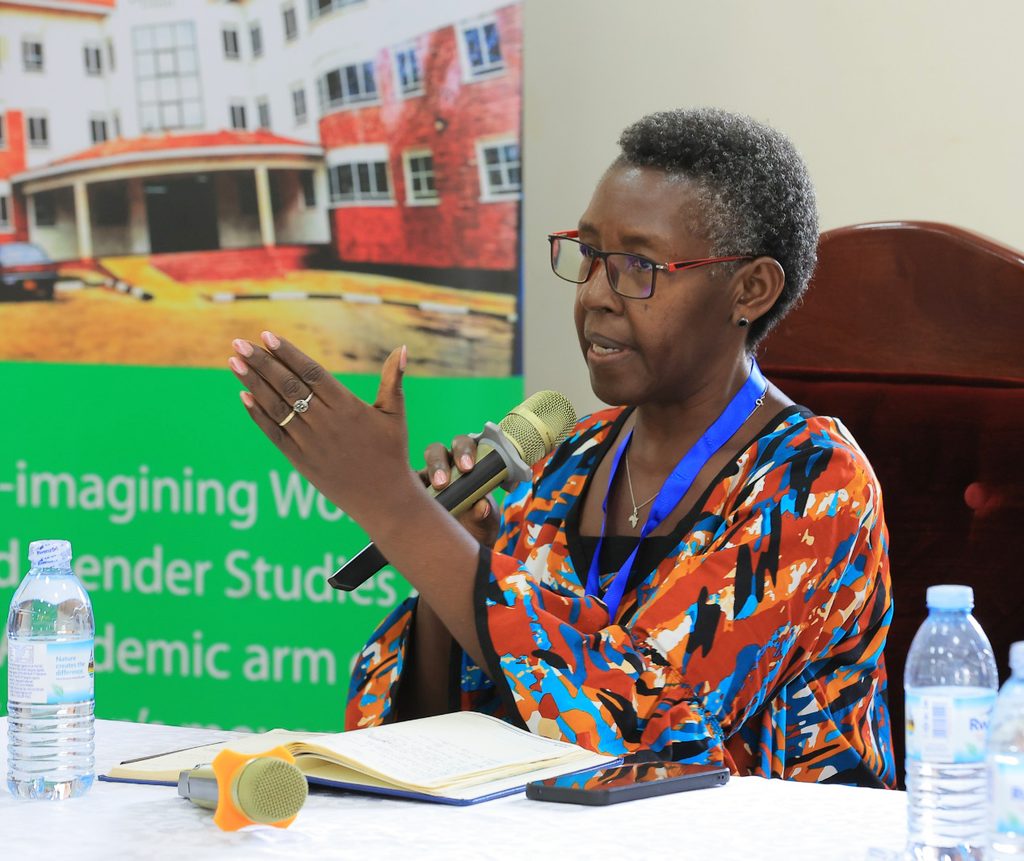
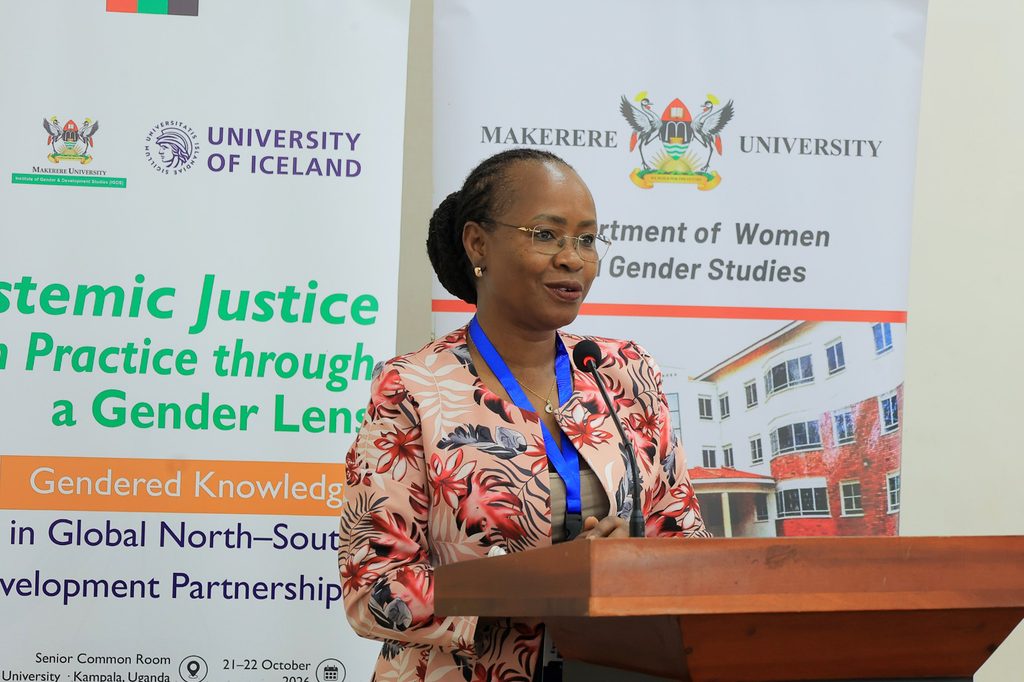
Representing the Vice-Chancellor, Prof. Sarah Ssali, Makerere University’s Deputy Vice-Chancellor for Academic Affairs, officially opened the seminar by calling for greater recognition of African and other locally grounded knowledge systems in research, teaching and development practice.
She argued that epistemic justice is central to decolonisation because colonial legacies extend beyond political and economic control to the marginalisation of indigenous knowledge systems and the voices of communities.
“The theme of epistemic justice is very much at the centre of what’s happening globally in the debates around decolonisation,” Prof. Ssali said, noting that efforts to address colonial legacies must also restore knowledge systems and the voices of people whose experiences have historically been overlooked.
She challenged universities and development partners to reconsider how knowledge is taught, produced and validated, particularly when curricula and research frameworks privilege theories originating outside the contexts they are intended to explain.
Reflecting on her experience engaging with gender studies scholars from different parts of the world, she observed that feminist studies curricula often follow similar structures, giving substantial attention to established Western feminist traditions while leaving African, Asian and other context-specific perspectives comparatively underrepresented.
She questioned whether universities are adequately integrating the experiences of their communities into scholarship and innovation.
“Are we producing local knowledge? Is local knowledge powering our innovations? Or are we simply prototyping knowledge from the global north, cloning from there, applying it here, and recalling innovation?” she asked.
Prof. Ssali also cautioned against invoking African identity to justify practices that perpetuate inequality, particularly patriarchy. She urged scholars to critically examine cultural practices rather than accept them uncritically in the name of tradition.
“As scholars, we need to take these things very seriously,” she said, arguing that African feminism should advance progressive ideas rather than legitimise oppressive practices.
She noted that sustainable development requires more than technical expertise. It demands an examination of whose voices influence decisions, whose experiences are considered credible and whose perspectives shape university curricula, research priorities and development interventions.
Prof. Ssali said the seminar provided an opportunity for participants to examine how knowledge inequalities reinforce existing power imbalances and identify practical ways of building partnerships based on mutual respect and intellectual reciprocity.
She also highlighted Makerere’s commitment to internationalisation, noting that Senate had passed a credit transfer policy to enable students participating in exchanges and collaborations with other universities to have recognised credits reflected in their academic transcripts.
Welcoming the seminar’s plan to develop selected contributions into peer-reviewed articles for the forthcoming Makerere Journal of Gender and Development, she encouraged participants to translate discussions into scholarly publications and sustained research collaboration.
“The seminar reinforces an important message that practitioners and government professionals are not merely consumers of knowledge but also producers of knowledge whose insights deserve recognition within the academic and cultural spaces,” she said.
Prof. Ssali called on participants to use the engagement to challenge assumptions, strengthen partnerships and advance development approaches grounded in justice, inclusion and shared intellectual leadership before declaring the seminar officially open.
Development partners must be willing to change their approaches
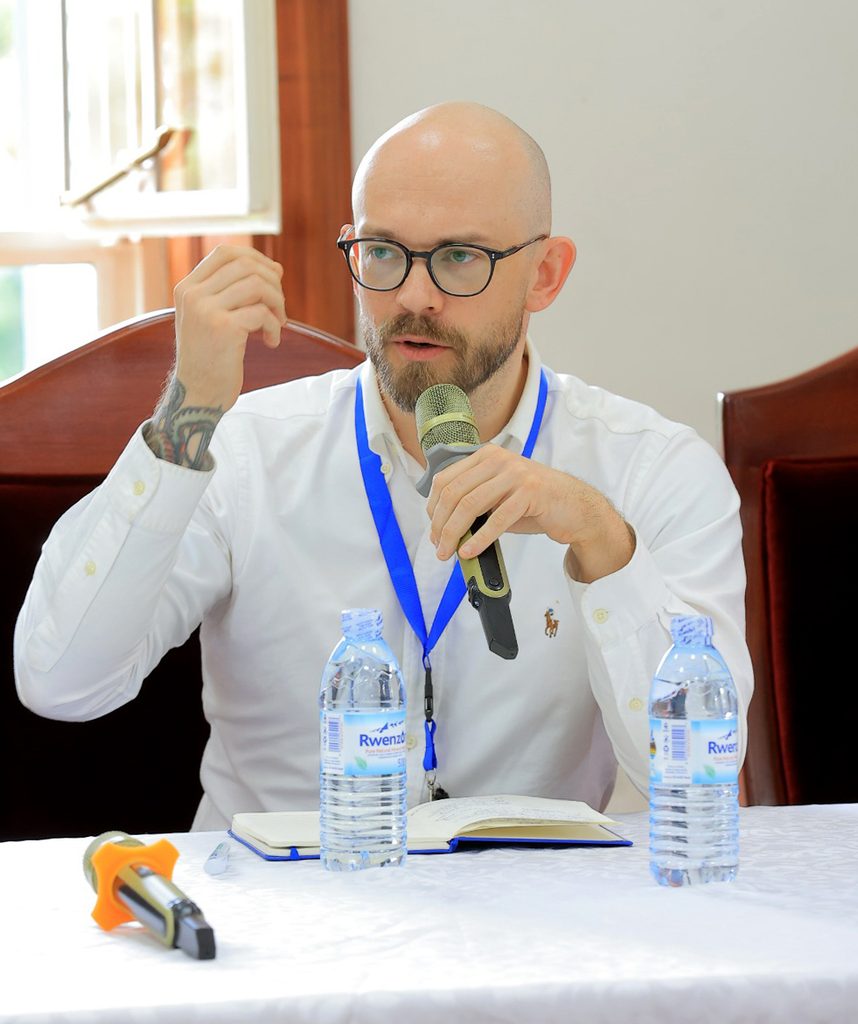
The Head of Mission at the Embassy of Iceland in Kampala, Katrín Einarsdóttir, called on international development partners to move beyond declarations of local ownership and participation and ensure that these principles influence actual decisions on funding, implementation and evaluation.
She said gender equality remains a cornerstone of Iceland’s foreign policy and development cooperation, with the Ministry for Foreign Affairs funding the GRÓ programmes as part of its long-term investment in people, knowledge and institutions.
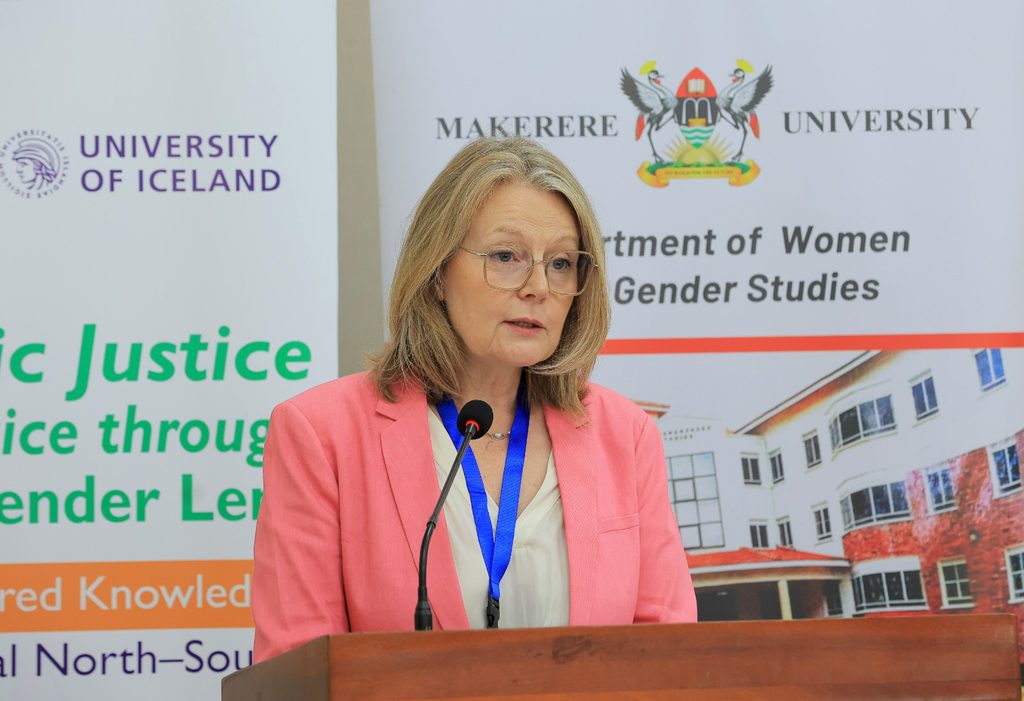
Uganda, she noted, has been one of Iceland’s closest development partners for more than two decades, with the current country strategy emphasising gender equality, human rights, local ownership, mutual accountability and results.
“Lasting and sustainable development cannot be designed at a distance from the people and institutions whose futures are at stake,” Einarsdóttir said.
She acknowledged that development partners have legitimate obligations to account for public funds, meet technical requirements and demonstrate results. However, she cautioned that funding arrangements, performance indicators and evidence requirements can unintentionally give external perspectives greater influence than those of local partners.
“When local partners tell us that an approach is not working, are we able to adapt?” she asked.
She further challenged development partners to consider whether they take local definitions of success seriously and recognise the expertise and capabilities that already exist within communities and institutions.
“When we speak about building capacity, are we also willing to recognize the capabilities, experiences and expertise that already exist and to be changed by what we learn?” she asked.
Einarsdóttir stressed that such questions should strengthen rather than undermine development cooperation by making it more responsive, accountable in both directions and capable of delivering meaningful, lasting results.
She explained that GRÓ is Iceland’s international centre for capacity development, bringing together programmes in gender equality studies and training, fisheries, geothermal energy and land restoration. These programmes support professionals through long-term partnerships that enable them to strengthen institutions and contribute to development in their own countries.
“Their value lies not simply in qualifications awarded or activities delivered, but in supporting professionals to contribute to their own knowledge, exercise judgment, strengthen institutions and shape priorities in their own countries,” she said.
Welcoming the participation of Ugandan and regional alumni, researchers and development partners, Einarsdóttir urged participants to engage in honest discussions about how international cooperation is experienced by those involved.
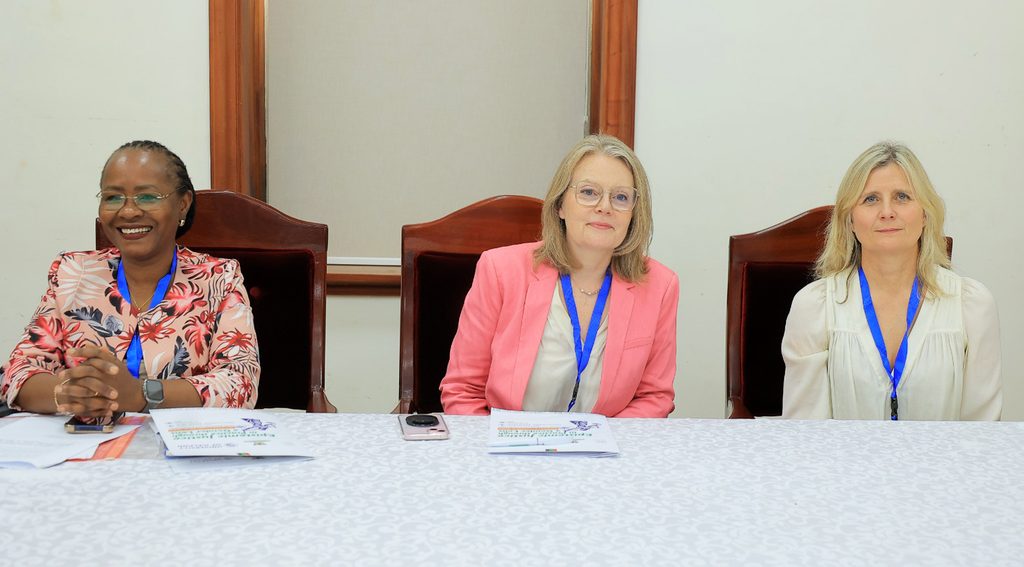
“For those of us representing development partners, the most valuable outcome may not be agreement on every point, but a clear understanding of what we need to do differently,” she said.
She thanked Makerere University, GRÓ GEST, the speakers and participants for convening the seminar and expressed hope that the discussions would produce practical insights and relationships that continue beyond the conference.
Excluding community voices undermines effective solutions
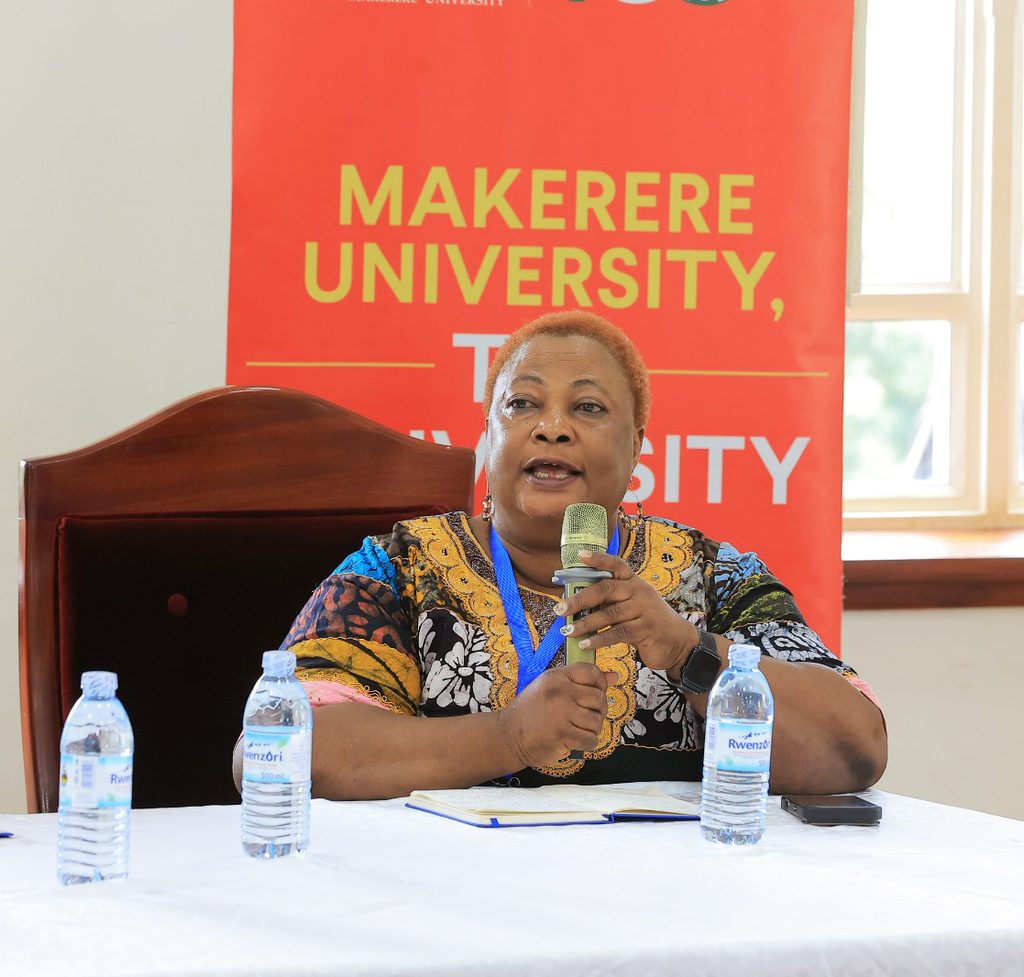
The Acting Director of the Institute of Gender and Development Studies, Prof. Ruth Nsibirwano, said epistemic injustice persists when people’s knowledge, opinions and experiences are disregarded because of their age, gender, culture or social position.
She called for deliberate efforts to ensure that communities experiencing development challenges participate meaningfully in generating, interpreting and using knowledge to inform policy and practice.
“We want to be recognized, we want to be respected, we want to be included, we want to be heard, wherever knowledge is generated, wherever knowledge has to contribute to policy or contribute to practice,” Prof. Nsibirwano said.
She argued that lasting social transformation depends on addressing inequalities in whose knowledge is considered credible and whose experiences are allowed to influence decisions.
“If we want the transformation to happen, and a reliable, sustained transformation, then it is better to start off with the epistemic justice, which this conference is going to discuss about,” she said.
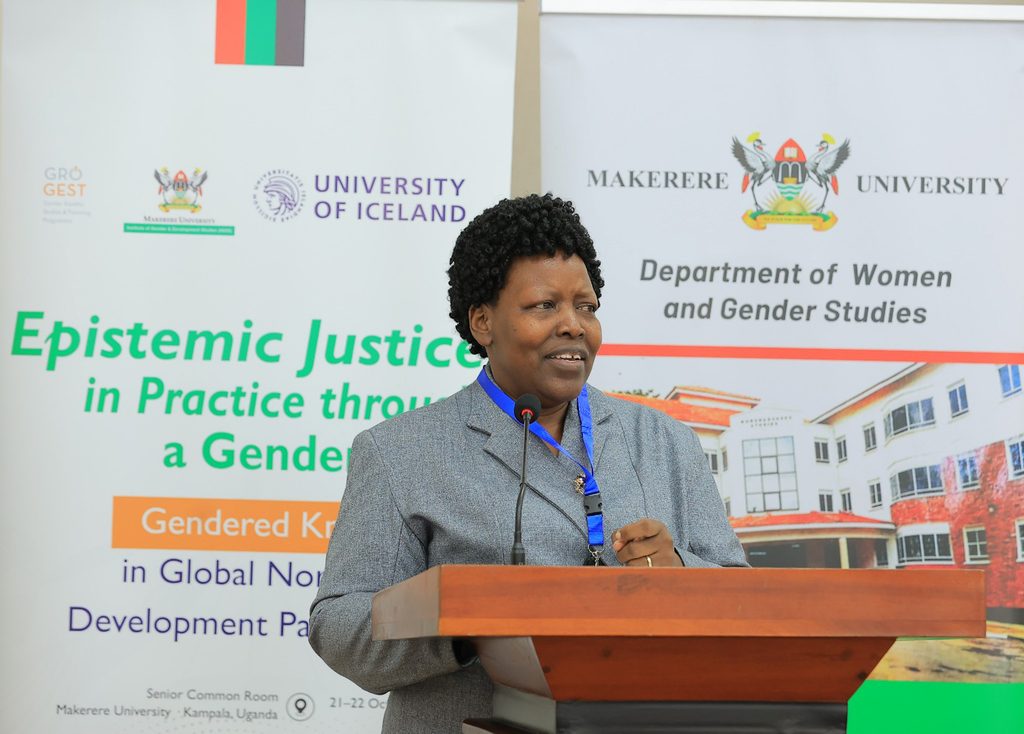
Prof. Nsibirwano noted that cultural assumptions often determine whose voices are considered authoritative. Older people may be dismissed as out of touch, while young people may be regarded as inexperienced. Gender and other social distinctions can also determine whose knowledge receives attention.
She warned that such exclusions prevent researchers and policymakers from obtaining a complete understanding of the challenges they seek to address.
“Our knowledge should be informed by the realities of the ground,” she said, adding that communities possess valuable knowledge about how they experience challenges, respond to crises and develop coping mechanisms.
Using gender-based violence and natural disasters as examples, she questioned why the accounts of people directly affected are not always trusted or incorporated into research and interventions.
She challenged researchers developing strategies and technologies for climate change adaptation to consider existing community practices and survival mechanisms.
“If you are coming up with good strategies, technologies, to give us an opportunity to manage climate change, why don’t you listen to what we have been doing and how we’ve been surviving?” she asked.
Prof. Nsibirwano also called on universities to reconsider who determines research topics, provides evidence and participates in interpreting findings from communities.
She said the seminar should generate practical approaches to improving knowledge production, utilisation, interpretation and dissemination, while opening academic spaces to people whose experiences are often excluded from mainstream research.
She reaffirmed the Institute’s commitment to promoting gender equality through teaching, research and community engagement, welcoming the participants and recognising the longstanding collaboration between Makerere University and the University of Iceland.
Alumni must be recognised as knowledge producers
The Director of GRÓ GEST, Dr. Irma Erlingsdóttir, said the seminar was designed to recognise alumni as intellectual contributors whose professional experiences can generate new knowledge and influence academic debates, rather than merely as beneficiaries of training.
She thanked Makerere University and the Institute of Gender and Development Studies for hosting the conference, describing it as another important chapter in the longstanding academic relationship between Makerere University and the University of Iceland.
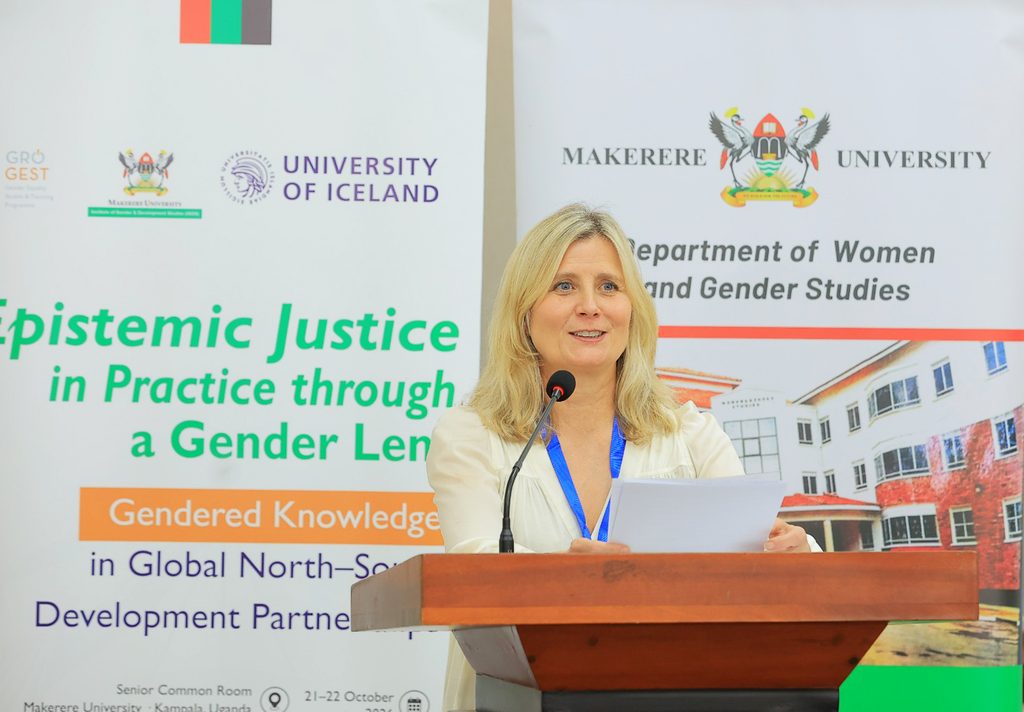
The collaboration has included student exchanges, teaching and joint academic work and was strengthened by a formal agreement between the two universities in 2020.
At GRÓ GEST, she said, the programme works with researchers, public servants, educators, advocates and other professionals who are already contributing to social change within institutions and communities.
Its role is to provide advanced academic study, critical reflection and professional relationships that support their work over the long term.
However, Dr. Erlingsdóttir stressed that the value of the programme extends beyond the classroom and the qualifications participants obtain.
“What happens after the diploma is completed is at least as important as what happens in the classroom,” she said.
She explained that alumni return to professional environments where they must navigate competing understandings of rights, evidence, culture, gender and social change, often encountering challenges that formal policies and academic frameworks cannot fully anticipate.
“In doing so, they do not merely apply knowledge. They generate it,” she said.
Dr. Erlingsdóttir said contributors to the seminar had been encouraged to go beyond describing projects or reporting achievements and instead identify intellectual problems arising from their professional experiences, examine them critically and develop arguments that could contribute to wider scholarship.
The resulting programme brings together diverse subjects, including donor funding, mental health, bodily autonomy, climate adaptation, land rights and institutional histories.
She said these themes raise fundamental questions about who has the authority to define problems, interpret experiences and determine what qualifies as knowledge.
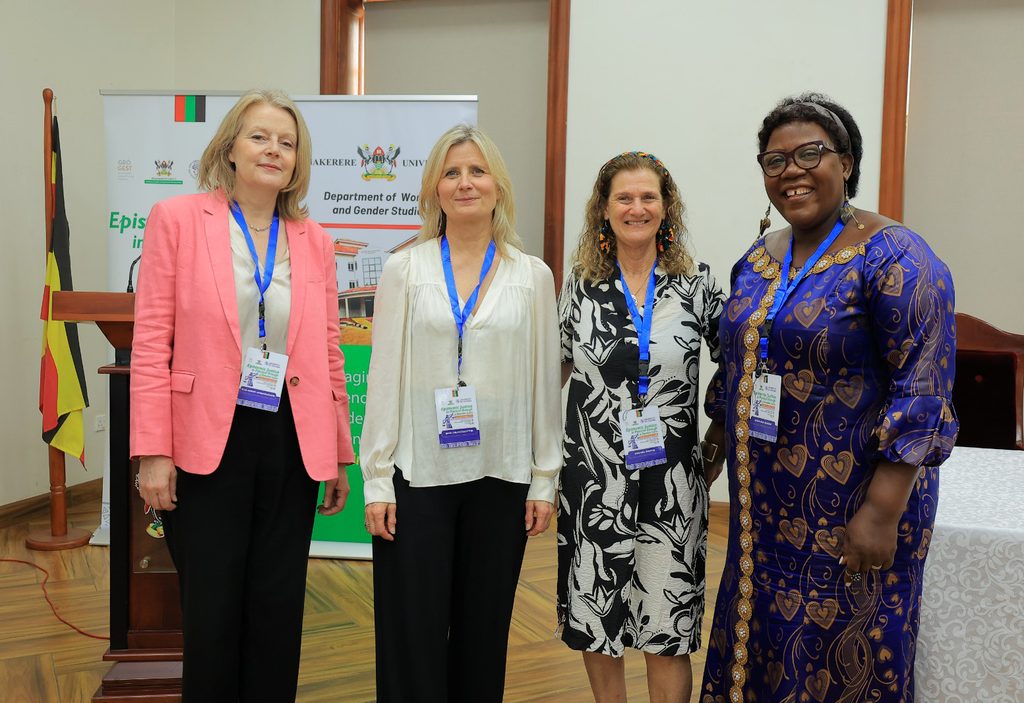
“Epistemic justice is not simply a matter of ensuring that more people are invited into a discussion. It also asks what happens once they are there,” she said.
She challenged researchers and institutions to consider whether contributions from local practitioners are treated as sources of theory and policy or merely as illustrations of ideas developed elsewhere.
“Can their analysis change the questions that researchers ask and the decisions that institutions make?” she asked.
Dr. Erlingsdóttir cautioned, however, that recognising locally situated knowledge should not mean exempting every cultural practice or claim from critical scrutiny. She said meaningful engagement must also address inequalities within communities as well as those between countries and institutions.
She expressed hope that the discussions would lead to further research, publication and sustained collaboration, thanking the organisers, keynote speakers and alumni for their intellectual contributions.
She particularly recognised Esther Namitala and Thomas Rosensmith for their commitment and work in preparing the conference, and welcomed the opportunity to learn from alumni presenting their research and professional insights.
Alumni seminar seeks to translate dialogue into lasting change
The opening remarks collectively positioned epistemic justice as both an academic concern and a practical development priority, with speakers calling for partnerships that share intellectual authority and recognise the contribution of local knowledge to policy and social transformation.
The discussions are intended to examine how knowledge is generated, validated, shared and applied, while identifying ways to make international development partnerships more inclusive, responsive and mutually beneficial.
By bringing together alumni, scholars, policymakers and development partners, the seminar provides a platform for examining how professional experience and community knowledge can inform research, challenge established assumptions and produce context-sensitive solutions to persistent inequalities.
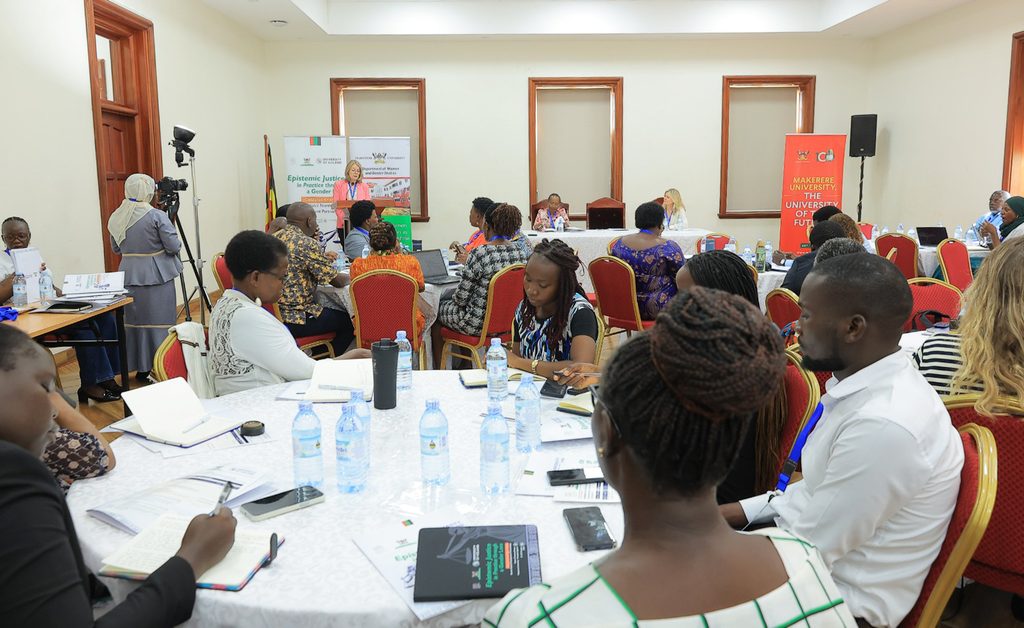
The planned development of selected contributions into peer-reviewed journal articles is also intended to extend the discussions beyond the seminar, strengthening the visibility of locally grounded scholarship and supporting wider academic engagement with the issues raised.
The initiative reinforces the central message of the GRÓ GEST Alumni Strategy 2026–2030: alumni should be recognised not only for applying knowledge acquired through training, but also for producing knowledge, shaping institutional priorities and contributing to development agendas in their own contexts.