Professor Yoichi Mine says threats from disease, disaster and social conflict now cascade across borders, and urges data-driven, people-focused responses
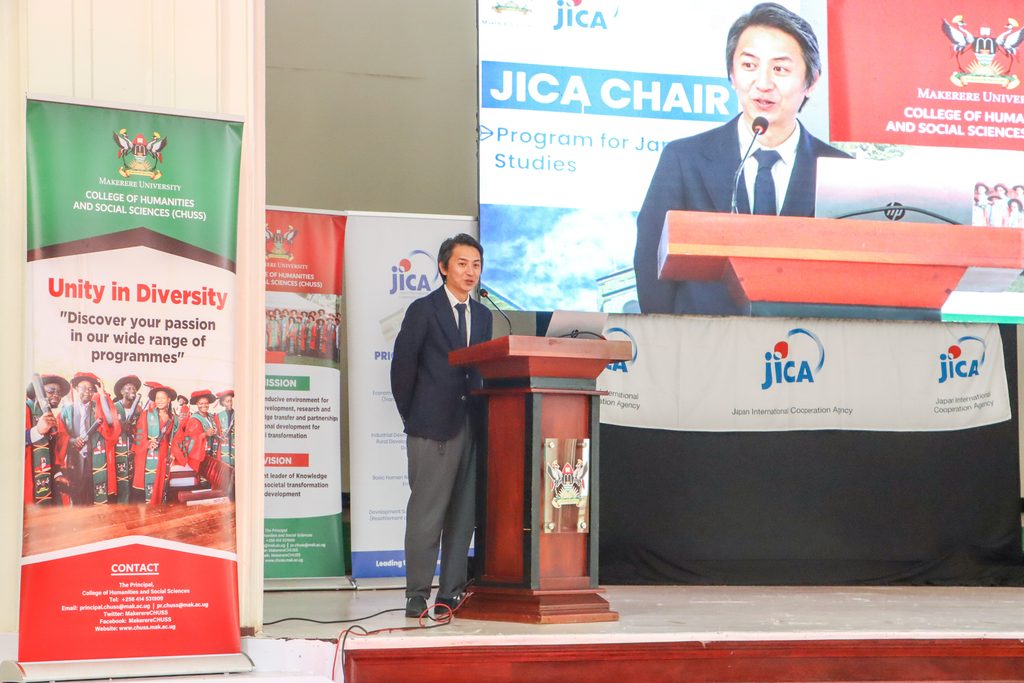
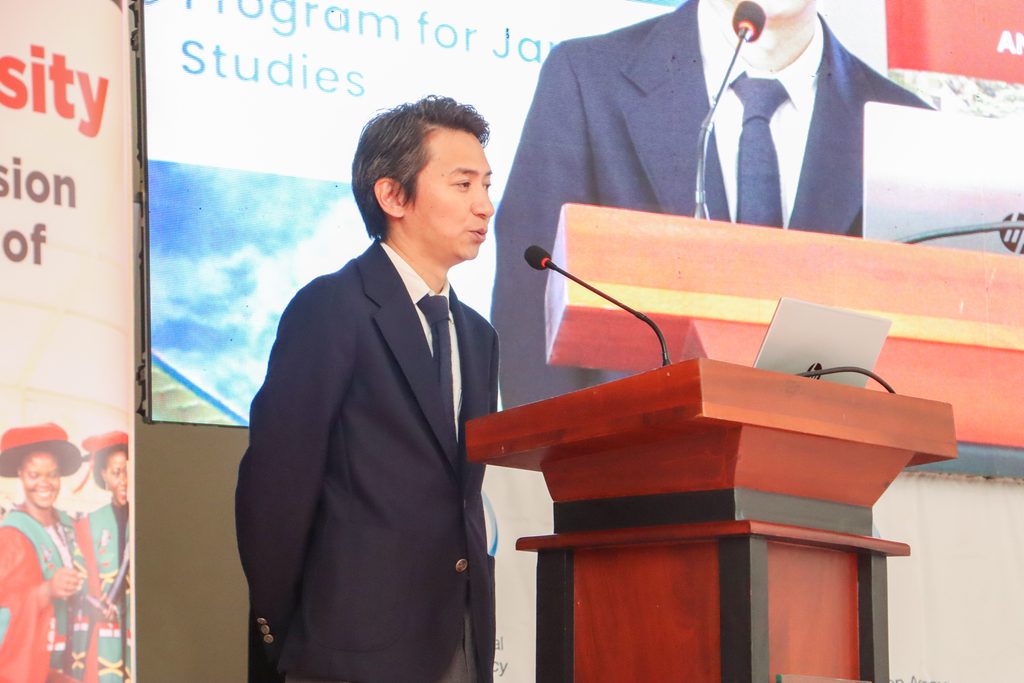
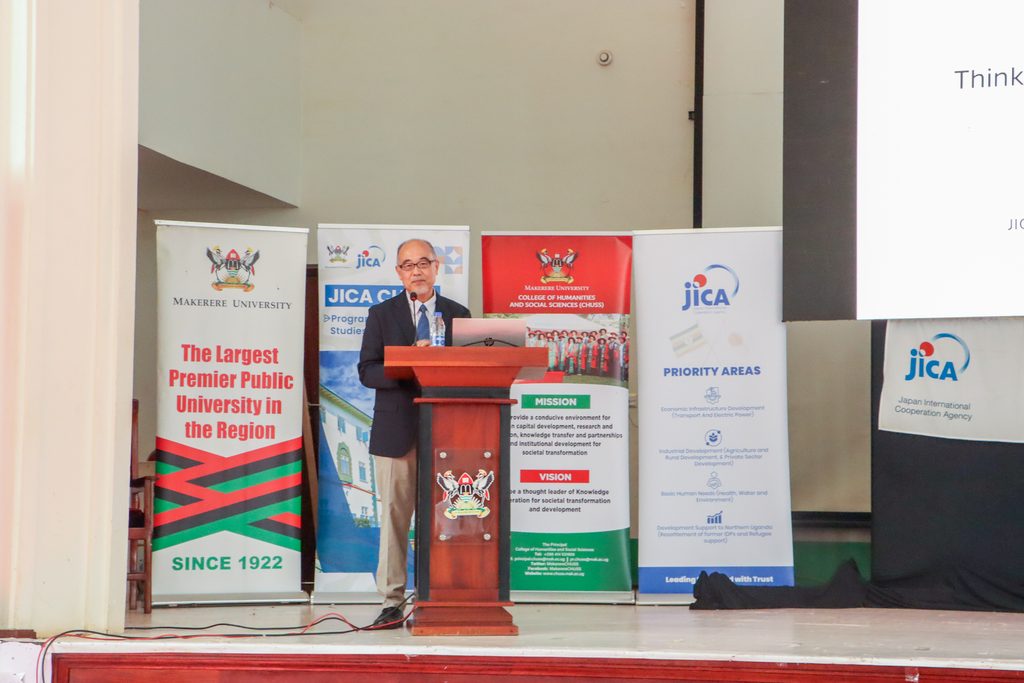
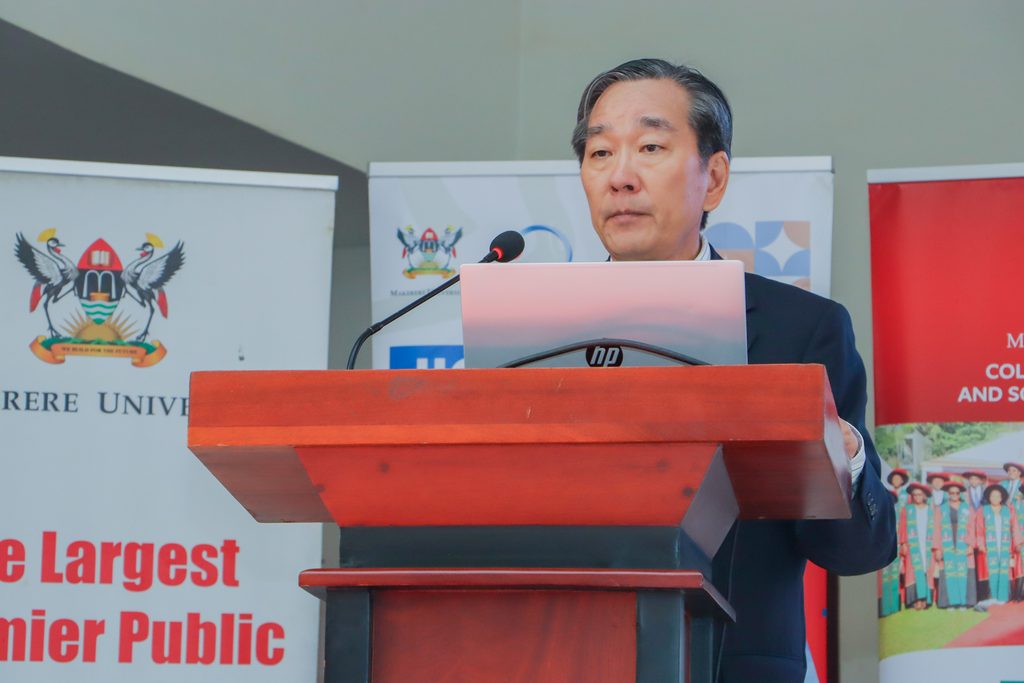
KAMPALA – Professor Yoichi Mine, Executive Director of the JICA Ogata Sadako Research Institute for Peace and Development, delivered a lecture on human security at Makerere University, arguing that security should be judged by the safety and dignity of individual people rather than the strength of states, and showing how data dashboards can reveal where people are most at risk.
The lecture was part of the 6th JICA Chair programme, which the Japan International Cooperation Agency (JICA) runs with universities to promote Japanese studies. Professor Mine said the world faces interlinked crises that no single country can handle alone, and that human security rests on protecting people and empowering them to overcome threats themselves.
A concept centred on the individual
Professor Mine traced human security to the United Nations Development Programme’s Human Development Report of 1994, and noted that Japan later became one of its leading champions. Unlike traditional national security, which focuses on borders and armies, human security puts the individual at the centre. He summarised what it seeks to protect with the formula used in United Nations documents: freedom from fear, freedom from want, and the freedom to live in dignity.
Three overlapping systems, many crises
To explain why threats now spread so quickly, Professor Mine described human life as sitting within three interacting systems: a physical system of land, water and climate; a living system that includes disease; and a social system of communities and institutions. Each supports human life, he said, yet each can also threaten it, through floods and tsunamis, epidemics, or conflict and discrimination.
Because these systems affect one another, a shock in one can cascade into the others. That, he argued, is why universities need to bring together natural scientists, health researchers and social scientists, and why countries must cooperate across borders.
Protection plus empowerment
Using the familiar saying about giving someone a fish versus teaching them to fish, he said human security is not only about handing out aid. People and communities must be equipped with the abilities and access to what they need to build their own resilience, and to work in solidarity with others. He added that the young should listen to the stories of older generations, which he described as rich in wisdom for facing life’s ups and downs.
From concepts to dashboards
The second half of the lecture turned practical. Professor Mine showed how national statistics can be broken down to smaller areas and displayed on maps and dashboards, so that policymakers can see local conditions such as health problems rather than relying on a single national average. He said he had visited Uganda’s National Planning Authority a day earlier to discuss national indicators.
He also showed international survey data comparing countries on social attitudes, including how comfortable people are with neighbours from different groups, and pointed to Japan’s ageing population and high suicide rate as human security challenges that wealthy countries face too. He said he offers related teaching material free online.
Background: the occasion
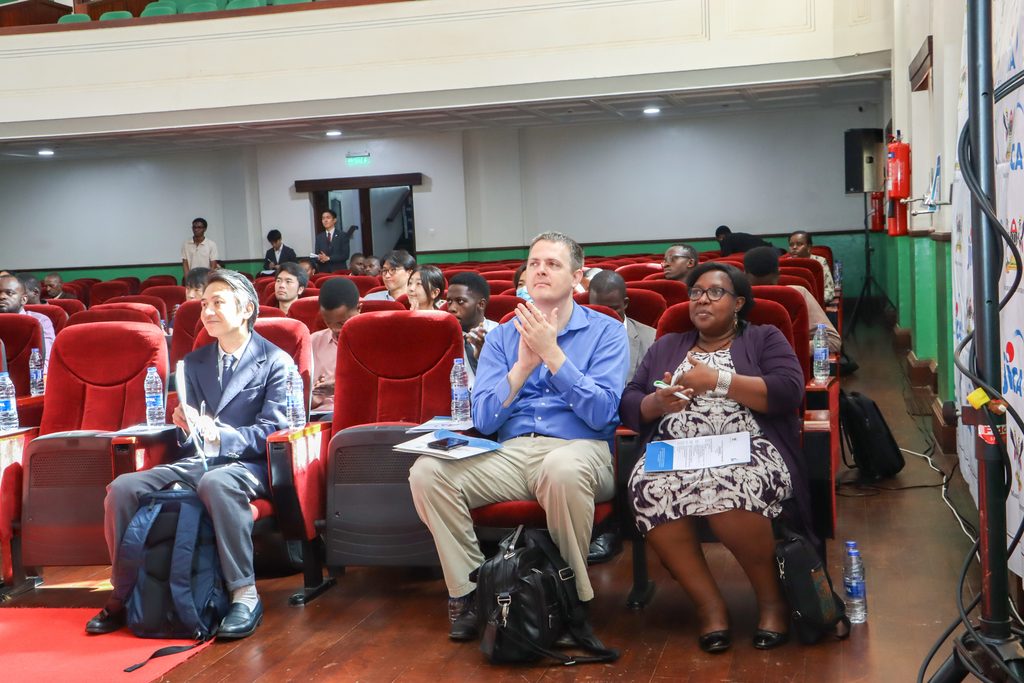
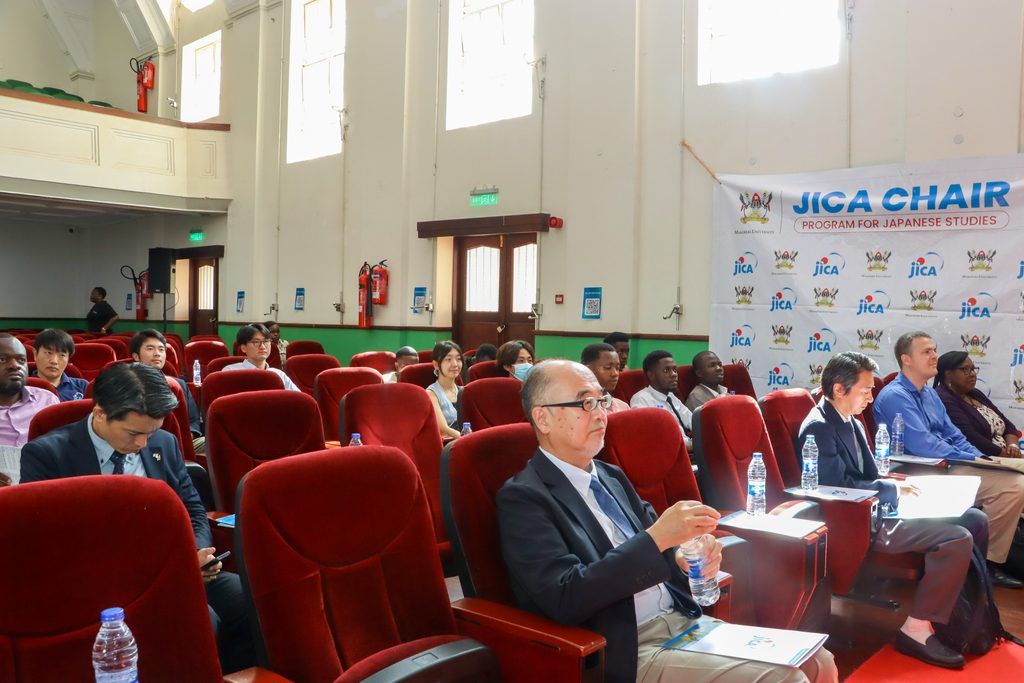
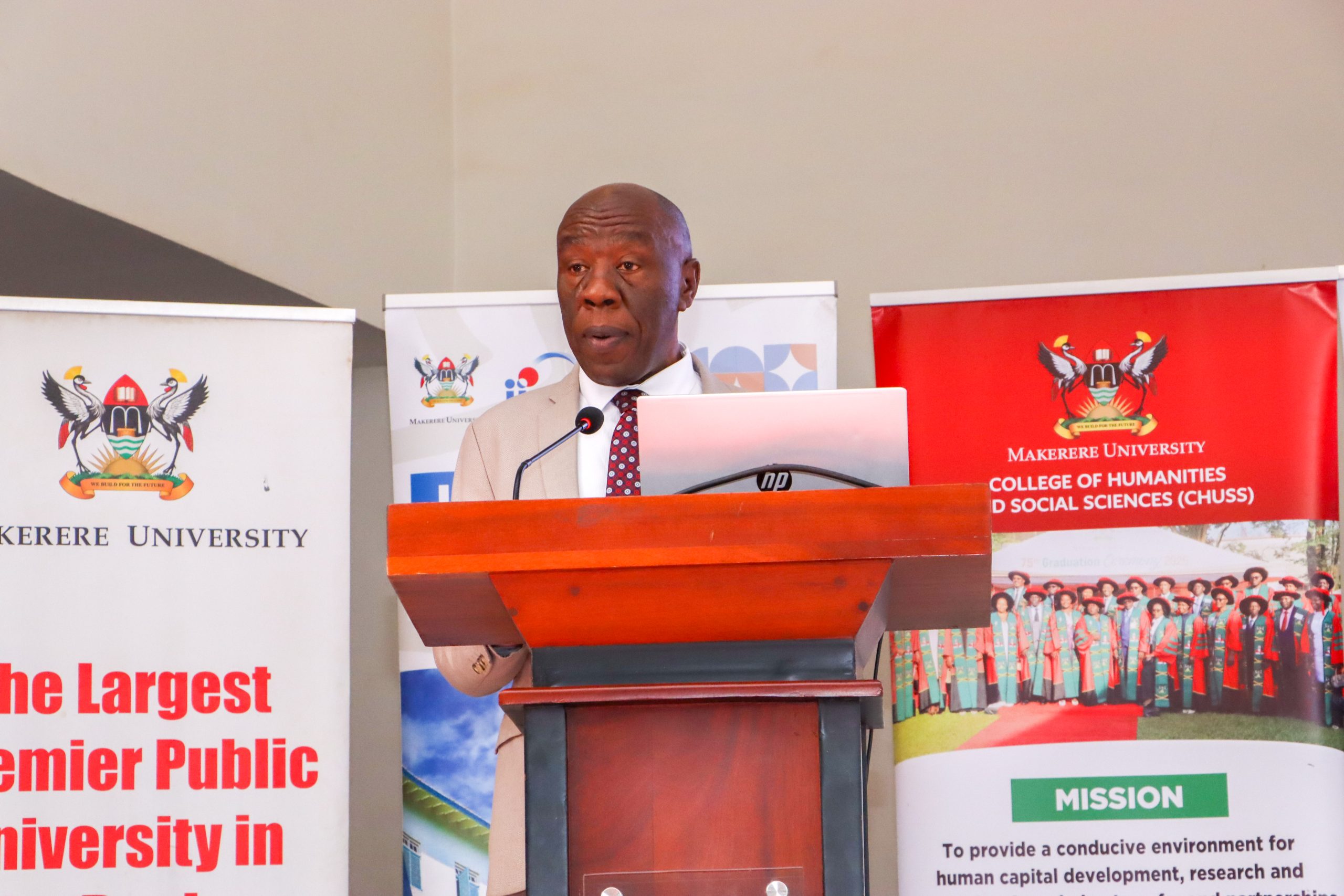
Opening speakers welcomed the visiting scholar and highlighted the growing academic links between Makerere and universities in Japan and Germany. The Deputy Vice Chancellor for Finance and Administration, Prof. Henry Alinaitwe in his opening remarks encouraged students to utilise such gatherings to strengthen academic networks and identify key areas where they can make meaningful contributions. A question-and-answer session ran after the lecture, touching on topics such as disasters, the Sustainable Development Goals and spirituality.
By Madeleine Kisuule | Kampala, 30 October 2026