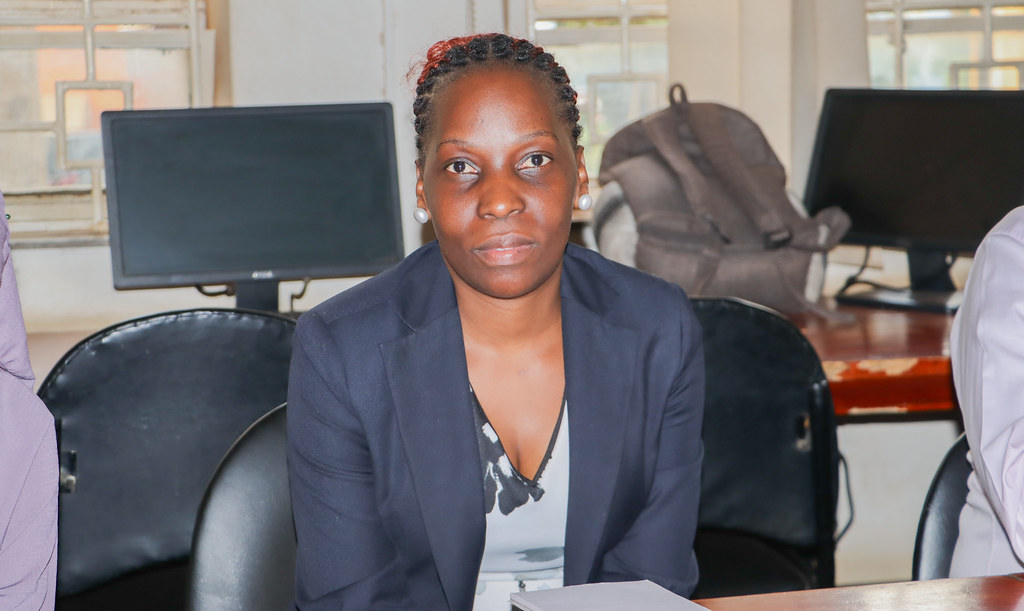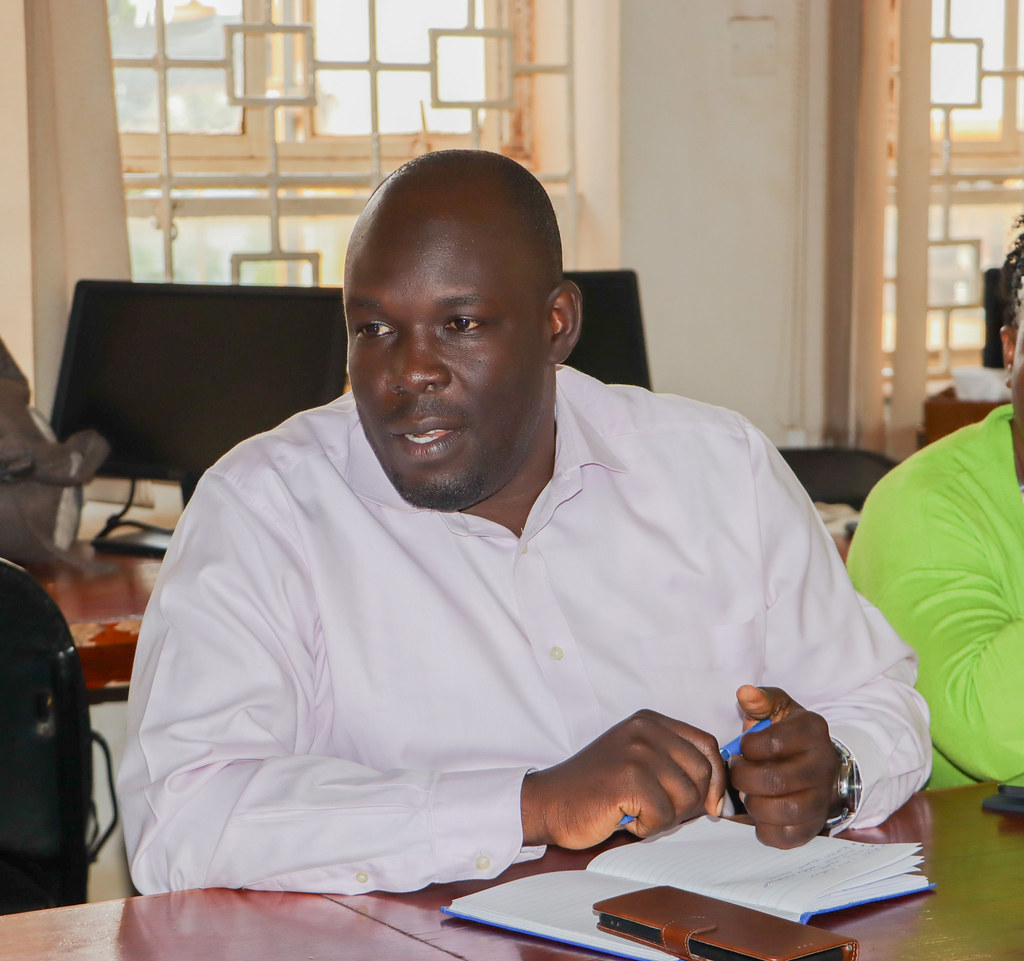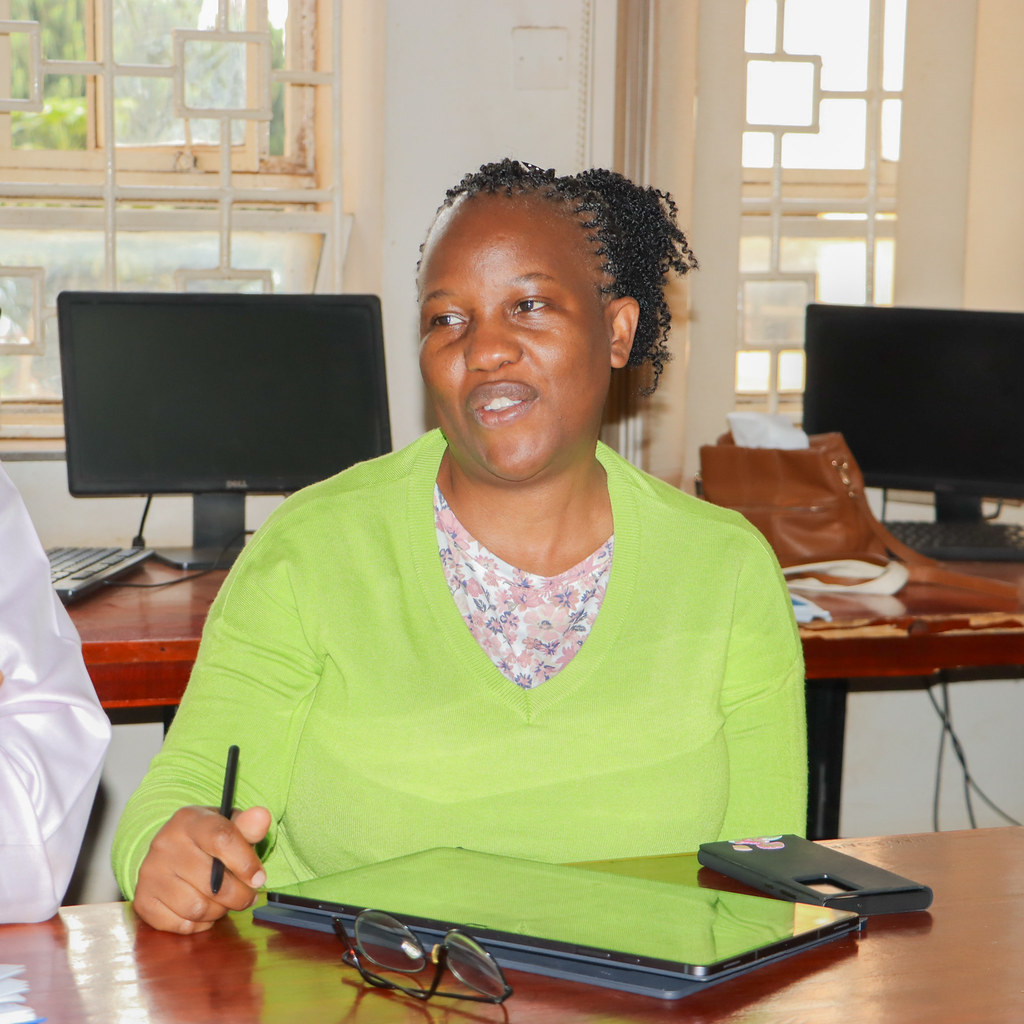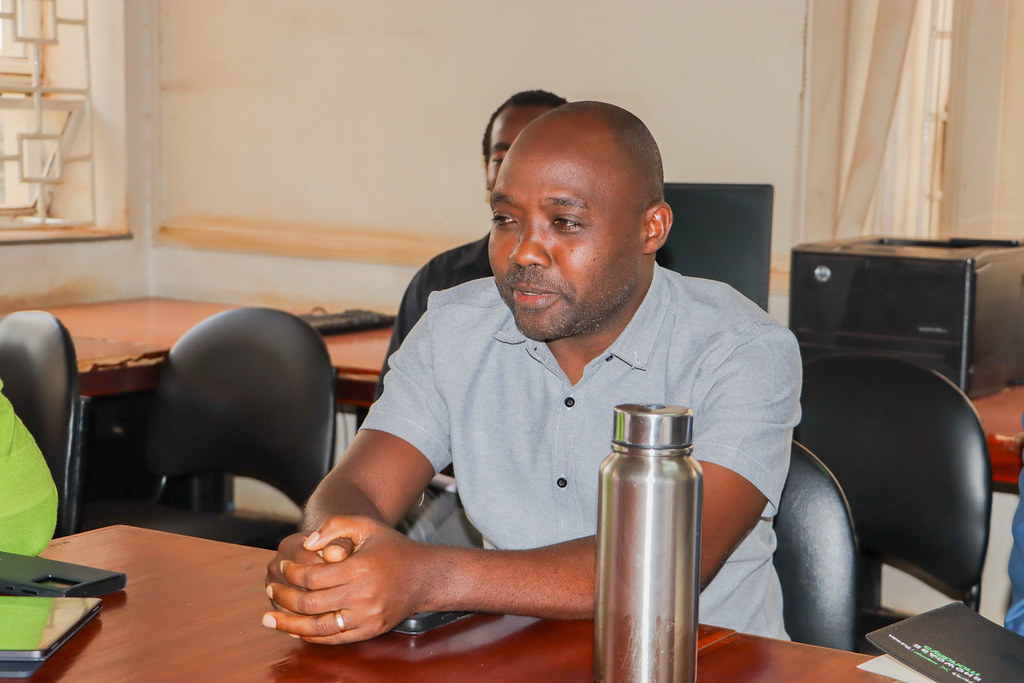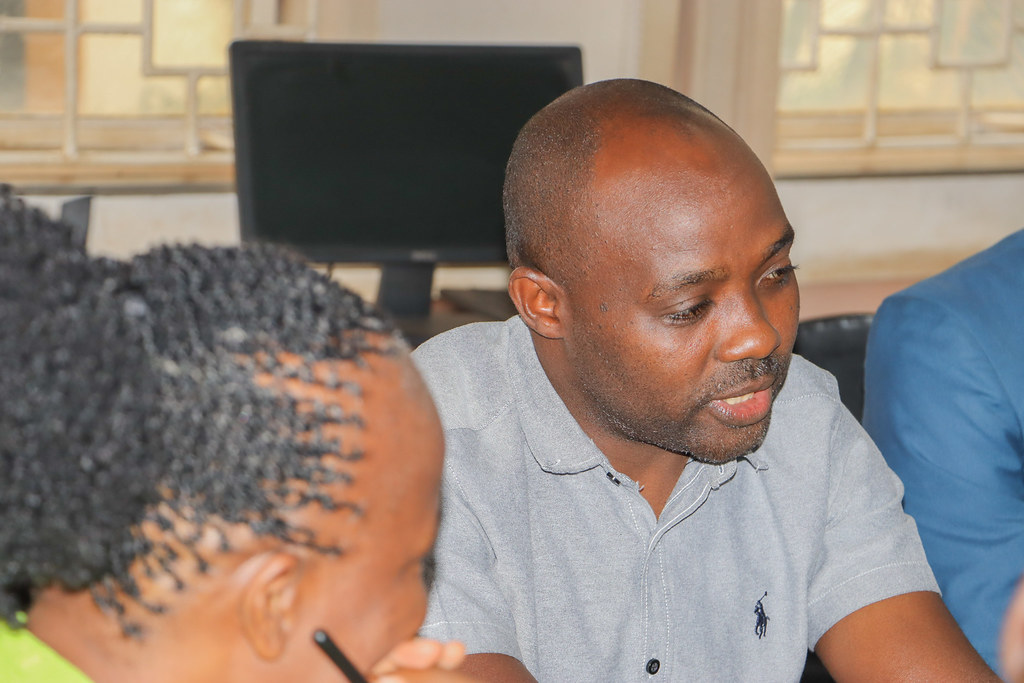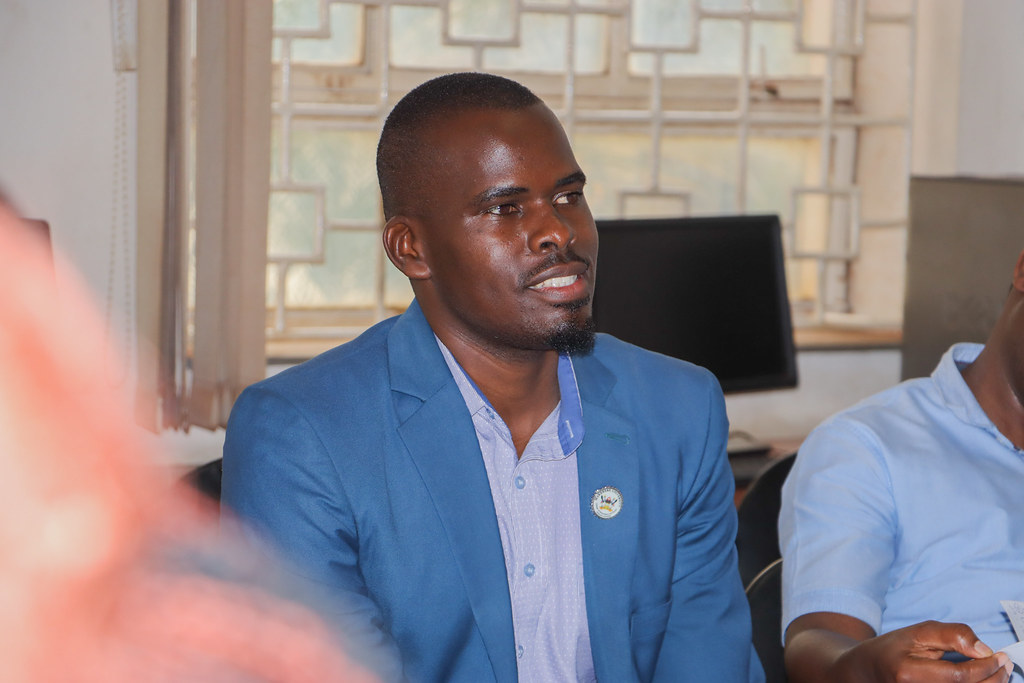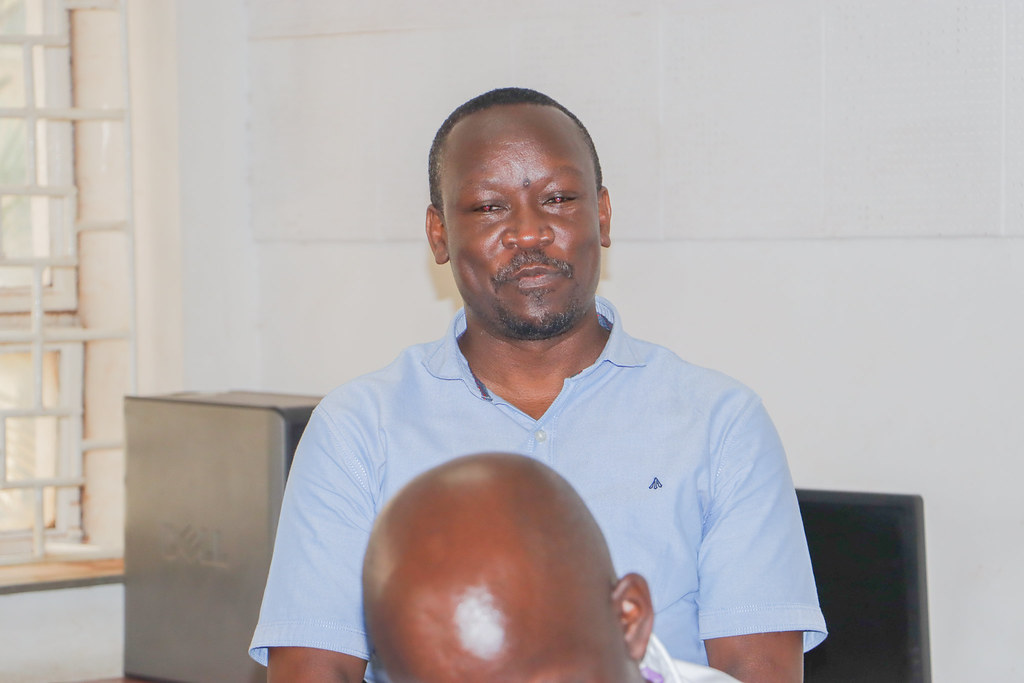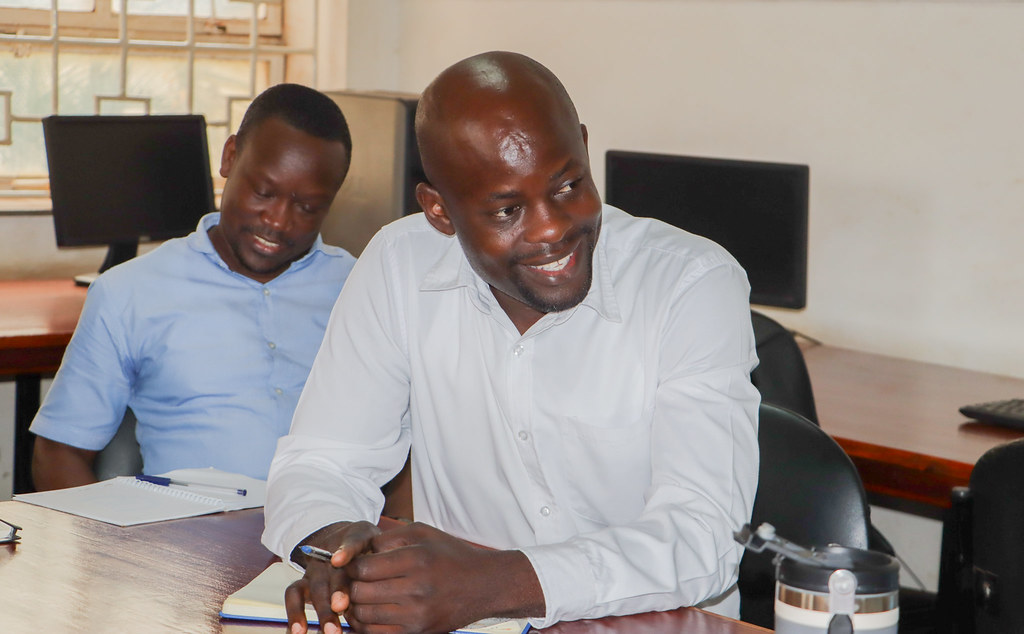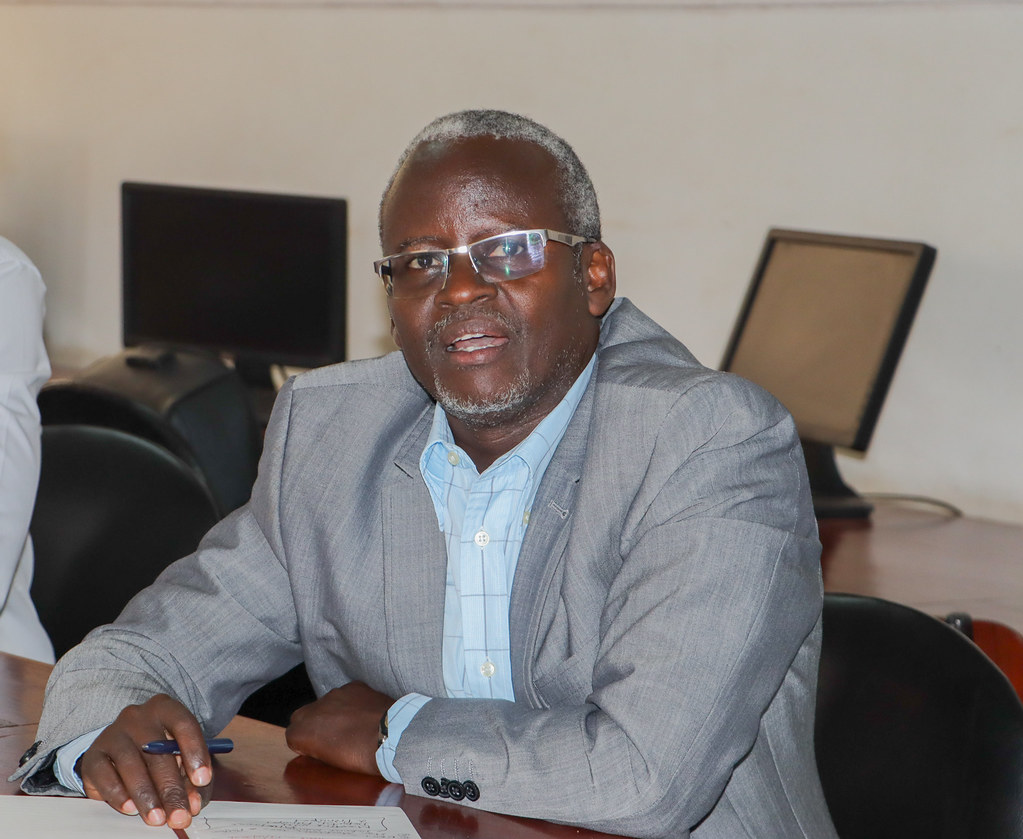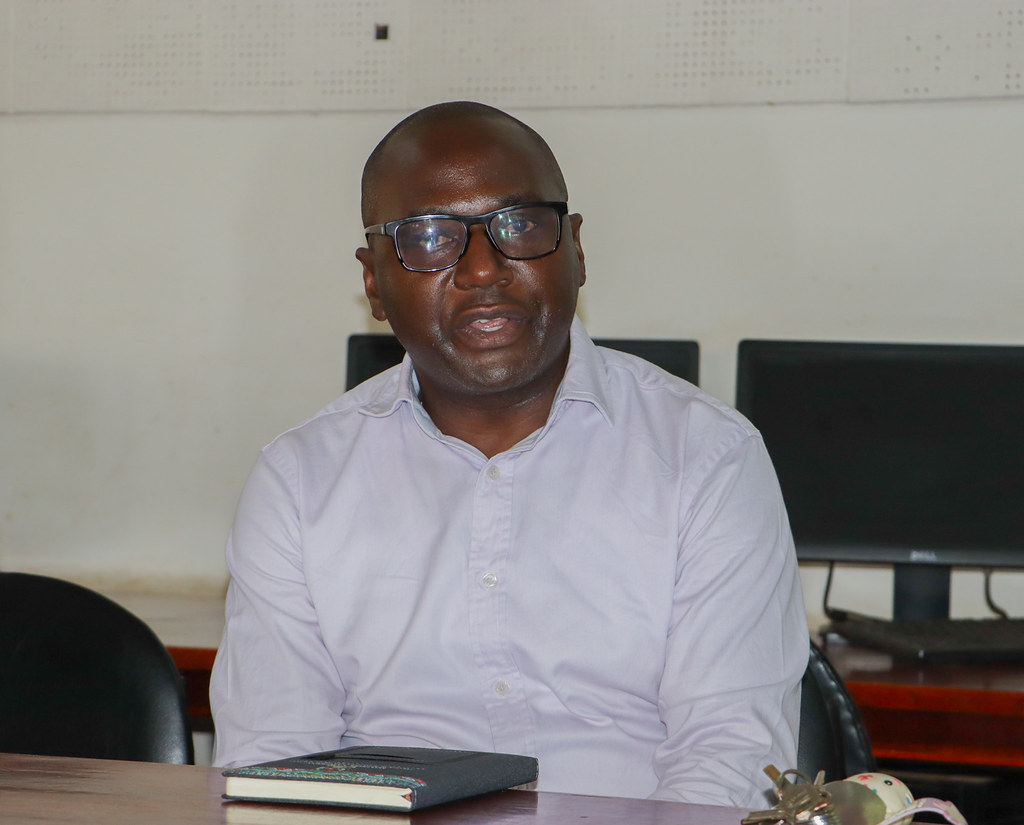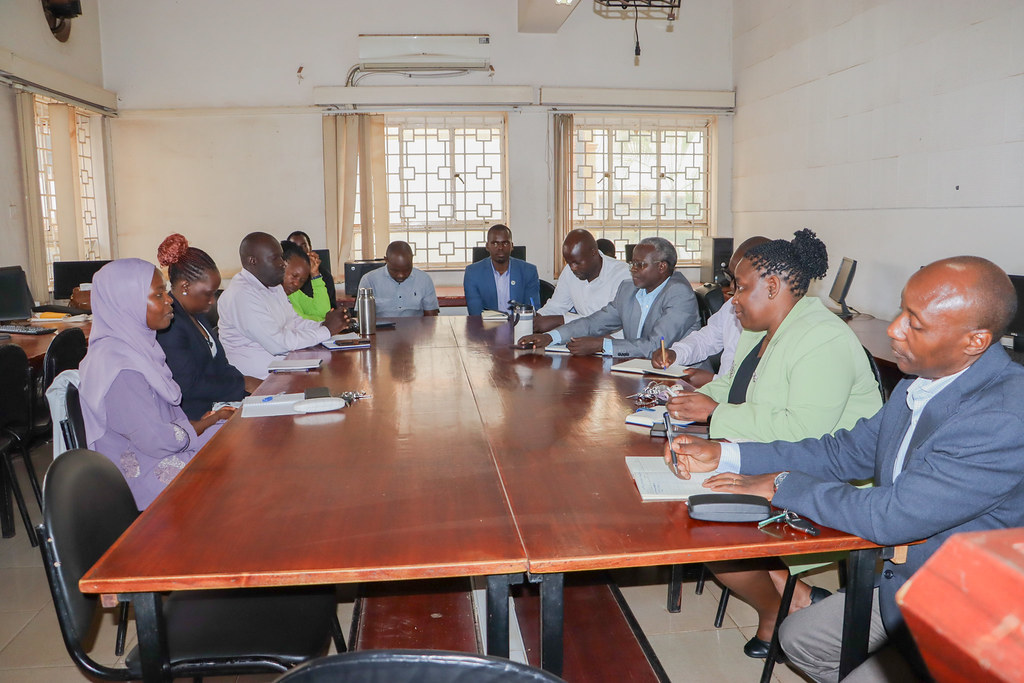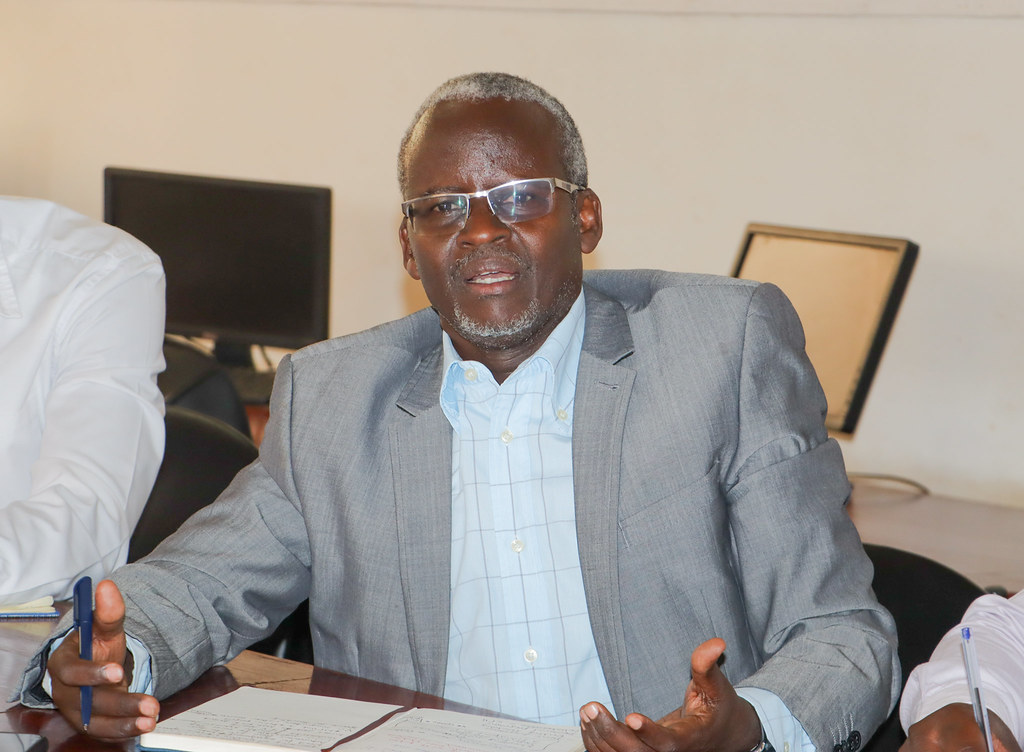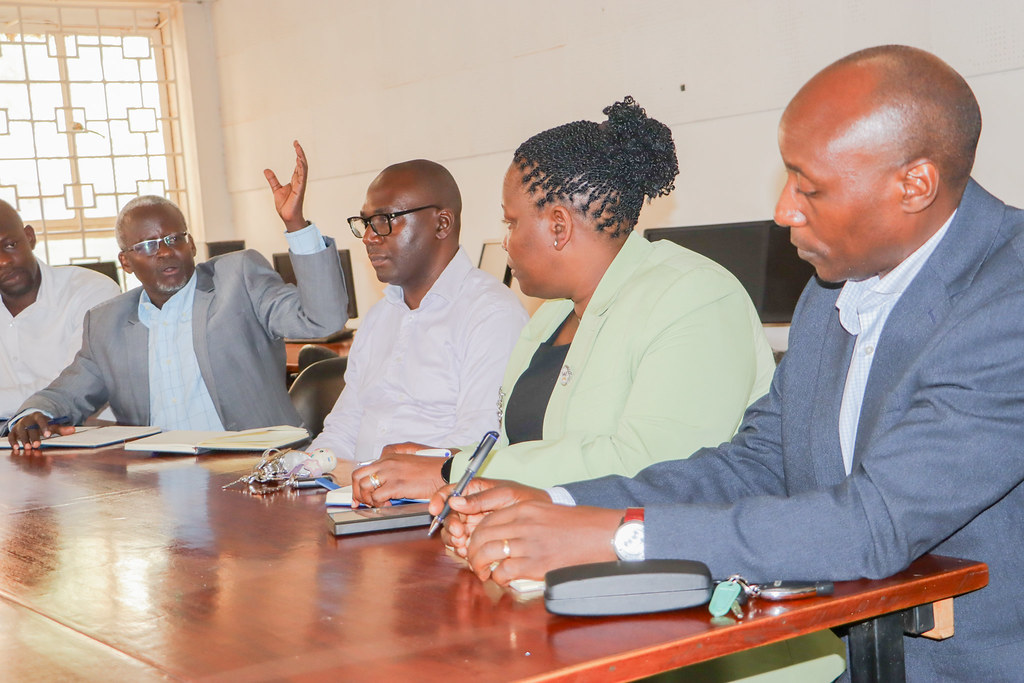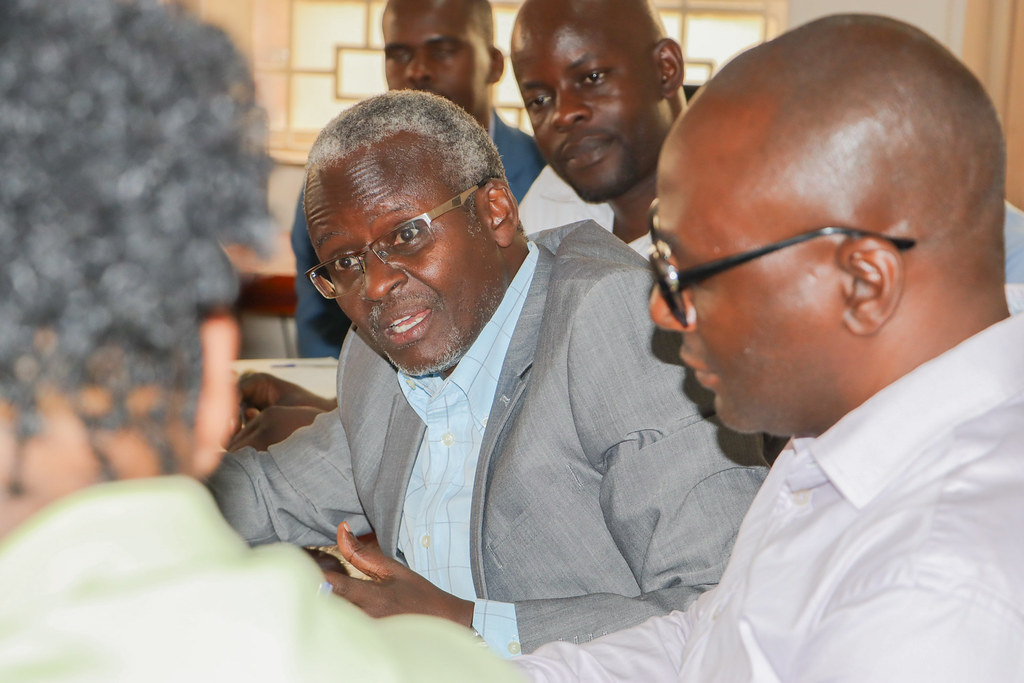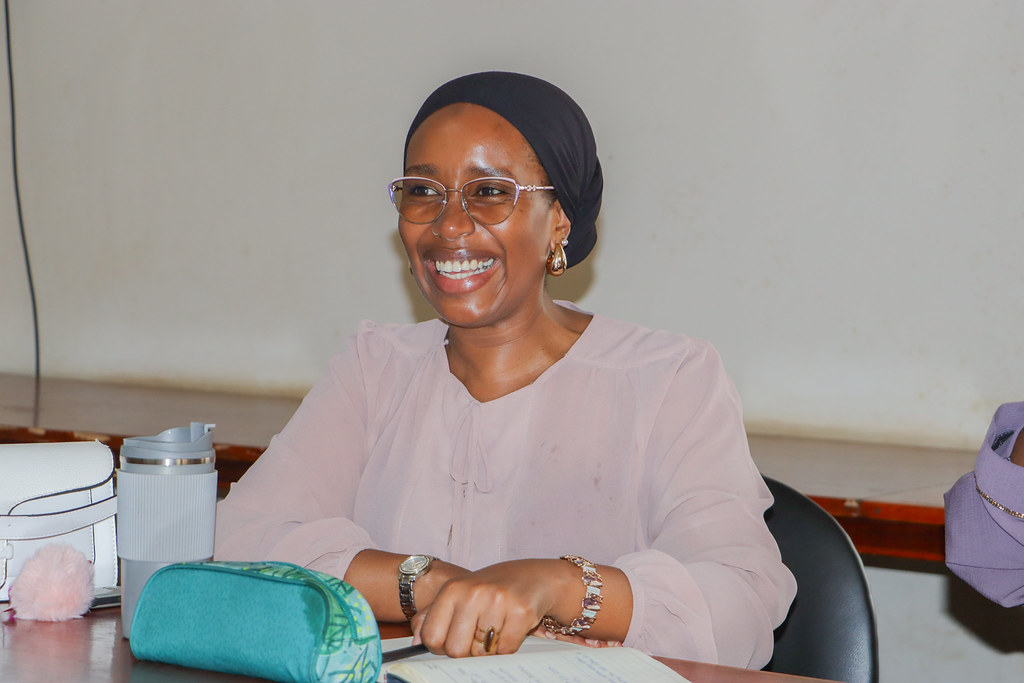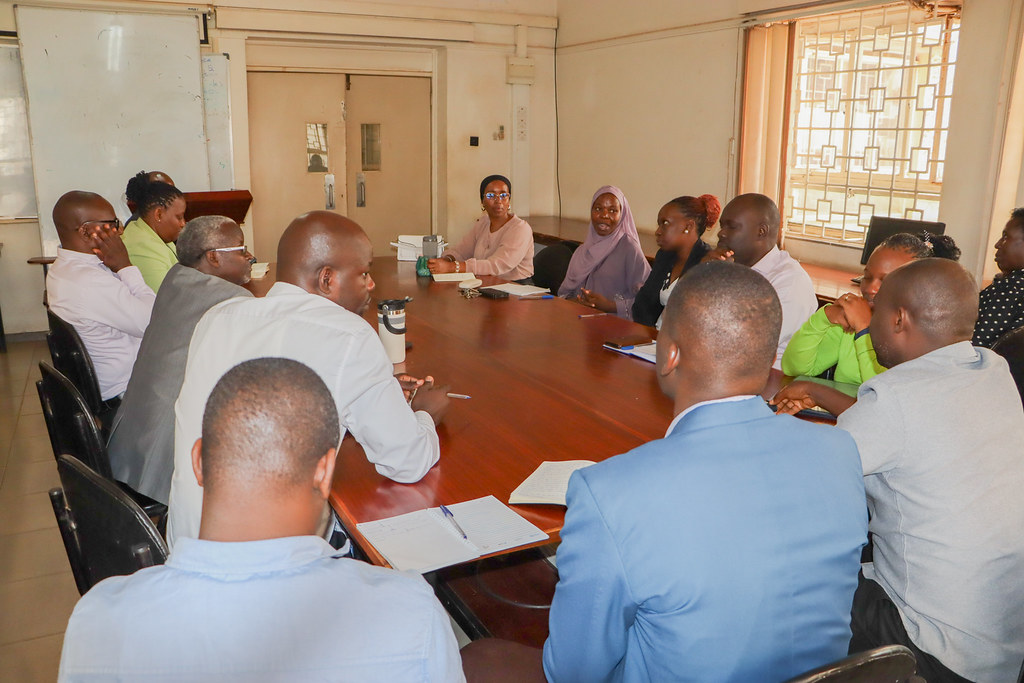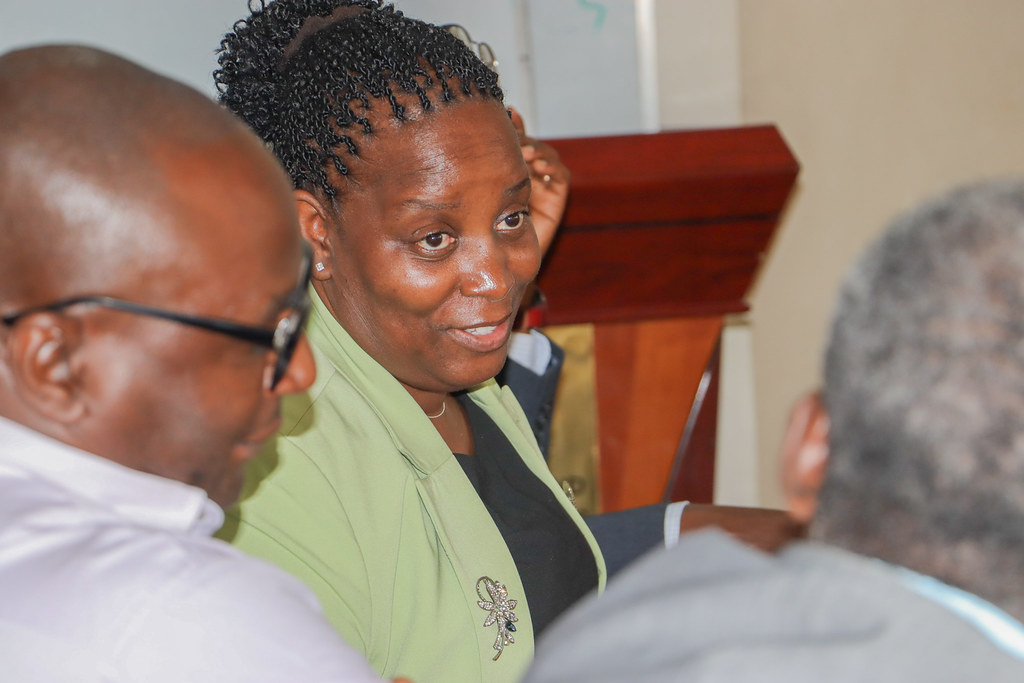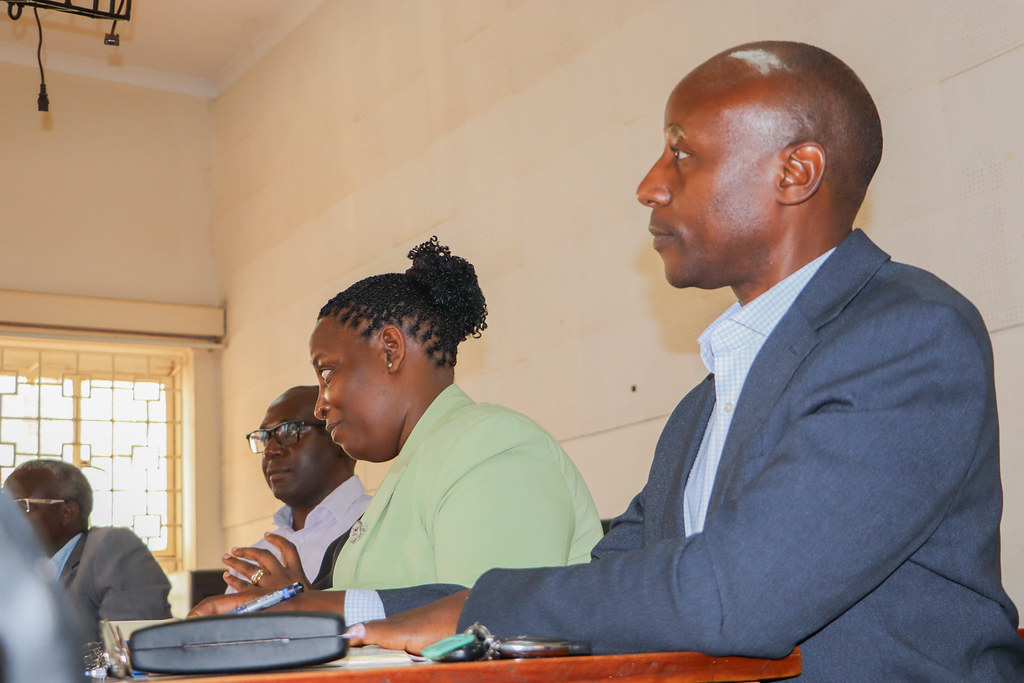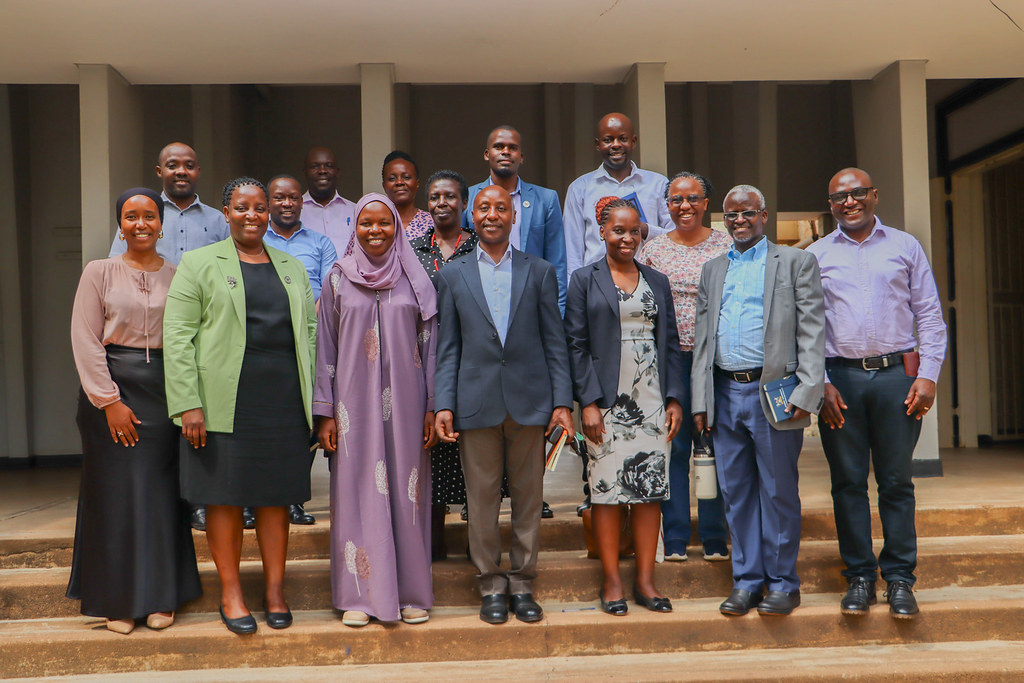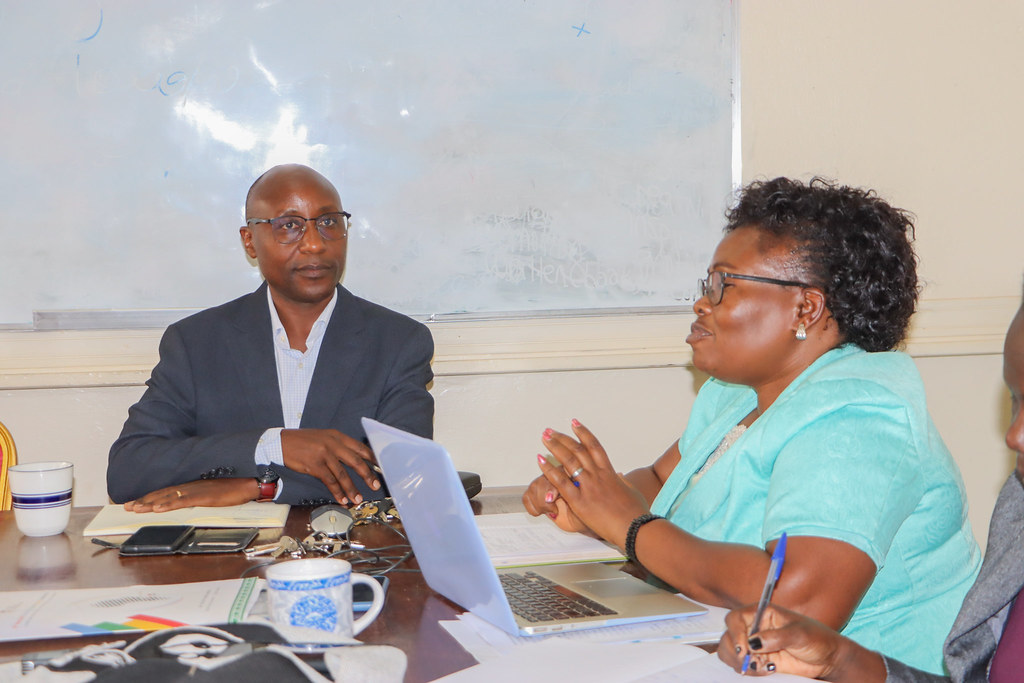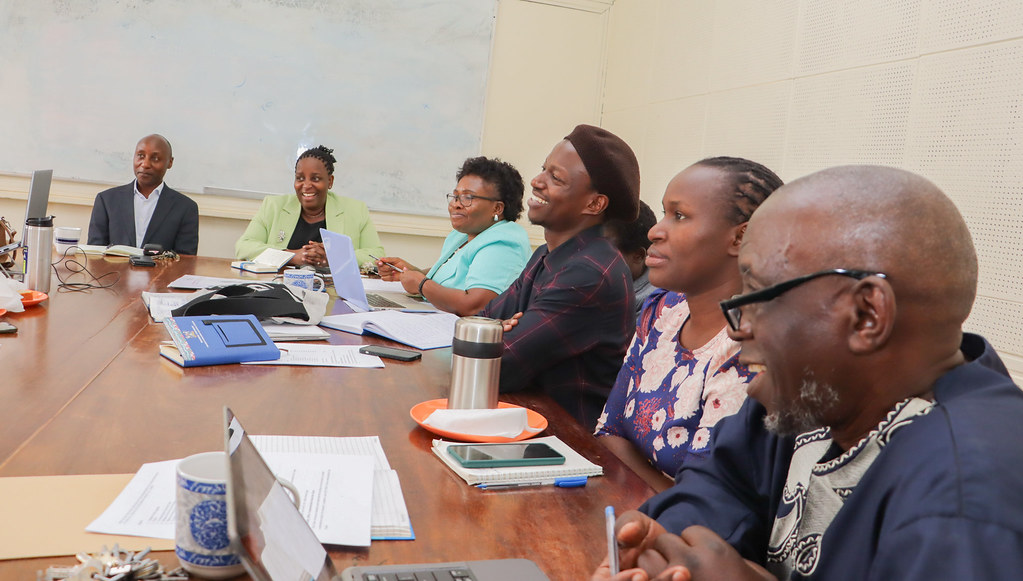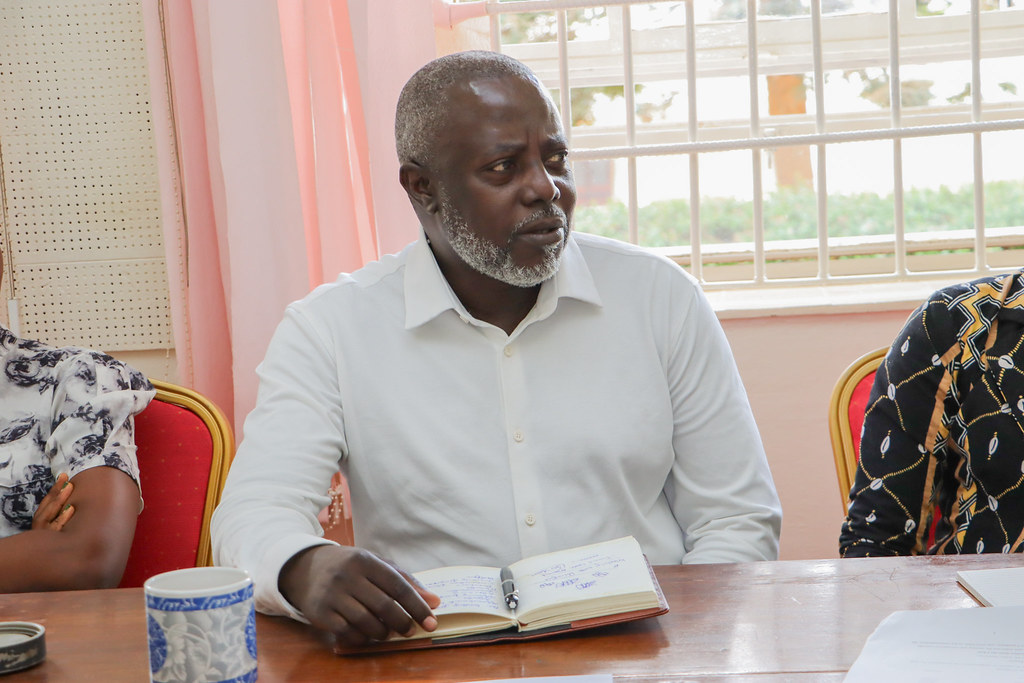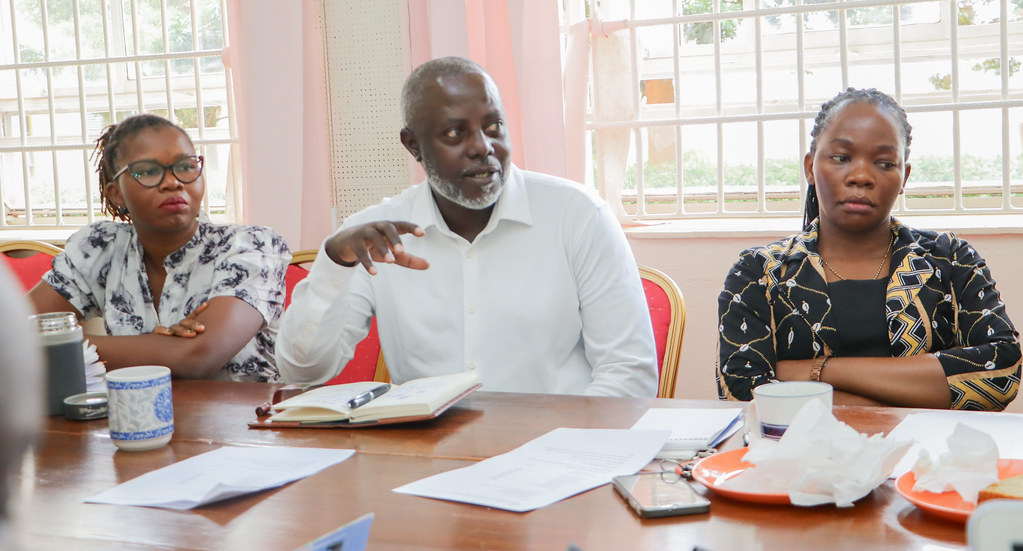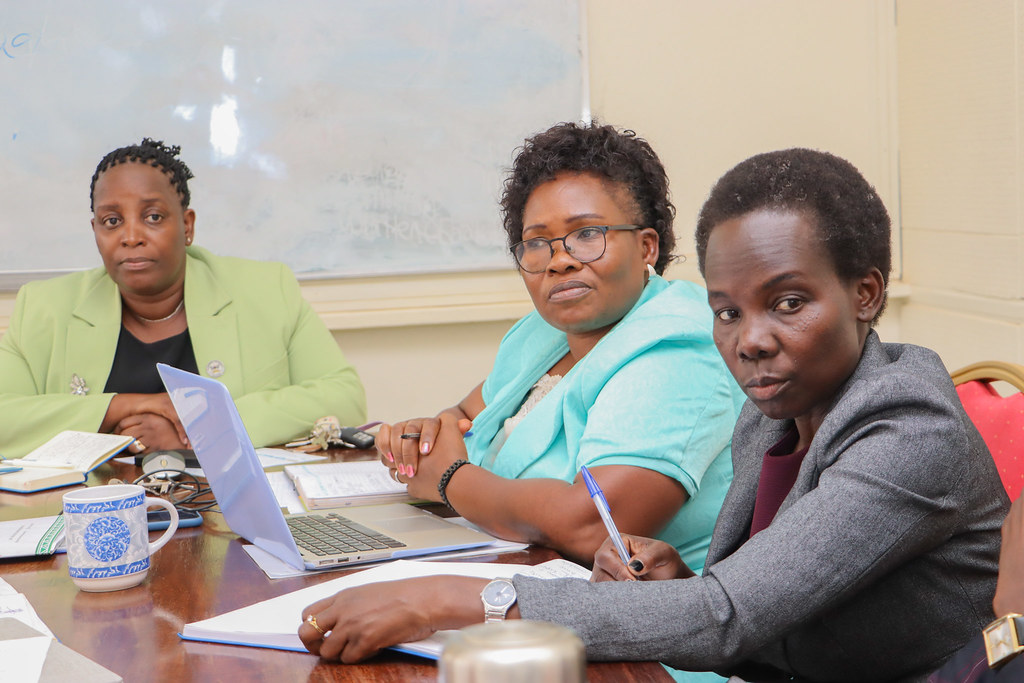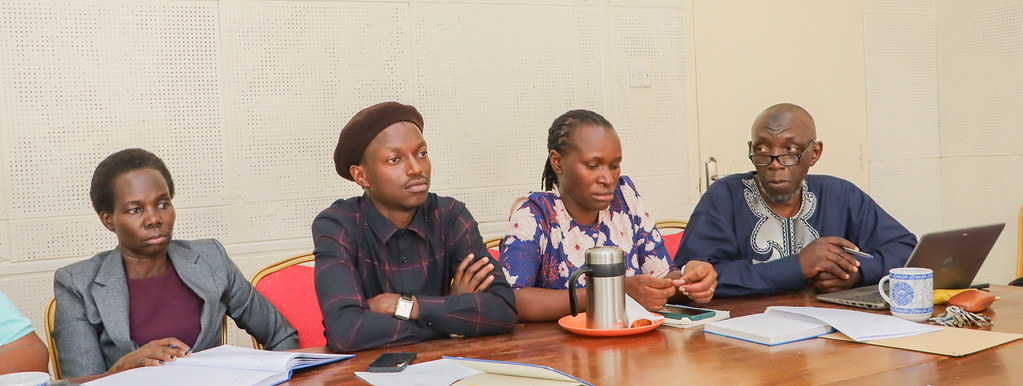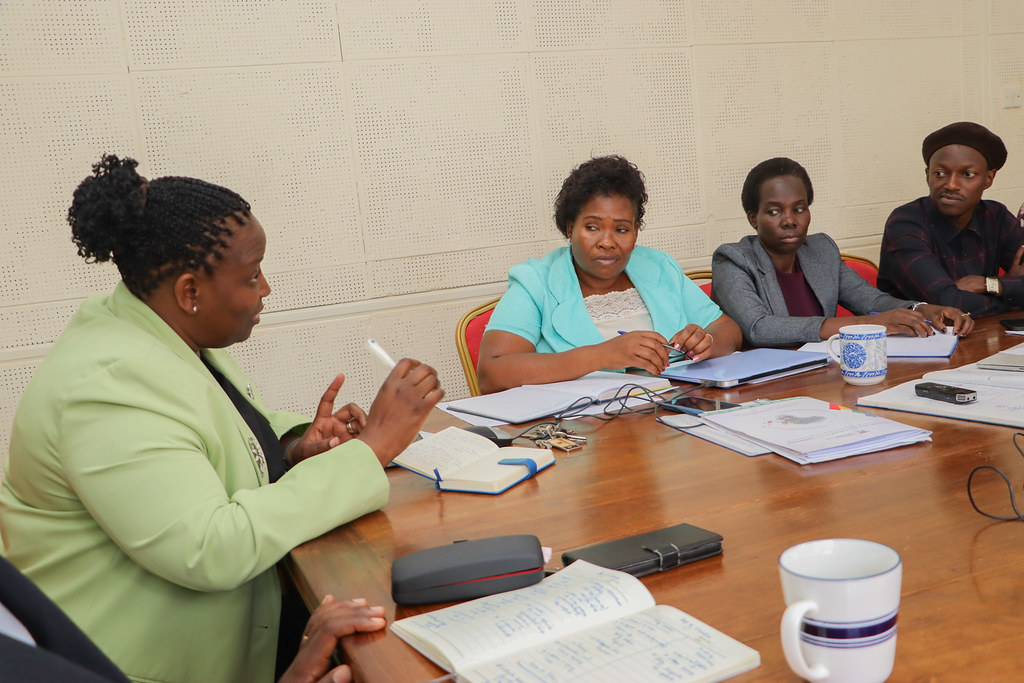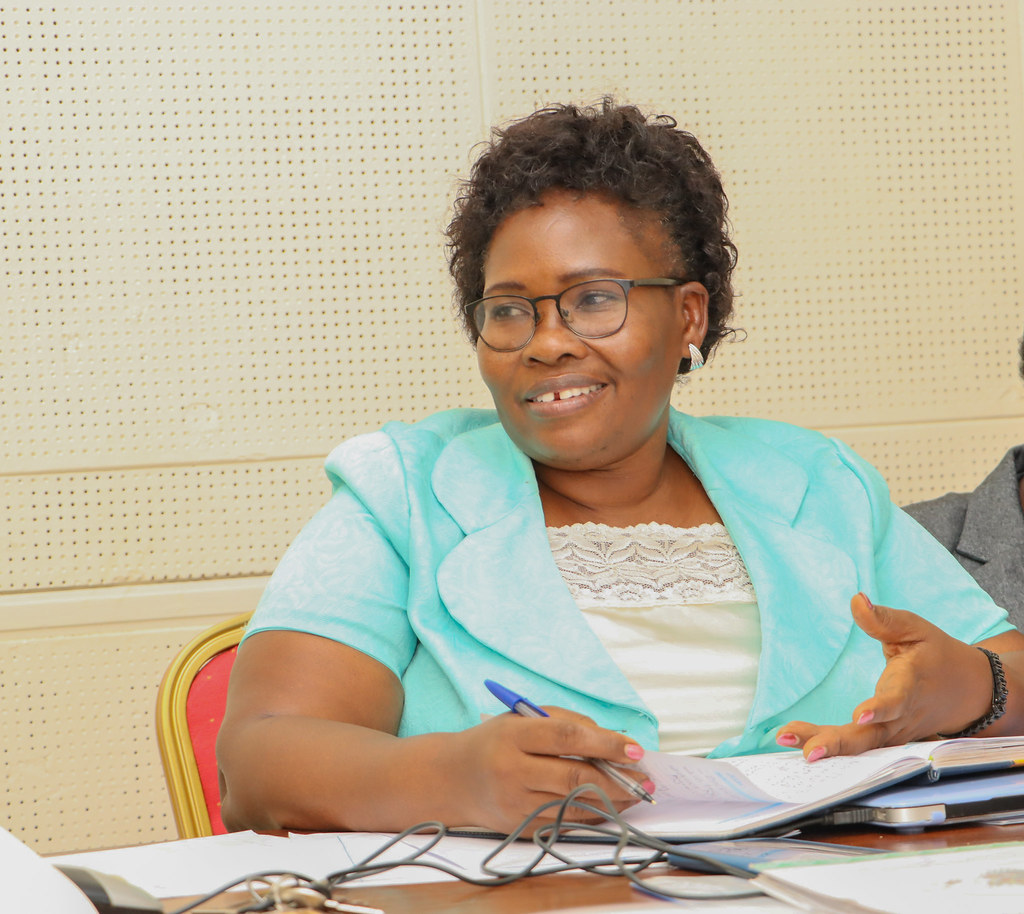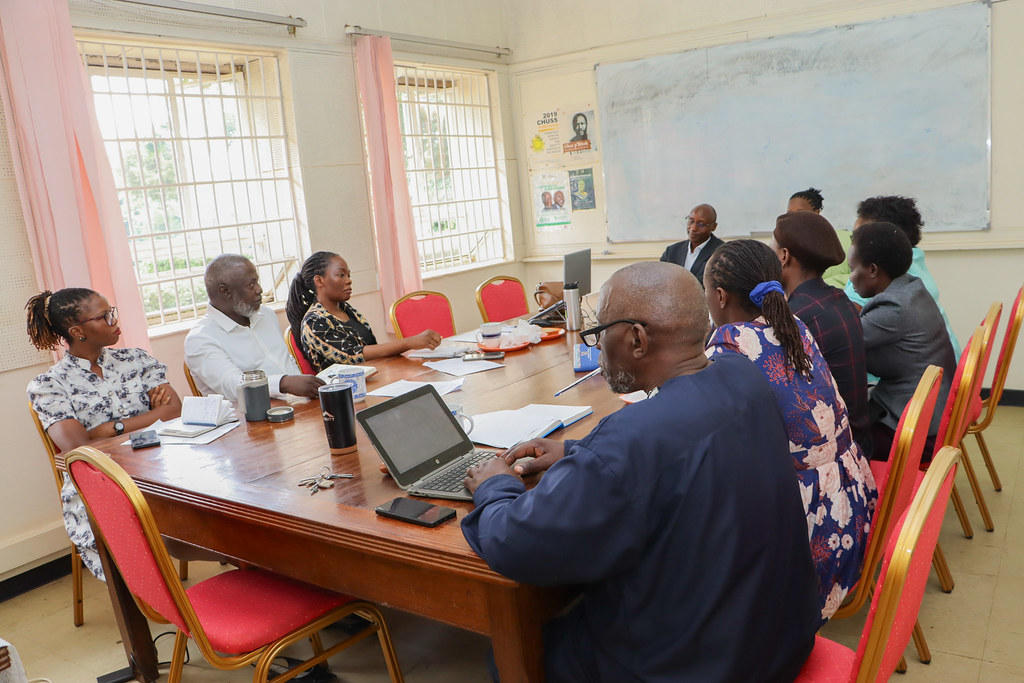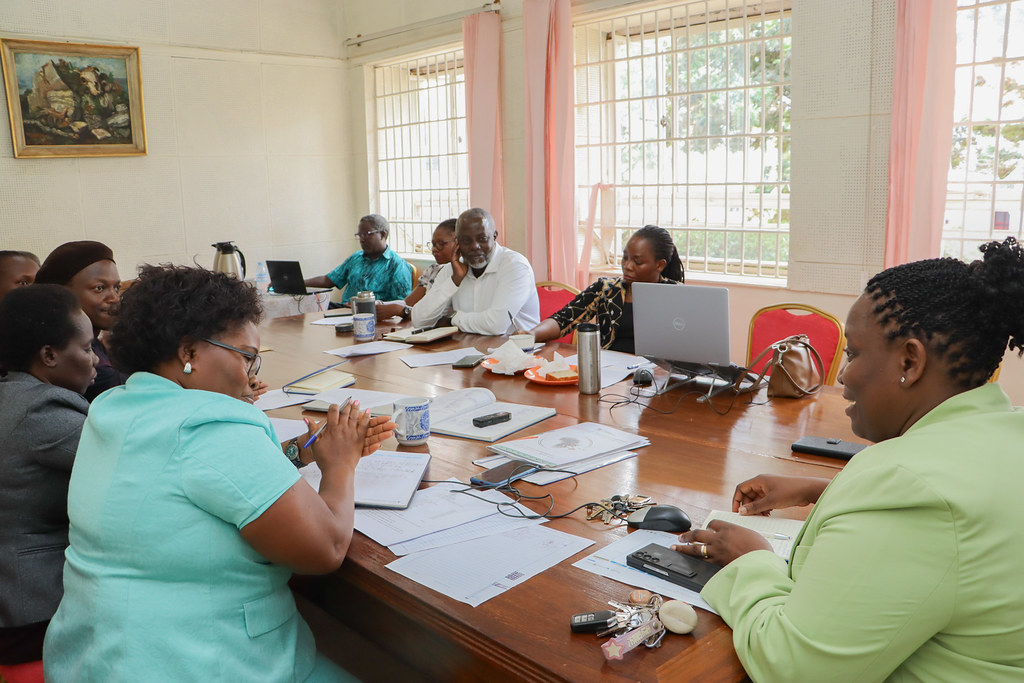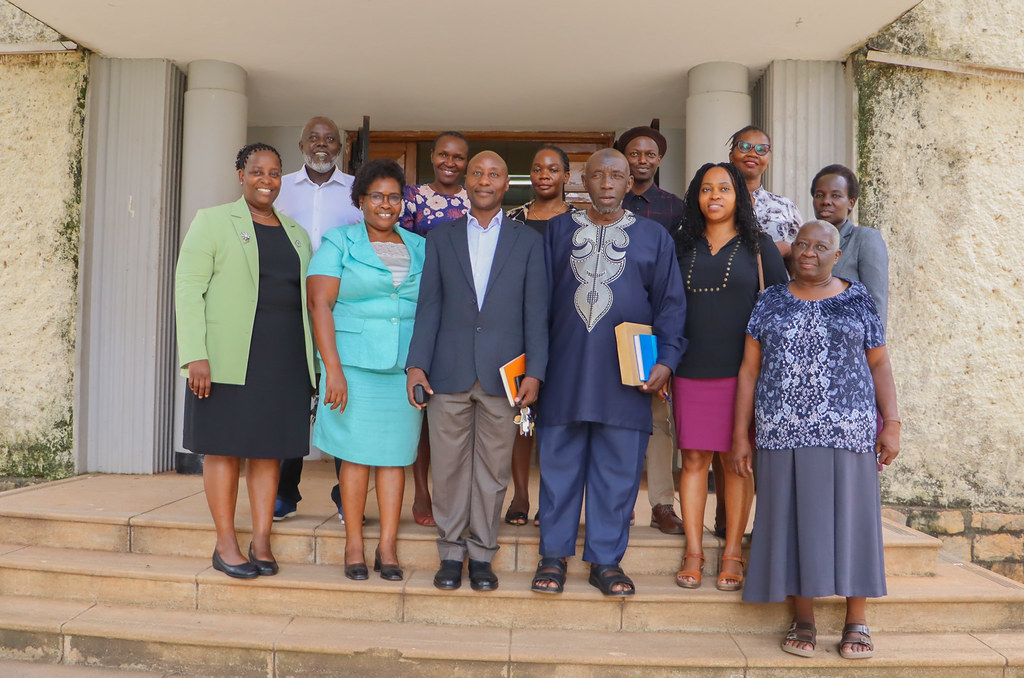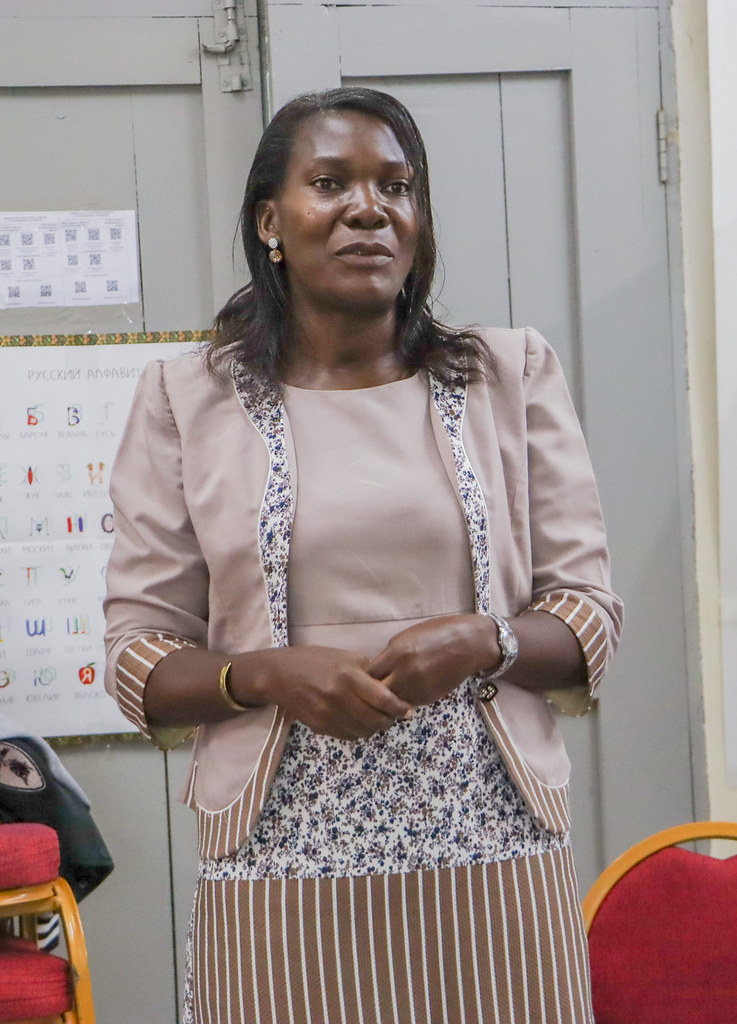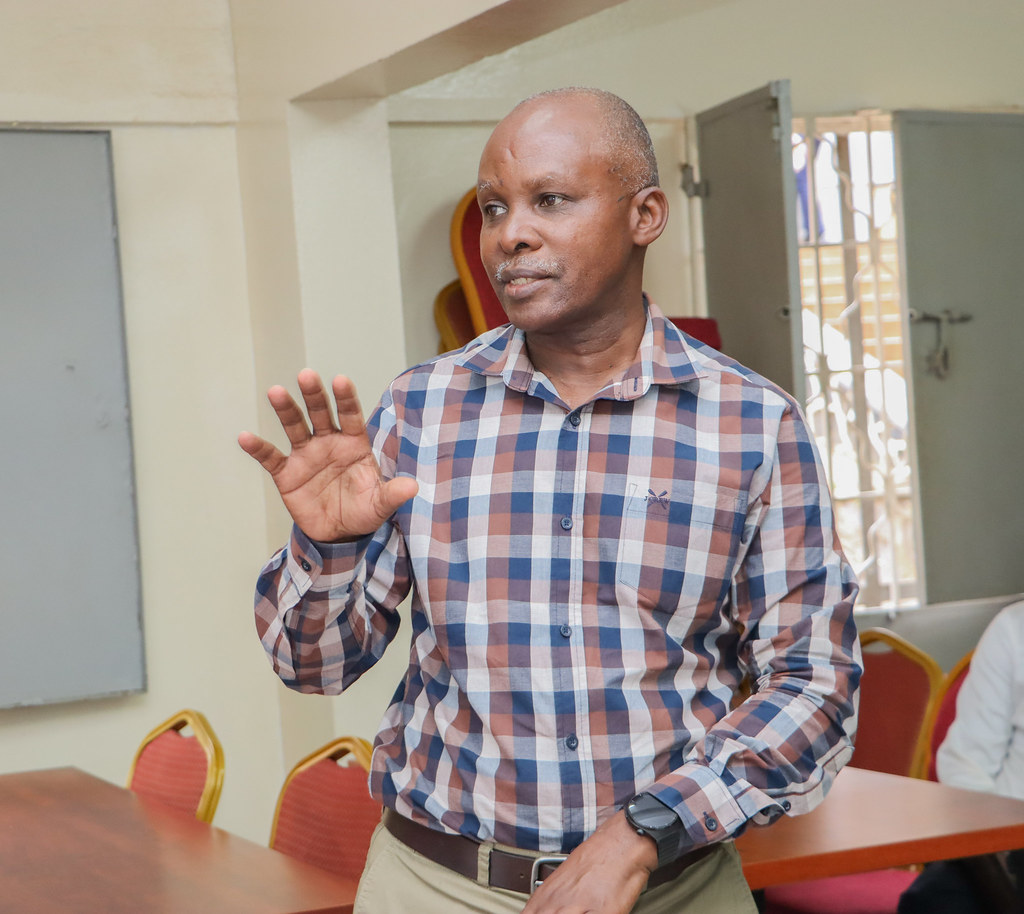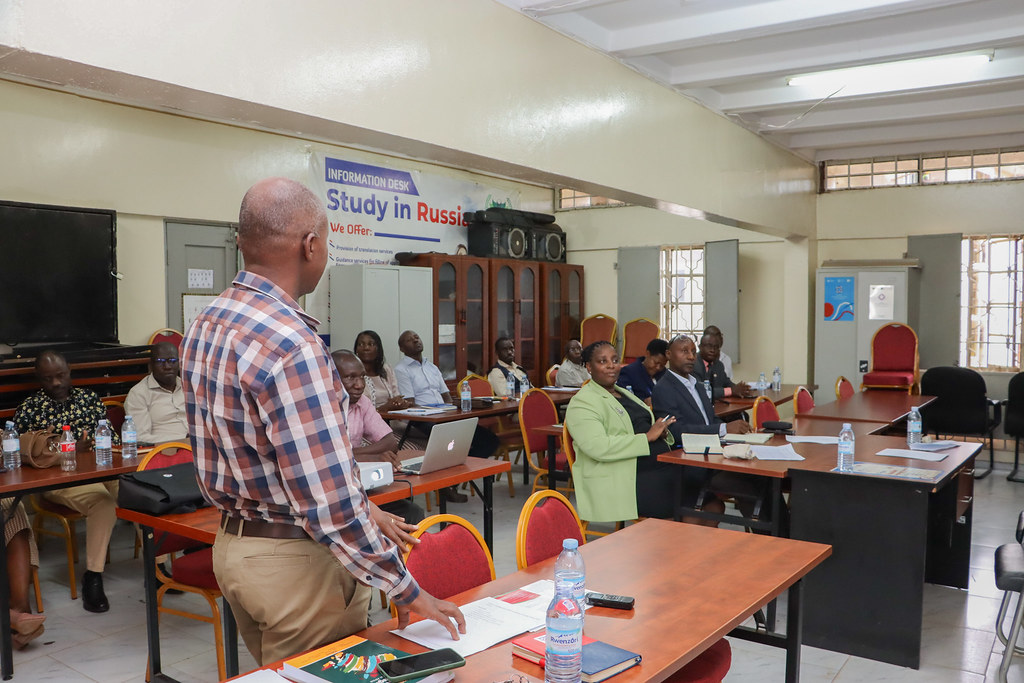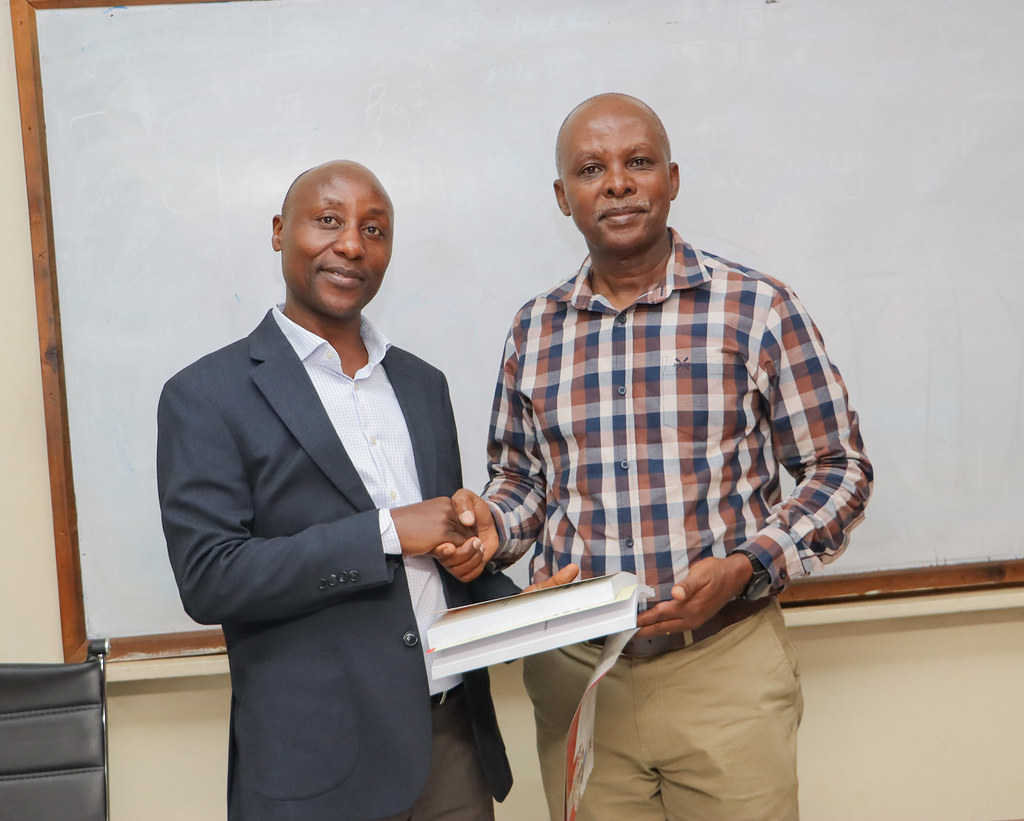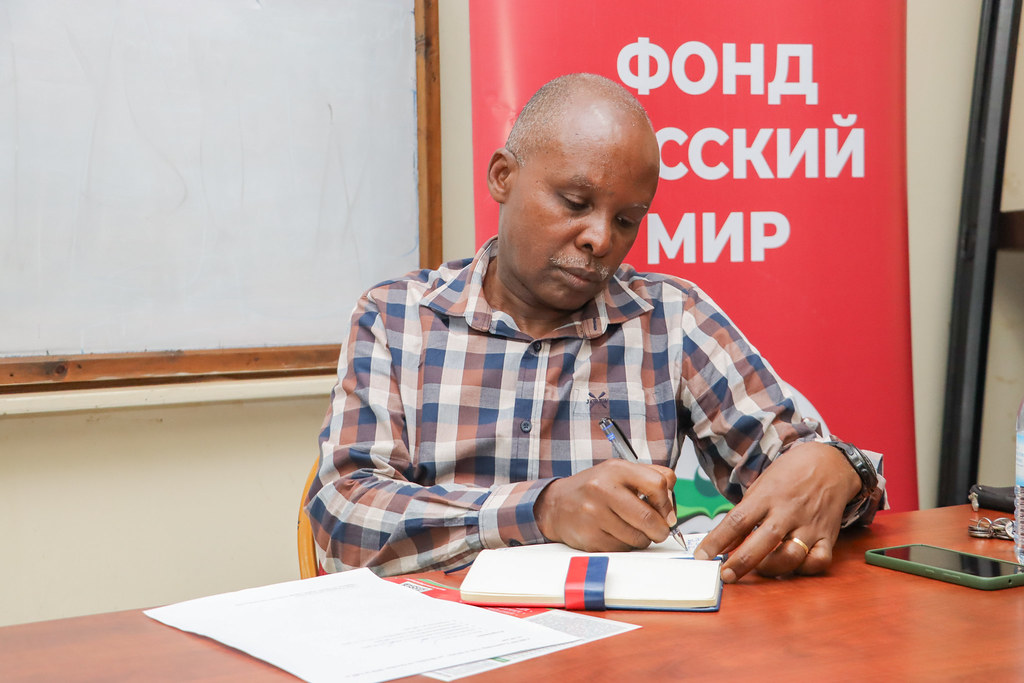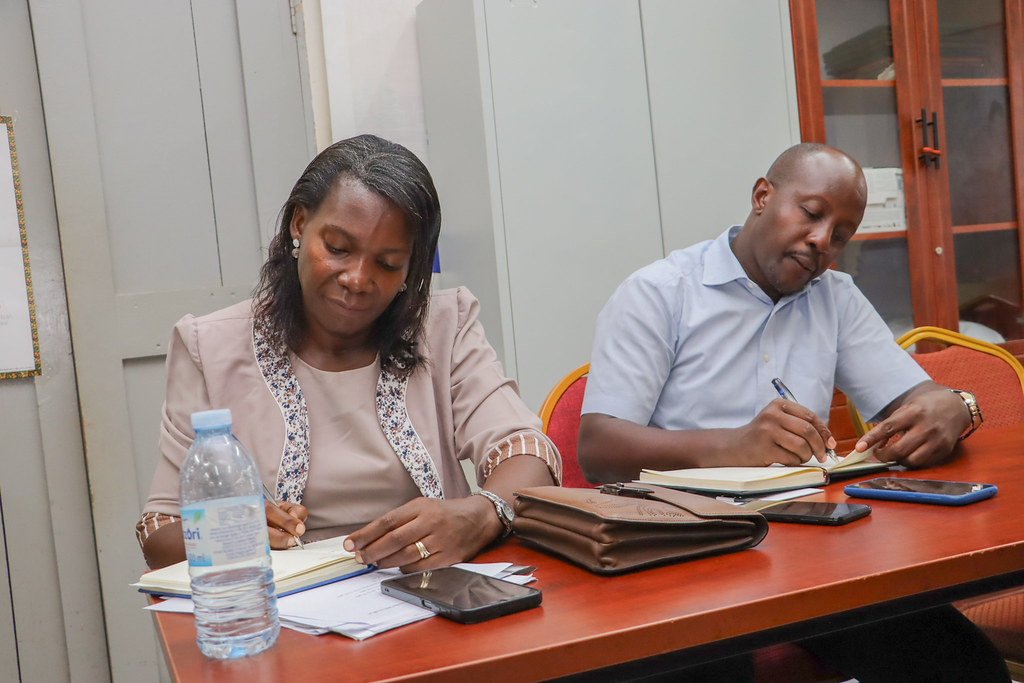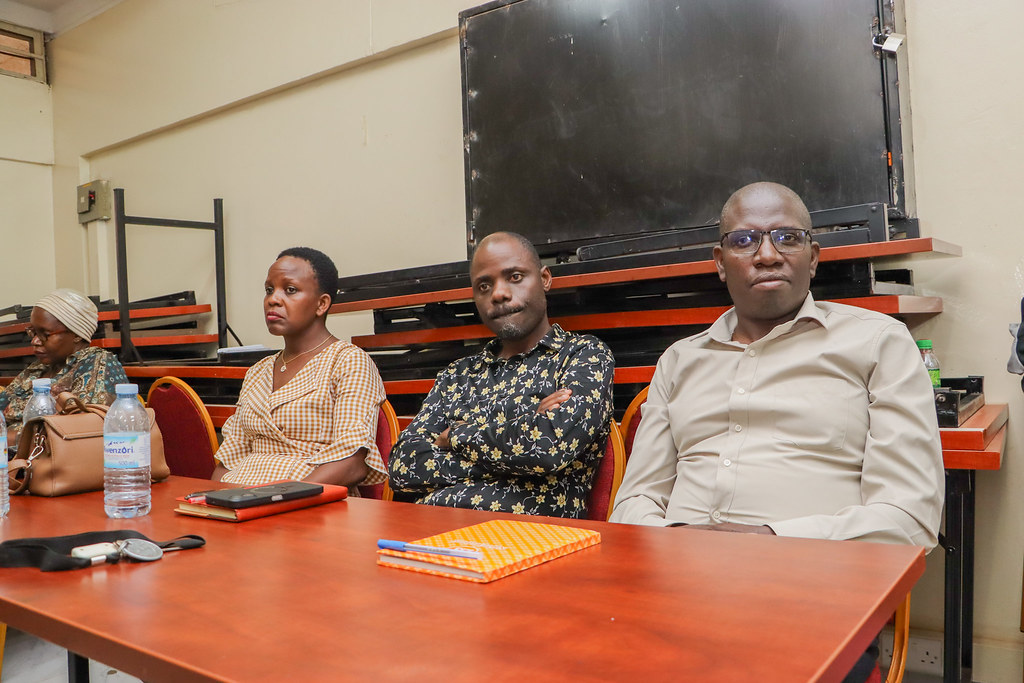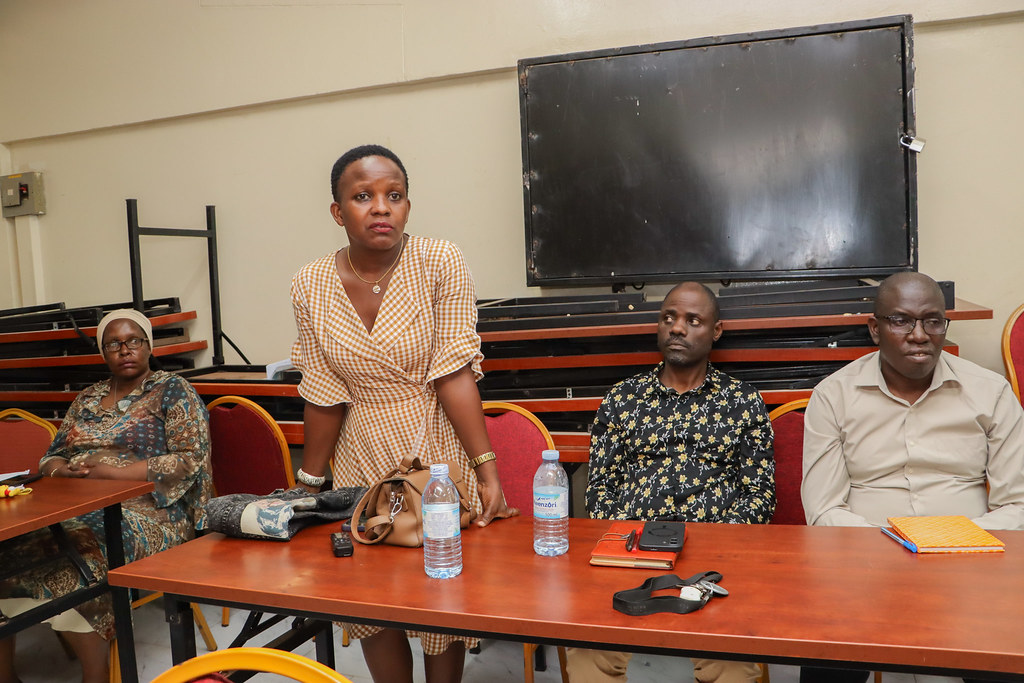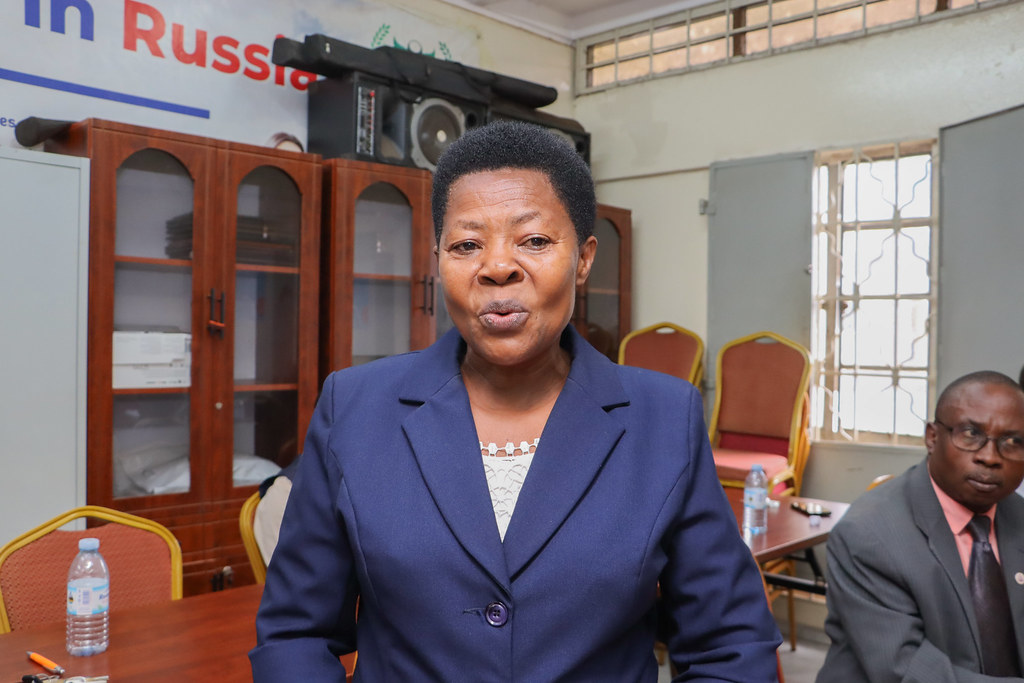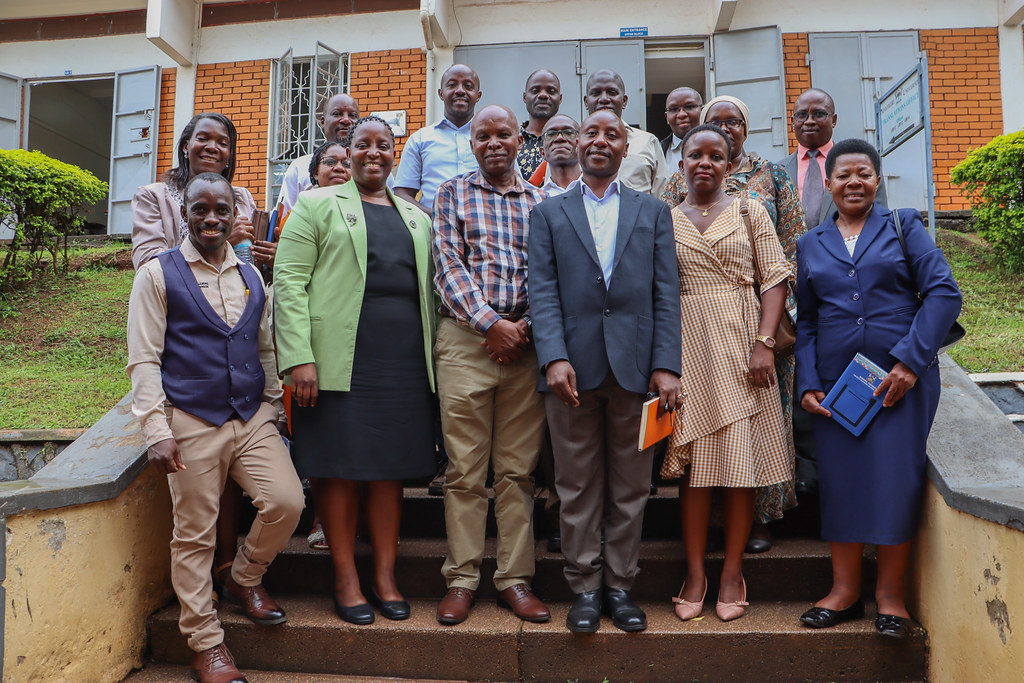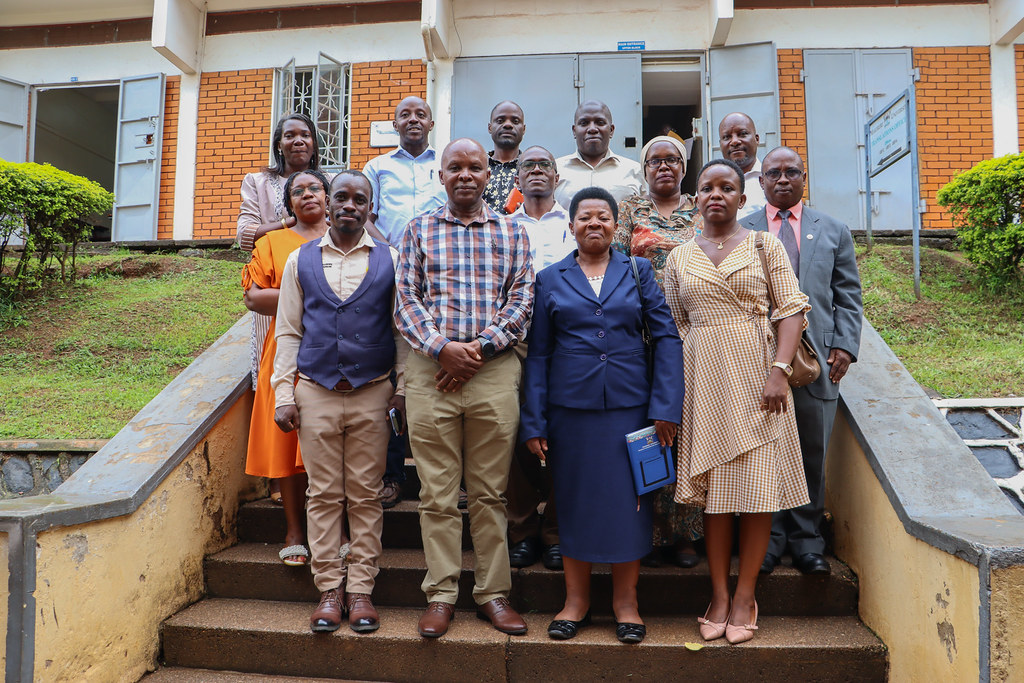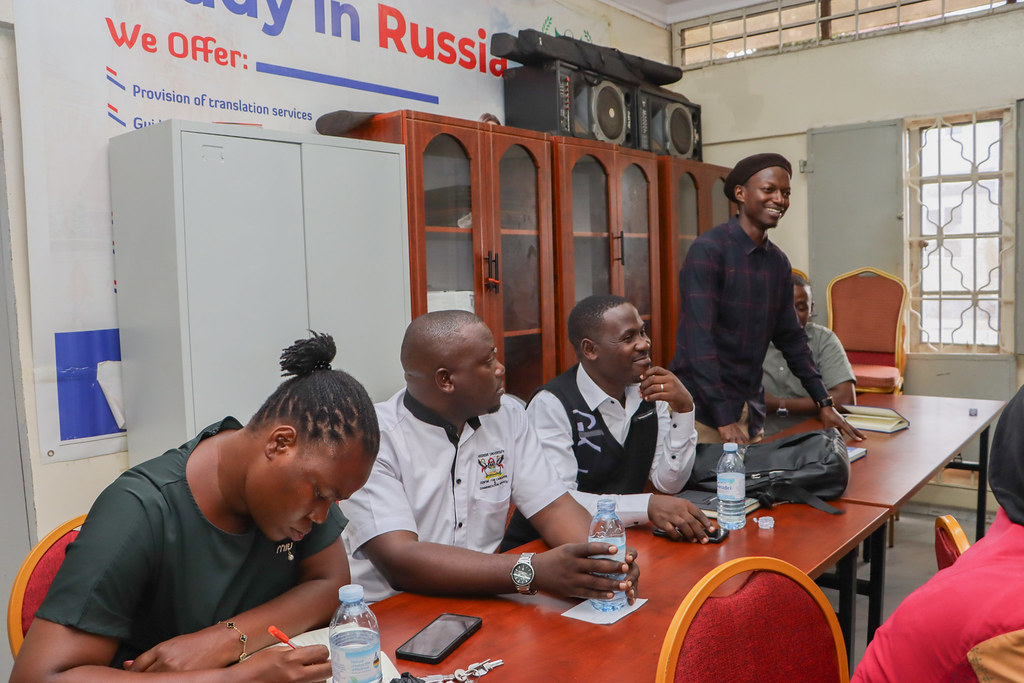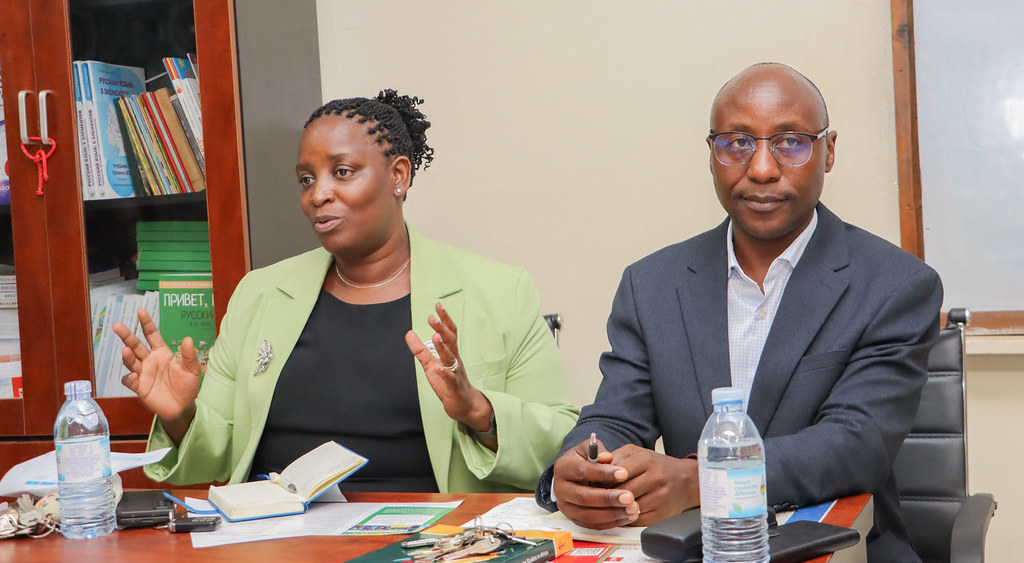
The Principal of the College of Humanities and Social Sciences (CHUSS), Assoc. Prof. Helen Nambalirwa Nkabala, together with the newly appointed Deputy Principal, Prof. Eddy Joshua Walakira, on Monday 19th Oct paid an official working visit to the School of Languages, Literature and Communication (SLLC).
The engagement served to formally introduce the new Deputy Principal to the academic staff and department heads, while providing a platform for constructive dialogue on operational successes, resource constraints, and key departmental priorities.
Opening the meeting, Assoc. Prof. Helen Nambalirwa Nkabala commended academic staff across the school for their dedication, resourcefulness, and continued commitment to quality teaching and research despite operational hurdles.
“We have gems that have not been mined either because of shortage of funds or because they don’t want,” Prof. Nkabala noted, urging faculty members to remain adaptable and innovative.
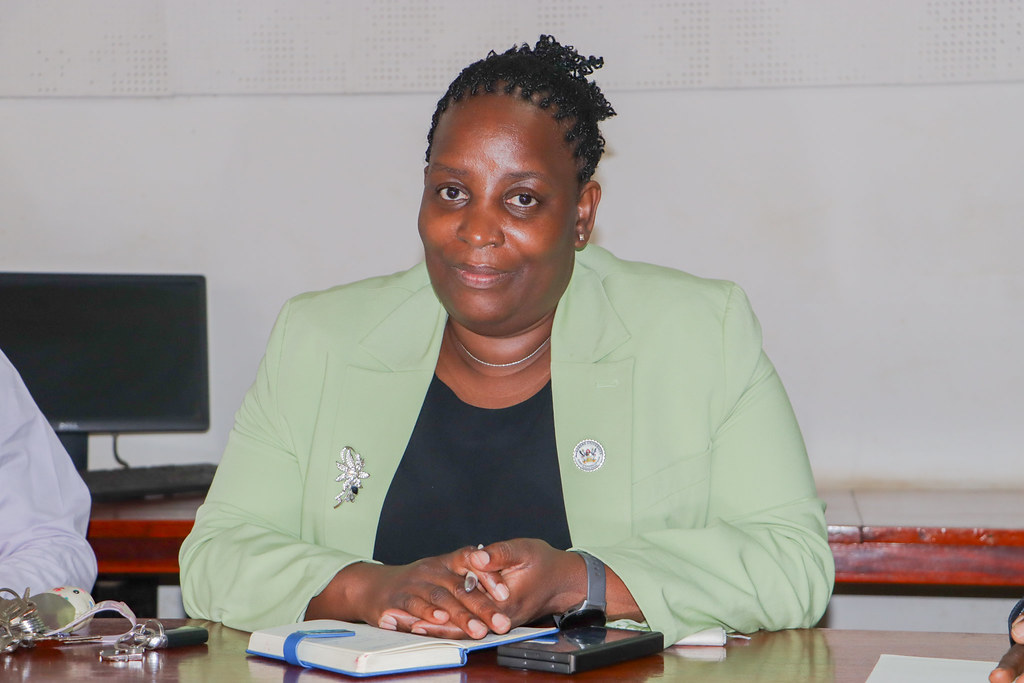
She acknowledged the ongoing institutional transition toward new college statutes that define clear organizational structures while presenting unique financial dynamics. Emphasizing flexibility amidst staff changes, she urged departments to align their budget suggestions swiftly ahead of upcoming administrative submission deadlines. Furthermore, she commended the initiative of departments in creating practical learning opportunities for students and praised the proactive stance of the college leadership team in steering key engagements with university management.
The Deputy Principal, Prof. Eddy Joshua Walakira, expressed gratitude for the warm welcome and emphasized his commitment to collaborative, research driven leadership. He highlighted his long standing proximity and dedication to the college’s development.
Addressing infrastructure and academic planning, Prof. Walakira pledged to tackle pressing challenges surrounding radio frequency and space, alongside advancing plans for research capacity building, room allocation for future safety, and streamlined timetabling for online and hybrid lectures. He also underscored the importance of enhanced media coverage for university milestones such as graduation ceremonies.
Departmental highlights
Department heads and academic staff voiced several concerns affecting academic delivery and practical student training:
Department of Journalism and Communication
The Head of Department, Dr. Aisha Sembatya Nakiwala, outlined the department’s programs spanning one undergraduate program, two Master’s programs in Strategic Communication, Journalism and Media Studies, and doctoral studies. She highlighted infrastructure limits, noting that capacity constraints force the department to limit first year undergraduate intake to around 100 students despite high applicant demand. “About 70% of training relies on online and tech enabled tools, creating an urgent need for adequate practical equipment like digital video cameras and broadcast gear”, she said.
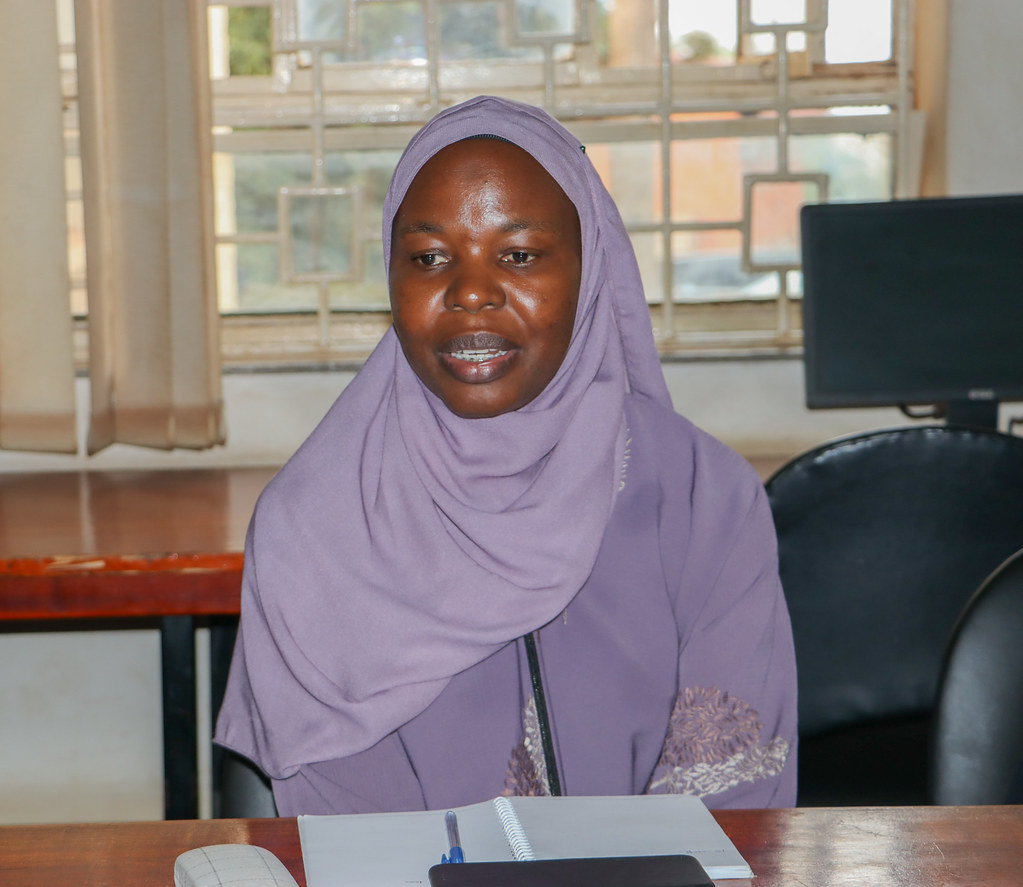
Senior staff and departmental leaders, including Dr. Gerald Walulya and former Head of Department, Assoc. Prof. William Tayeebwa, expressed concern over delays in operationalising the university radio station. They emphasised the need to recognise the station as a critical research, innovation and knowledge dissemination platform to facilitate the release of Research and Innovation Fund (RIF) support, which remains withheld amid perceptions that the station serves primarily an operational function. Senior Lecturer John Baptist Imokola warned that the delays pose an urgent risk of the Uganda Communications Commission (UCC) withdrawing or reallocating the station’s broadcasting frequency if it is not operationalised promptly.
Although space for the radio studio has been allocated in the postgraduate building, staff emphasised the need for formal written approval to secure the facility’s long-term use and safeguard it against potential changes in university leadership. The allocation was reportedly communicated verbally, raising concerns about the sustainability of the arrangement.
Additional proposals from departmental staff, including John Tatyamisa and Dr. Aisha Sembatya Nakiwala, focused on strengthening the department’s media and communication infrastructure. These included establishing a dedicated audio-visual studio to facilitate live university broadcasts, launching a department-managed university newspaper, and improving campus network connectivity to ensure reliable access to departmental websites and prevent service disruptions caused by unstable internet infrastructure.
Department of African Languages
The principal appreciated the department’s inclusion of students in research projects and specifically encouraged PhD students to apply for emerging research and grant opportunities. She commended the staff efforts in driving research publications despite challenges arising from understaffing.
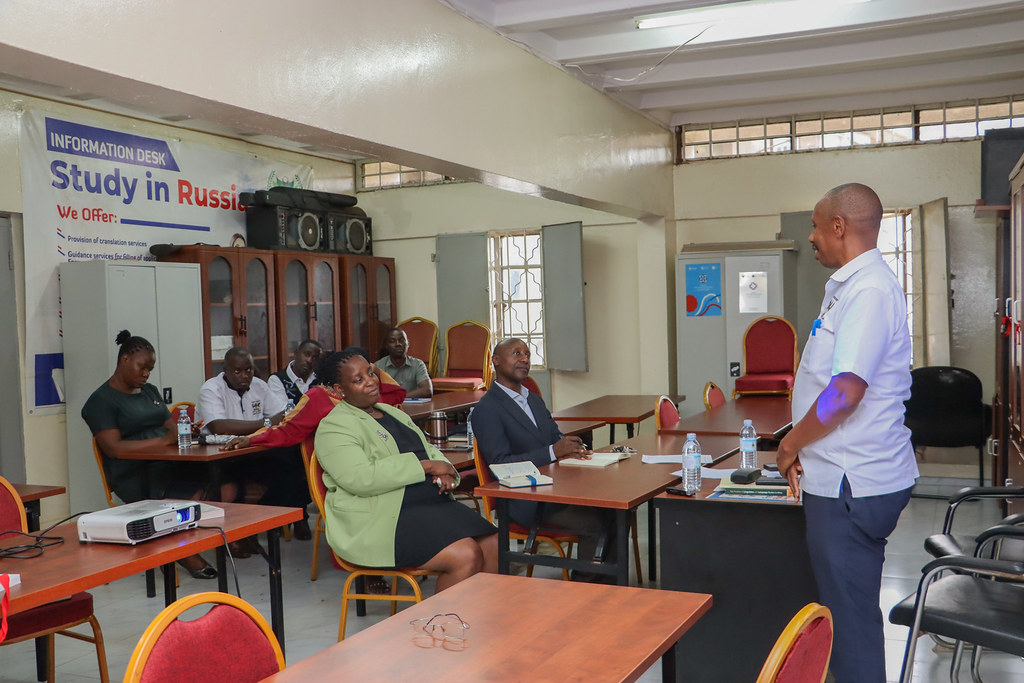
Concerns were raised regarding research grants distribution, with staff observing that grant-based research funding is disproportionately awarded to Associate Professors thereby leaving out junior and mid-level academic staff.
Staff called for comprehensive curriculum reviews and equitable resource allocation to reflect the academic demands and workload across departments. The Department of African Languages highlighted the need to institutionalise its programmes and address funding disparities, noting that despite managing a large number of courses, it does not receive commensurate financial support compared with colleges offering fewer courses.
Department of Linguistics, English Language and communications.
The Head of Department, Dr. Levis Mugumya, highlighted ongoing efforts to develop short courses in communication skills. He noted challenges regarding teaching commitments at the Jinja Campus, where staff are non-permanent and often face changes in their assigned teaching subjects upon arrival.
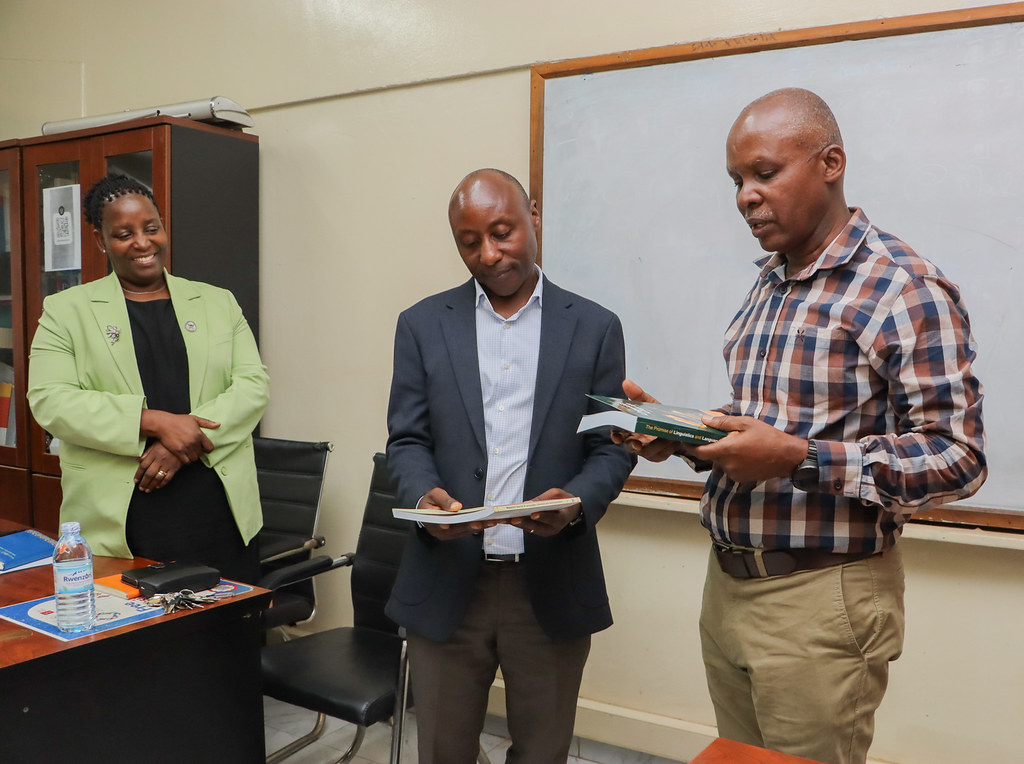
Mugumya raised concerns over managing large student classes amidst constrained learning spaces.
The department requested college-level research funding as well as dedicated financial backing for local and international academic conferences. Additionally, support from the college was sought to strengthen the department’s editorial and publication endeavors.
Dr. Mugumya advocated for opening up departmental subjects to students taking courses in departments that lack their own dedicated subject offerings.
Department of Literature
The Head of Department, Dr. Eve Nabulya, raised concerns about the protection of intellectual property rights, particularly patents and copyrights, in the department’s creative work. She highlighted the department’s contribution to filmmaking and documentary production, citing Tuko Pamoja, a documentary by Dr. Cindy Evelyn Magara, as an example of creative output that requires appropriate recognition and copyright protection.
In response, the Principal said that the current Human Resource Manual places greater emphasis on scientific patents than on copyrights for creative works. She noted that efforts are underway to incorporate academic copyrights into the revised manual.
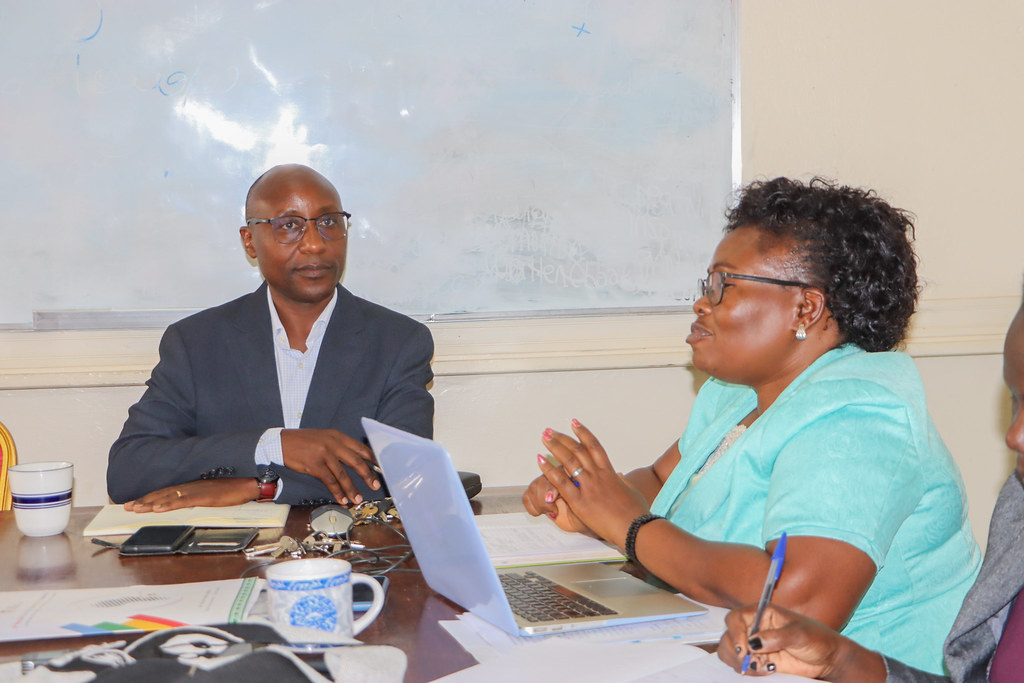
The department’s staff were tasked with developing clear academic guidelines and methodological frameworks to assess and validate creative outputs for consideration in professorial promotions.
Faculty members highlighted the lack of basic infrastructure, such as computers, projectors, cameras, and a dedicated editing lab, which threatens the rollout of upcoming academic programs like the Bachelor of Literature and Cinematic Studies.Principals agreed to explore synergies and space sharing arrangements with sister departments like Journalism and Communication.
The deputy principal reminded staff of the university’s directive to transition all running curricula to comply with competence-based education and training standards ahead of the upcoming deadline.
Strategic recommendations and next steps
The Principal and Deputy Principal reaffirmed their commitment to supporting the school’s growth, strengthening academic programmes and addressing staff concerns, while encouraging departments to take initiative in resolving challenges within their capacity before seeking intervention from the central university administration.
They emphasised the need to align specialised training with the competency-based curriculum to strengthen the school’s role in developing expertise in communication and languages. Staff were encouraged to integrate students into their research projects to provide practical research experience, deepen their understanding of research methodologies and prepare them for conducting independent research as part of their final academic assessments.
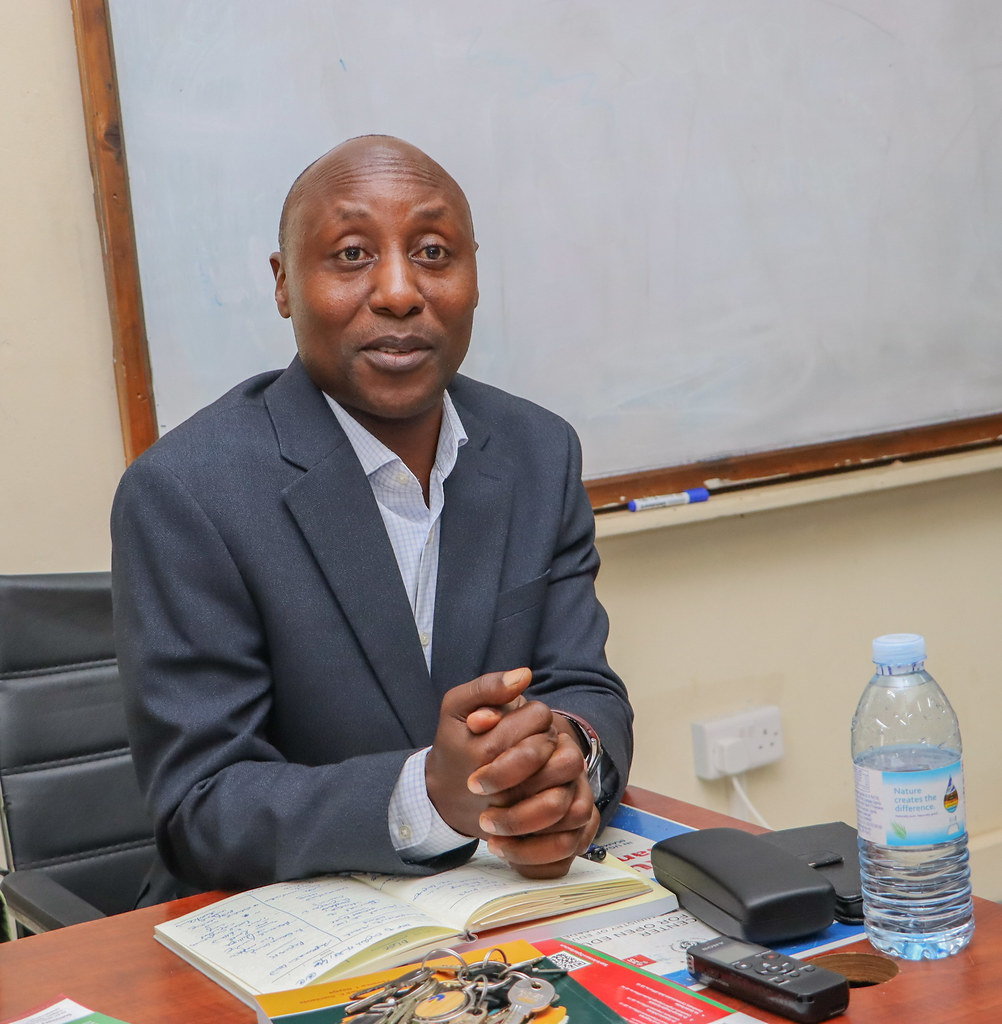
The Principal and Deputy Principal pledged to work closely with departments to promote competency-based teaching and create a conducive working and learning environment. They also called for stronger collaboration among staff and university leadership, urging colleagues to work together constructively towards shared institutional goals.
In appreciation of the Principal’s and Deputy Principal’s engagement and commitment to addressing departmental concerns, staff pledged continued collaboration and collective effort towards advancing academic excellence at Makerere University.
By Onesmus Atuhaire