
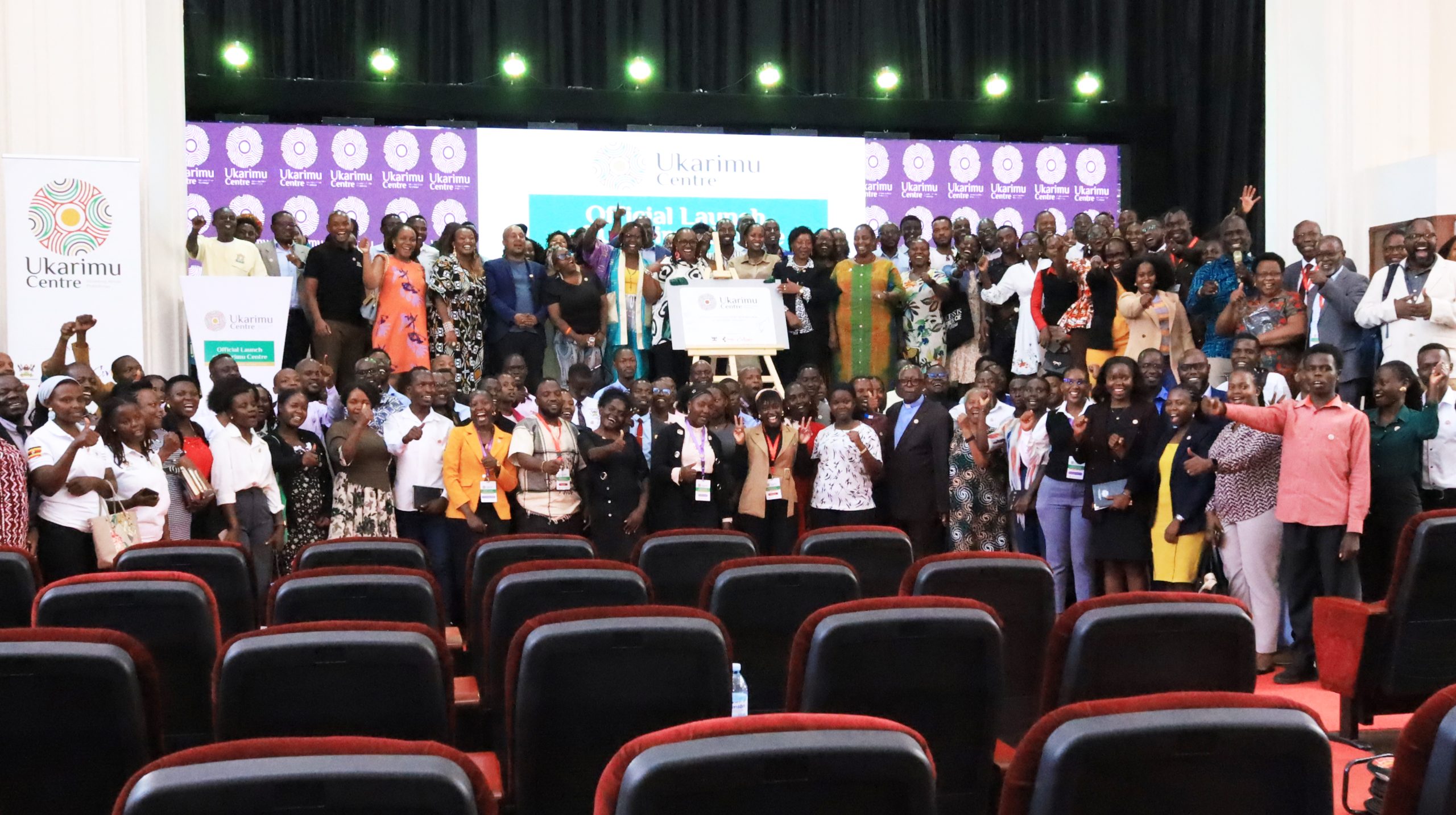
Multidisciplinary centre brings together academia, civil society and philanthropy practitioners to document Africa’s traditions of giving, generate evidence and shape policy and practice
Makerere University has launched the Ukarimu Centre for Advancing African Philanthropy, a multidisciplinary centre established to research, document, teach and advance Africa’s longstanding traditions of generosity, mutual support and collective action.
The centre was officially launched on 8 October 2026 at Makerere University’s Main Hall, bringing together university leaders, academics, researchers, students, civil society organisations, philanthropy practitioners, government representatives and development partners.
The initiative brings together Makerere University’s College of Humanities and Social Sciences (CHUSS), College of Agricultural and Environmental Sciences (CAES), College of Business and Management Sciences (CoBAMS), and CivSource Africa, creating a platform intended to connect academic research with practical experience in African philanthropy.
The launch was presided over by the Deputy Vice Chancellor, Finance and Administration, represented by the CAES Principal, Prof. Gorettie Nabanoga, who said the centre should help Africa reclaim a story that has often been told from outside the continent.

The speakers at the launch described Ukarimu as more than a conventional academic centre. They said it should become a platform for recovering African knowledge and practices of giving, generating evidence, training young researchers and practitioners, influencing policy, and challenging narratives that portray Africa mainly as a recipient of philanthropy.
Prof. Gorettie Nabanoga: Ukarimu must give Africa a voice in global philanthropy
Officially opening the centre on behalf of the University leadership, Prof. Gorettie Nabanoga said the launch represented the beginning of an effort to reclaim Africa’s own history and knowledge of philanthropy.
She conveyed greetings from the Vice Chancellor, Prof. Barnabas Nawangwe, who was unable to attend because of another official engagement, and welcomed researchers, practitioners, philanthropists, government representatives, civil society organisations, development partners and students to Makerere.
Nabanoga said Ukarimu was not simply another academic centre but an initiative designed to change how African philanthropy is understood.
“Today is not simply the launch of another academic center. We are launching an idea.”
She said Africa had practised philanthropy long before the emergence of modern terminology such as foundations, grants, development partnerships, theories of change and log frames.
African communities, she noted, supported one another by raising children, educating those who were not their own, providing food when neighbours were in difficulty, contributing to weddings and funerals, and collectively constructing schools, churches, mosques and other community facilities.
“Africa did not discover philanthropy when the world philanthropy arrived.”
Nabanoga said these traditions were rooted in mutual aid, solidarity, community responsibility and collective action involving families, clans, faith communities, traditional institutions, cooperatives and other community networks.
She observed that when one household experienced misfortune, the wider community often treated it as a collective concern, while an individual’s success was also celebrated as a community achievement.
However, she said much of this giving remained poorly documented and insufficiently researched, leaving it underrepresented in global discussions of philanthropy.
“The establishment of the Ukarimu Center is therefore not about inventing African philanthropy. It is about making visible what has too often remained invisible.”
She said Ukarimu should challenge the narrative in which Africa is positioned only as a recipient while others are portrayed as donors and knowledge producers.
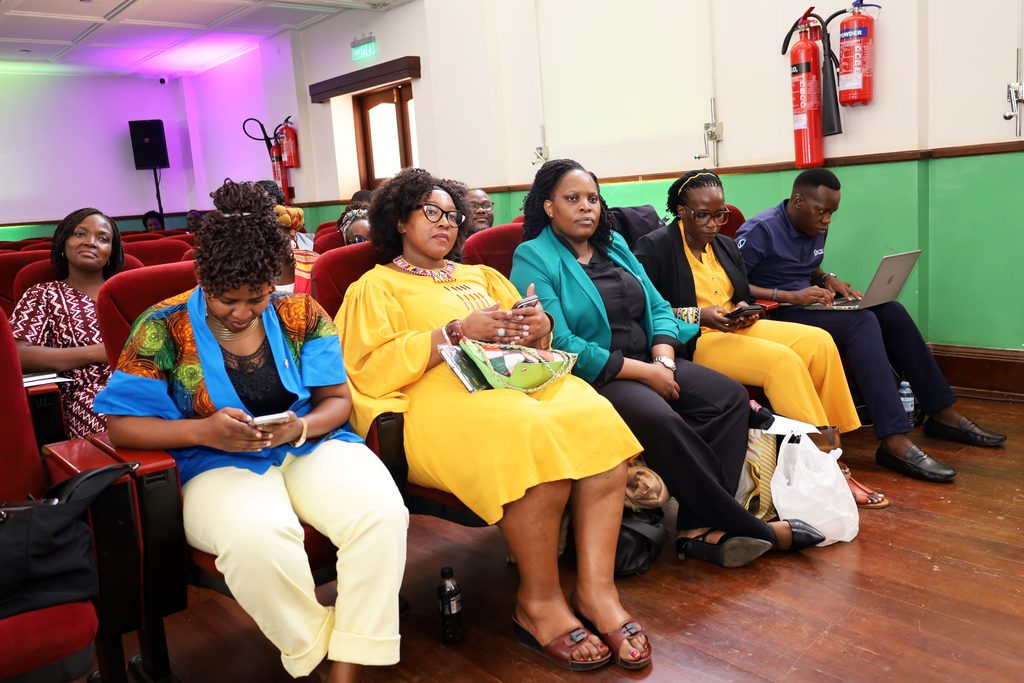
According to Nabanoga, Africa should also be recognised as a giver, innovator and producer of philanthropic knowledge.
She called on the centre to investigate who gives in Africa, what forms giving takes, where philanthropic resources go, who benefits, what makes giving effective and how philanthropy contributes to resilience, peace and social justice.
She also stressed the need to examine how philanthropy can complement rather than replace the responsibilities of governments and other duty bearers.
“Philanthropy should strengthen society, but it should also never become an excuse for governments to retreat from their obligations to citizens.”
Nabanoga said evidence was critical because practices that remain undocumented can easily be undervalued and subsequently excluded from policy and investment.
“What remains invisible is easily undervalued. And what is undervalued is easily excluded from policy.”
She said Makerere was strategically positioned to host Ukarimu because of its longstanding record of knowledge generation, training African leaders, multidisciplinary scholarship and extensive intellectual networks.
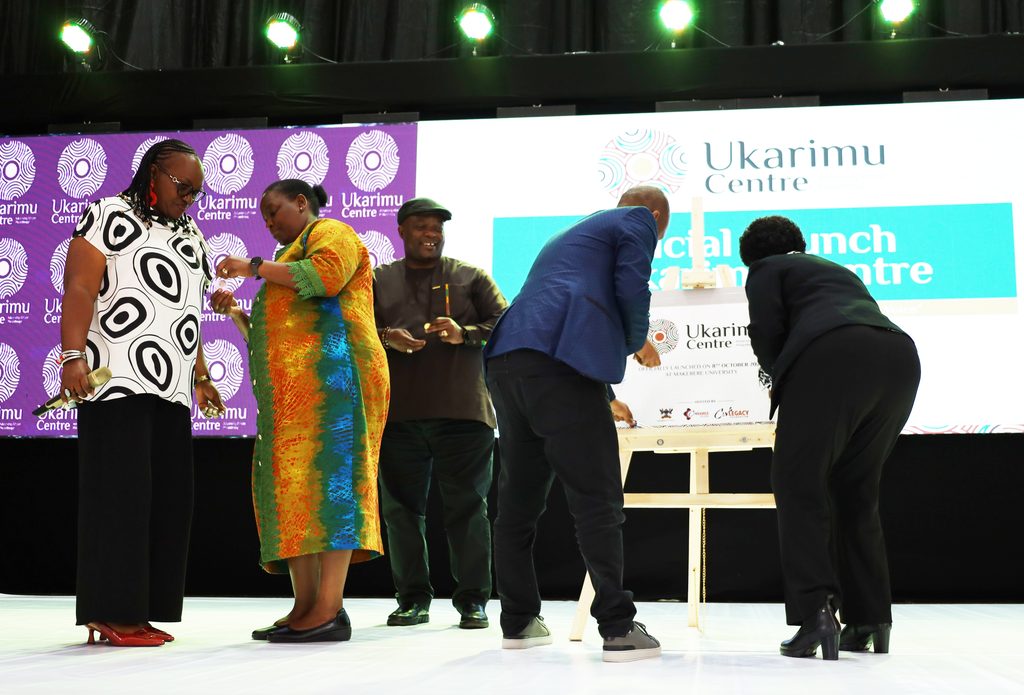
She particularly commended the collaboration between CHUSS, CAES and CoBAMS and called for the interdisciplinary character of the centre to be protected and strengthened.
Nabanoga said philanthropy was simultaneously an economic, cultural, financial, developmental and social justice issue.
“It’s about economics, but it’s also about culture. It’s about finance, but it’s also about values. It’s about development, but it’s also about power.”
Nabanoga challenges Ukarimu to invest in young scholars
Nabanoga placed young people at the centre of the centre’s future, cautioning against creating a platform where academics research young Africans without involving them directly.
She called for fellowships, internships, mentorship programmes, short courses and support for master’s and doctoral research.
She said young researchers should be enabled to examine indigenous giving, diaspora philanthropy, digital giving and new technologies, faith-based philanthropy, community philanthropy, corporate giving, women’s philanthropy, youth philanthropy and crisis response.
“Let Ukarimu create a generation of African scholars who do not simply consume theories about Africa but generate theories from African realities.”
She proposed five roles for the centre: a mirror reflecting Africa’s traditions of giving; a microscope examining those traditions rigorously without romanticising them; a classroom preparing future philanthropists and practitioners; a bridge connecting scholarship with communities, practitioners and policymakers; and a megaphone amplifying African evidence, ideas and voices globally.
She said the ultimate goal should be for Ukarimu to grow beyond Makerere into a continental hub for scholarship, practice, innovation and engagement around African philanthropy.
“Our ambition should be greater than establishing another successful center at Makerere University. We should build a center that Africa needs and one that would not and cannot be ignored.”
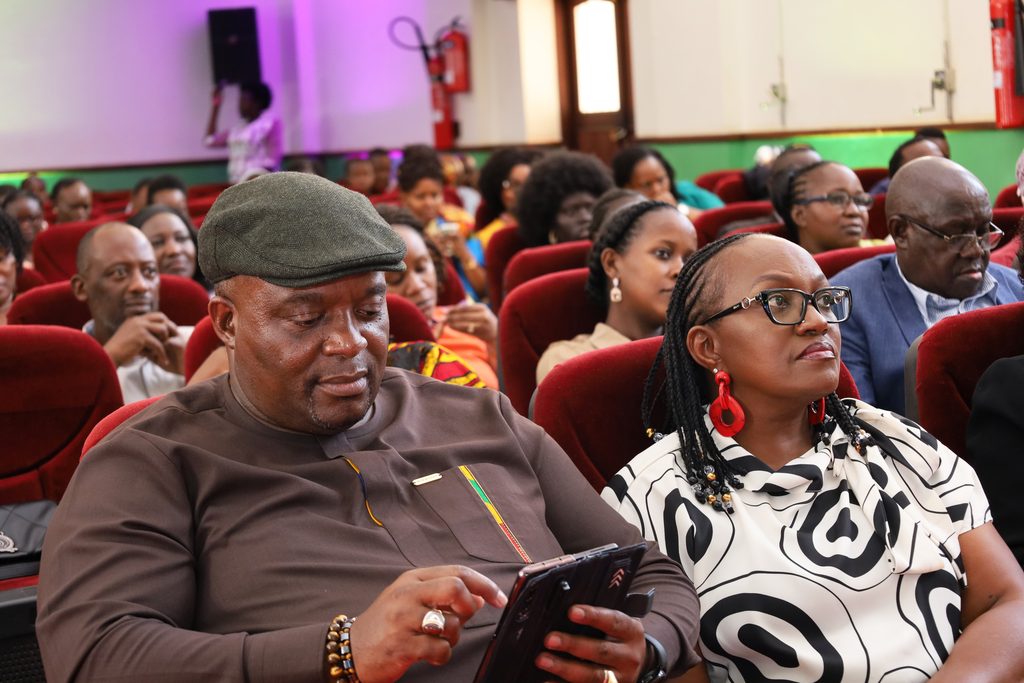
Nabanoga further called for sustained collaboration between universities and practitioners, noting that researchers generate evidence while practitioners test whether that evidence works in communities.
She concluded by urging Ukarimu to document, interrogate and strengthen African philanthropy while enabling Africa to tell its own story.
“Africa is not simply a continent in need of generosity. It is a continent with a deep history of generosity.”
Assoc.Prof. Helen Nkabala: Centre will expand research and tell Africa’s giving story
The Principal of CHUSS and Director of the Rotary Peace Centre, Assoc.Prof. Helen Nkabala, described the launch as an important moment for Africa because it creates an opportunity to tell stories of giving that have long existed but have not received adequate recognition.
She said African communities have always engaged in forms of generosity but often lacked platforms through which those practices could be documented and shared.
“For such a long time, as Africans, there are things that we do and no one tells the story.”
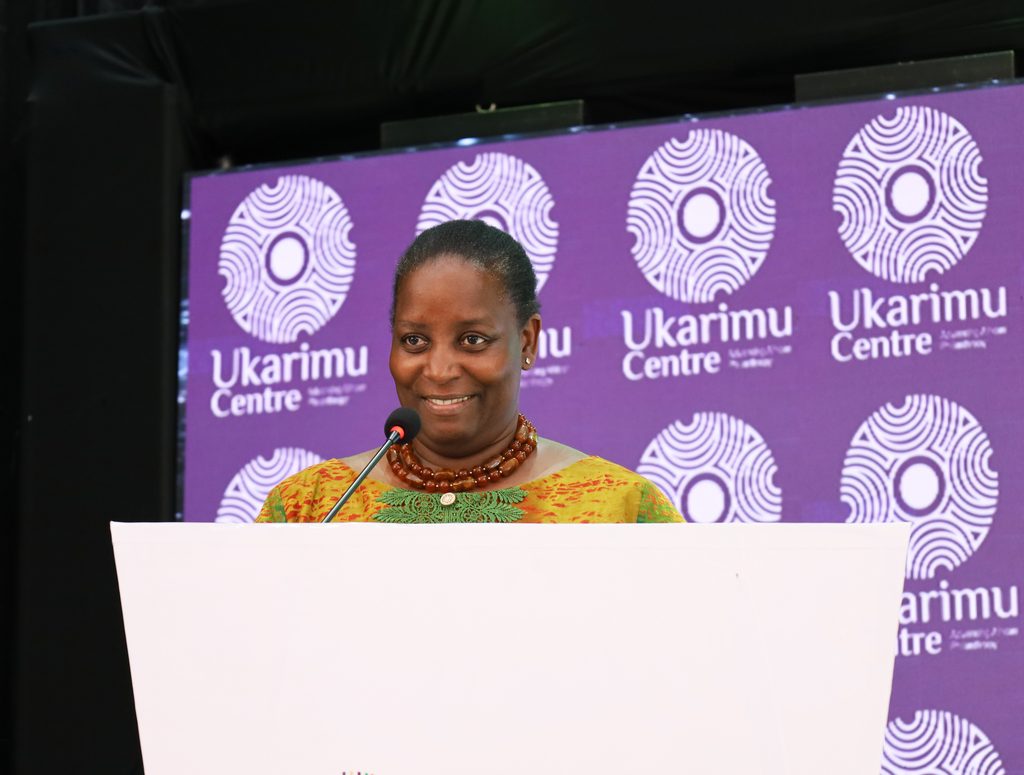
Nkabala thanked Makerere University management for supporting the initiative and commended the team that worked towards the memorandum of understanding between the University and its partners.
She said the initiative had initially appeared to be a simple idea but became a serious undertaking after the partners recognised its potential.
“When two minds meet and agree on something and believe in it, a lot happens.”
She thanked Makerere staff and students for attending the launch and said the presence of University leaders demonstrated the importance the institution attached to Ukarimu.
Nkabala said the centre would create opportunities to expand research and training around African giving.
“The centre will give us an opportunity to expand our research around giving in Africa. It will give us an opportunity to train each other.”
She acknowledged that giving is already a natural practice in African societies, but argued that Ukarimu would help turn these everyday practices into a subject of systematic study and public discourse.
Nkabala noted that Africans often call the practice simply “giving” rather than philanthropy, but said the centre would help explain and document the significance of those practices.
She said the centre could ultimately influence how institutions such as the World Bank understand and measure wealth and generosity by providing evidence of African contributions that are often absent from conventional measurements.
“We want to tell the world that Africans give and want to encourage you, our dear brothers and sisters, that giving is something that we are nurtured to do.”
Nkabala also recognised the contribution of Porticus, which provided startup financial support for the initiative.
She assured partners that Makerere University, CHUSS and the Rotary Peace Centre would work with stakeholders to document and disseminate evidence of African philanthropy.
“We shall work very closely with each and every one of you who comes to us to ensure that this story is told, to ensure that the research is put out there for the world to know what Africans can do as far as philanthropy is concerned.”
Jacqueline Asiimwe: Ukarimu must help Africans “unbelieve” the narrative that they are not givers
The Chief Executive Officer of CivSource Africa, Jacqueline Asiimwe, said the journey towards establishing Ukarimu was driven by two ideas: memory and curiosity.
She connected the centre’s mission to personal experiences of African family life, recalling the role her maternal grandmother, Justina Turrahi, played in raising and caring for her while her parents were working.
For Asiimwe, those experiences represented the everyday generosity that is central to African social life.
“I cannot think about Ukarimu without thinking about my grandmother.”
She said CivSource Africa’s interest in philanthropy emerged from a simple question: why were African ways of giving not being heard or discussed more widely when generosity is embedded in everyday African life?
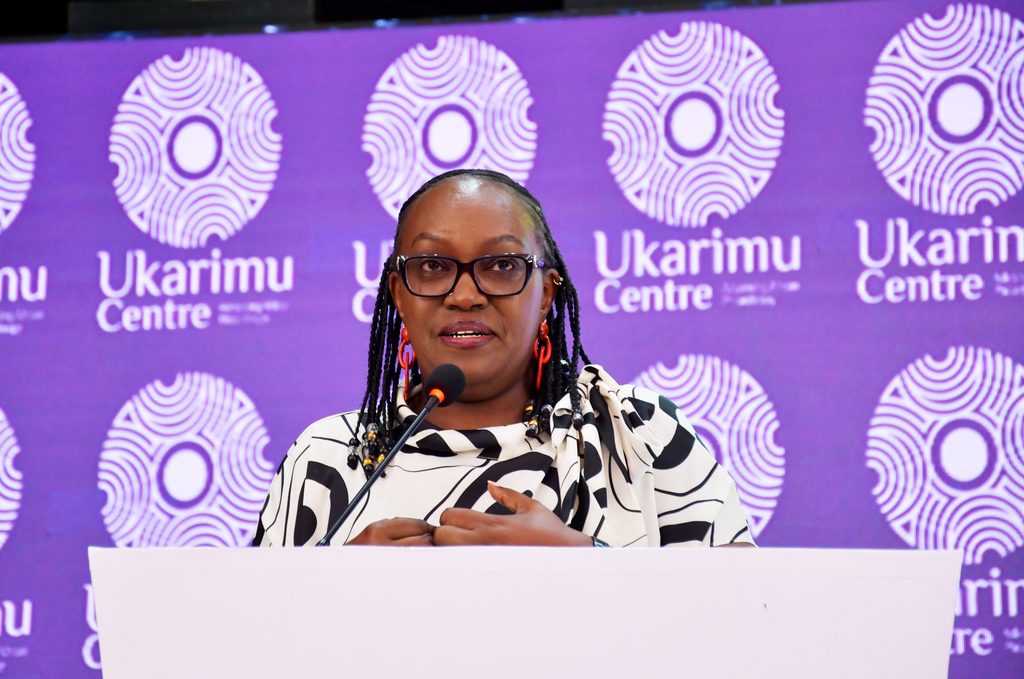
“You cannot be an African if you have not received or given. It is cyclical, it is who we are.”
Asiimwe said CivSource Africa had conducted street-level inquiries in Kampala asking people whether Africans give, how they give, where they give and who receives their support.
The organisation found a range of stories but also encountered people who questioned whether African practices qualified as philanthropy.
She said this reflected a deeper problem in which Africans had internalised an externally created narrative that Africans are not generous.
“Somewhere along the way, we fell for the lie that we are not given, that we are not generous, that what we do doesn’t qualify to be called philanthropy.”
She said Ukarimu’s mission was therefore partly about rejecting that narrative and encouraging Africans to recognise and build on their existing traditions of generosity.
“Our journey even to Ukarimu is to say, let’s unbelieve that lie.”
Asiimwe explained that CivSource Africa initially undertook research with limited resources before recognising that greater impact would require collaboration with an academic institution.
She traced the partnership with Makerere to conversations with researchers working on African philanthropy, including Dr Moses, and subsequent encounters at an African philanthropy conference in Egypt.
The partners eventually began meeting at Makerere’s Rotary Peace Centre, where the concept developed into the initiative launched at the ceremony.
Asiimwe said the centre should continue to combine memory with curiosity: remembering traditions that may have been forgotten while asking how those traditions can contribute to Africa’s future.
“May we remember, but may we also be eternally curious.”
She said Ukarimu had already begun work on a research agenda through a research agenda-setting workshop and was developing a website to share its work and engage the public.
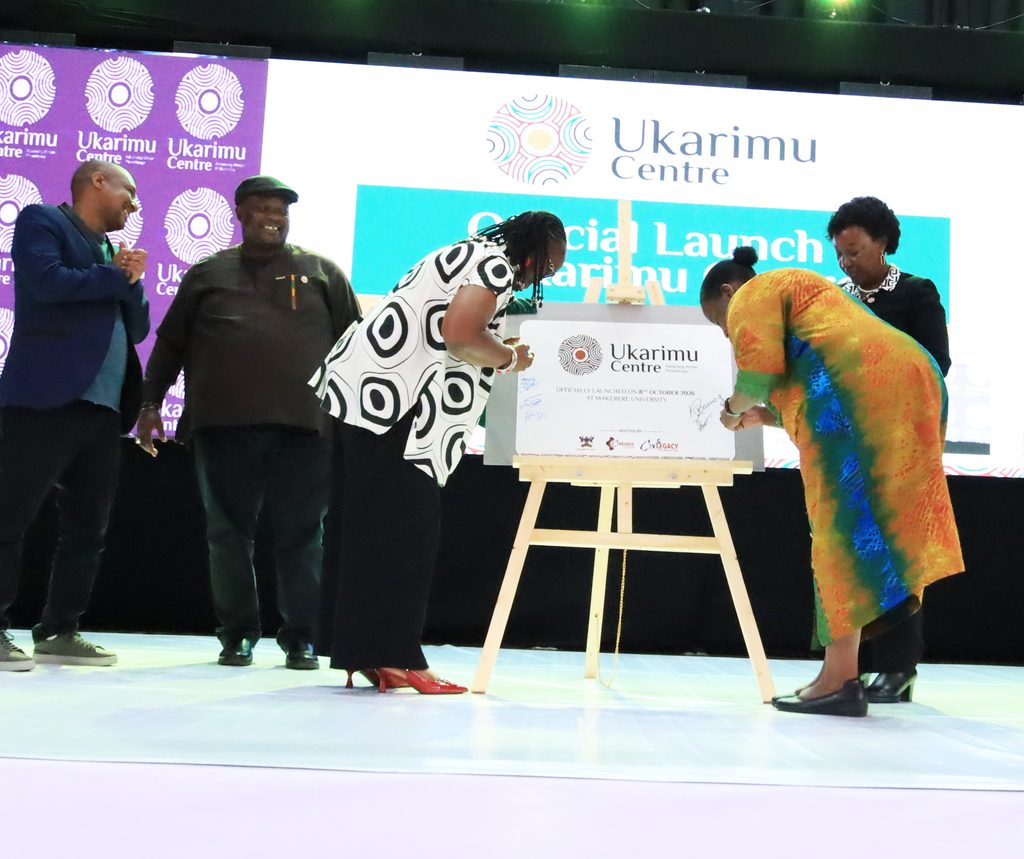
She also thanked partners who travelled from across the region to support the launch.
Asiimwe said Ukarimu should ultimately belong to everyone because all Africans participate in giving in one form or another.
“Really Ukarimu is all of us, because all of us are givers.”
Brian Kagoro: African philanthropy is a pathway to self-liberation
Pan-African human rights advocate Brian Kagoro gave the centre a broader political and historical dimension, describing Ukarimu as an opportunity for Africans to reclaim their identity, agency and collective capacity.
He contrasted earlier generations of African liberation, which confronted physical oppression, with a new struggle against forms of psychological and cultural oppression that have caused Africans to doubt their own capabilities.
“Ukarimu is about retracing our journey back to self, and for that reason, it is an exercise in self-liberation, but also an exercise in collective liberation.”
Kagoro argued that colonialism contributed to narratives of African inadequacy by creating the perception that Africans had little to contribute in terms of resources, knowledge or ideas.
He challenged the portrayal of Africa as a perpetual recipient of aid despite the continent’s contribution of natural resources to global economic development.
“The African is a taker, a recipient. The African is a donee, a grantee, but the African, the same African who donated diamonds, gold, lithium, titanium to the development of Europe somehow is a beggar.”
He used the Congolese proverb that “a single bracelet does not jingle” to illustrate the importance of collective action.
Kagoro cited African traditions and mechanisms including Harambee, Susu, Zakat and other forms of community financing as evidence that collective giving has long existed on the continent.
He argued that these systems had been overlooked because they did not resemble formal Western philanthropic institutions.
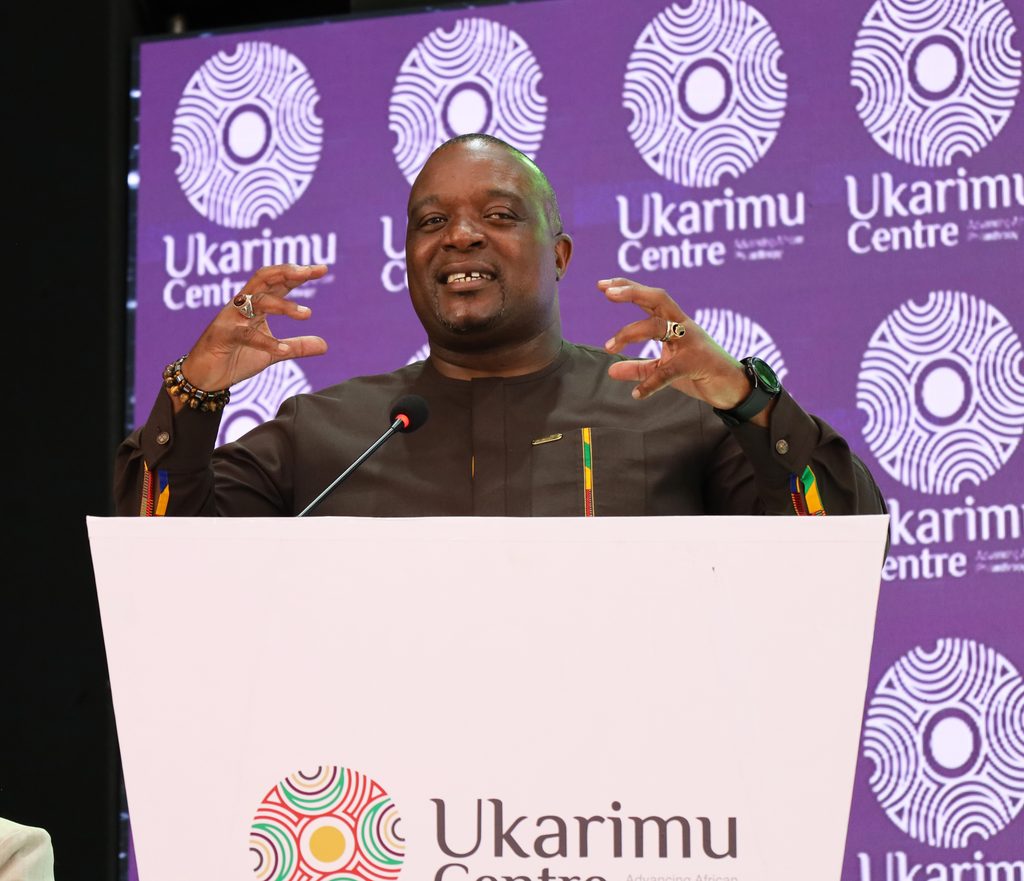
“Our individuals were the institutions, and those institutions raised us.”
He gave examples of Harambee contributions that helped build schools in Kenya, community contributions towards the reconstruction of the Kasubi Tombs and other forms of collective savings such as South Africa’s Stokvels.
Kagoro said Africans should move from merely practising these traditions to studying and systematising them.
“You are already practising the philosophy of giving, but have you studied it? Have you systematised it?”
Kagoro proposes Uganda Giving Index
Kagoro proposed that Ukarimu help develop a Uganda Giving Index to capture the scale and nature of African giving.
He suggested documenting tithes, offertories, zakat, remittances and savings schemes such as esusus to make the volume of African generosity visible in data.
“You need the data to persuade yourself that you are naming what you have been doing.”
He also called for a legal environment that recognises the realities of African collective action rather than relying entirely on imported classifications of organisations as private, public or non-profit.
Kagoro further proposed a digital infrastructure for giving and called on mobile phone companies to work with Ukarimu to facilitate small contributions.
He suggested a one-percent contribution principle involving wealth, taxes and earnings by mobile companies and other institutions as one possible mechanism for mobilising resources for transformation.
He also challenged Africans to reconsider how resources are mobilised around funerals and weddings and explore how some of that generosity could be redirected towards long-term institutional development.
Kagoro raised concerns about the cost of remittances, arguing that high transaction costs reduce the resources Africans abroad can contribute to development at home.
He called for research and negotiations aimed at reducing such costs.
Kagoro challenges the University to imagine an African future
Kagoro said the role of universities should extend beyond producing reports and academic papers to imagining and helping create the future African societies deserve.
“The role of the university is to paint in a foresighted manner.”
He argued that African cultures are built around solidarity, mutuality and reciprocity, meaning that even people with limited financial resources can contribute through time, labour and other forms of support.
He challenged Africans to move away from dependence on foreign knowledge and resources and to recognise their own capacity to generate solutions.
“Uqarimu is our liberation from the lies of European individualism that has created us into self-hating, other hating Africans.”
He concluded by calling for an Africa where wealth is used to build collective prosperity rather than simply displayed as individual success.
Dawit Taddele Dessie: Ukarimu must ensure research informs policy and practice
The CEO and Head of Strategic Initiatives and Sustainability at the East Africa Philanthropy Network (EAPN), Dawit Taddele Dessie, said the launch came at an important time for strengthening Africa-led philanthropy.
He noted that the week had already seen the launch of the inaugural Community Foundation Alliance for the continent, making the Ukarimu launch another important milestone for African philanthropy.
Dessie said generosity was deeply embedded in African societies and that evidence increasingly pointed to Africa as one of the world’s most generous regions.
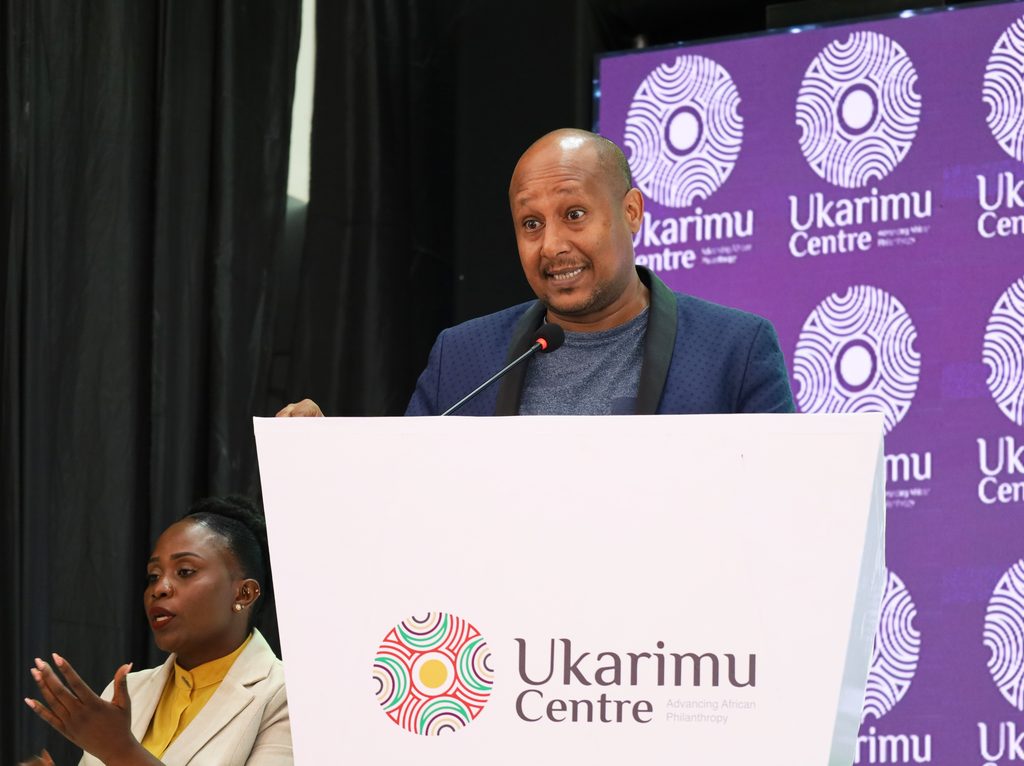
“The word as it translates in terms of kindness, giving, is one that’s embedded in our DNA.”
However, he said Africa-led philanthropy faced obstacles related to institutional infrastructure, relationships, data and trust.
For him, knowledge was an essential component of that infrastructure because institutions cannot build effective systems if they do not understand how communities give and what they value.
“Knowledge is part of this vital infrastructure.”
Dessie said the absence of knowledge meant that institutions could end up repeating the same mistakes and that laws, policies and programmes could be designed around assumptions rather than evidence.
He therefore welcomed Ukarimu’s focus on researching Afrocentric philanthropy and developing a deeper understanding of how the African philanthropic ecosystem operates.
“This centre helps us to build that layer.”
He said locating the centre within Makerere University would give African philanthropy research a strong institutional foundation and allow it to connect historical knowledge with contemporary practice.
However, Dessie issued a caution: researchers should not formalise African community giving in ways that destroy the trust and relationships that make those systems effective.
“When we study everyday giving, we must be careful, we must be diligent that we’re not trying to understand community generosity where we’re trying to formalise and so much so we’re trying to remove the very trust that makes our unique Afrocentric giving work.”
He warned that forcing African philanthropy into Eurocentric frameworks would undermine rather than strengthen it.
Dessie said EAPN, which has spent more than two decades convening philanthropic organisations across East Africa, was ready to support Ukarimu.
He offered the network’s forums, communities of practice, working groups and membership as resources through which the centre could test ideas, share findings and connect research with practitioners.
EAPN calls for research to move beyond academic journals
Dessie challenged Ukarimu to ensure that its research does not remain within academic publications but reaches the people and institutions capable of acting on it.
“What we learn here will not stay in journal.”
He urged the centre to ensure that research flows into practice, policy and decisions made by communities and funders.
“That paper has to be disseminated and practised.”
Dessie congratulated CivSource Africa and Makerere University for bringing the initiative to fruition and encouraged stakeholders to use the centre to share African practices, voices and knowledge.
Ukarimu positioned as continental platform for African philanthropy
The launch positioned Ukarimu as a multidisciplinary platform seeking to move African philanthropy from an under-documented social practice into a stronger field of research, teaching, policy engagement and innovation.
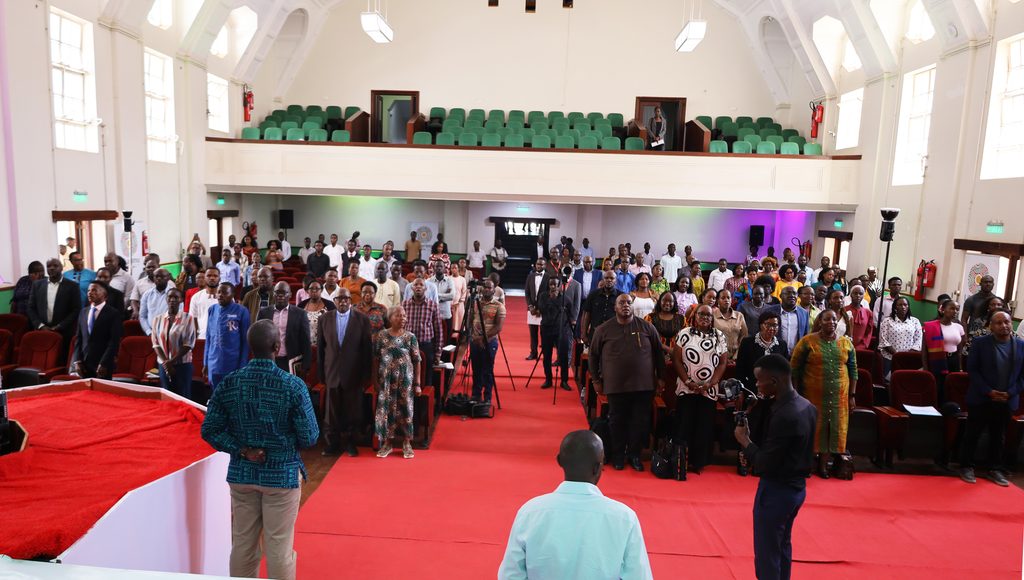
The centre’s proposed areas of inquiry span indigenous and community philanthropy, diaspora giving, faith-based philanthropy, corporate giving, women’s and youth philanthropy, digital giving, crisis response and cross-border African giving.
The speakers also emphasised the importance of involving young people through fellowships, internships, mentorship, short courses and postgraduate research.
For Makerere University, the centre brings together the University’s academic strengths with the practical experience of civil society and philanthropy networks.
For CivSource Africa and its partners, it offers an institutional platform for researching questions that have often remained outside mainstream philanthropy discourse.
For practitioners such as EAPN, it creates an opportunity to connect evidence with policy and practice.
The launch therefore marked both an institutional partnership and a broader call for Africa to document and recognise its own traditions of generosity.
As Nabanoga put it, the centre’s task should not stop at counting what Africans give, but should examine why they give, how they give, what makes their giving effective and how it can contribute more powerfully to Africa’s development.
The ultimate challenge emerging from the launch was to ensure that African philanthropy is not merely studied through external frameworks, but that African evidence, experiences and ideas contribute to reshaping the global understanding of philanthropy.
“Let it help reshape that conversation,” Nabanoga said, as she challenged Ukarimu to build a centre where “African generosity is no longer spoken about only through voices and frameworks of others.”