
A full day of departmental dialogue put staff ideas at the heart of the College’s new strategic plan
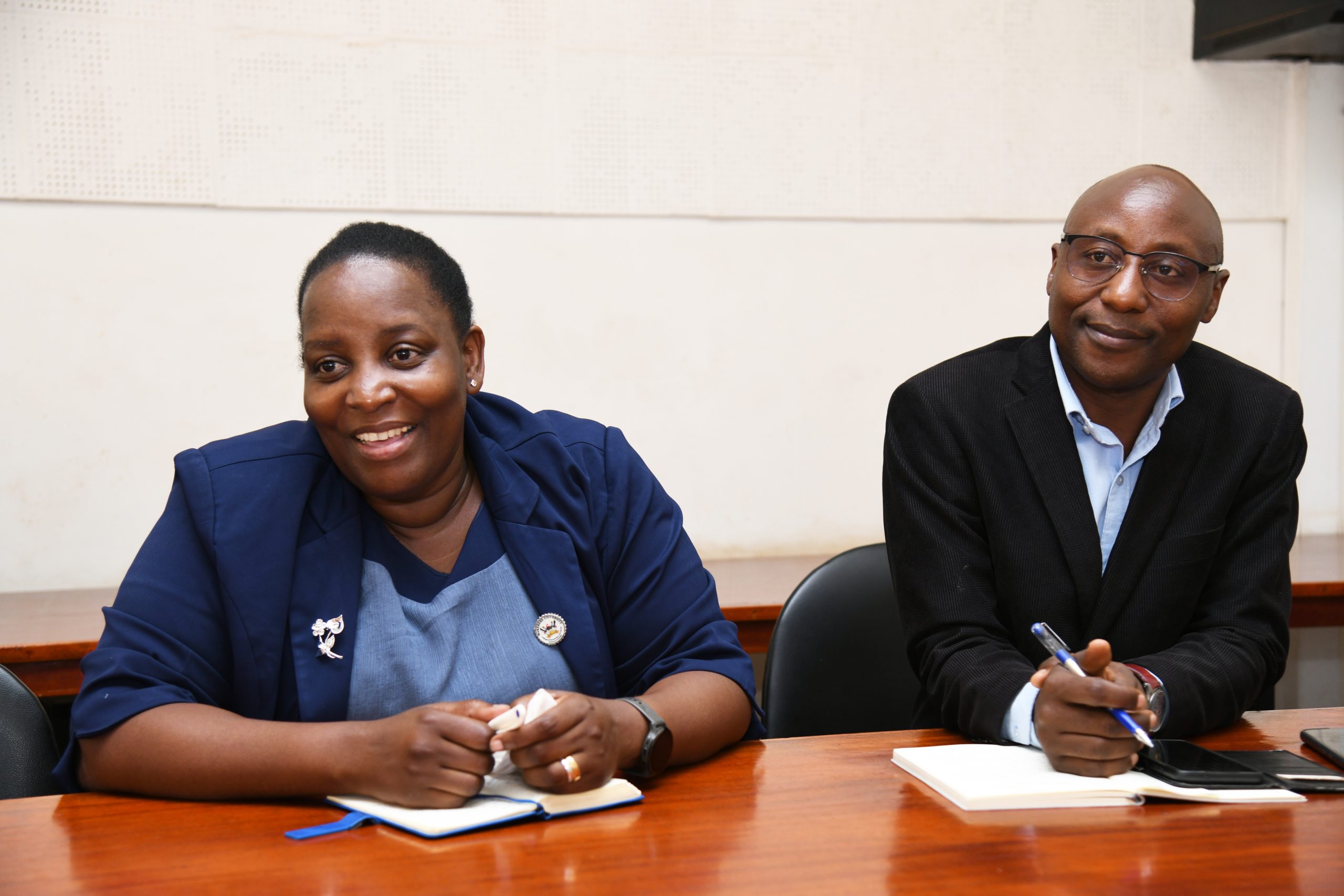
The Principal of the College of Humanities and Social Sciences (CHUSS), Associate Prof. Helen Nambalirwa Nkabala, and the Deputy Principal, Prof. Eddy Joshua Walakira, held a day – long series of meetings on 13th October 2026 with four departments of the Sch ool of Liberal and Performing Arts: Performing Arts and Film, Religion and Peace Studies, Philosophy, and History, Archaeology and Heritage Studies. Running from 9:00 a.m. to 5:00 p.m., the tour gave staff a platform to showcase their achievements and say what they need to thrive. The feedback will directly shape the College’s strategic plan.
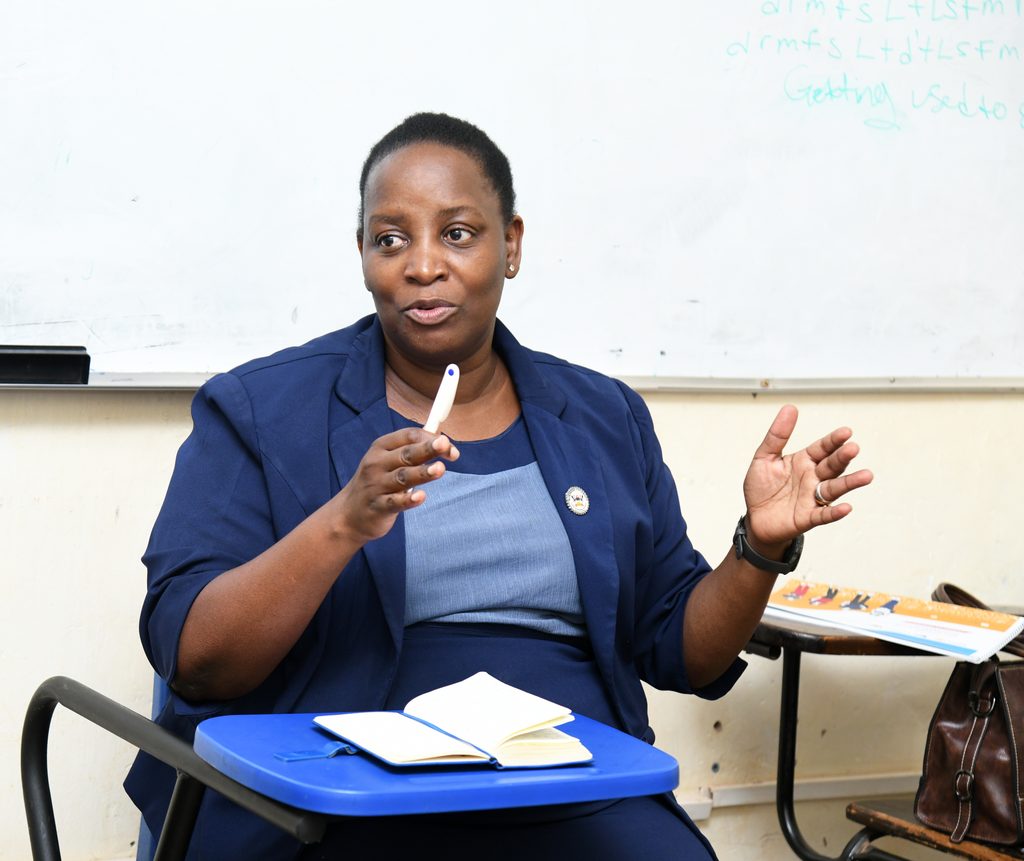
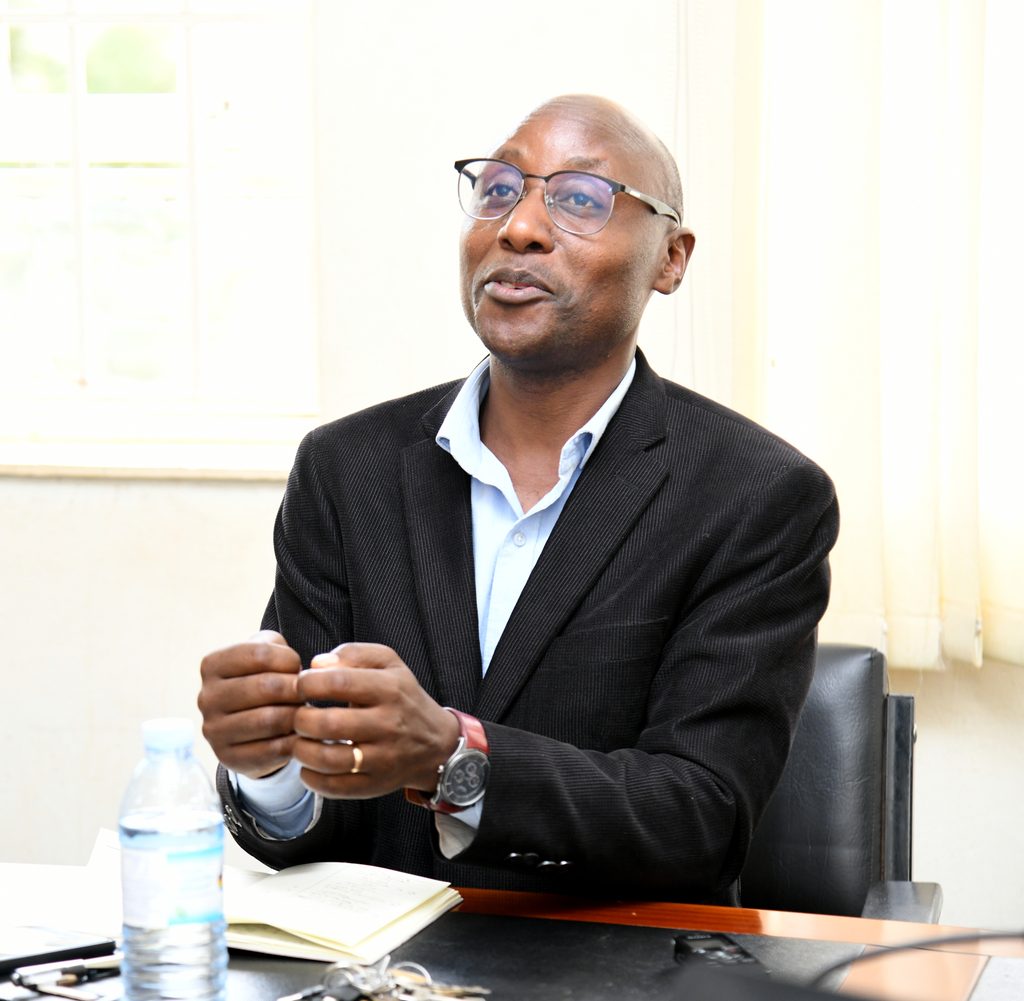
It also fulfilled the promise Prof. Walakira made on taking office to visit departments across the School and hear from staff first-hand. Walakira took over office as Deputy Principal on 14th September 2026, following the handover from Associate Prof. Eric Awich Ochen.
Leaders come to listen
“We are here simply to listen to you,” the Principal told staff as she opened the first session, explaining that the leadership wanted to hear which ideas staff believe can make a difference in their departments and across the College.
In every meeting, staff were asked two questions: what is your department proud of as its niche, and what can the College do, in research, funding and teaching, to help you turn out the best graduates? The Principal assured them the answers would be used to finalise the strategic plan, which she said should not be completed without hearing from the units. The leadership, she added, wants to be bold but realistic, clear about what the College can deliver within its means and what needs support from elsewhere. Most of the College’s resources, she noted, have been pushed down to schools and departments.
The Principal formally introduced Prof. Walakira, who completed 30 days in office on 14th October, and paid tribute to Associate Prof. Awich Ochen. She noted that the new Deputy Principal stepped in as both Deputy Principal and Acting Principal in his first days, and said he handled both roles with distinction. Prof. Walakira told staff he felt at home among them,
having worked with the School’s departments on promotion committees, and urged departments to make their work more visible, including on the College website.
What came out of the day
• Facilities and space: leadership is pushing for a sound-proofed performing arts facility, a dance floor and interim teaching space, and has included the School’s needs in a College project proposal.
• Staffing: the College has taken its case for new posts to the human resources office, and concerns about establishment and retention were noted.
• Teaching and timetabling: timetable coordinators will rebuild the timetable around current student numbers, and Competence Based Curriculum (CBC) training funds have gone to schools ahead of the 15 December deadline.
• Visibility: each department will get a slide deck and a stronger presence on the College website, supported by the PRO office, plus an information corner for scholarships and short jobs.
• New ideas: the Deputy Principal invited Religion and Peace Studies to brainstorm a peace-building programme for schools.
Performing Arts and Film
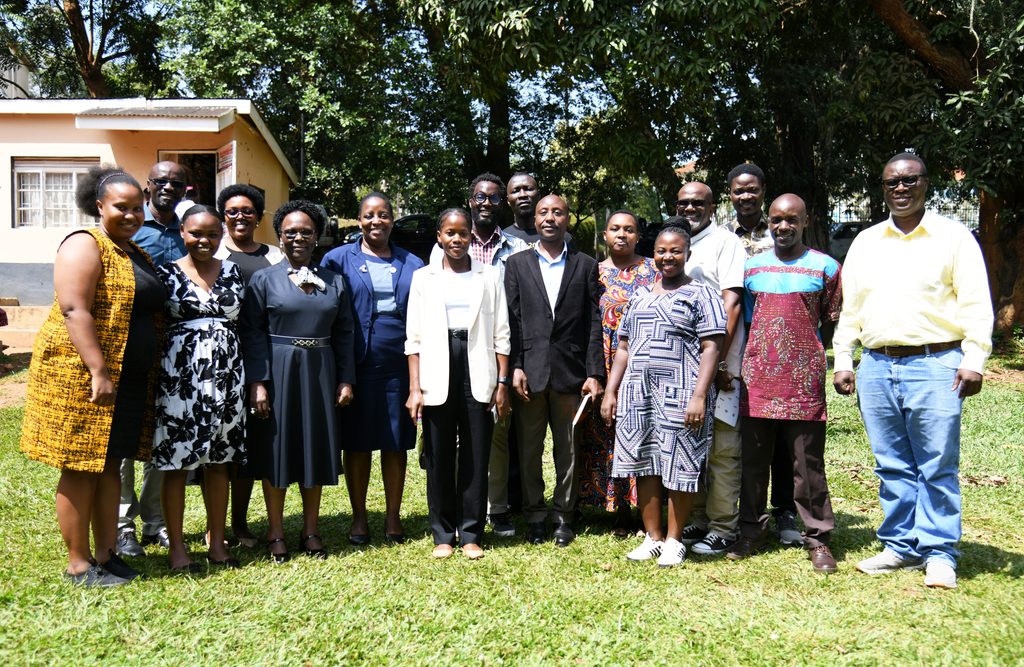
In the meeting chaired by Acting Head of Department Dr. Alfadaniels Mabingo, the Principal said she continues to champion the department’s need for specialised facilities, including a sound-proofed building where students can practise music, dance and drama at full volume and prepare for big public performances. She said the idea is gaining traction with University management, and congratulated staff on their research output.
Staff paid warm tribute to the leadership. Prof. Sylvia Antonia Nakimera Nannyonga -Tamusuza, who chaired the department for eight years until the beginning of the year, thanked the Principal for the drums and equipment the College provided and for support with staffing and promotions. Dr. Nicholas Ssempijja called the Principal “one of our greatest advocates” for recognising the
unit as an academic department and changing stereotypes around it. Prof. Nannyonga -Tamusuza added that the Bachelor of Arts in Music, which staff helped review, is already aligned with the competence-based curriculum, making the department a model of competence-based education.
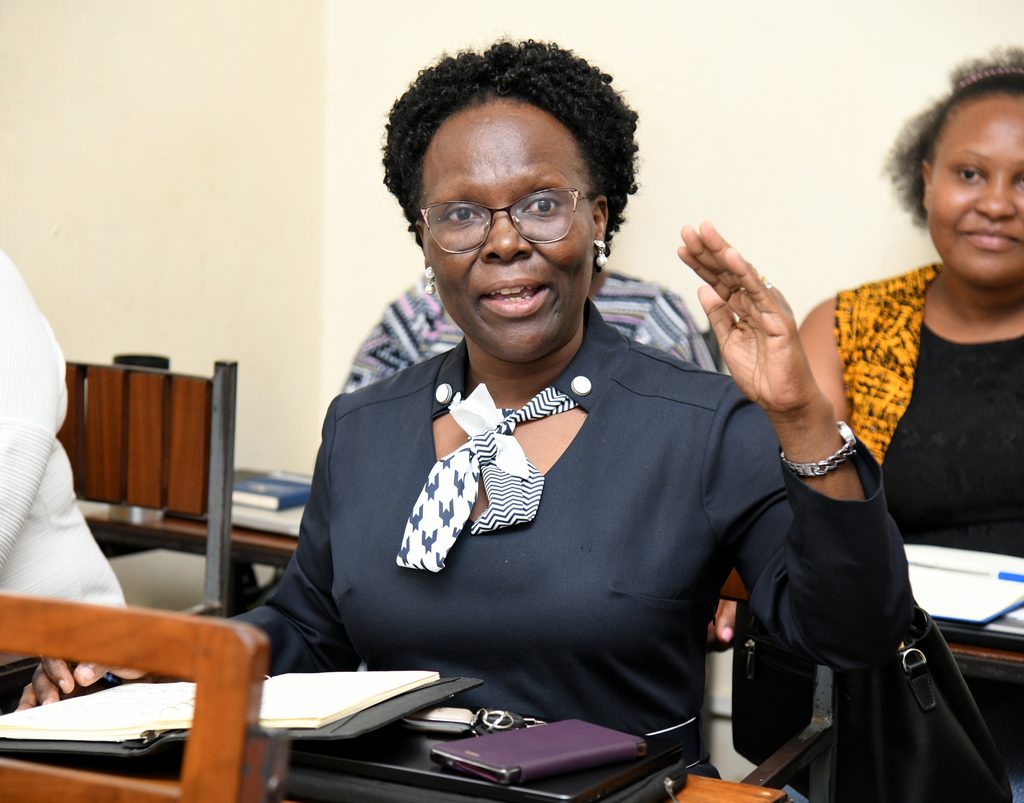
Staff’s priorities were more space and equipment as student numbers rise; support for community practice and for awareness of the department’s programmes in the Greater Northern region; posts for demonstrators and accompanists, and the return of teaching assistant posts to build the next generation of staff; better timetable coordination; and progress on the long-awaited Bachelor of Arts in Film.
Leadership shared updates. After a College retreat and a meeting with the University’s Chief Human Resources Officer, a request has been submitted for posts including pianists, dance
demonstrators and instrumentalists. The leadership’s three critical asks to management are a dance floor, demonstrator posts and a sound-proof room, and the Principal offered the College’s backing in lobbying for the department’s programmes. Dr. Pamela Mbabazi closed with a vote of thanks: “With your support as our leaders, we know that we are going to go to greater heights.”
Religion and Peace Studies
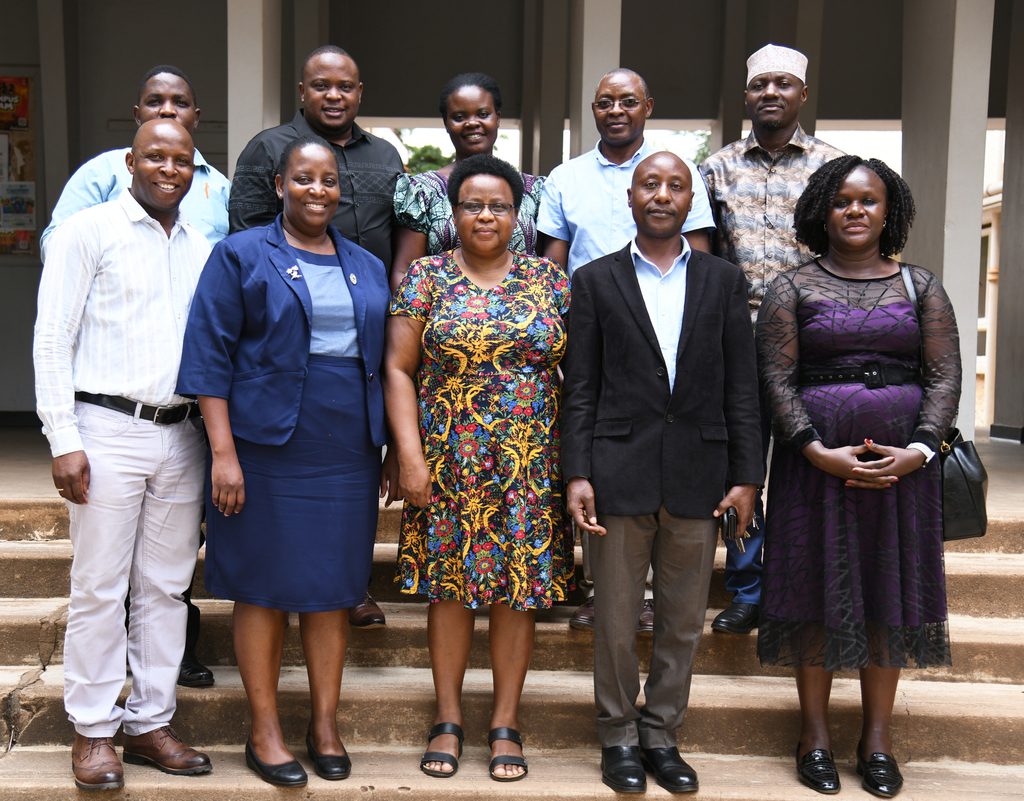
The Principal and Deputy Principal were welcomed by Head of Department Dr. Veneranda Mbabazi and staff. Dr. Christine Mbabazi Mpyangu, a senior lecturer, called the visit “historic” for the department.
Staff described a productive and growing department. Members are preparing a book on interreligious dialogue and peace for publication by the end of the year, and said the College’s research facilitation had given them everything they need. The Head of Department noted that it is among the units graduating the highest numbers of students. “We are actually up there shining,” she said.
Staff then offered ideas to raise the department’s profile and impact:
• A department podcast and regular media presence on morality, family life, and church and state, plus policy papers for policymakers.
• A monthly seminar series, a student mentorship programme, and a journal published twice a year.
• A return to school outreach across the country, and competence-based teaching, such as a coursework exhibition in which students present their own cultures in the African Traditional Religion course.
• Joint projects with other departments, expansion across East Africa, and direct admission of undergraduates to the department.
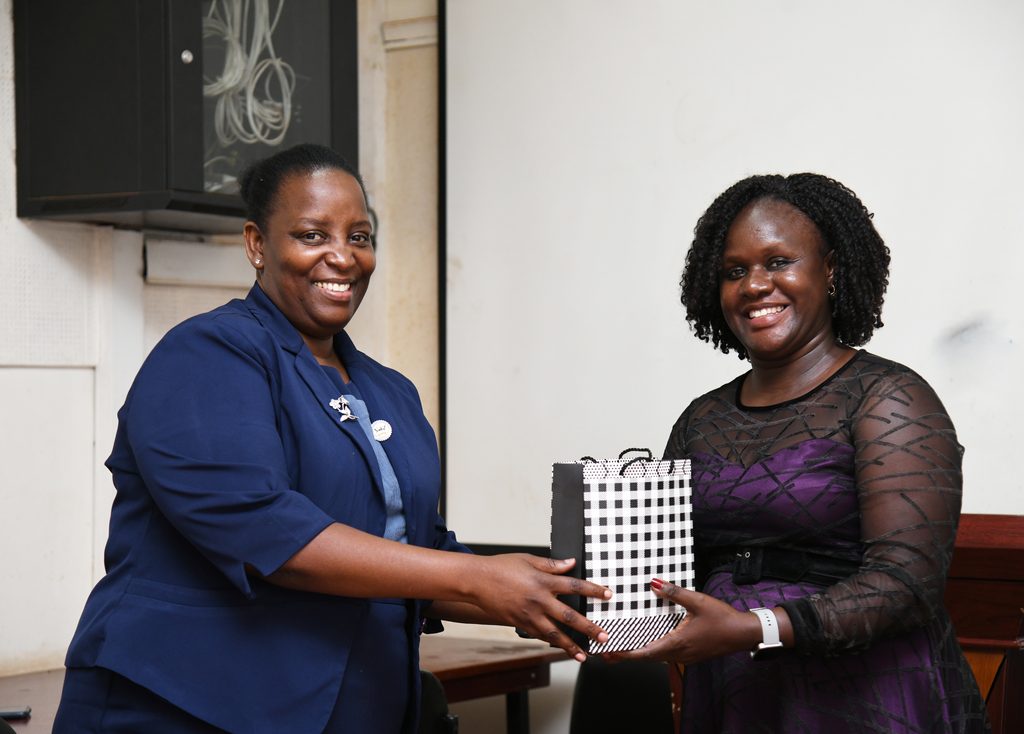
They also asked the College to look at retaining experienced staff so senior scholars can mentor younger colleagues. The Deputy Principal identified a major opportunity for the department to champion peace – building programmes in schools and invited staff to brainstorm it. Dr. Simon Masiga, a lecturer, confirmed the department will prepare a slide deck and work with the PRO office on its website presence. The Principal noted that all departments will appear on the College website, supported by journalism and communication students attached to the PRO office, and commended the department’s role in student exchange, noting that the Deputy Principal has taken more than 20 students to universities abroad. The department closed the session by presenting the visitors with tokens of appreciation, in line with Ugandan custom.
Philosophy
Meeting the Department of Philosophy, headed by Dr. Dickson Kanakulya, the Principal assured staff that their input would feed directly into the strategic plan and that the College will keep working, within its means, to strengthen teaching conditions and staffing. Staff opened by thanking her for her consistent support.
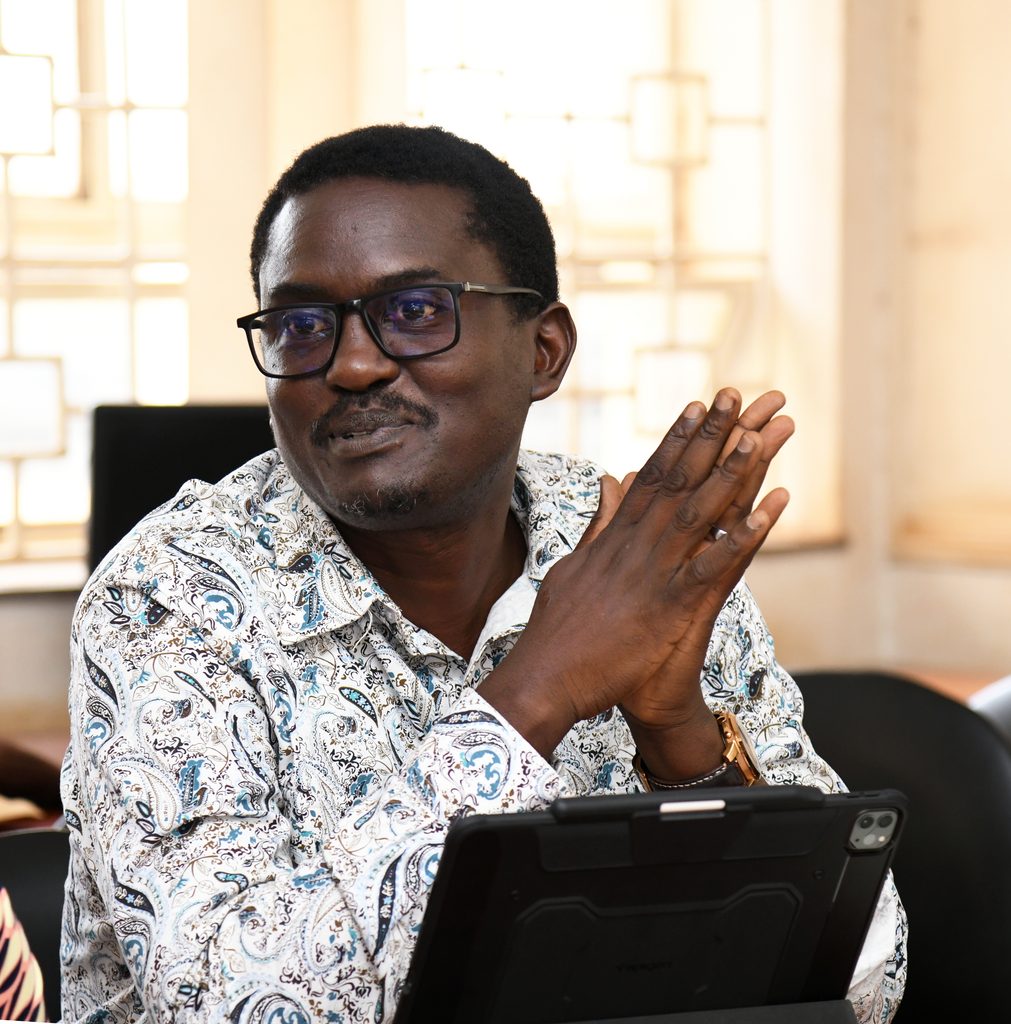
Staff described a department committed to its students. Lecturers said they teach beyond a full load while supervising graduate research, and adapted quickly to keep students on track when admissions came mid-semester. They came with ideas as well as requests. Dr. Nixon Wamamela, who has benefited from the University’s early-career support, proposed that the College help more young researchers build their capacity through fellowships and mentoring. Others suggested further training for new assistant lecturers, such as a postgraduate diploma in education, and displaying room capacities on the timetable.
The department’s priorities are to grow the team, with a request for replacement and honorary posts already submitted; teaching spaces and offices that support learning, including quieter surroundings; training before the CBC rolls out; support to attend international conferences, which lecturers said motivates research and supports promotion; and realistic facilitation for supervising students in the field.
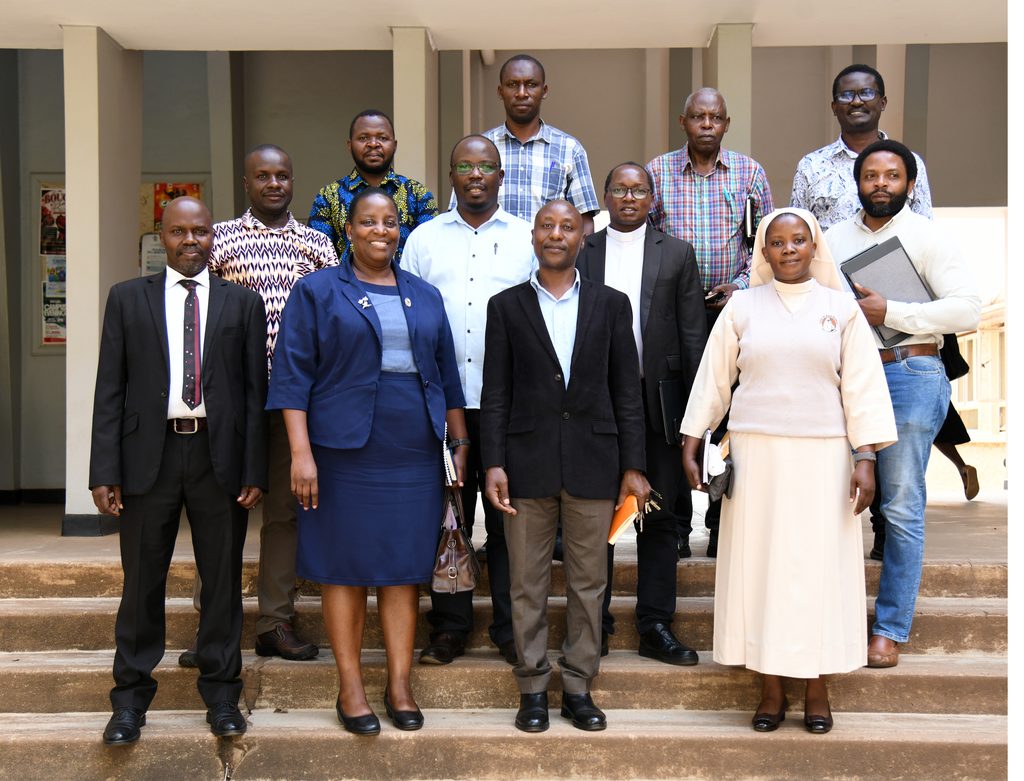
The Principal confirmed that CBC training funds have been sent to schools, and that departments can use the next tranche for retreats to write their curricula before the 15 December deadline. On space, she said the College has written a project proposal for a new building that includes office space and proposes hosting the National Liberation Museum, an idea she said should attract funding. The Deputy Principal, who sits on the chapel council, is already engaging on sound, and spare chairs will be redistributed to the units in greatest need. He will also convene timetable coordinators to rebuild the timetable using post-COVID student numbers, a proposal staff welcomed.
History, Archaeology and Heritage Studies
Introducing the Deputy Principal, the Principal praised the department as “very close to the administration” and doing work close to the President’s heart. She highlighted museum studies as a growth area, pointing to the proposed National Liberation Museum in the College’s project proposal, the Dean’s seat on the scientific committee of a museum studies project with Italian partners, and, for the first time, conversations about equipment for archaeology. The Deputy Principal said he was happy to be back and noted that the department does a great deal with limited numbers.
Acting Head of Department Dr. Charlotte Karungi Mafumbo, who chaired the meeting, thanked the College for research funds for clusters, exam facilitation paid on time, and a gift of a water dispenser. Describing it as a department of “happenings”, she listed a busy calendar: a JICA course on human security, an economics conference, a just-concluded conference on the history of climate and migration in Uganda, and an upcoming exhibition on Russia–Uganda relations that the University specifically wanted the department to host.
Its international profile is growing. A Cambridge donation supports eight researchers, and the French Institute for Research in Africa (IFRA) is funding eight graduate fellowships on Gen Z and politics, postdoctoral positions and seminars. Partnerships and exchanges involve the University of Turin, the University of Michigan, Krakow, the Czech Republic and South Korea. In archaeology, staff work with the Uganda Museum and the Dufile project, take students into the field, and have a paper on the Nyero rock art under review. Assistant lecturer Mr. Christopher Muhoozi highlighted a student-run newsletter, produced by undergraduates in collaboration with a student in the Netherlands, that keeps students informed of opportunities.
The department has 11 lecturers, seven in history and four in archaeology, with four support staff. Dr. Mafumbo said it has a realistic prospect of promoting two historians to senior lecturer and two archaeologists to lecturer by March.
Staff asked the College for support with graduate supervision (only about six of 17 historians are currently eligible to supervise) and funding for outstanding Master’s students; more archaeology staff; the museum concept and a heritage documentation project for the University’s monuments; flexible work and internet support amid rising fuel costs; a way to formalise visiting and adjunct lecturers; and more psychological support for staff and students.
The Principal said she will continue to raise PhD study waivers for staff with human resources, and that international partnerships should be routed through her office so the University’s international office engages funders early. She asked the PRO office to set up an information corner for scholarships and short jobs for students. The Deputy Principal, who has expertise in child protection, will help the College support vulnerable students and the staff who assist them.
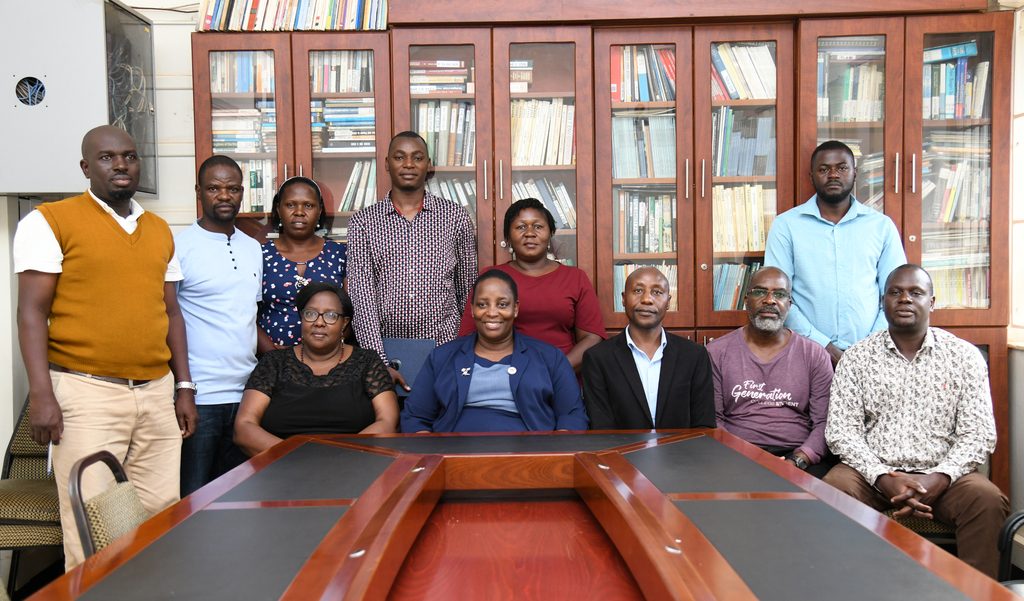
Looking ahead
The tour ended where the strategic plan begins: with staff voices on the table. The Principal and Deputy Principal will now carry those ideas to Council and management, and return to the departments with answers. At CHUSS, the way to the top starts with listening.
Story compiled by Madeleine Kisuule- Journalism and Communication student attached to SLPA
Photo credits; Peninah Nalubega and Allan Aine -Journalism and Communication students attached to school of Social Sciences and Psychology