Makerere research finds communication breakdowns, land insecurity and domestic violence undermine community well-being
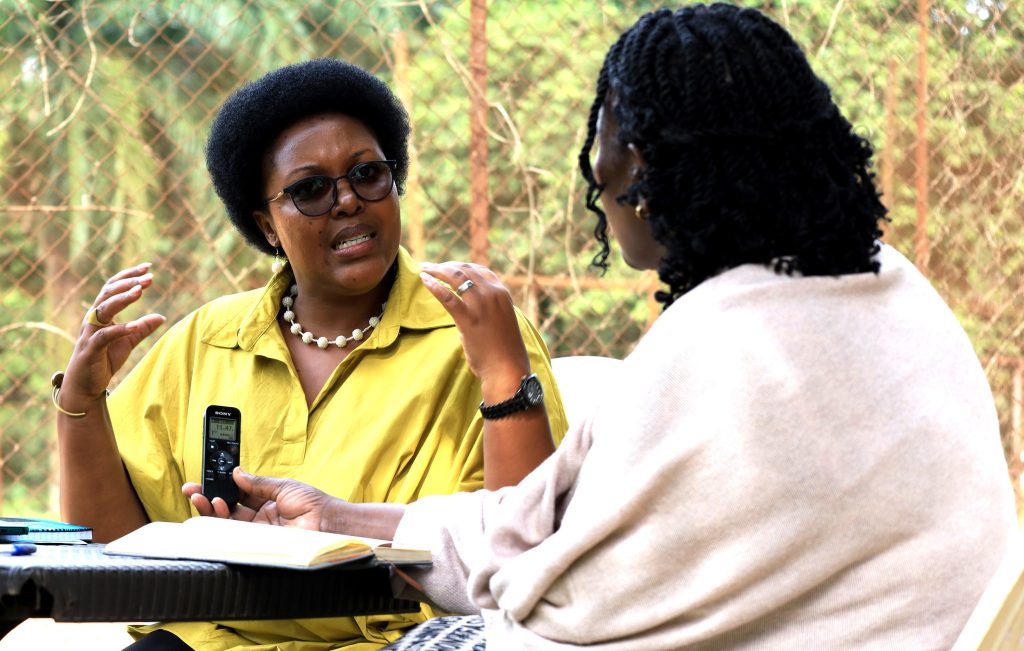
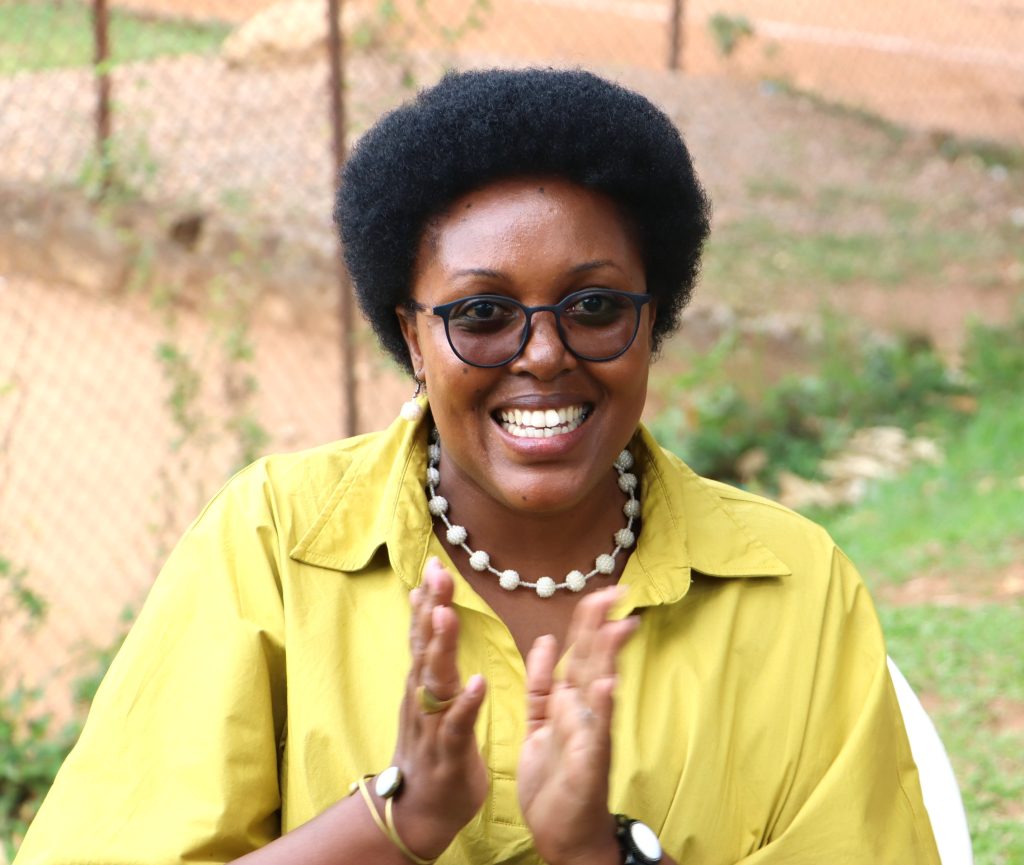
A groundbreaking research project led by Dr. Lillian Mbabazi of Makerere University has uncovered widespread communication breakdowns across families, schools and communities in marginalized areas of East Africa, with researchers warning that unresolved social tensions continue to fuel inequality, violence and exclusion.
The findings emerged from a three-year Communication and Creativity Project conducted between 2023 and 2026 by Makerere University and the University of Leeds. The project focused on marginalized communities in Walukuba, Jinja, Western Kenya and the United Kingdom.
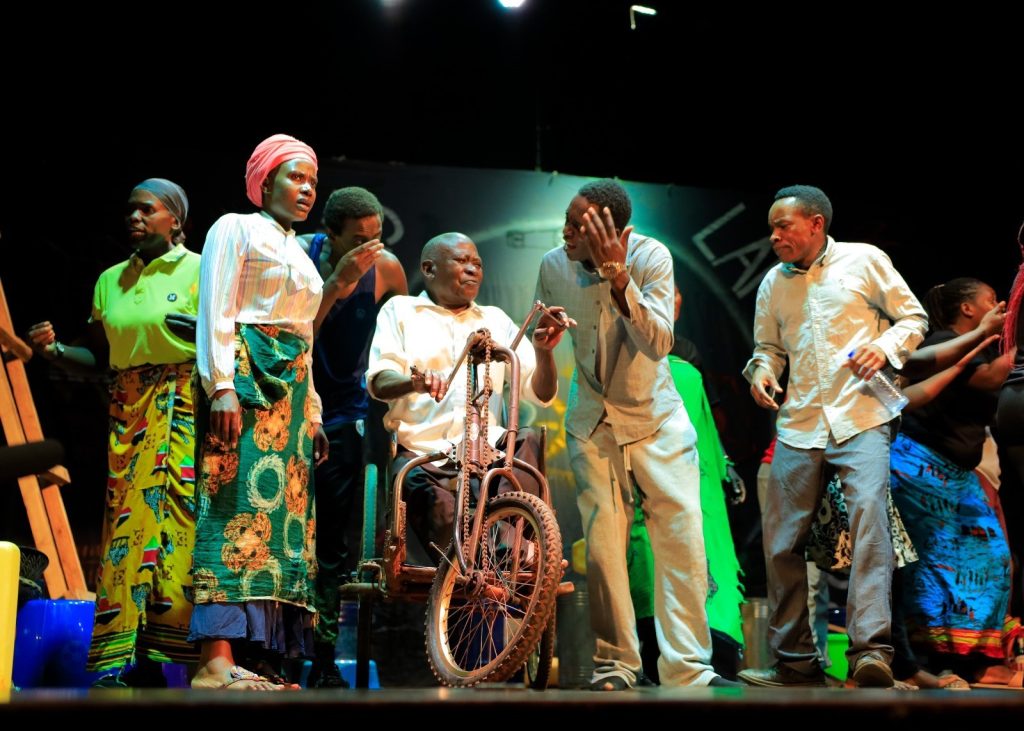
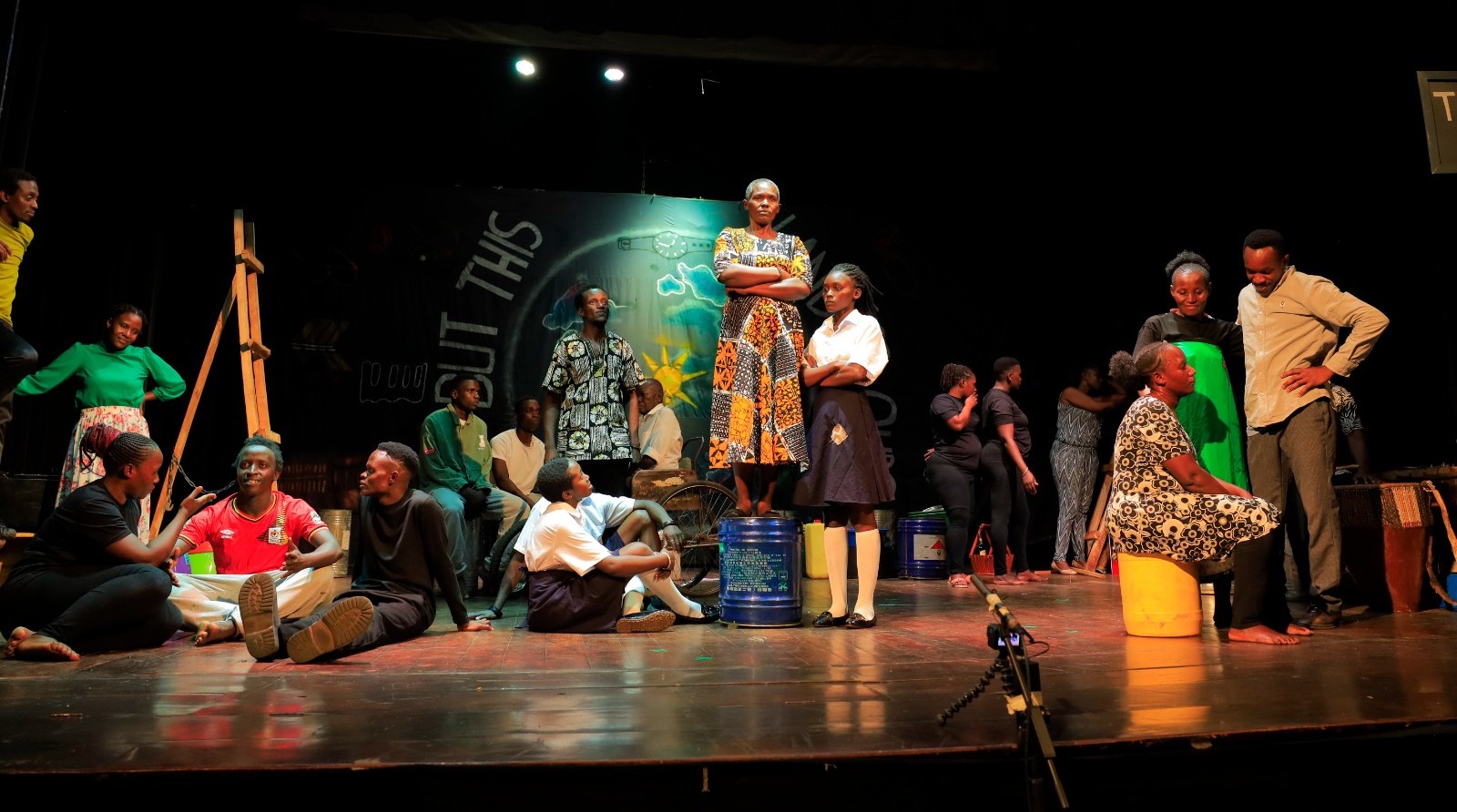
In an innovative departure from conventional academic dissemination, the researchers translated their findings into a community theatre production titled WanoWaife (“But This Land is Ours”), bringing research directly to the communities that participated in the study.
The project was initially led by Professor Jane Plastow of the University of Leeds before her death in September 2025. Leadership was later assumed by Dr. Matthew Elliott.
Study reveals deep communication gaps across generations
Researchers found that communication breakdowns between generations emerged as one of the most persistent challenges affecting community life.
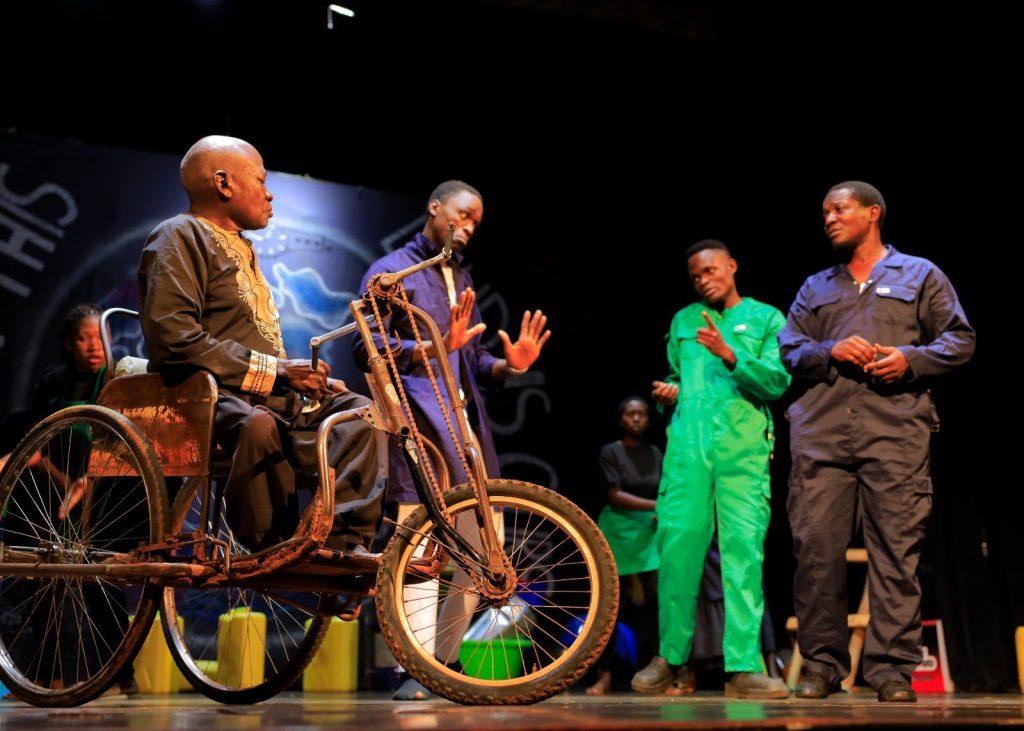
According to the study, many older community members often dismissed the concerns and perspectives of young people, creating barriers to meaningful dialogue within households and communities.
The research also found that unequal gender relations influenced communication patterns, with boys frequently receiving greater attention and authority than girls both at home and in educational settings.
These attitudes were found to reinforce existing social inequalities and limit opportunities for inclusive participation.
Corporal punishment identified as major barrier in schools
The study established that communication challenges were particularly pronounced within schools.
Learners reported that corporal punishment discouraged them from freely expressing themselves to teachers and school administrators. Researchers found that fear of punishment often prevented students from discussing academic, social and personal challenges.
The practice was linked to broader pressures facing schools, including shortages of scholastic materials, performance expectations and entrenched beliefs that physical punishment is necessary for discipline.
The findings suggest that punitive school environments may be undermining efforts to promote open communication and positive learning outcomes.
Domestic violence continues to shape community interactions
In Walukuba, a suburb of Jinja with a long history of economic and social marginalization, researchers found that domestic violence remains a significant obstacle to healthy communication.
The study revealed that many residents rely on confrontation rather than dialogue to resolve disputes, creating environments where communication often breaks down before conflicts can be addressed peacefully.
Researchers noted that such patterns affect not only families but also broader community relationships.
Land insecurity emerges as overarching community concern
While communication challenges formed the core focus of the study, researchers identified land insecurity as the issue most strongly uniting residents.
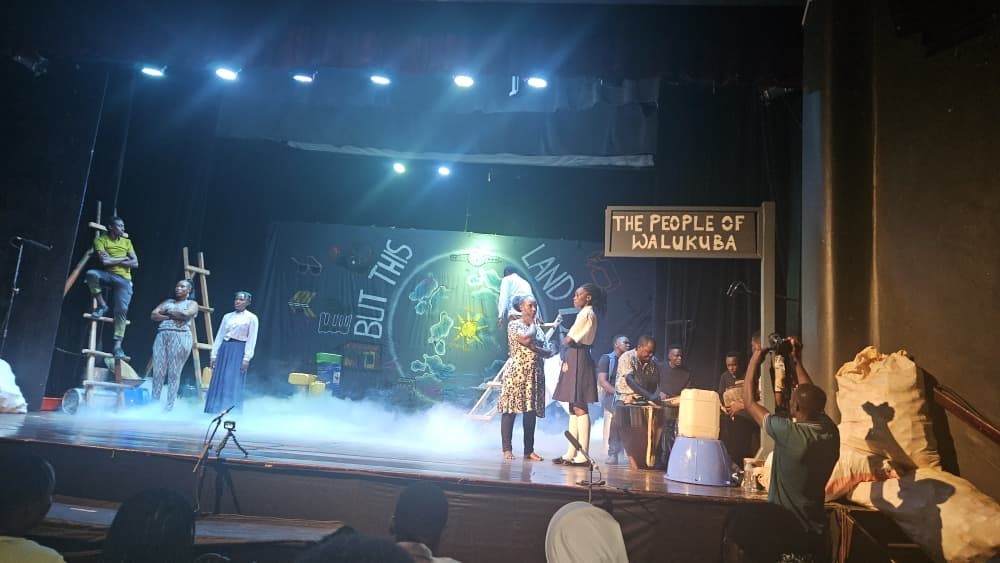
Participants described living under constant threat of eviction as wealthier individuals acquire land in formerly public housing areas and seek to displace long-term residents.
The concern became a central theme in the theatre production Wannwaiffwe, which portrays residents’ struggle to protect their homes and communities.
Researchers found that fears over displacement have become a defining feature of life in Walukuba, influencing social relations, community cohesion and people’s ability to plan for the future.
At the same time, the study found that the threat of eviction has strengthened collective action among residents, fostering solidarity and community resistance.
Arts-based research challenges traditional academic approaches
The project employed arts-based methodologies including theatre, poetry, music, dance, role play and storytelling to engage participants.
Dr. Mbabazi said the approach sought to align research practices with local ways of knowing and communicating, allowing communities to actively shape the research process.
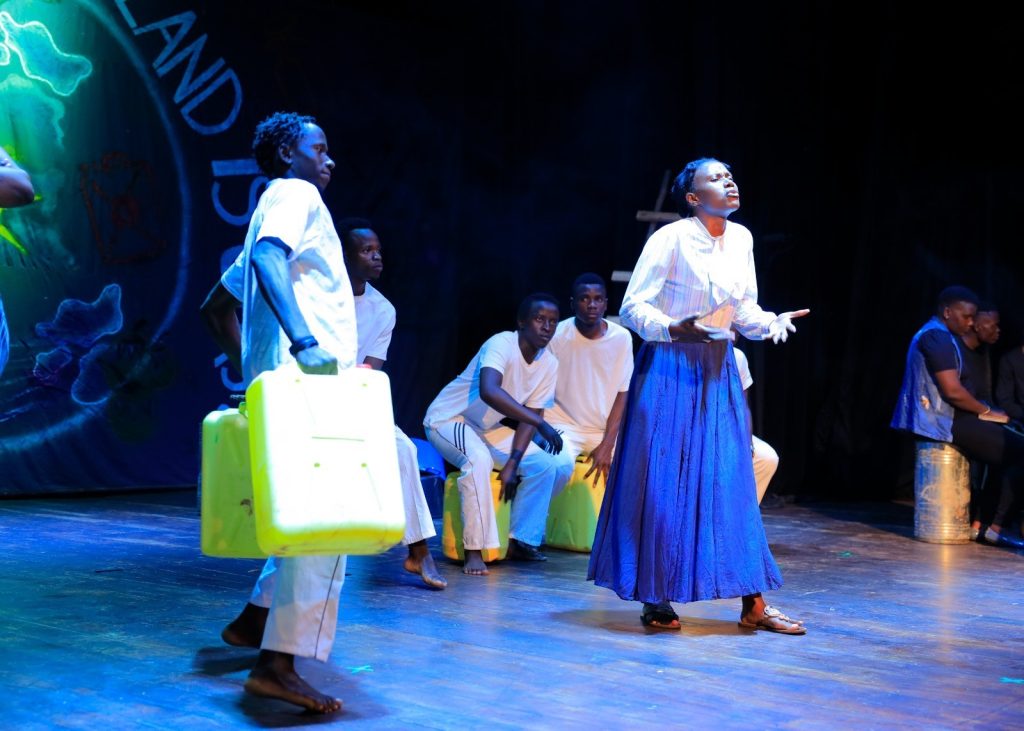
The findings have contributed to growing conversations about decolonizing research by incorporating indigenous languages, artistic expression and community participation into knowledge production.
Researchers argue that such approaches generate deeper engagement and trust than short-term projects that enter and leave communities without sustained involvement.
Study calls for recognition of ‘soft infrastructure’
The research also highlights the need for policymakers to pay greater attention to what Dr. Mbabazi describes as “soft infrastructure” — the social, cultural and communicative systems that support community well-being.
While governments often prioritize physical infrastructure such as roads, schools and health facilities, the study argues that communication, creativity, culture and social relationships are equally important for development.
Researchers contend that investments in communication and community engagement can strengthen social cohesion and improve outcomes across sectors including education, health and governance.
Researchers urge shift toward accessible dissemination
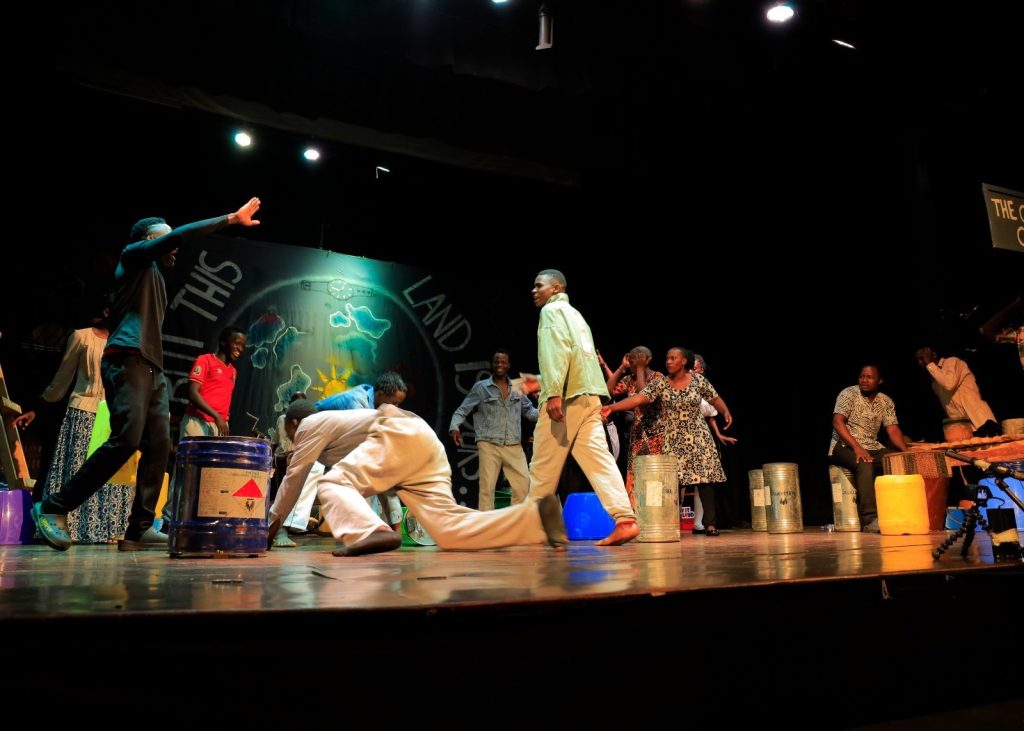
As part of the dissemination process, the research team staged four major performances of Wannowaiffwe in Jinja and Kampala in May, alongside numerous community workshops, school-based productions and creative engagements.
Dr. Mbabazi said the experience demonstrated the value of presenting research findings in formats that are accessible to ordinary citizens rather than limiting dissemination to academic journals and books.
She argued that community theatre and other creative approaches allow research findings to reach broader audiences and generate greater social impact.
“Research should benefit the communities where it is conducted,” she said.
The project’s findings are expected to inform future discussions on communication, education, community development and land governance across East Africa, while also contributing to ongoing debates about the role of arts-based methods in academic research.
Who is Dr. Lillian Mbabazi?
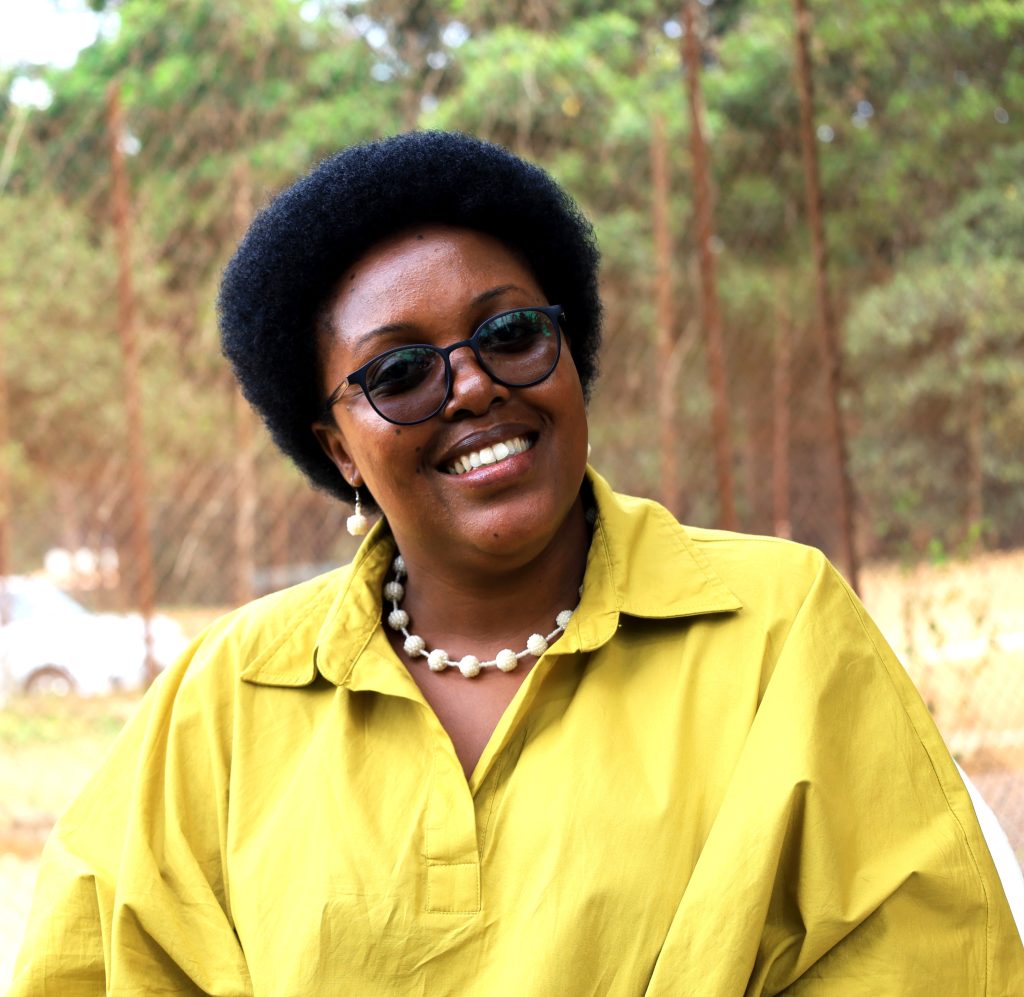
Dr. Lillian Mbabazi is a creative practitioner, arts educator, and social practice artist based at Makerere University. She serves as teaching staff in the Department of Performing Arts and Film, specializing in community theatre, also known as applied theatre. Dr. Mbabazi’s work is deeply embedded in community engagement, research, and teaching, particularly focusing on using theatre as a tool for social development.
Her academic journey began with a bachelor’s degree in Drama from Makerere University in 2003. She then pursued a Master’s in Theatre and Global Development at the University of Leeds, graduating in 2012. She later completed her PhD in Applied Theatre at Makerere University in 2026, with research centered on storytelling among the Wachiga of Uganda, examining how performance has evolved from 1930 to 2009.
Dr. Mbabazi is committed to creating knowledge collaboratively with communities to enhance their development through the arts. She has been actively involved in numerous community projects and research initiatives, especially in eastern Uganda.
By Jane Anyango, Peninah Nalubega and Andrew Twahirwa