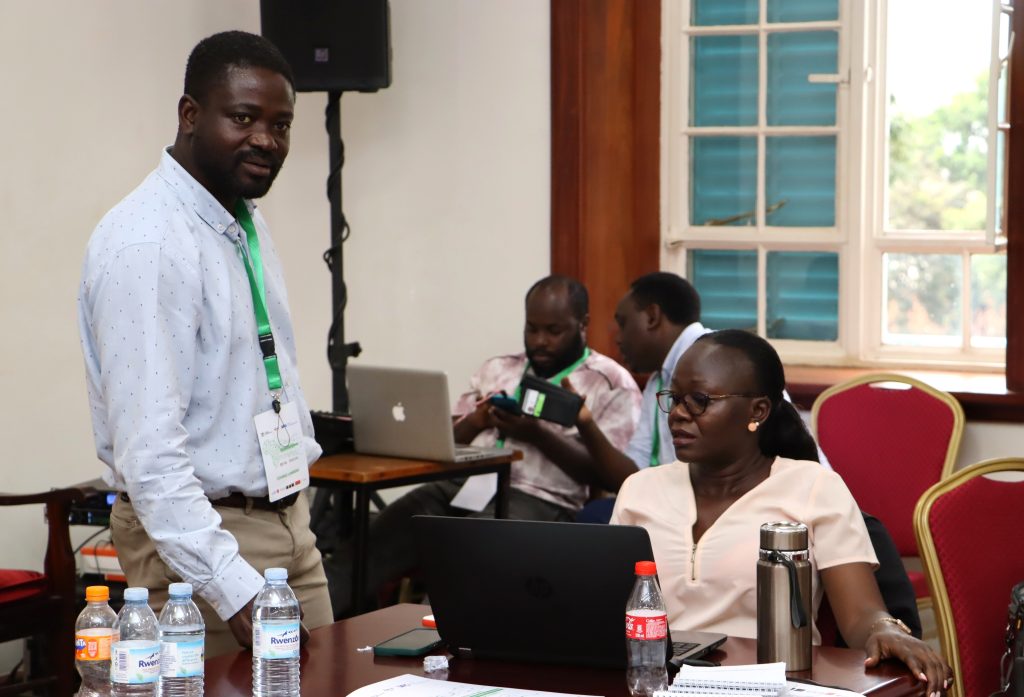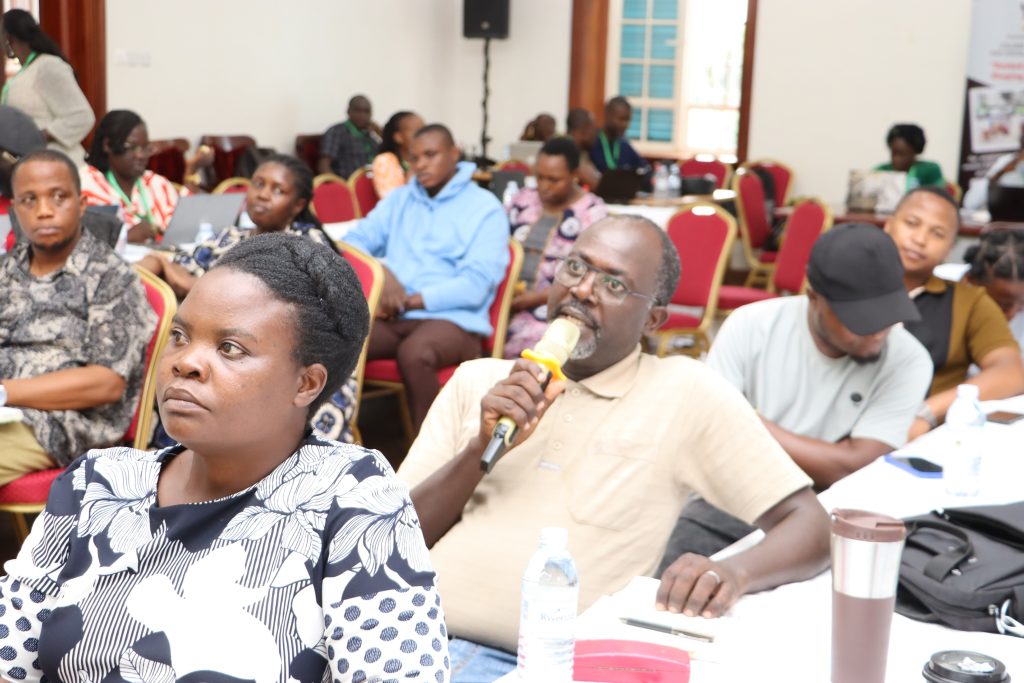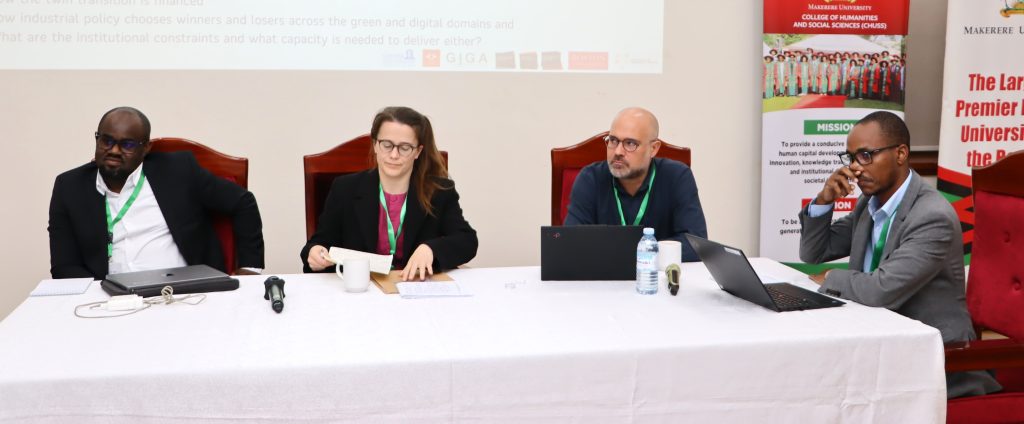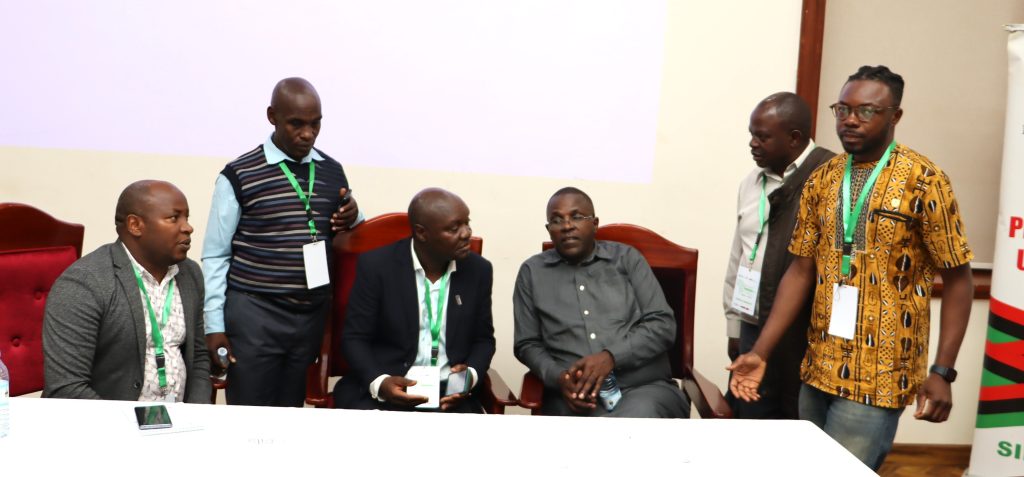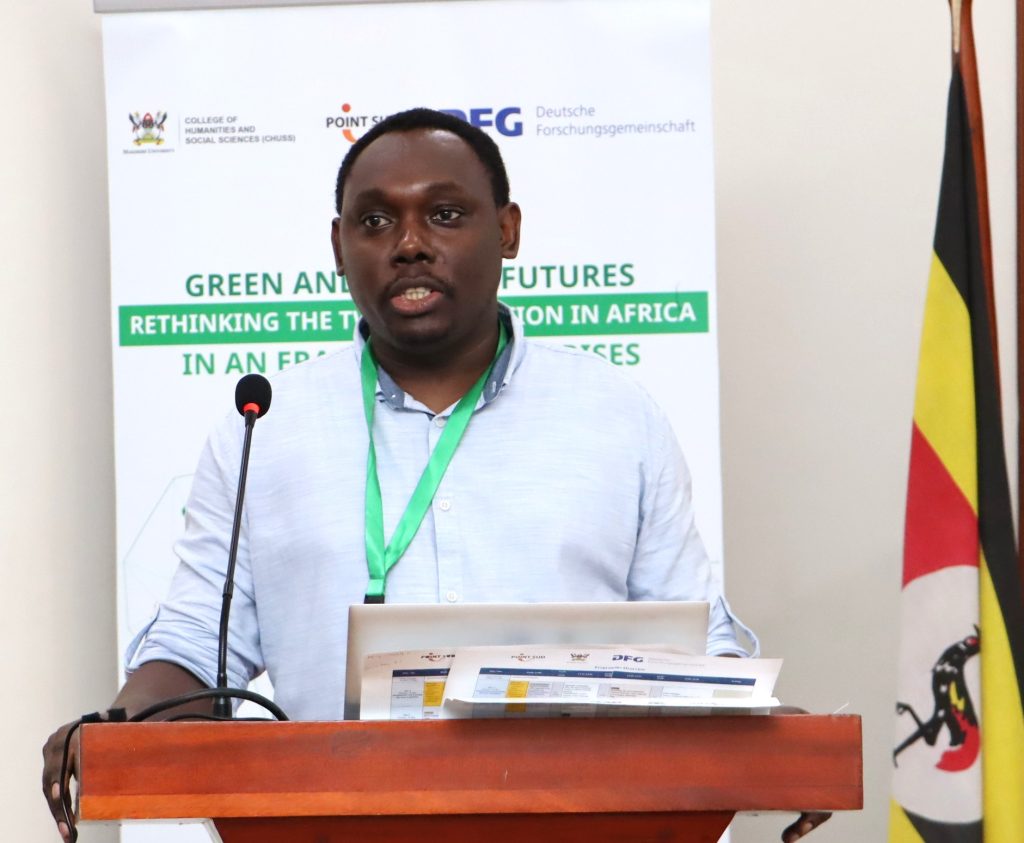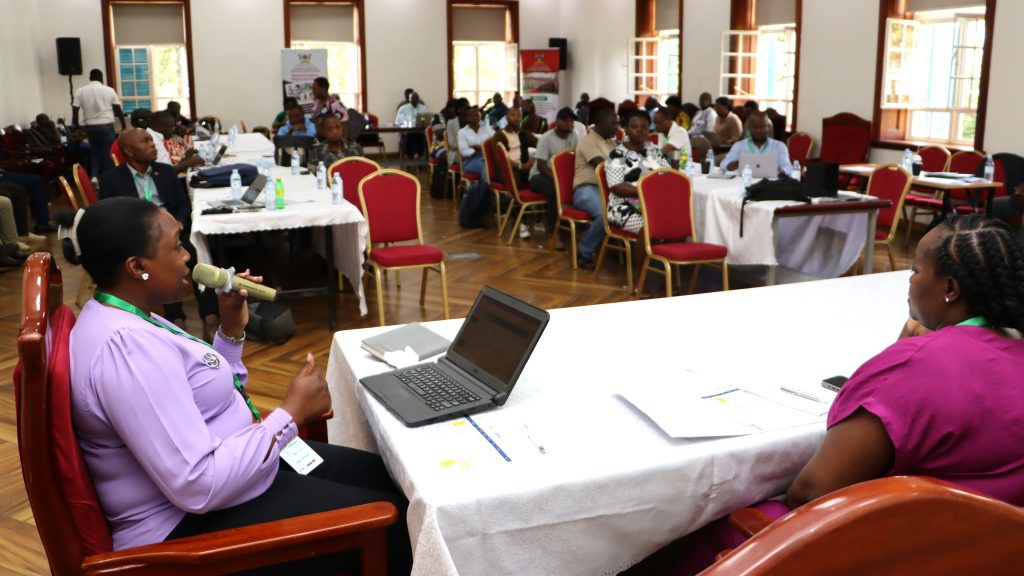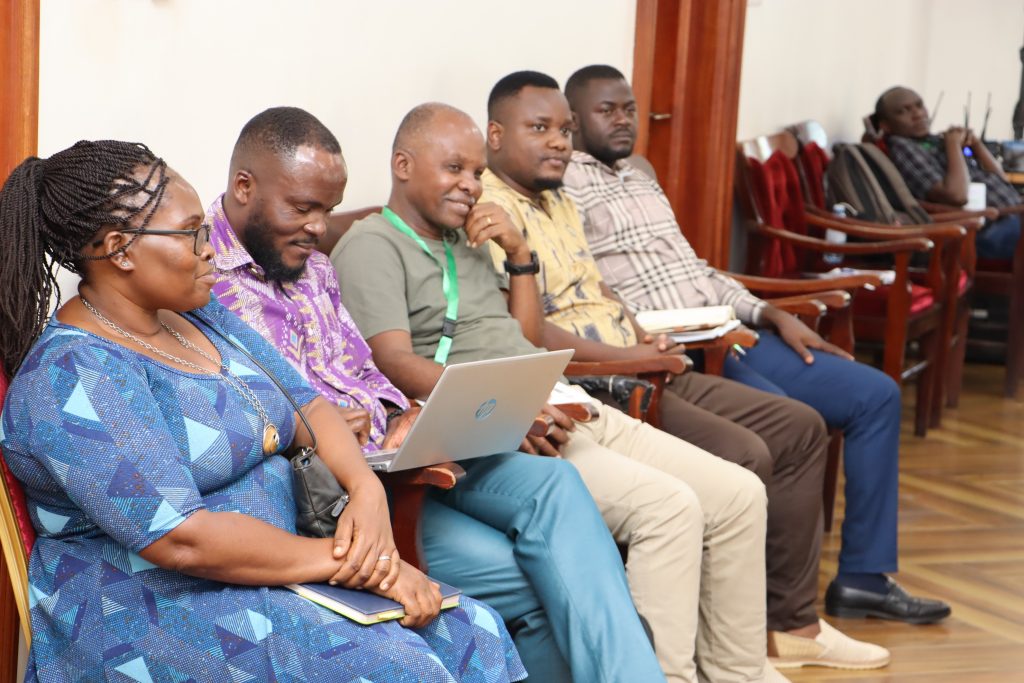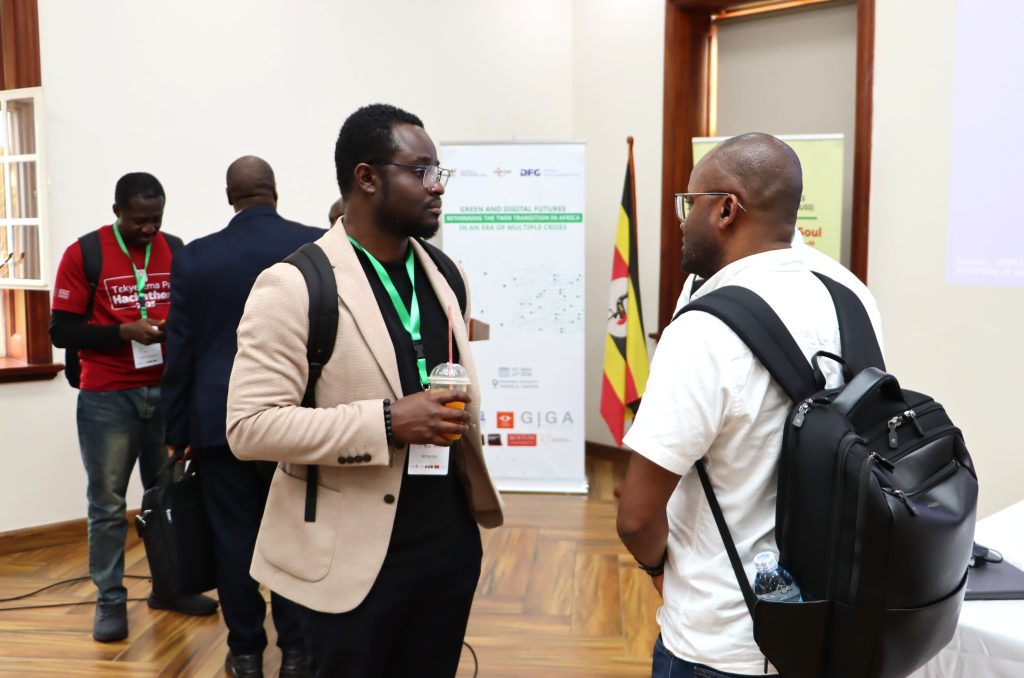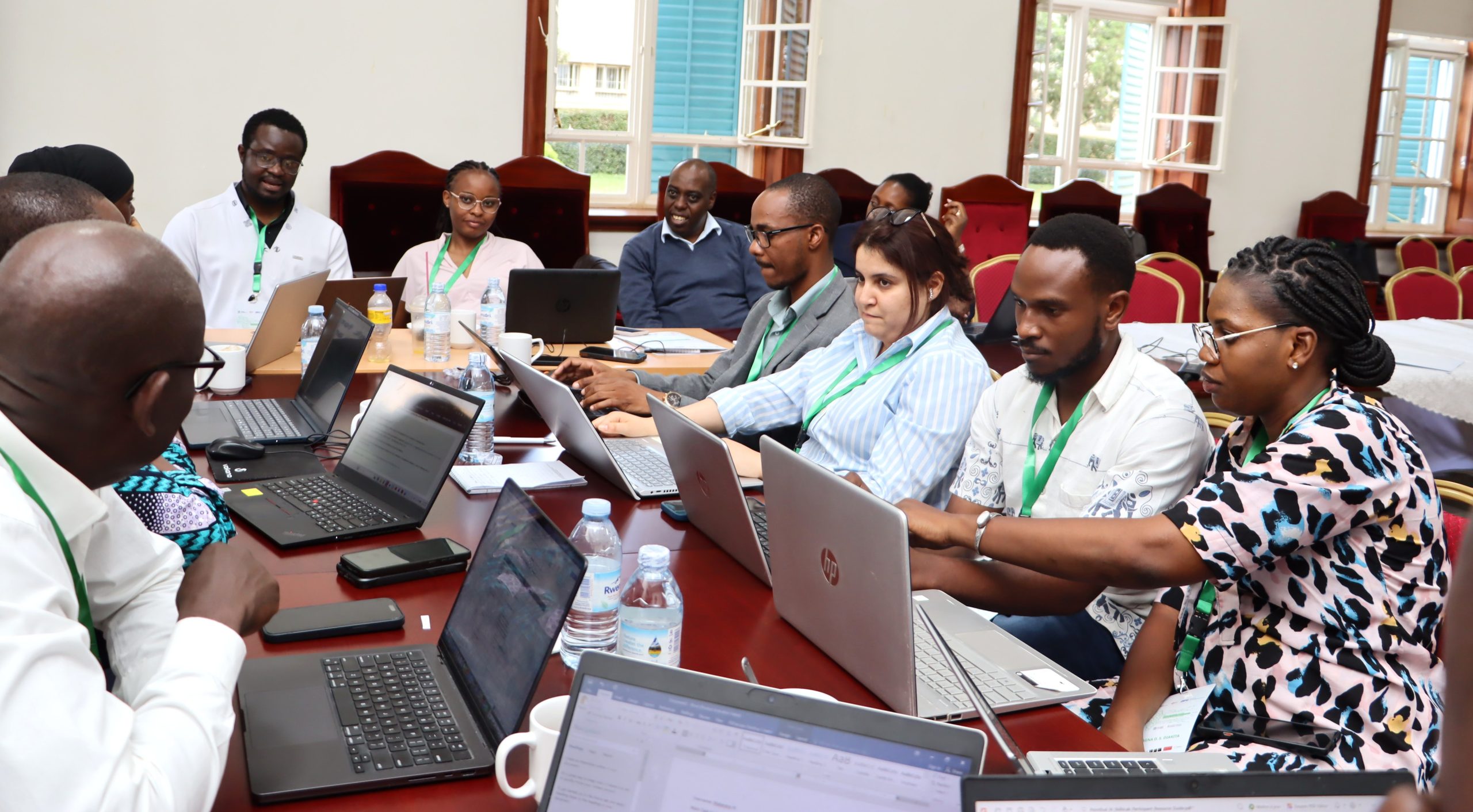
Makerere University has concluded a five-day international conference on Green and Digital Futures, which brought together more than 40 researchers and practitioners from Africa, Europe, and North America.
The event, held from May 18–22, 2026, was organized under the Point Sud programme funded by the German Research Foundation, in collaboration with the University of Erfurt, Germany.
Discussions centered on how Africa can harness digital and green technologies to address pressing challenges such as poverty, unemployment and inequality.
The conference underscored that Africa’s twin transitions must be pursued jointly, with inclusion, infrastructure upgrades, skills training and collaboration at the center. Governments, universities and youth all have critical roles to ply in ensuring that digital and green futures contribute to sustainable development and resilience across the continent.
Why Green and Digital Futures?
Conference convener Dr. Evans Awumi, from the Willy Brandt School of Public Policy at the University of Erfurt and the German Institute for Global and Area Studies (GIGA), explained the choice of theme. “We thought it was important to critically examine these two transformations in an African context. Digital and green transitions are often discussed separately, yet they intersect in areas such as infrastructure, jobs, and governance,” he said.
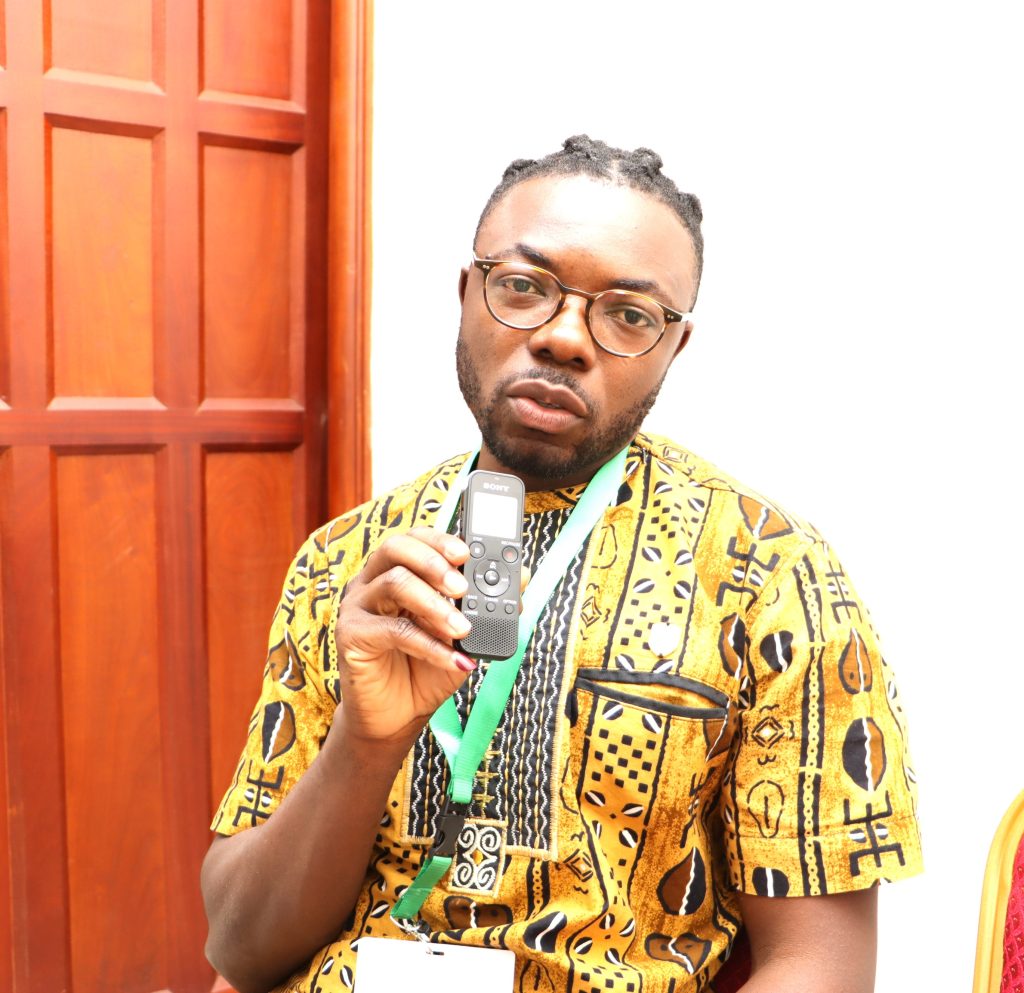
Dr. Awumi noted that Africa contributes little to global carbon emissions but still faces climate change consequences. He pointed out that technologies like AI demand significant energy, linking digital innovation directly to environmental concerns. “Both transitions raise questions of inclusion—who benefits, who is left out, and whose voices matter,” he emphasized.
Reflecting on the conference outcomes, Dr. Awumi expressed satisfaction. “To a very large extent, our expectations were achieved. We wanted to kick-start the conversation, not end it. This workshop has opened the door for people to think about these two transformations jointly and not separately,” he said.
Outputs and Next Steps
Dr. Awumi revealed that the conference will lead to tangible outputs. “We are hoping to publish a special issue on Africa’s twin transitions and form a research network where scholars and policymakers can continue these discussions. Our main objective of starting the conversation has been achieved,” he noted.
Dr. Awumi noted that inclusion and inequality was at the centerof every presentation and discussions. “Both technologies are changing our world, and some people are going to benefit while others are going to lose. The key question is: how do we make sure the transformation is inclusive?” Dr. Awumi asked. He stressed that disadvantaged groups risk being left behind without deliberate efforts to carry them along, whether in AI adoption or access to green jobs.
Governments Must Act
Dr. Awumi urged governments to recognize that these transformations are permanent. “Digital transformation is here whether we like it or not. Governments must upgrade infrastructure, provide skills training, and establish regulatory frameworks. Otherwise, exclusion could have political consequences,” he warned.
On the green side, he stressed the importance of human capital. “Africa has mineral resources, yes, but the real resource is human. Green jobs will replace carbon-intensive ones, and governments must invest in training to prepare the workforce,” he added.
Universities as Drivers of Change
Universities were called upon to continue researching both transitions jointly. “Governments need to fund research strategically in both green and digital spaces. Most research is funded by international organizations, but African governments must invest to create enabling environments for scholars,” Dr. Awumi said.
He commended Uganda’s flagship research fund, MakRIF, and suggested it should be used to identify successful cases of digitalization and green initiatives. “Academia must research more on what works and what fails. This will inform future strategies on these transformations,” he advised.
Youth Must Not Be Left Behind
Dr. Awumi emphasized that Africa’s youth cannot be excluded. “Africa is a very young continent. I encourage young people to learn as much as they can from both transitions, especially digital technologies like AI. This will create opportunities to build our own solutions,” he said. He also raised concerns about data colonialism, urging investment in Africa’s own digital infrastructure.
Voices from Participants
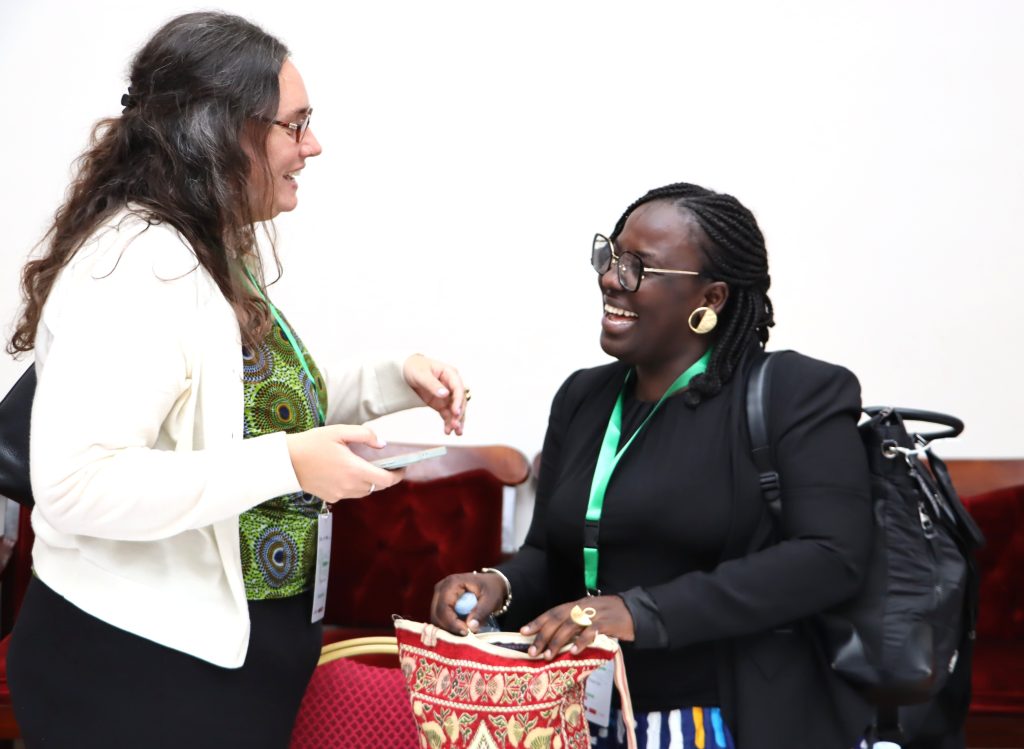
Participants echoed these themes in their reflections.
Wanjiru Catherine Njeri, University of Leipzig, Germany, praised the conference’s organization and logistics, noting: “The future is digital, and that’s where we must focus. There’s no going back.”
Adama Kane, Cheikh Anta Diop University, Senegal, a climate change economics researcher, highlighted the importance of resilience. “I learned a lot about how we can build a greener and more resilient Africa. I also discovered new AI tools for my research and met many colleagues,” he said.
Edwin Ambani-Ameso, University of Copenhagen, emphasized the importance of African voices. “The conference reaffirmed the need to discuss digital technologies and green futures from an African perspective. Communication and collaboration—both global and South-South—are essential,” he said. He encouraged Makerere University to continue hosting such events and expand collaborations with local universities, while also involving grassroots actors to contextualize technologies for everyday people. “These conferences harmonize African knowledge creation and ensure our voices are heard,” he added.