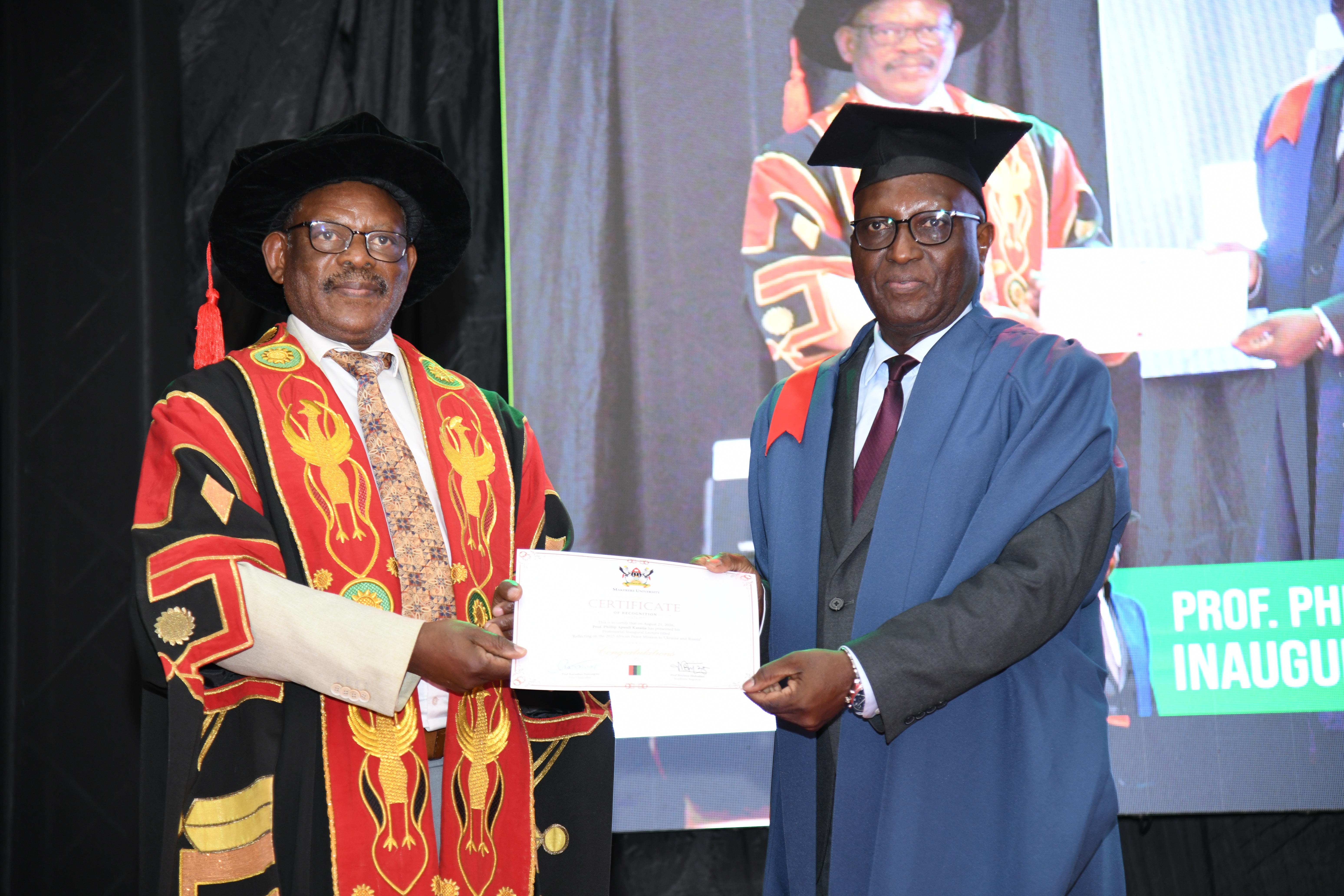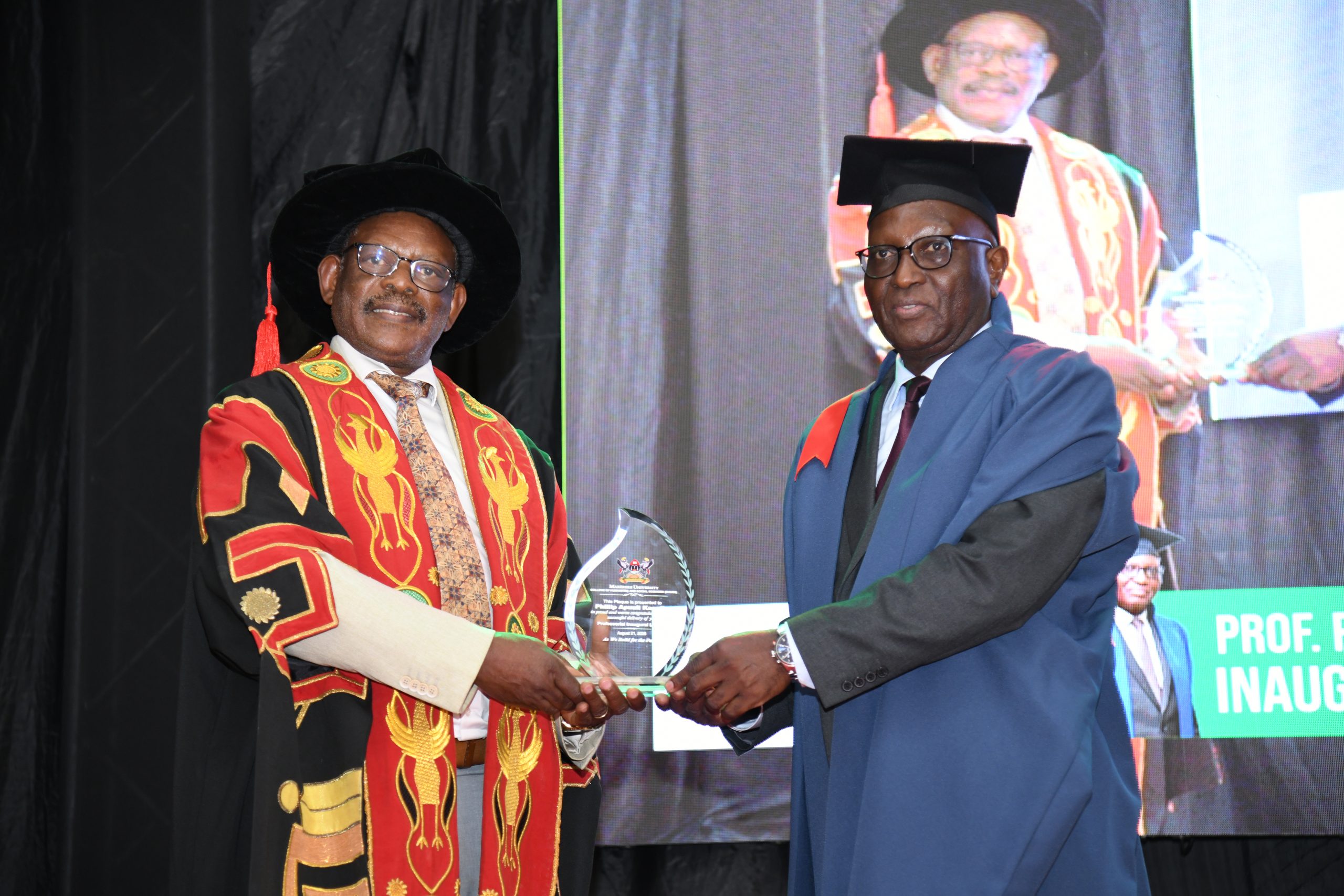
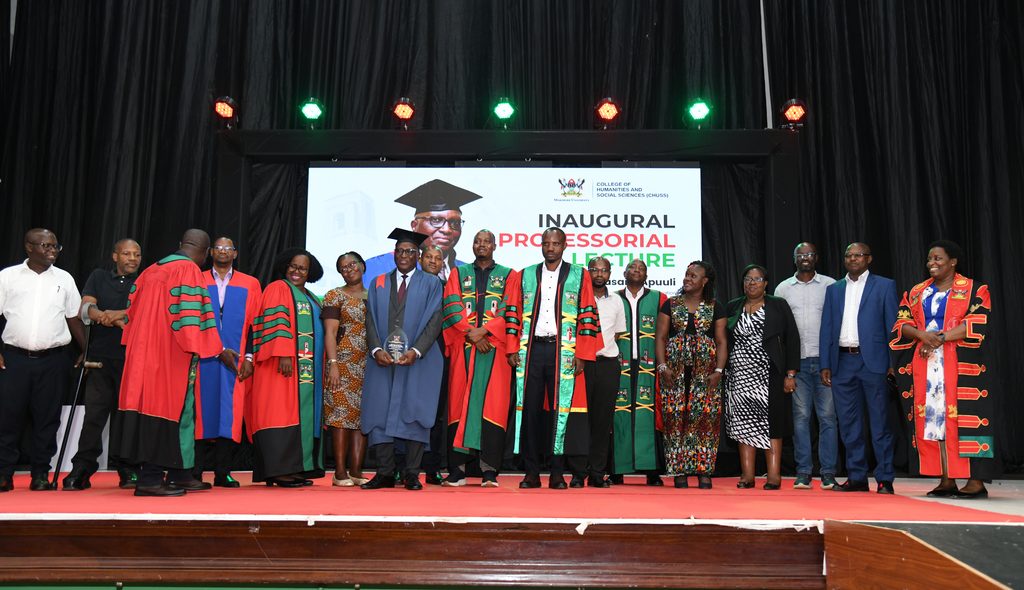
Makerere University has celebrated Professor Philip Kasaija Apuuli’s academic journey and contribution to international relations during his inaugural professorial lecture, with university leaders, scholars, former classmates and national leaders hailing his research, mentorship and commitment to peace and conflict resolution.
Vice-Chancellor Professor Barnabas Nawangwe said inaugural professorial lectures are an important part of university life because they allow scholars to present knowledge they have generated to the wider public in a language that can be understood beyond academia. “Professorial inaugural lectures are a very important part of a university. It is a time when the university displays the knowledge that it has created to the public,” Nawangwe said. He explained that the lectures also give professors an opportunity to inspire younger generations and outline the direction of their future academic work.
Nawangwe said Makerere had introduced a new policy simplifying the conduct of inaugural lectures by devolving responsibility to colleges, making Professor Kasaija Apuuli’s lecture the first under the new policy. “This is the very first one under this new policy where the powers have been devolved to the colleges,” he said. He challenged other professors and associate professors who had not yet delivered their inaugural lectures to prepare for the exercise, noting that the University Council had set a deadline for them.
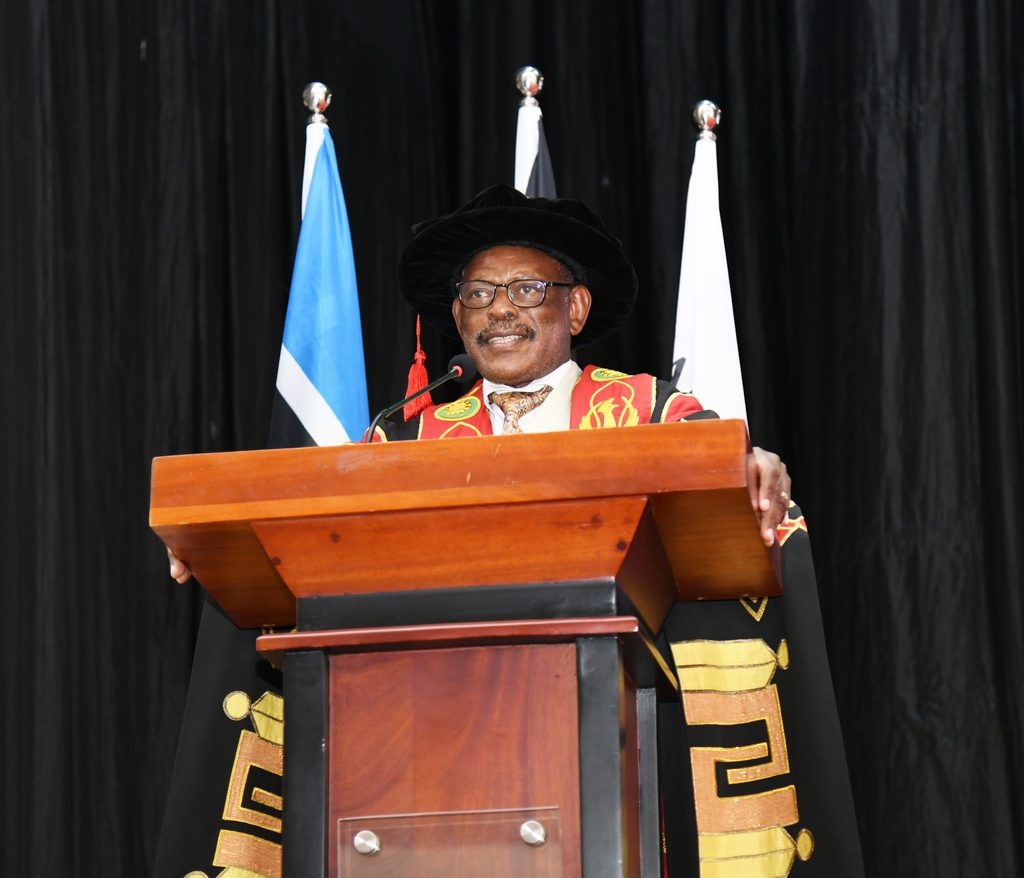
The Vice-Chancellor described Professor Kasaija Apuuli as a renowned researcher and accomplished scholar whose work has addressed peace, military affairs and international relations. “Professor Puri is a renowned researcher, an accomplished scholar,” Nawangwe said, while congratulating him for tackling the subject of Africa’s peace mission to Russia and Ukraine. He said the research demonstrated the international character of Makerere University and expressed confidence that the lecture would further enhance the university’s global standing.
Africa has a legitimate voice in global peace
Prime Minister Emeritus Rt. Hon. Amama Mbabazi congratulated Professor Kasaija Apuuli on attaining the academic milestone, describing an inaugural professorial lecture as significant both to the scholar and the university. Mbabazi said he has personally benefited from Professor Kasaija Apuuli’s expertise while preparing for international engagements, particularly on foreign and security policy. “I benefited greatly from his knowledge of international affairs and particularly from his ability to place African perspectives within the wider global debate,” Mbabazi said.
Rt. Hon. Mbabazi welcomed Professor Kasaija Apuuli’s decision to focus his inaugural lecture on the 2023 African Peace Mission to Ukraine and Russia. He argued that the mission demonstrated that Africa has a legitimate interest and voice in international peace and security. “African leaders were asserting that Africa has both an interest and a legitimate voice in matters of international peace and security,” he said.
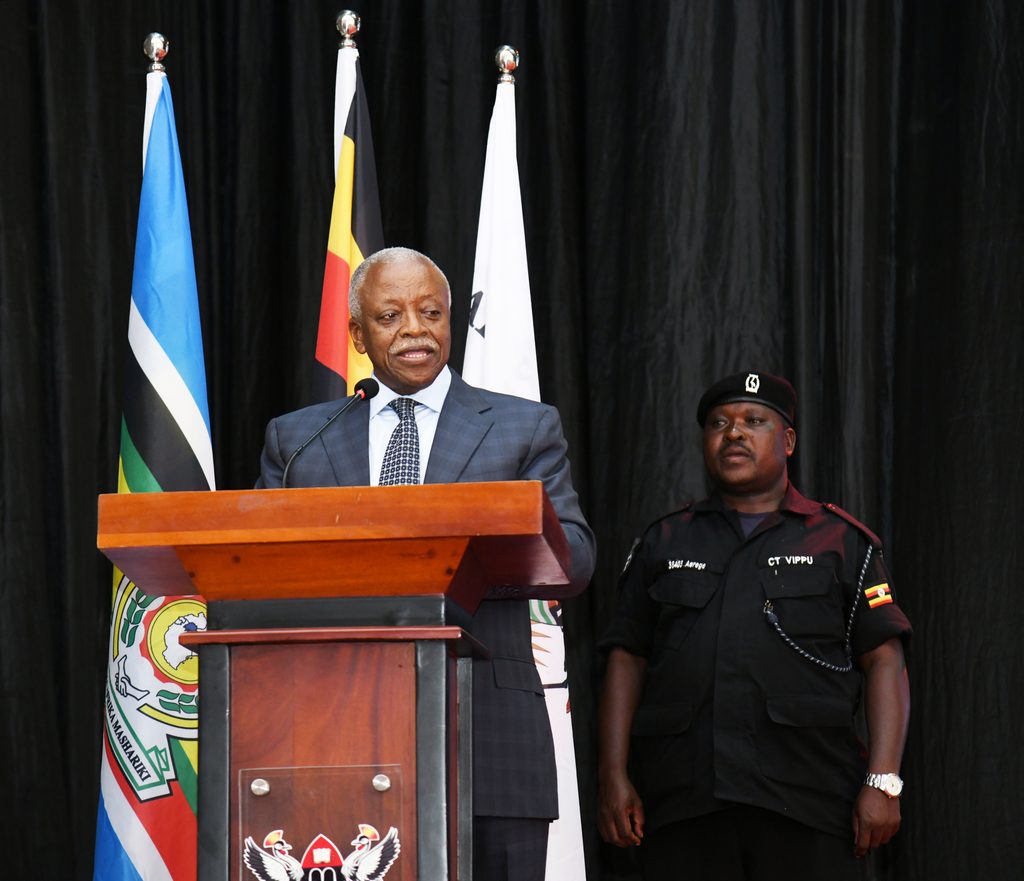
Mbabazi noted that the consequences of the Russia-Ukraine war had not been confined to Europe, citing disruptions in food and fertiliser supplies, higher energy prices, inflation and wider economic pressures affecting African countries. “Africa therefore had every justification to say, we too have a stake in the restoration of peace,” he said.
Professorial lectures are the pinnacle of academic achievement
Makerere University Academic Registrar and Secretary to Senate Professor Buyinza Mukadasi described the occasion as an important milestone in Professor Kasaija Apuuli’s academic career and an inspiration to other researchers. “Professorial lectures, the way we take it in the academic circles of this university, represents the pinnacle of academic achievement,” Buyinza said.
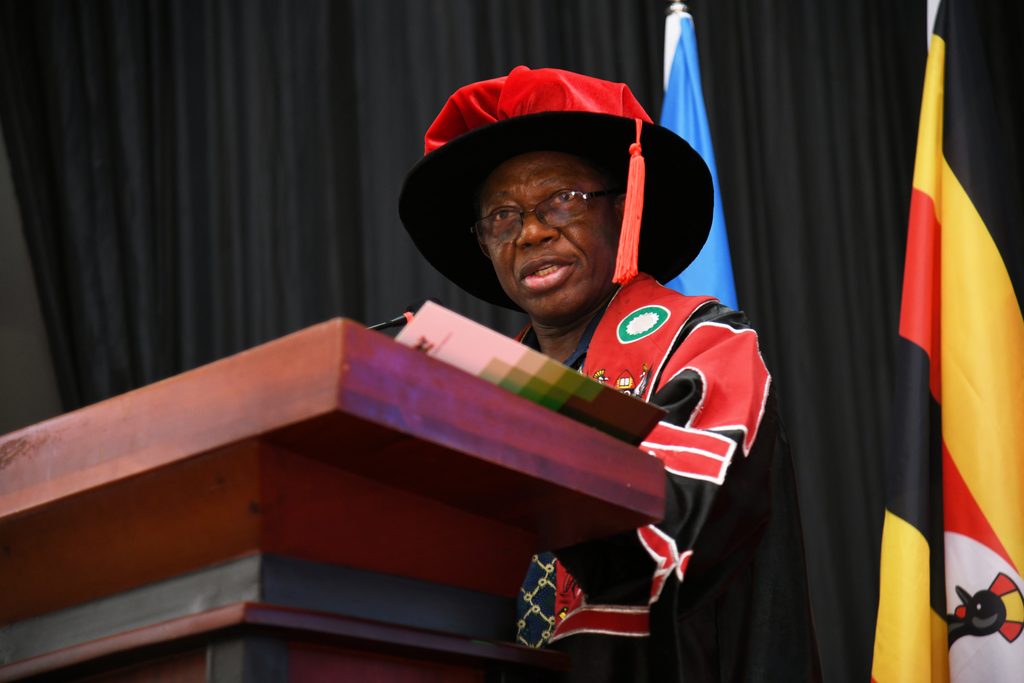
Buyinza commended Professor Kasaija Apuuli for demonstrating the ideals of Makerere University through research, training and the translation of knowledge into policy, practice and societal transformation. “We are a research entity, we are a training institution, and of course, we attach great importance to translation of knowledge to shape not only policy, practice, and also the progress, but most importantly, transformation of society,” he said.
Professor Sarah Ssali, speaking as a former classmate and long-time colleague, described Professor Kasaija Apuuli as a hardworking scholar whose achievement was the result of years of intellectual commitment. Recalling their days as political science students, Ssali said Apuuli distinguished himself through his participation in academic discussions and his determination to engage deeply with issues. “Philip has always been a man of great ideas. He has always been very hardworking. It’s not a surprise that we are here today,” she said.
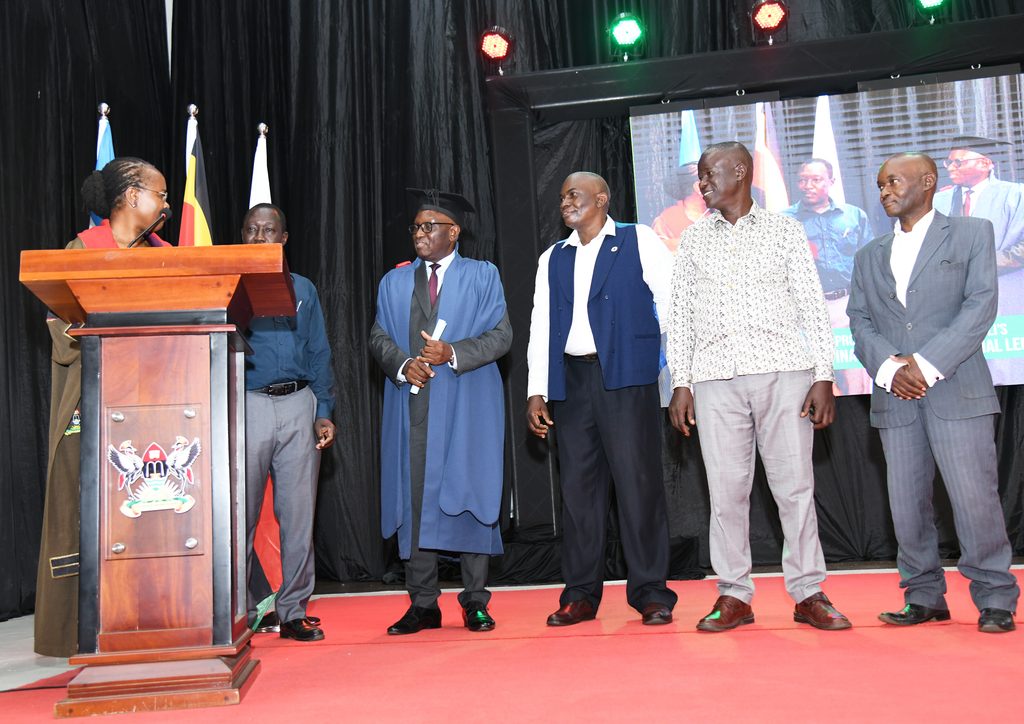
She said their professional relationship continued after university through research and other academic programmes, giving them opportunities to work together in different parts of the region. Ssali said Professor Kasaija Apuuli’s achievement had inspired his former classmates and other academics to continue pursuing excellence. “So, today we celebrate the fact that Philip has done this journey before us. So, you have really inspired us. We thank you for showing us the way,” she said.
Professor Nkabala,the Principal of the College of Humanties and Social Sciences highlighted Professor Kasaija Apuuli’s academic and professional record, including his work in conflict prevention, management and resolution, his involvement in Somalia peace and national reconciliation initiatives, international fellowships and his teaching engagements with military academies in the region.
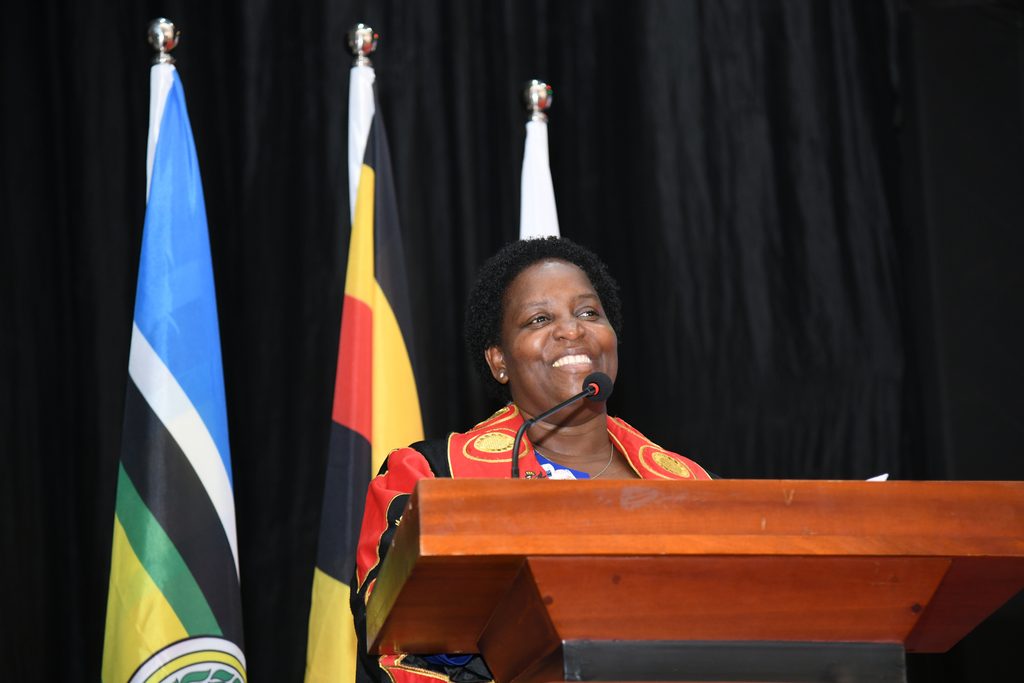
She also conveyed a congratulatory message from Professor Richard O’Brien, Emeritus Professor at the University of Sussex, who supervised Apuuli’s postgraduate studies. O’Brien described him as a model doctoral student and praised his commitment to the peaceful and lawful resolution of conflicts. “I remember Philip as a really model doctoral student who contributed a great deal to the academic life of the university,” O’Brien said.
Professor Gilbert Khadiagala of the University of the Witwatersrand said Professor Kasaija Apuuli’s lecture makes an important contribution to the study of mediation, African agency and international peacebuilding.
Khadiagala said the research examines how external actors intervene in conflicts and, more importantly, what Africa’s intervention in the Russia-Ukraine war says about the continent’s ability to participate in global conflict resolution. “His contribution is to say, to what extent therefore does this case of Africans going to intervene, to mediate in Ukraine, what does it tell us about how foreign actors, in this case African countries, go to Europe to intervene, to mediate, to try to resolve that conflict?” Kadiagala said.
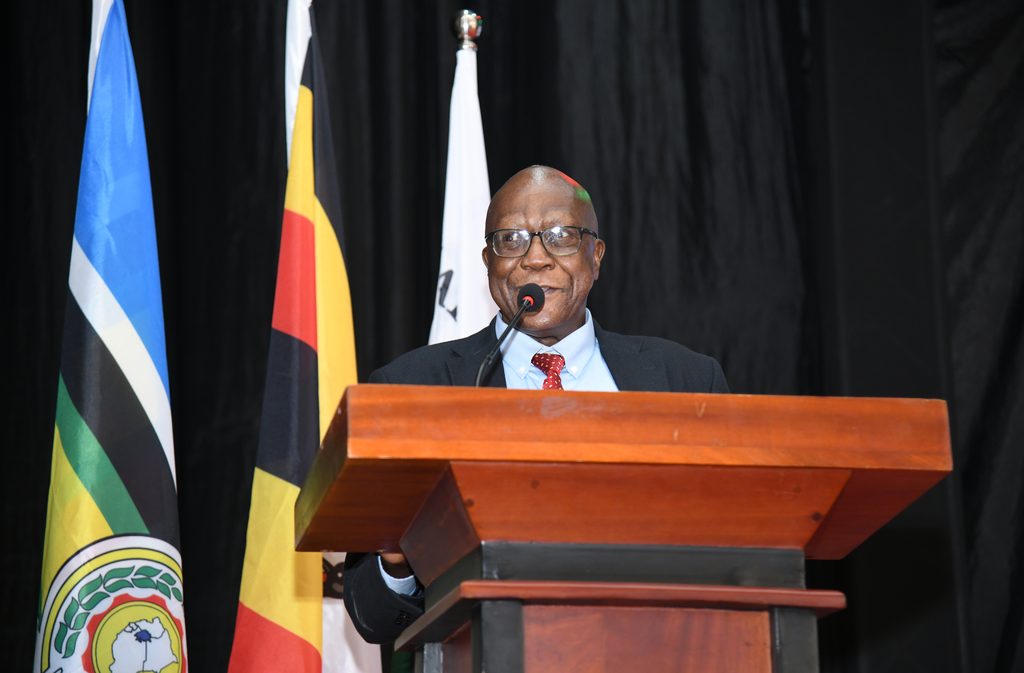
Khadiagala said the study also contributes to the debate on African solutions to African problems by examining how African experiences and resources can be used to build mediation institutions. He described the mission as an example of African agency because African countries took the initiative to engage in a conflict outside the continent. “We will invite ourselves. We will go in as a weaker party. We will go in using our own moral force as Africans, the power of the weak,” he said. He argued that the experience, whether successful or not, provides lessons that African countries can apply to peace building efforts elsewhere.
Dean of the School of Social Sciences Dr. Justus Twesigye described the occasion as a major achievement for the school and congratulated Professor Kasaija Apuuli for reaching the highest level of academic growth. He said Apuuli had helped clear the path for younger academics through his mentorship, teaching and service. “You have cleared this path for all of us, and we know that you are going to continue doing the excellent job you are doing of mentoring us and inspiring us to make sure that we succeed,” Twesigye said. He also urged students to draw inspiration from the professor’s achievement and recognise that academic excellence is attainable through commitment and hard work.
Apuuli examines Africa’s peace mission to Russia and Ukraine
In his inaugural lecture, Professor Phillip Kasaija Apuuli examined the 2023 African Peace Mission to Ukraine and Russia, focusing on geopolitics, African agency, African international relations and mediation.
The mission involved six African countries , Egypt, South Africa, Zambia, Uganda, the Republic of Congo and Senegal , and presented a ten-point peace proposal addressing dialogue, de-escalation, sovereignty, security guarantees, supply chains, the release of prisoners of war, post-war reconstruction and continued African engagement.
Apuuli said the mission was ultimately constrained by a number of factors, including the timing of the intervention, lack of leverage and the absence of a sufficiently detailed peace proposal. “You cannot resolve a conflict if the belligerents still think that they can win on the battlefield,” he said. He also questioned whether the six-country mission could legitimately speak for the entire African continent without formal backing from the African Union. “The African Union is not comprised of six countries. The African Union is comprised of 55 countries but it’s only six which went,” Apuuli said.
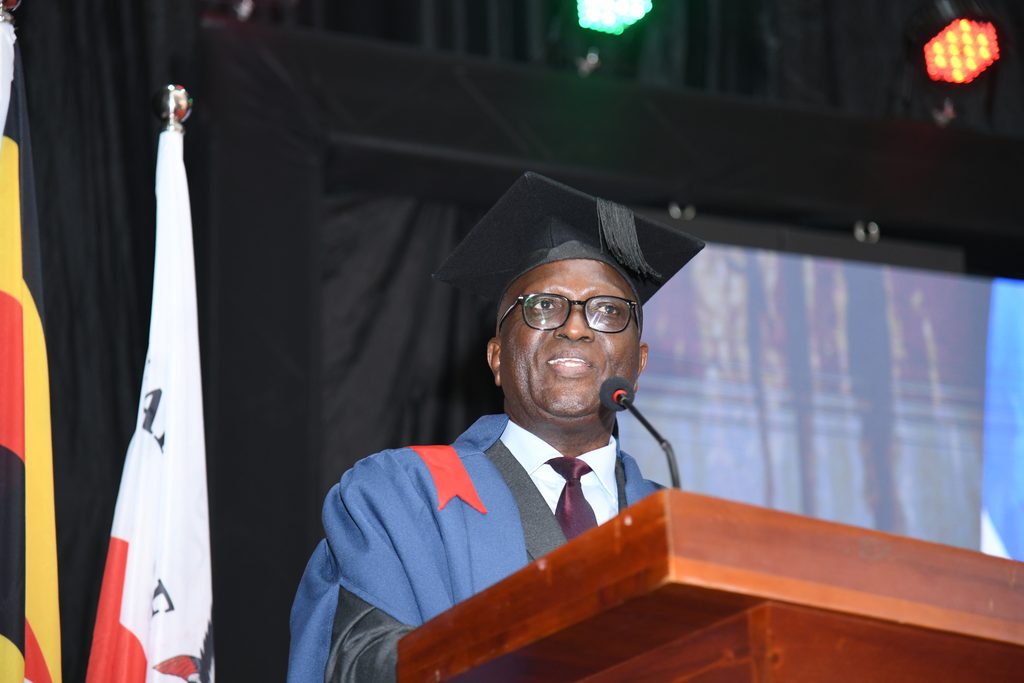
Despite the shortcomings, he argued that the mission remains significant in understanding Africa’s role in global affairs. “This is part of the African agency. So meaning that yes, the APM undertook this mission,” he said.
The lecture placed Africa’s role in international peace building at the centre of a wider academic discussion about whether the continent can move from being an observer in global affairs to an active participant in shaping international peace and security.
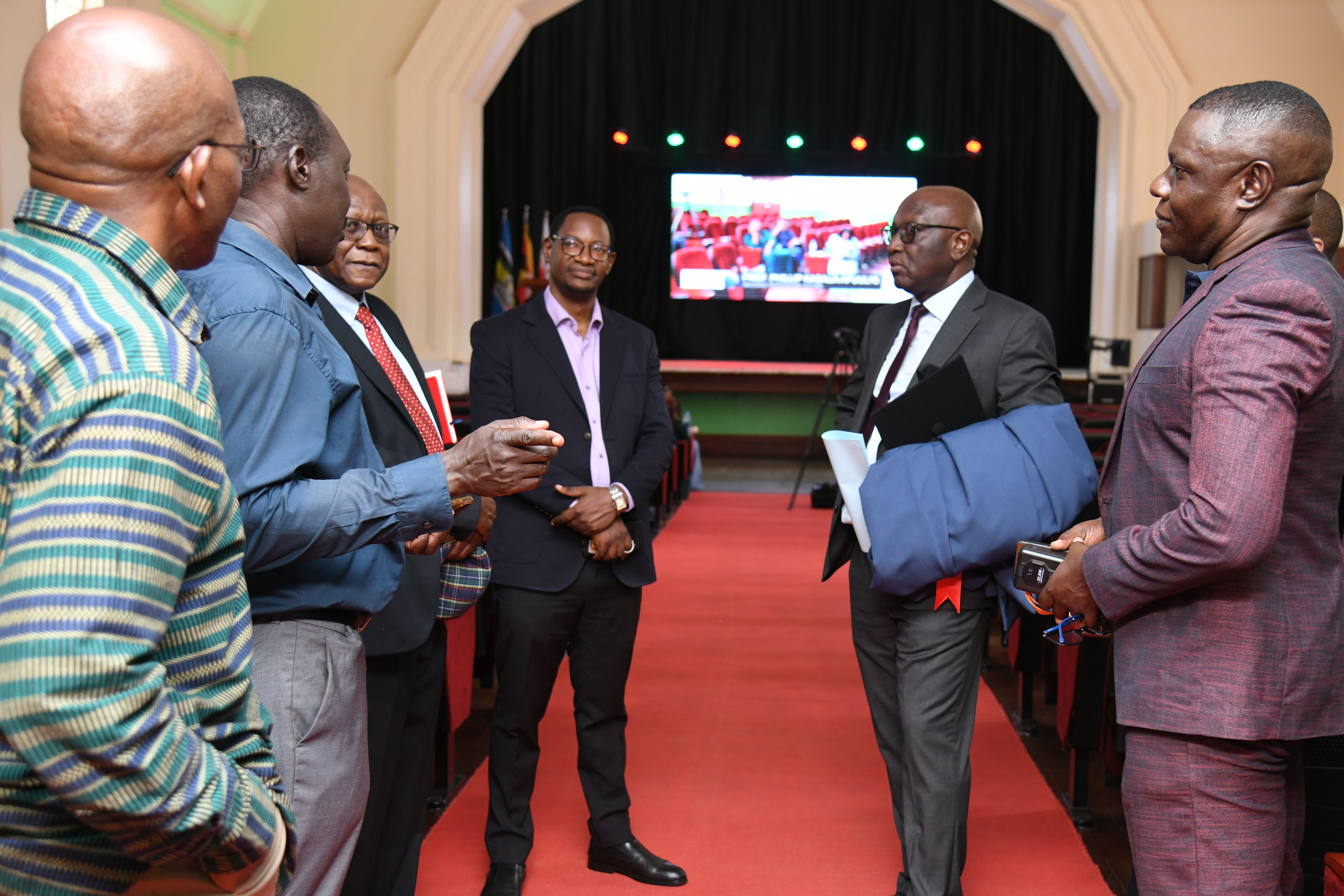
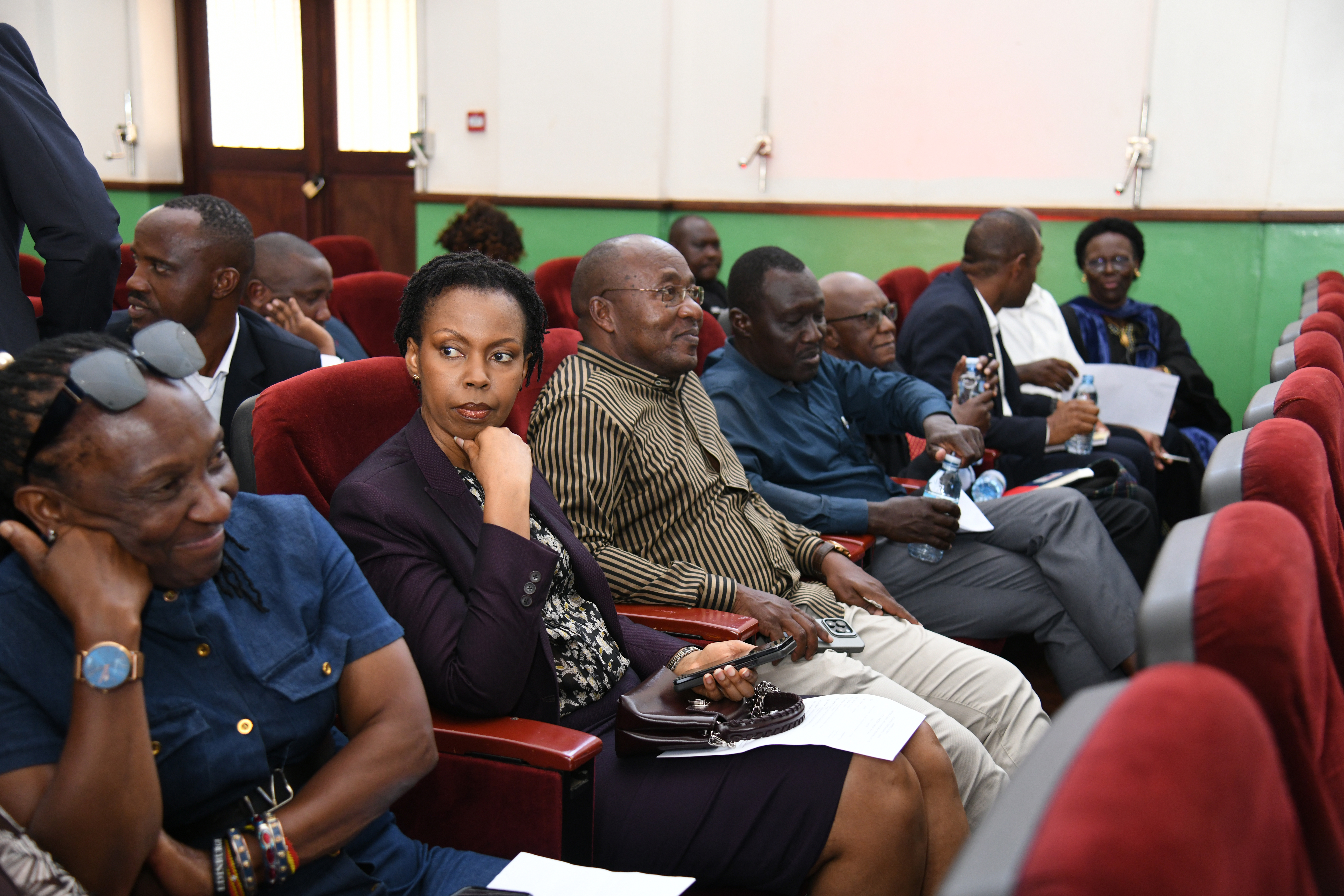
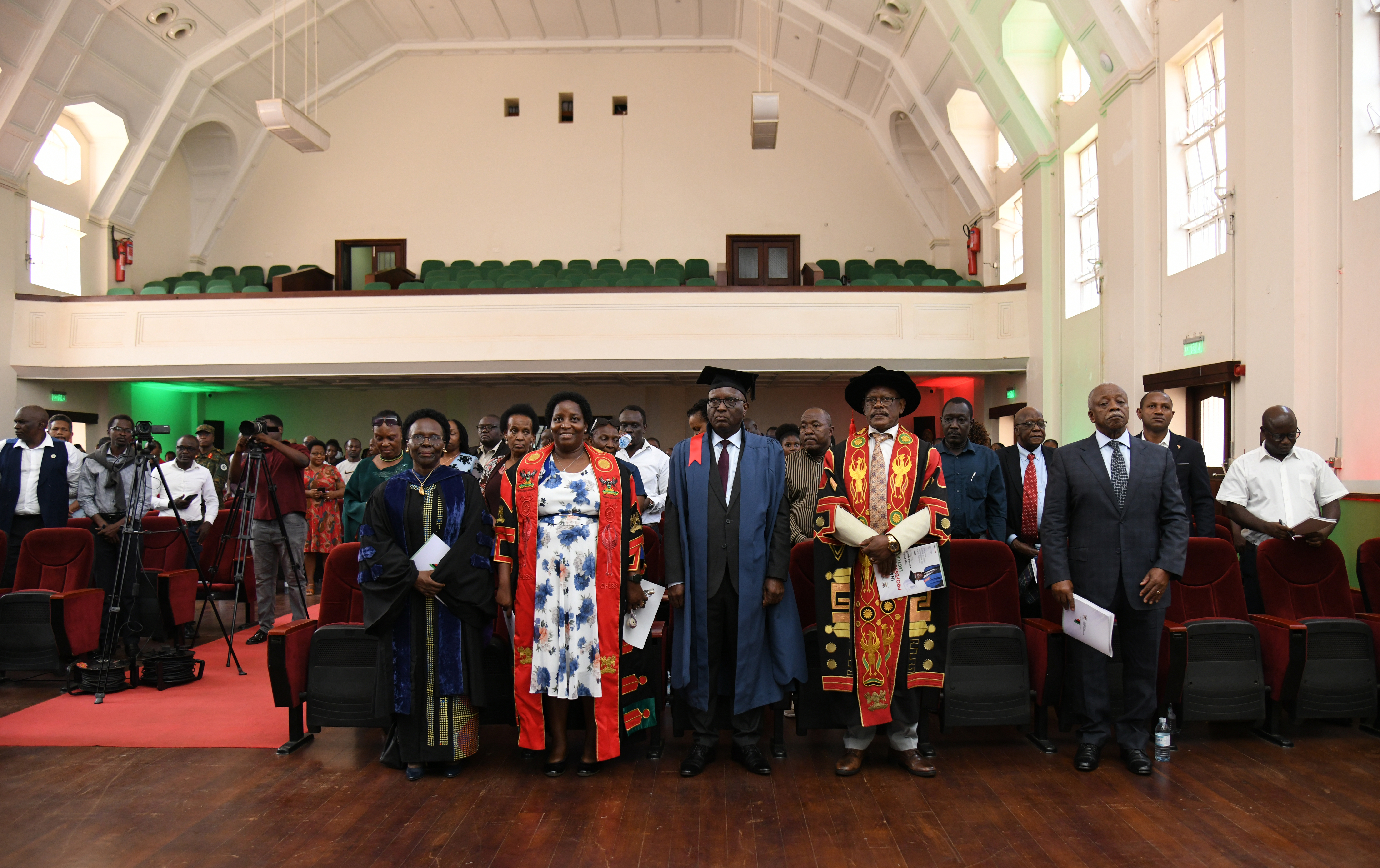
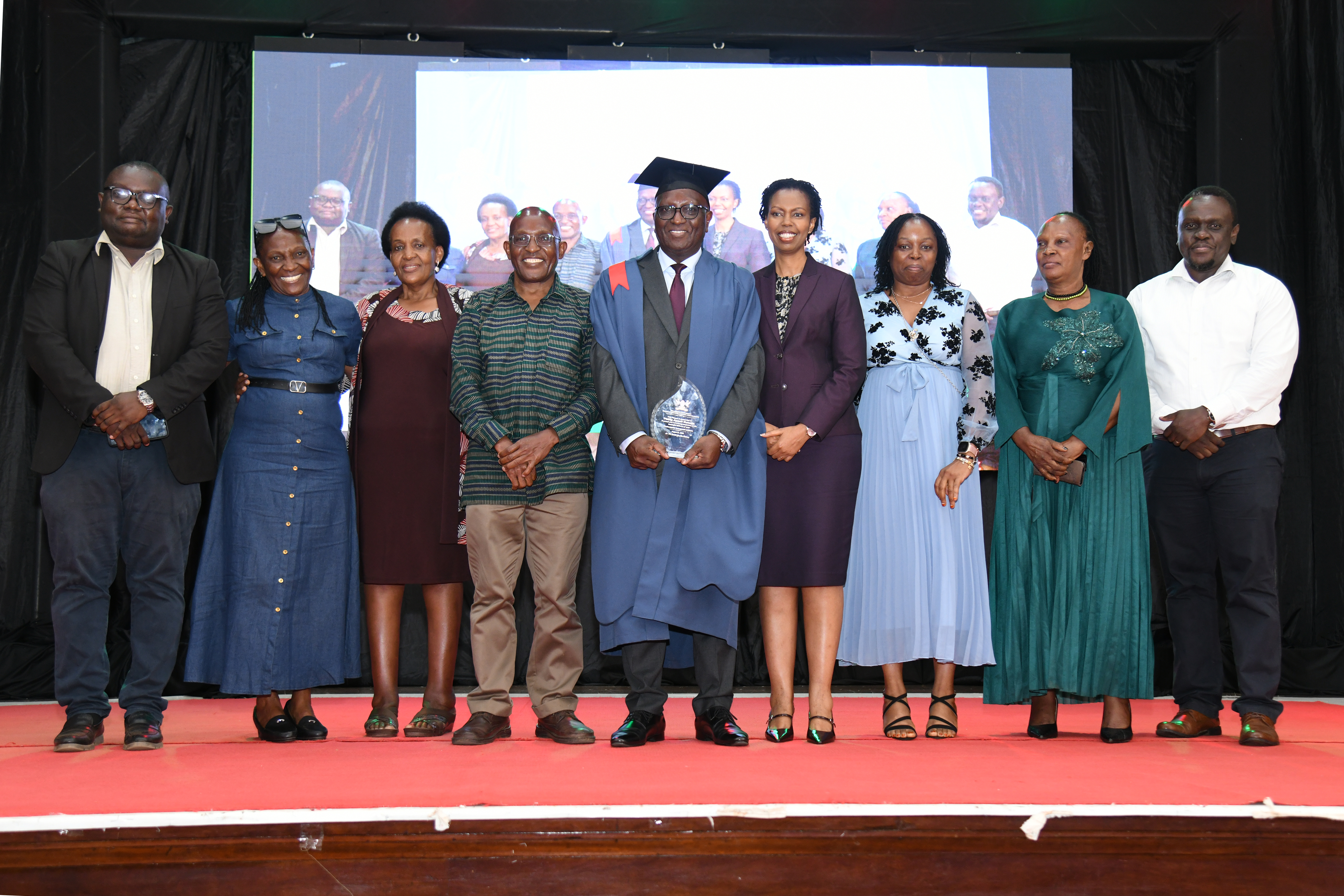
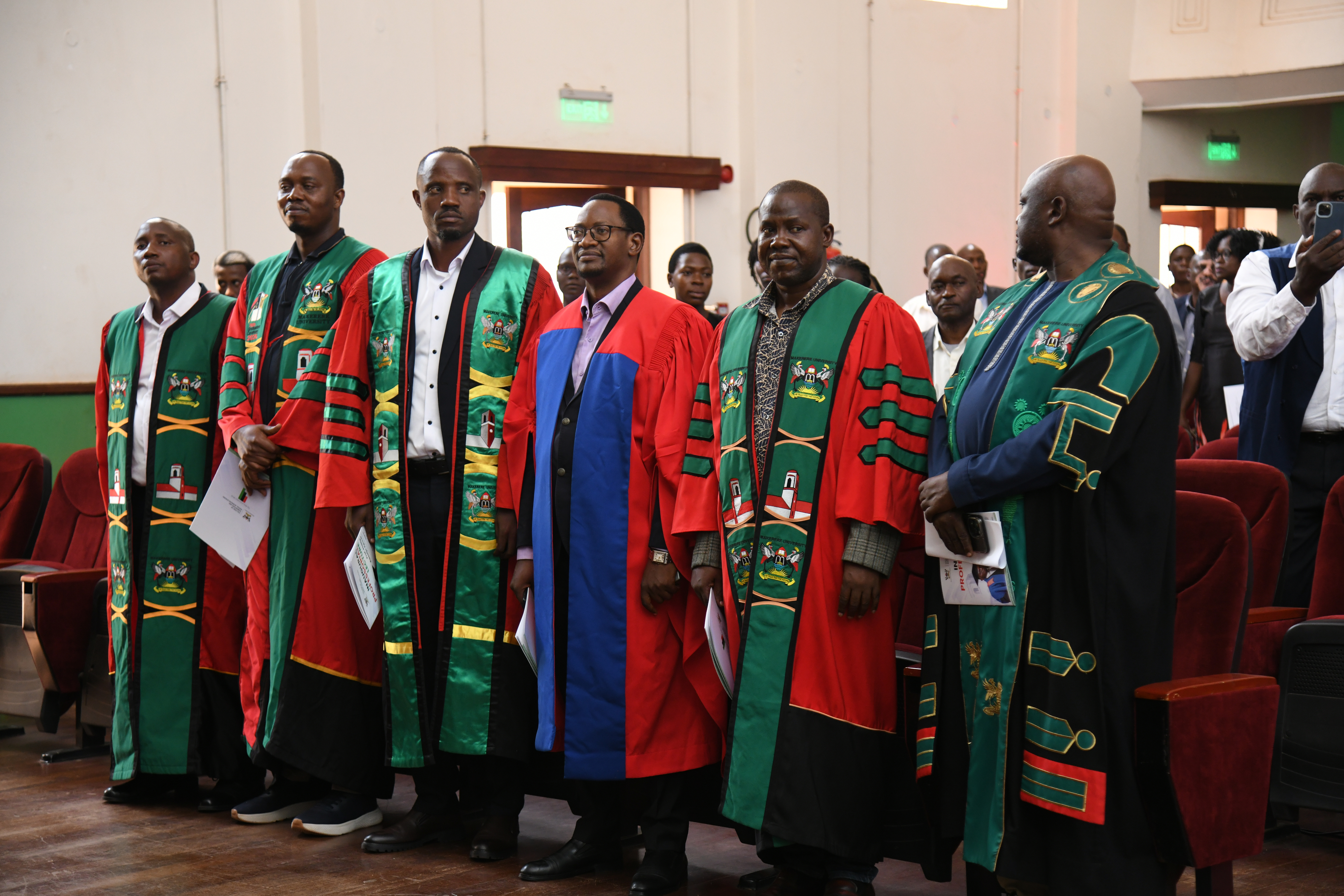
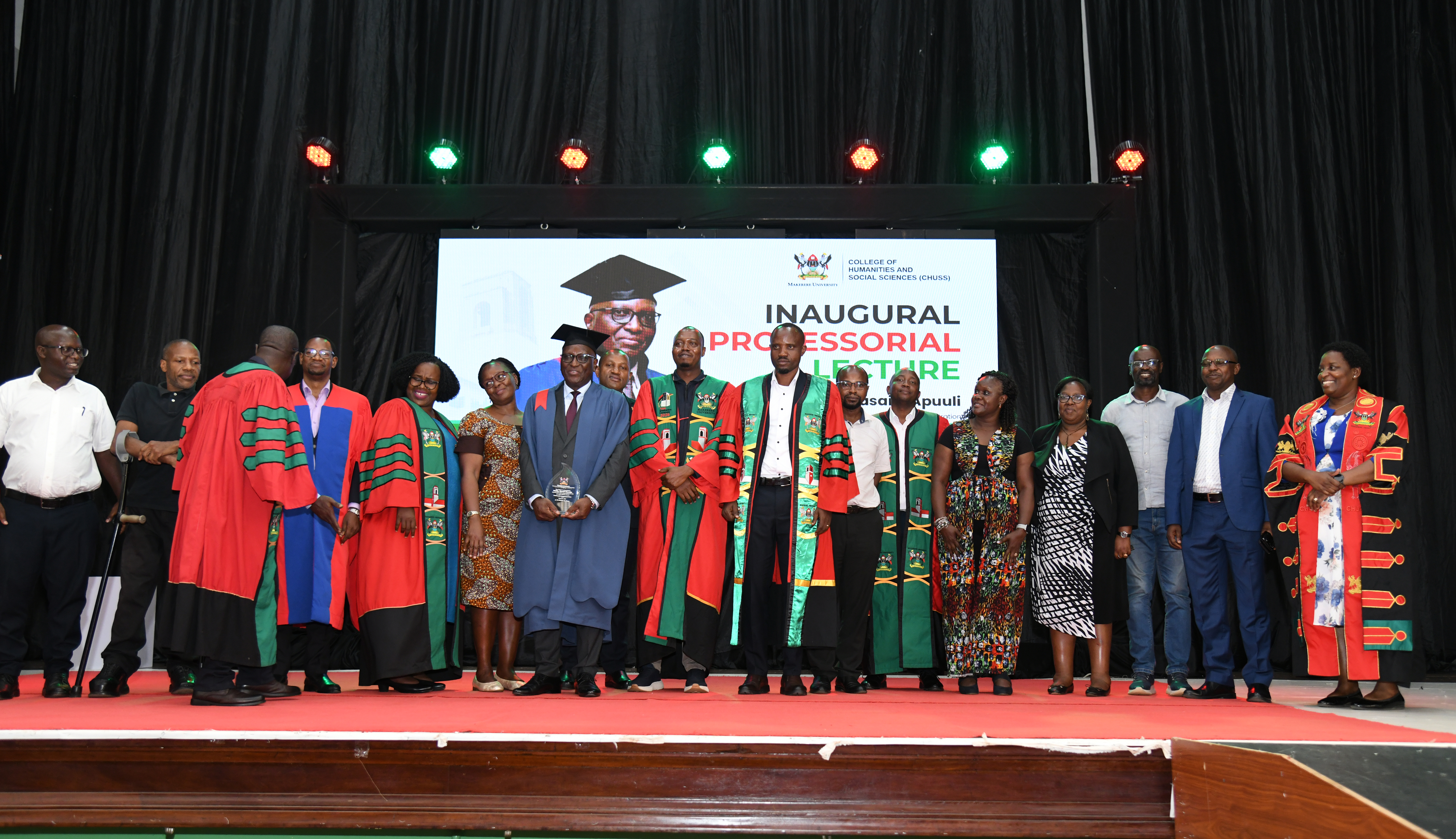
The ceremony brought together Makerere University leaders, academics, students, former classmates, international scholars and distinguished guests to celebrate Professor Kasaija Apuuli’s academic achievement and contribution to scholarship on peace, conflict, mediation and international relations.