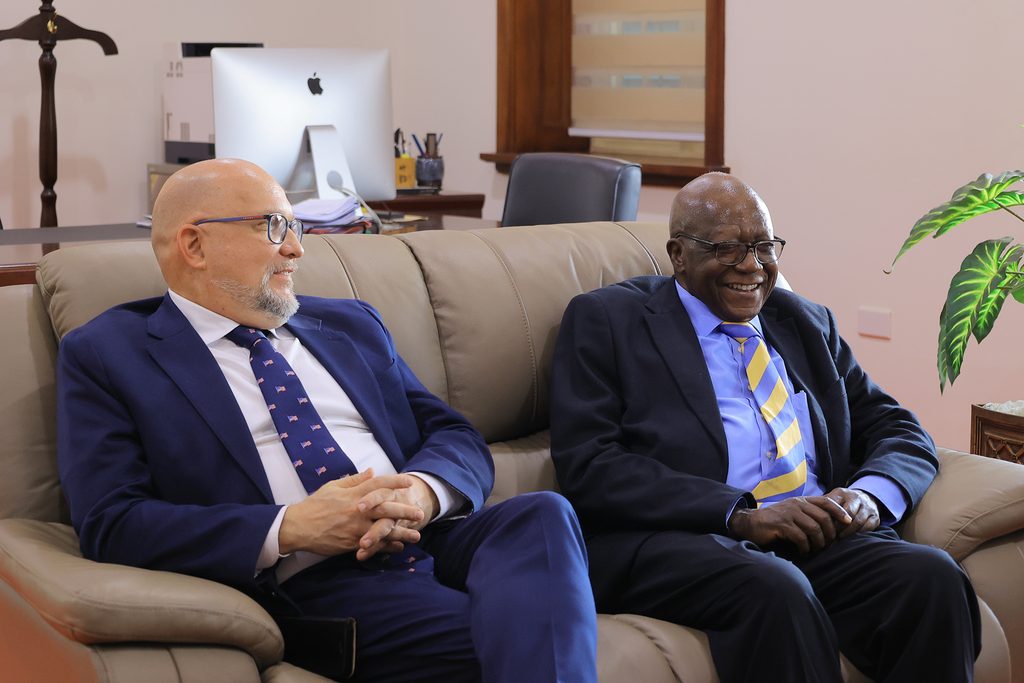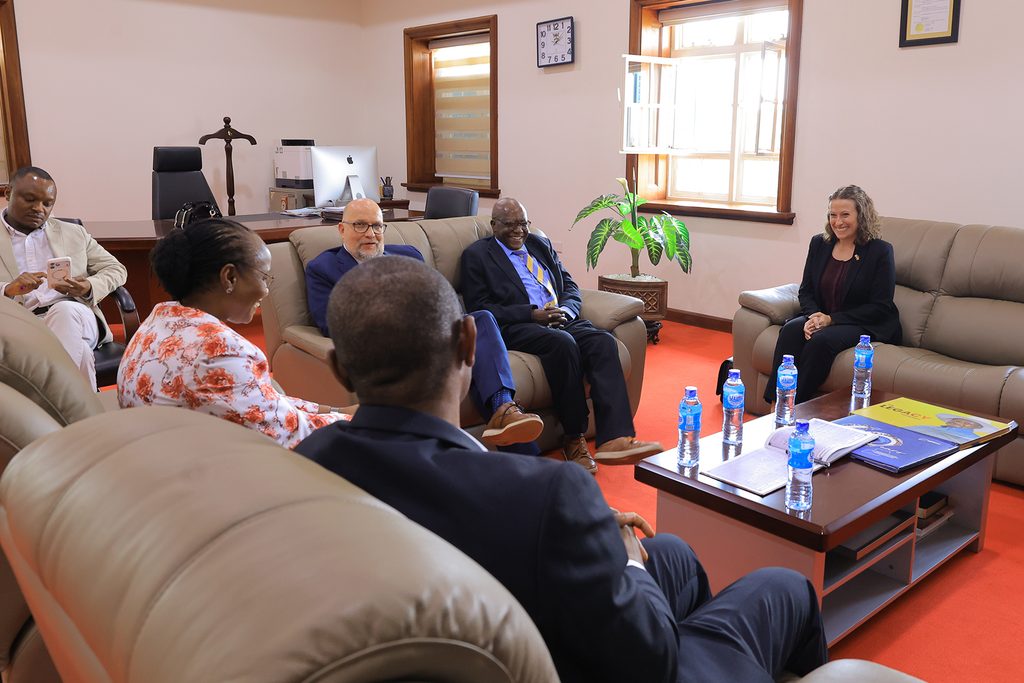
Witswatersrand University emeritus professor says Africa can learn from 250 years of U.S. nation-building, but warns against copying its model
Africa must focus on building strong and durable institutions rather than relying on individual leaders, Professor Gilbert Khadiagala has said, urging African countries to learn from the United States’ long experience of nation-building.
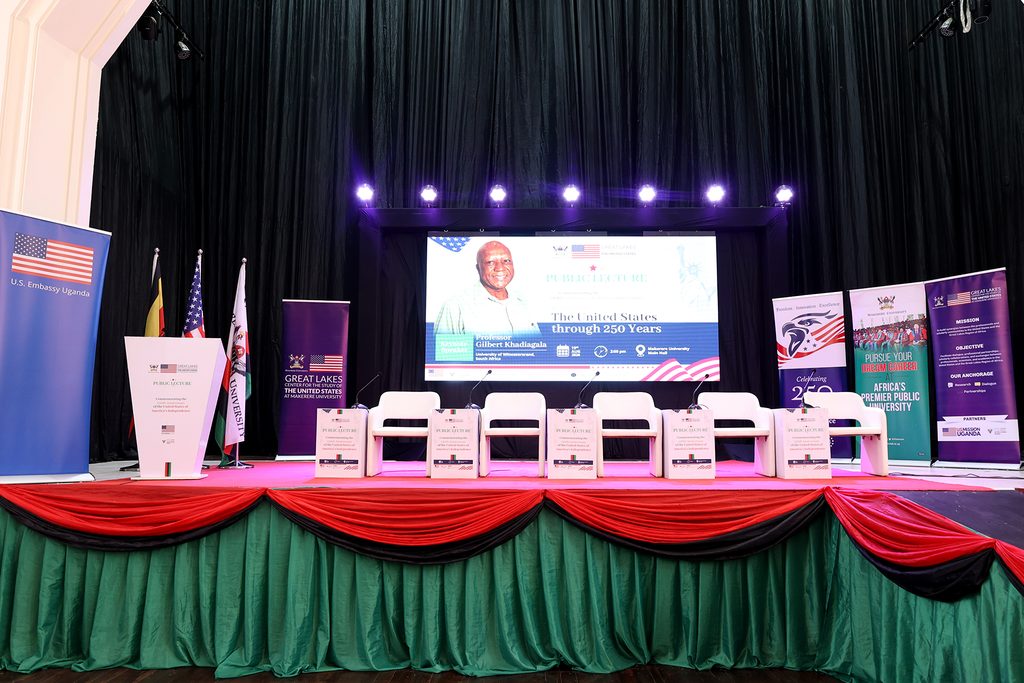
Khadiagala, Professor Emeritus of International Relations at the University of the Witwatersrand in South Africa, made the remarks on Wednesday, August 19, 2026, while delivering a public lecture at Makerere University in Kampala.
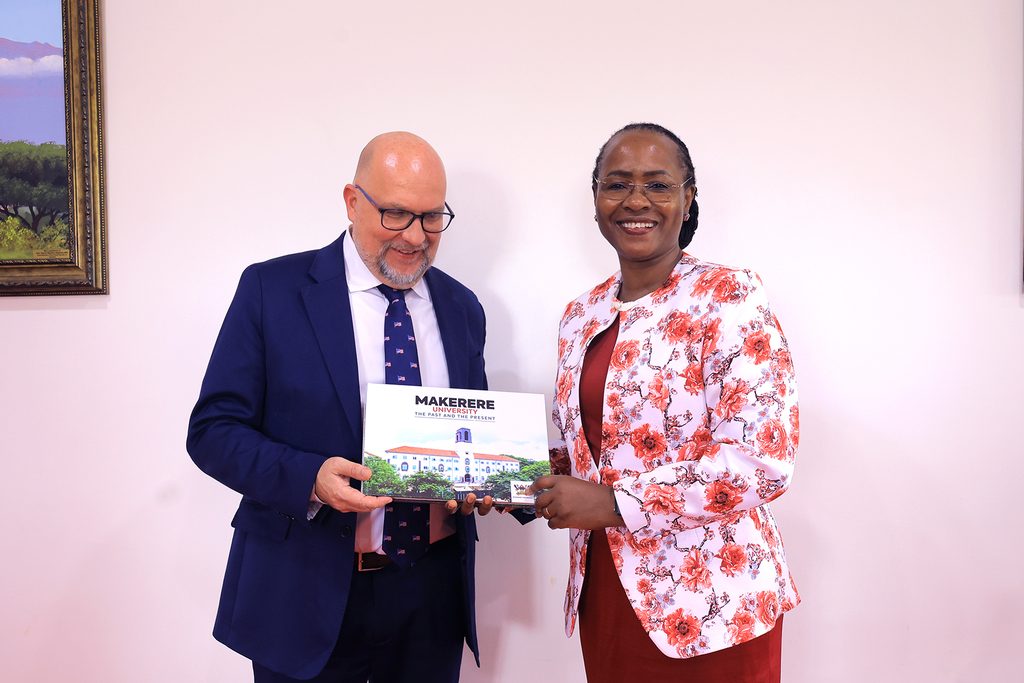
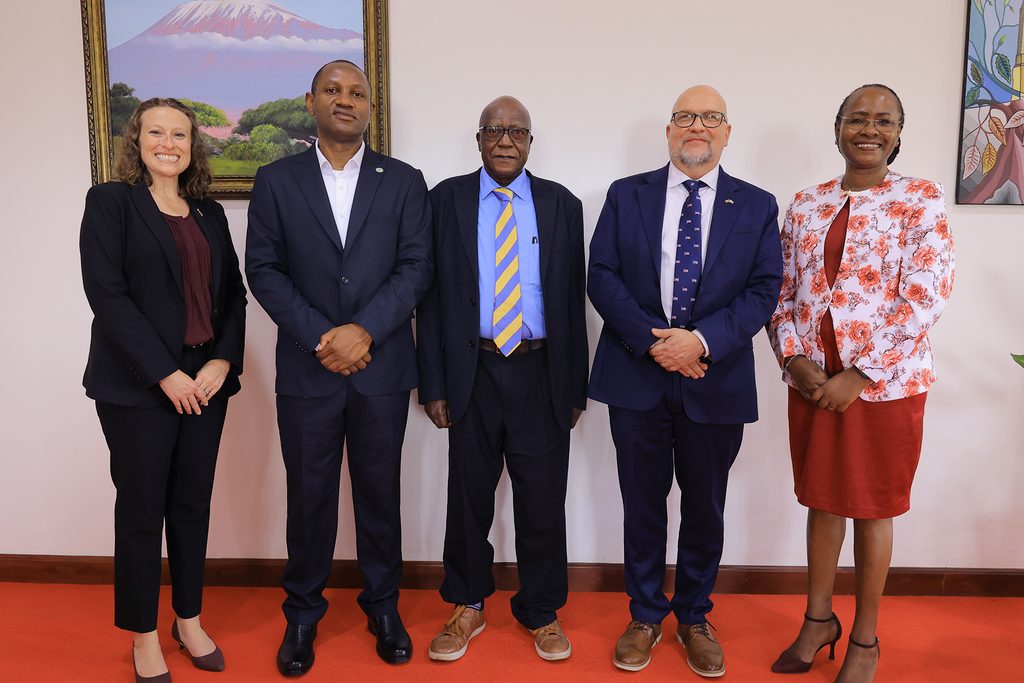
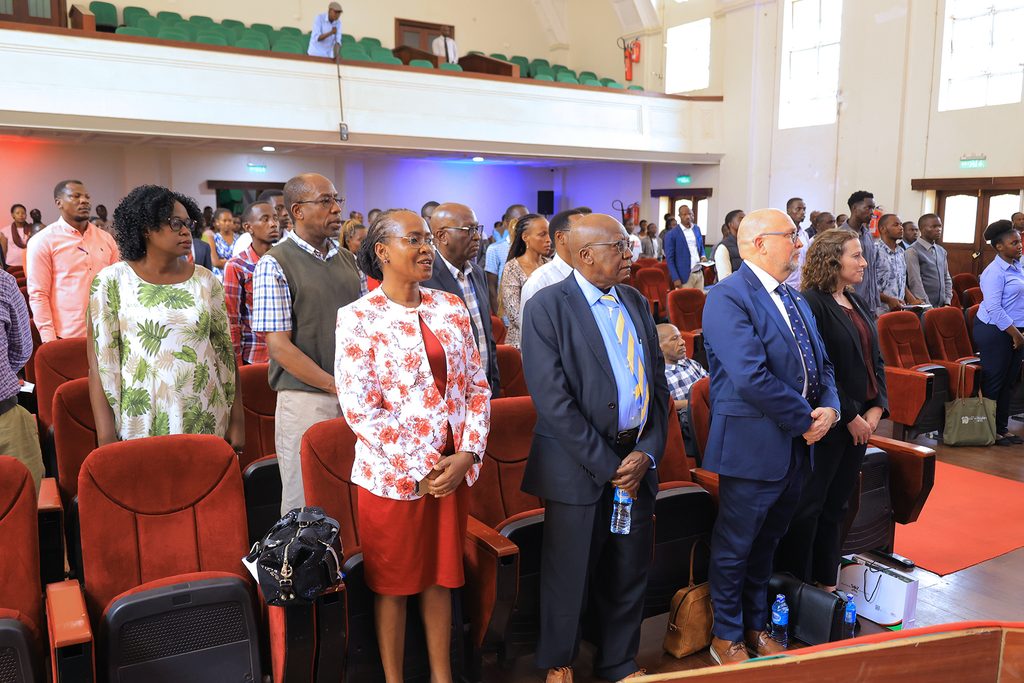
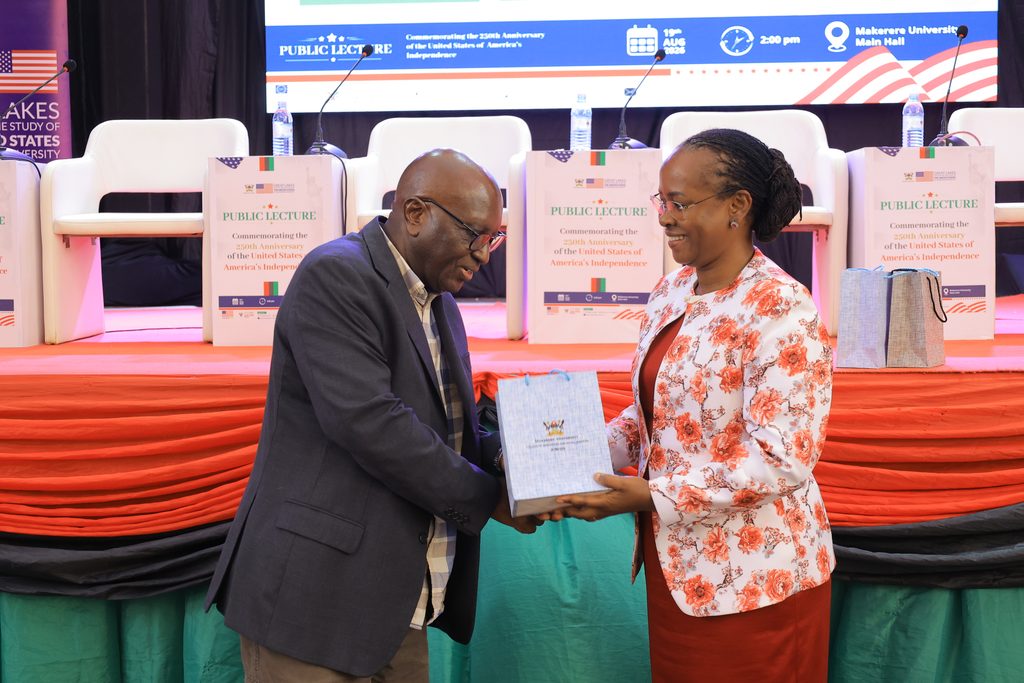
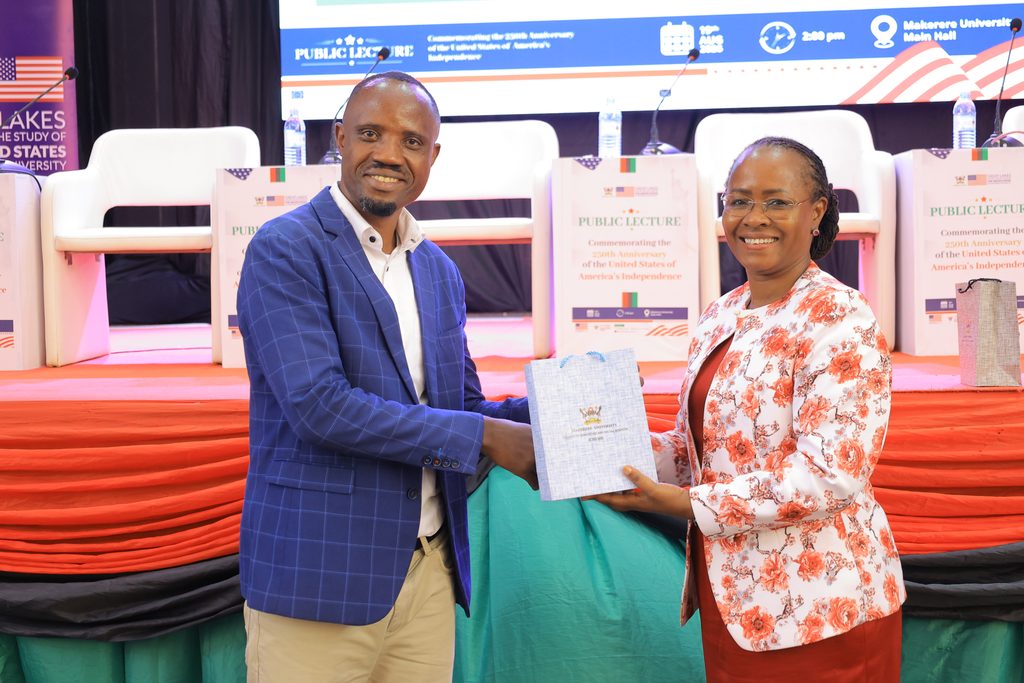
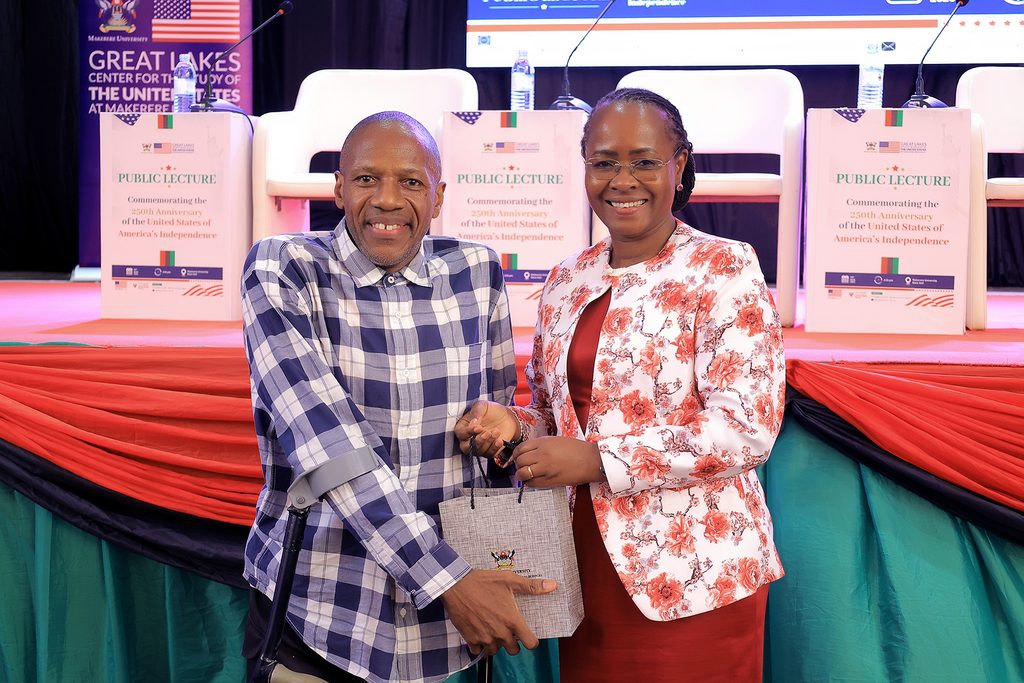
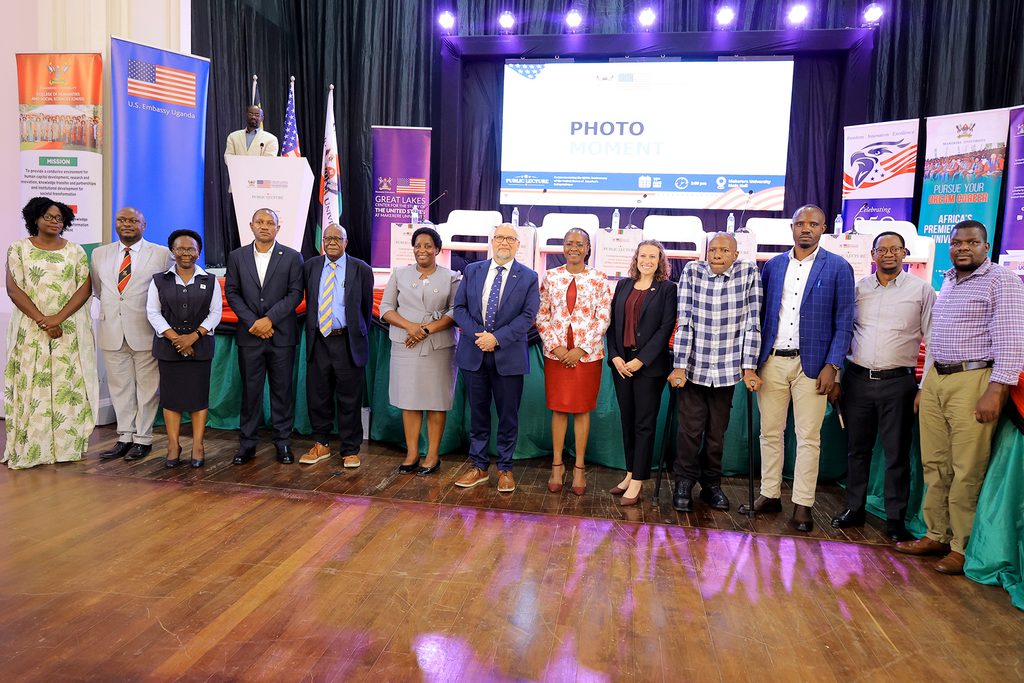
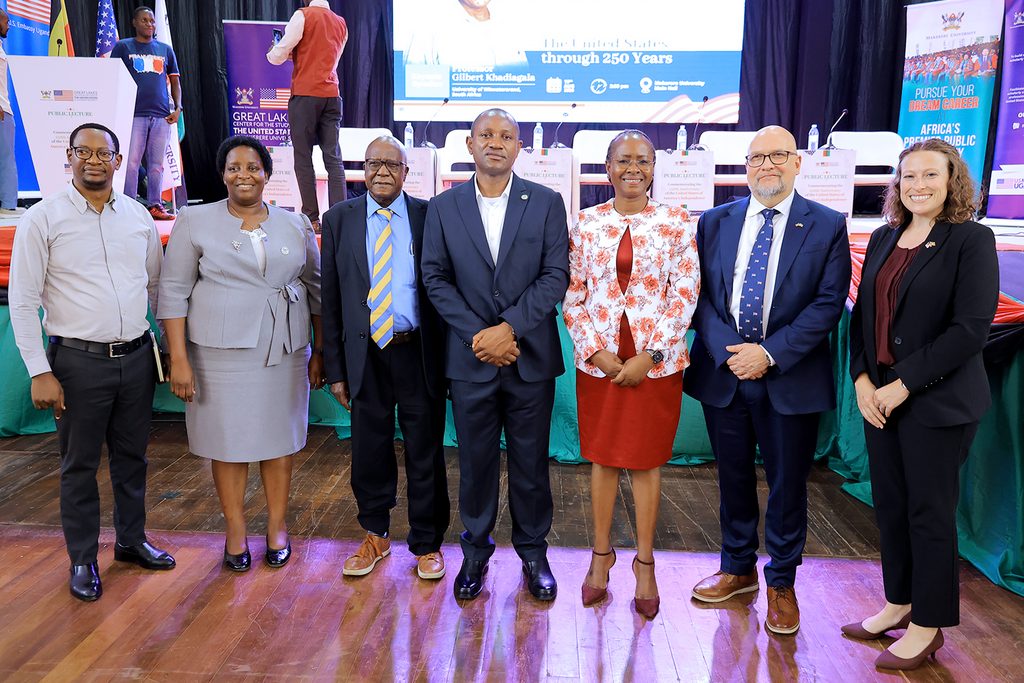
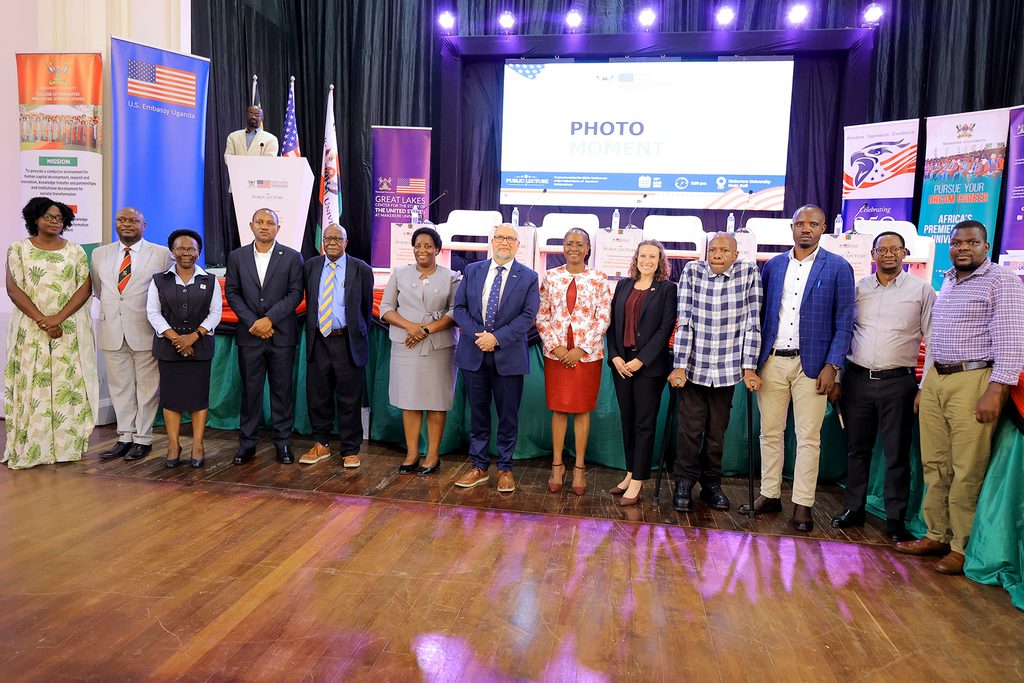
The lecture, organised by Makerere University’s Great Lakes Center for the Study of the United States in partnership with the U.S. Mission in Kampala, was held to commemorate the 250th anniversary of the independence of the United States.
Speaking under the theme “The United States through 250 Years: Celebrating and Learning from an Enduring Civilisation,” Khadiagala said the central lesson from the American experience was not the longevity of individual leaders, but the ability of successive generations to create, strengthen and preserve institutions.
“The bigger worry is what kind of institutions did we, the generations that came up in Africa, build to give us the kinds of long, durable futures that we are looking for,” he said.
Build institutions that outlive leaders
Khadiagala said the United States’ development had been driven by a balance between visionary individuals and institutions capable of surviving beyond those individuals.
He cited the American Declaration of Independence, the Constitution, the Federalist Papers, the abolition of slavery, the civil rights movement and the country’s emergence as a global leader as milestones in a gradual process of institutional development.
“The story is not a single document, the story is not a single individual,” Khadiagala said. “But in fact the energies of a lot of individuals, a lot of actors, but also, as I said, eventually the story is how solid, how steady are these institutions once these individuals in fact left the stage.”
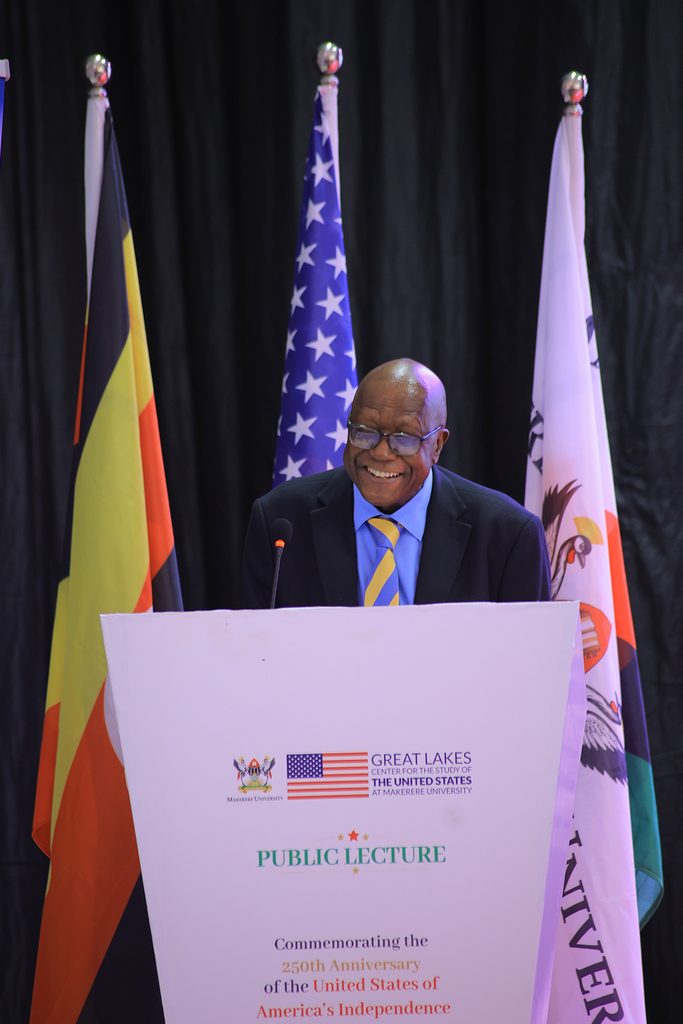
According to him, the founders of the United States translated their ideas and political visions into institutional frameworks that continued to operate long after their departure.
He said this was one of the most important distinctions Africa should consider when reflecting on its own political development.
Africa must examine its own institutional weaknesses
Khadiagala challenged African countries to examine why many of the ideas that inspired independence and Pan-Africanism in the 1960s have weakened over time.
He questioned whether the problem lay with the continent’s leaders, the ideas they advanced, or the failure to translate those ideas into durable institutions.
“If we had good ideas in the 60s, for instance, about nation building, about Pan-Africanism, where are these ideas today?” he asked.
He said many African countries had experienced civil wars, political instability and weak state institutions, raising questions about the continent’s ability to transform its political ideals into sustainable systems.
“Currently I think we begin to see, or we’ve seen in fact since the 90s, an Africa that was at civil war, an Africa that was at war with itself, with its own people, an Africa that has not been able in fact to create what we call a durable institution,” he said.
The professor urged African leaders and citizens to focus less on personalities and more on institutions that can withstand political transitions.
“We don’t worry too much about individuals, because individuals are going to come and individuals are going to go,” Khadiagala said.
He argued that strong institutions are essential for transforming Africa’s natural resources, youthful population and economic potential into sustainable development.
He said the continent could not fully benefit from its demographic dividend without investing in education, infrastructure and other basic institutions.
“We talk about the demographic dividend currently. How do we in fact harness the demographic dividend in Africa without functional education systems, without roads, without investment in the basic institutions?” he asked.
Learn from the U.S. without copying it
Khadiagala cautioned African countries against attempting to replicate the American system wholesale, saying the continent should instead study what has worked and adapt relevant lessons to its own circumstances.
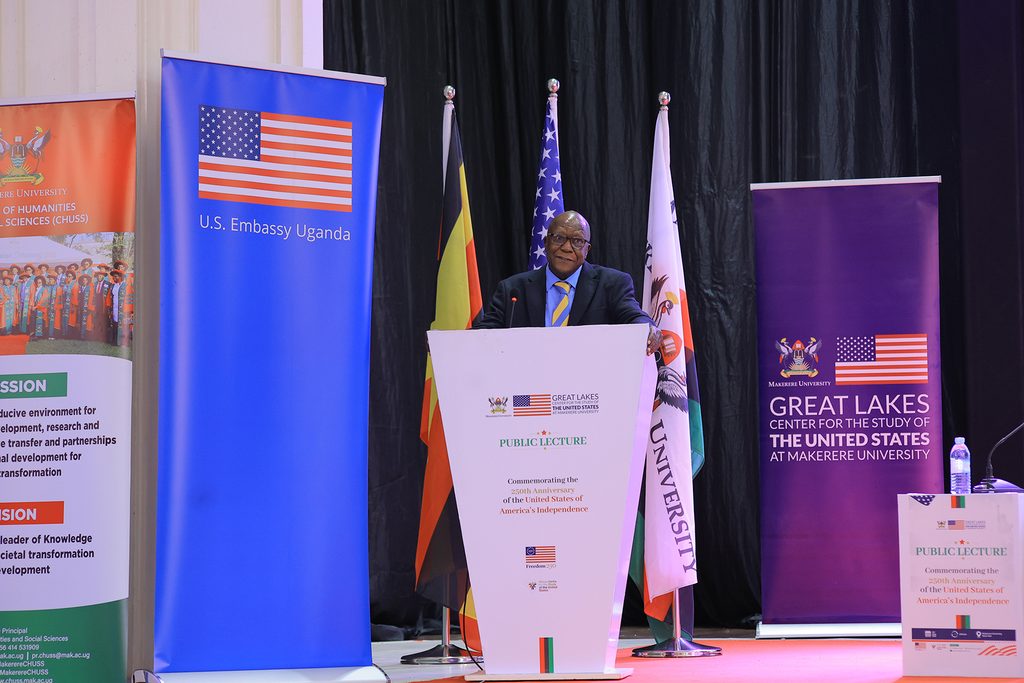
“We should avoid copying, but we should not be afraid of learning,” he said.
He described the American experience as a cumulative process in which successive generations built on earlier achievements, even while correcting the shortcomings of previous institutions.
He pointed to the abolition of slavery and the civil rights movement as examples of how later generations built upon earlier political achievements while addressing unresolved injustices.
Khadiagala said nation-building should be viewed as a gradual process rather than something that can be achieved through a single leader or political event.
“The incremental process that I’m describing here of nation building is what I call a cumulative process, occurring over generations, over so many years,” he said.
He urged African countries to identify institutions that work, strengthen them and build progressively on their successes.
“The bigger worry is we should be learning lessons from what works. We should be learning lessons from what we call the tested methods of building new institutions,” he said.
A lesson for Africa’s next generation
Khadiagala also placed emphasis on Africa’s young people, saying governments must invest now in the institutions that will prepare the next generation to assume leadership.
He argued that the continent’s future depends not simply on producing new leaders, but on creating systems within which those leaders can succeed.
“When they are ready to take up this leadership role, they are going to be ready for these leadership roles, but we don’t seem to be doing enough in creating the kinds of institutions at the very moment, the investments at the very moment, that will give us a sense of how over the next 25 years are these young people going to look like when they take up leadership roles,” he said.
The lecture formed part of the Great Lakes Center for the Study of the United States’ broader efforts to promote research, academic exchange and public dialogue on U.S.-Africa relations.
Established with support from the U.S. Mission in Kampala, the Centre is also undertaking research into Uganda-U.S. relations since 1945.
Khadiagala concluded by saying that Africa could draw valuable lessons from the United States’ 250-year institutional journey while developing its own path.
The key lesson, he suggested, is that lasting nations are built not around individuals, but around institutions strong enough to survive them.
Understanding, not agreement, should drive Uganda-US Relations
Attaché Mikael Cleverley says deeper knowledge of each other’s histories and institutions is key to stronger international partnerships
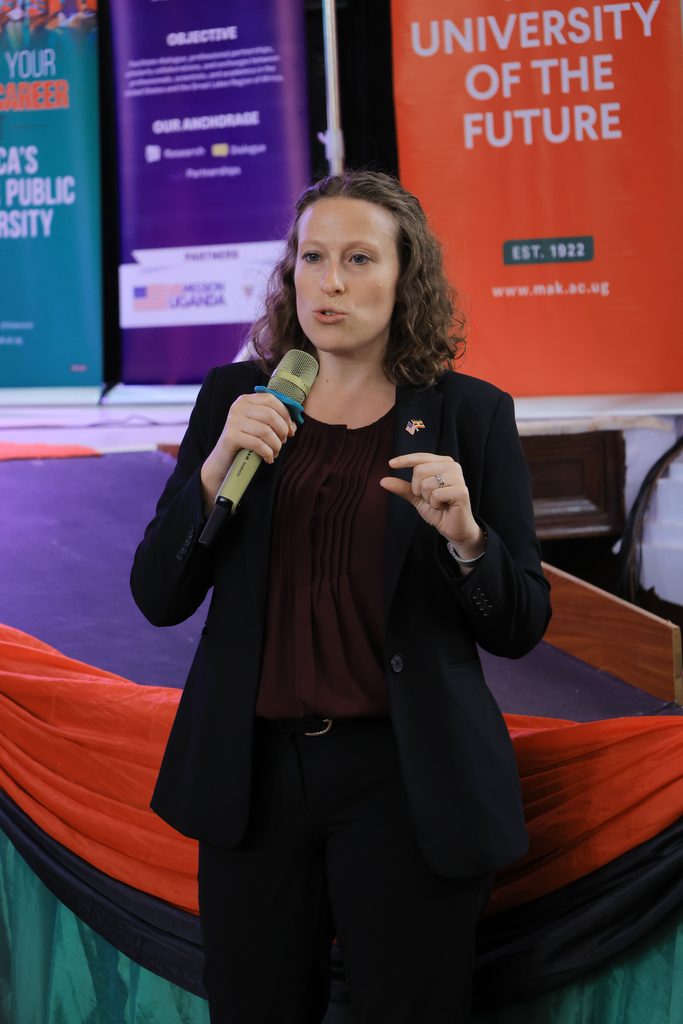
The United States called for deeper understanding between countries as a foundation for stronger international relations, saying productive partnerships are built not merely on agreement but on a clear appreciation of each other’s history, institutions and perspectives.
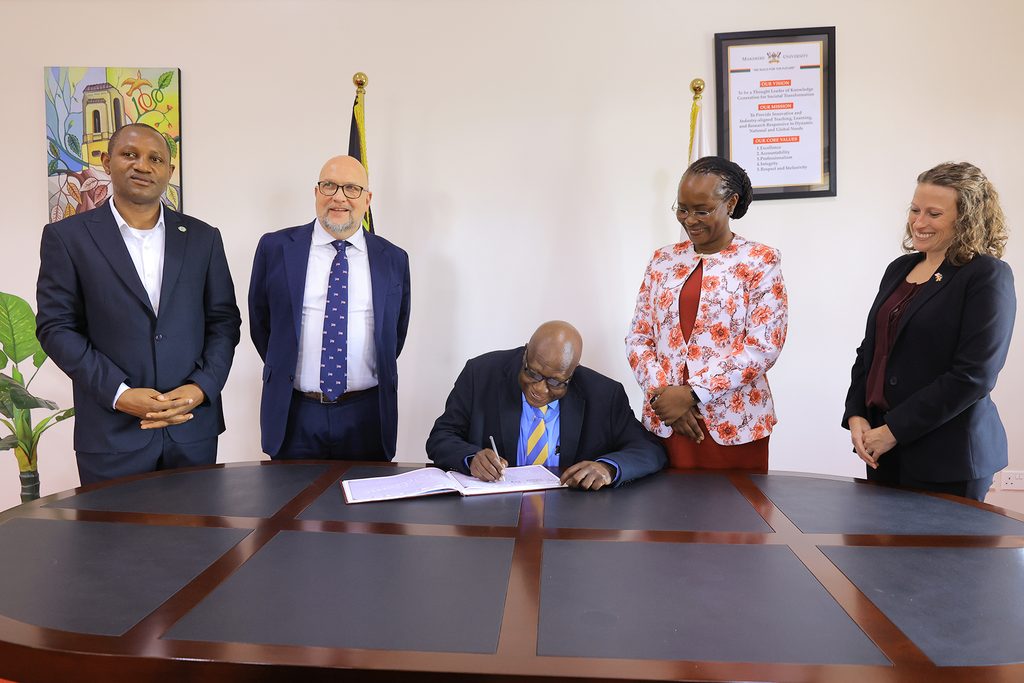
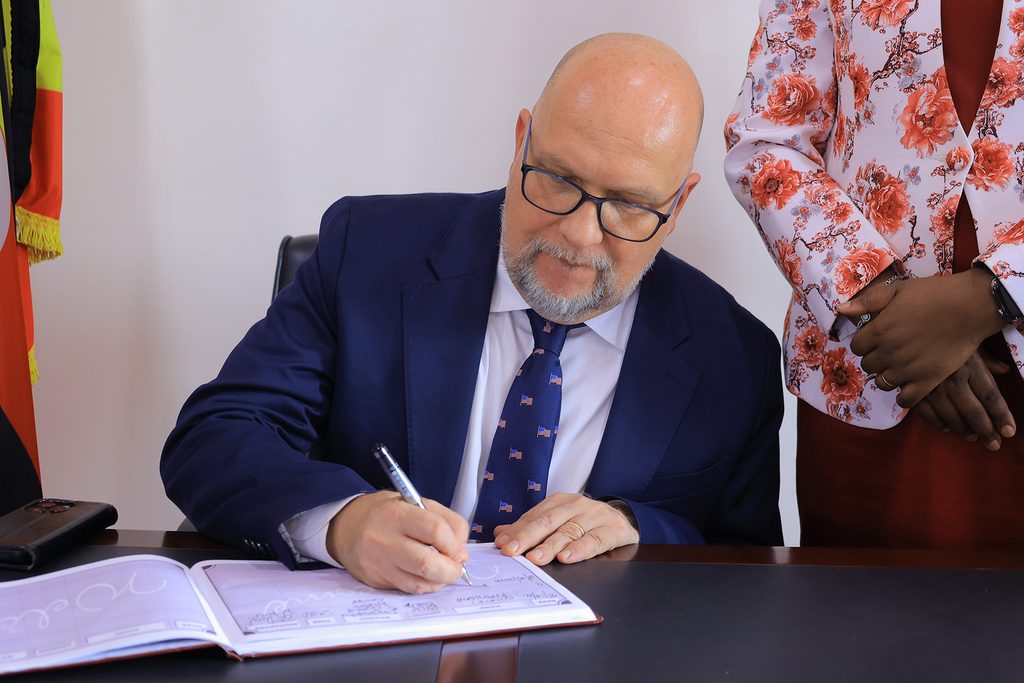
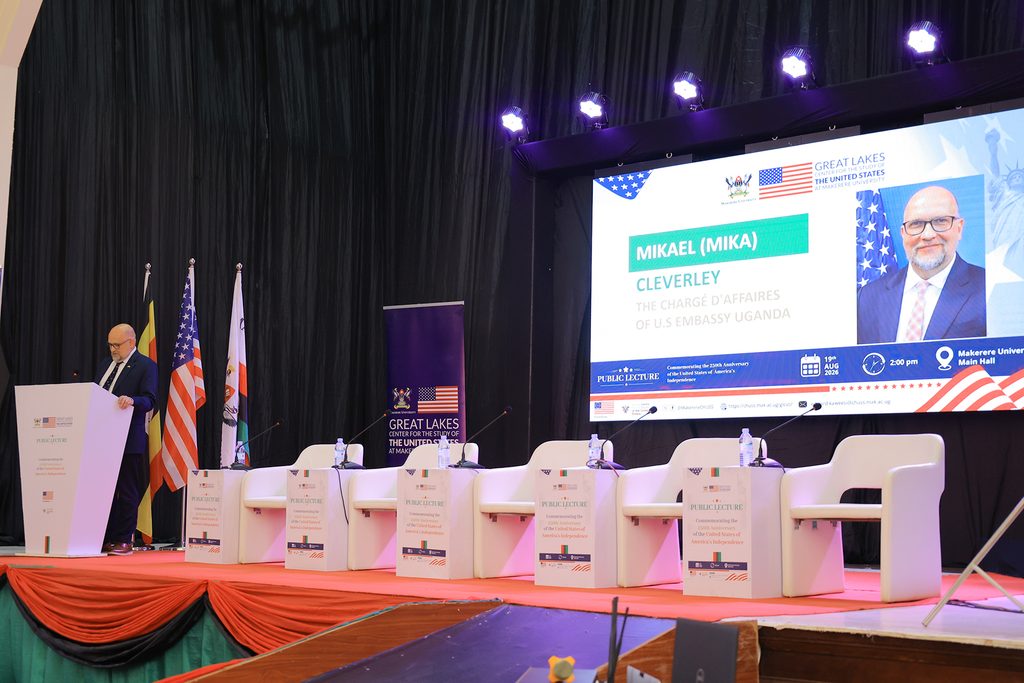
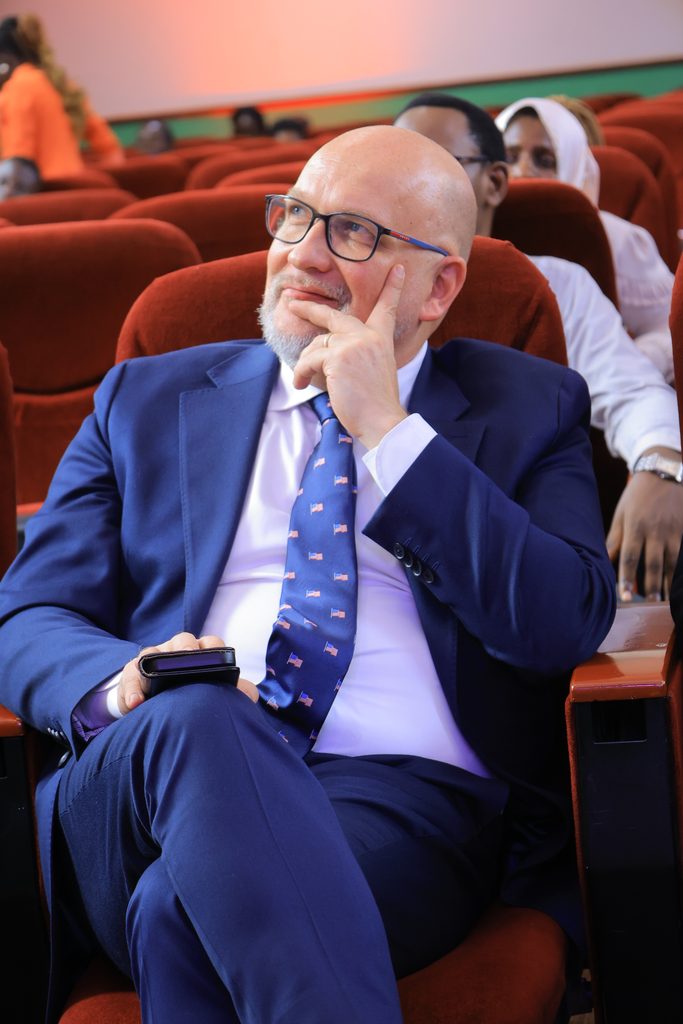
Mikael Cleverley, an attaché at the U.S. Embassy in Kampala, made the remarks on Wednesday during a public lecture at Makerere University to commemorate the 250th anniversary of U.S. independence.
Cleverley said the Great Lakes Center for the Study of the United States at Makerere University was playing an important role in strengthening mutual understanding between Uganda and the United States through research, academic exchanges and dialogue.
“Productive international relations, I believe, stem not from common agreement, but from common understanding,” Cleverly said.
Cleverley praised Makerere University for hosting the Centre, describing it as the first of its kind in the Great Lakes region.
He said the Centre’s work went beyond an academic exercise because it could help create a stronger foundation for relations between Uganda and the United States.
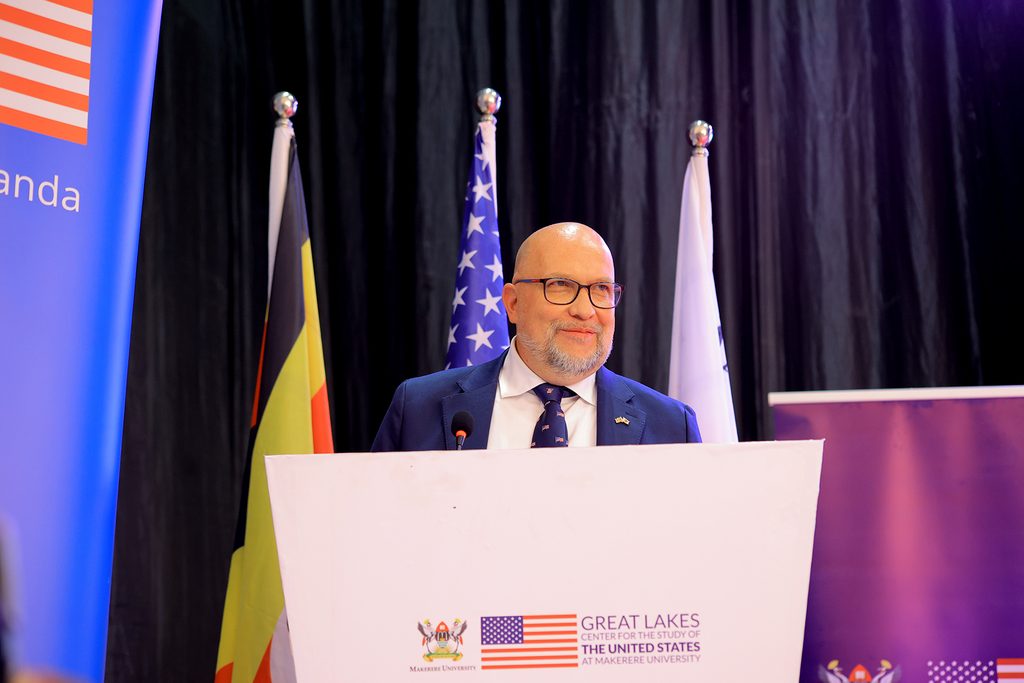
“What is taking place here at the Centre, and what is taking place here at this event, and what you are doing in general, is not just an academic exercise,” he said.
“It is something far greater than that, which stems to bringing two countries together by building that common understanding.”
He said the Centre provided a place where scholars and students could examine the United States from different perspectives and generate knowledge that could strengthen future partnerships.
‘America cannot be reduced to one conclusion’
Cleverley said his own understanding of the United States had evolved throughout his life and diplomatic career, shaped by different family backgrounds and professional experiences.
He described how his mother, a Finnish immigrant, viewed the United States through the experience of post-World War II Europe, while his father viewed the country through the history of immigrant ancestors who settled in America generations ago.
The contrasting perspectives, he said, taught him that countries could not be understood through a single lens.
“My appreciation for its complexity has only increased over time and grown, and neither its history nor its present can be easily reduced or simplified to a single declarative sentence or conclusion,” he said.
Cleverly urged academics and students studying the United States to continue exploring the country through multiple lenses, including its history, culture, economy, diplomacy and society.
“The foreign policy lens is only one lens to understand our country,” he said, adding that understanding Americans required looking beyond foreign policy.
Understanding America’s founding ideals
Cleverley also reflected on the Declaration of Independence of 1776, saying the document represented an experiment in self-government whose consequences had extended far beyond the United States.
He recalled the story of John Dunlap, a Philadelphia printer who produced some of the first printed copies of the Declaration of Independence.
According to Cleverly, the founders could not have known whether the new nation would survive, but they committed themselves to an idea that people could govern themselves.
“They pledged, in the document’s final words, ‘our lives, our fortunes, and our sacred honor,’ to an idea that had never been tried before at that scale, which was that people could govern themselves,” he said.
He said the United States had since faced civil war, economic crises and other challenges, but successive generations had continued to debate and refine the country’s institutions.
“250 years later, that idea has outlasted empires,” he said.
‘America’s independence is not only an American story’
Cleverley said the relevance of the U.S. independence anniversary extended beyond American borders.
He argued that the anniversary offered an opportunity for other countries to reflect on ideas such as legitimate government, civic participation and the durability of institutions.
“America’s independence has never been only an American story,” he said.
“It is a story about the idea that legitimate government flows from the consent and involvement of the people. It is a story about the durability of institutions, and the belief that ideas that are tested, that are debated and approved, can build more lasting prosperity and peace.”
He said understanding the origins of the United States was also important for understanding its present-day political debates and foreign policy.
US offers partnership through innovation and rule of law
Cleverley said the United States’ international partnerships were also informed by values and practices that had contributed to its economic and institutional development.
He cited innovation, entrepreneurship, business, transparency, the rule of law, philanthropy and volunteerism among the areas that the United States brings into its international partnerships.
“When companies, organizations, institutes, governments choose to partner with us, whether it’s in Uganda or anywhere else, I believe they tap into these fundamental building blocks or ingredients that, in my view, contributed and continue to contribute to American prosperity and growth, and that that prosperity and growth can be shared,” he said.
A nation still being built
Cleverley cautioned against viewing the United States as a finished project, saying its 250-year history was instead a continuing process of building, debate and reform.
He said Americans had inherited an “unfinished” country and a set of tools with which successive generations continued to improve it.
“Not a finished story, but what is it making? Not a foregone conclusion, but something with infinite promise and possibility,” he said.
He added that the founding of the United States was not the achievement of one individual or one historic moment, but the result of contributions by many people.
“The founding of the United States was not the work of a single person or a single moment, but it’s the work of many hands, many voices, and many small acts of courage,” he said.
Cleverley concluded by commending Makerere University and the Great Lakes Center for its work in building a growing community of scholars studying the United States.
He said he looked forward to seeing the Centre expand its research partnerships and academic exchanges as Uganda and the United States deepen their engagement.
Makerere seeks stronger US academic partnerships to drive Competence-Based Education
Prof. Sarah Ssali says Great Lakes Center can deepen research, student exchanges and collaboration between Makerere and US universities
Makerere University called for stronger academic partnerships with universities in the United States to support its transition to competence-based teaching and learning and advance its ambition of becoming a research-led institution.
Prof. Sarah Ssali, the Deputy Vice-Chancellor in charge of Academic Affairs, made the call while representing the Vice-Chancellor . Ssali said Makerere could benefit from the considerable experience of American universities in implementing competence-based approaches to teaching and learning.
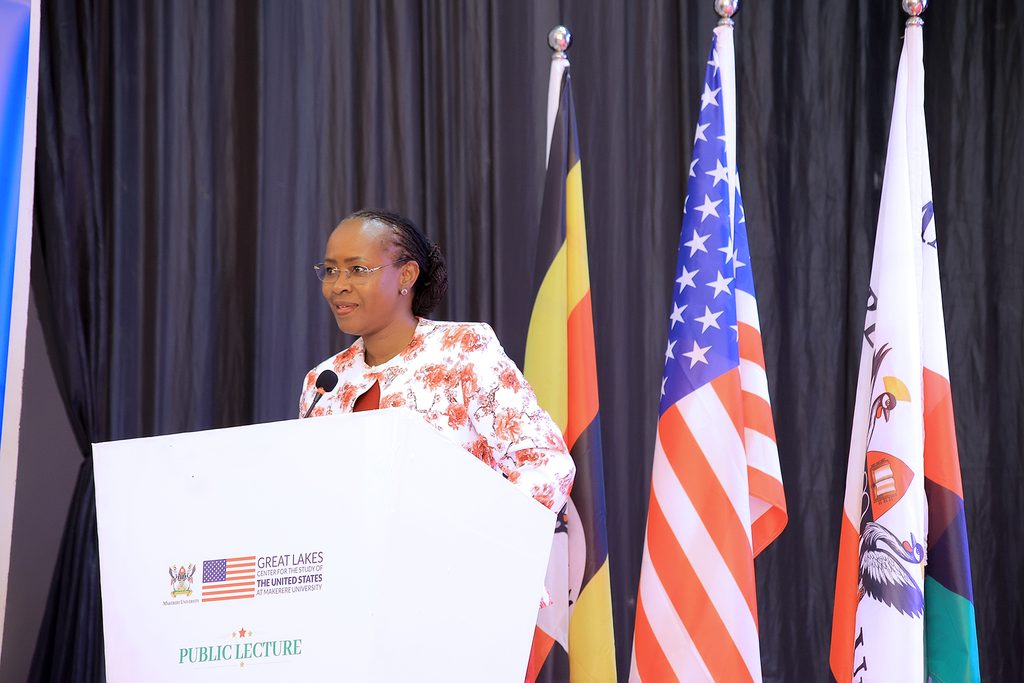
“Many universities in the United States have considerable experience with competence-based approaches to teaching and learning. We therefore see an opportunity, and an important opportunity, for the Great Lakes Center to facilitate collaboration between Makerere University and universities in the United States,” she said.
Great Lakes Center to drive academic exchange
Ssali commended the U.S. Embassy for supporting the establishment of the Great Lakes Center for the Study of the United States at Makerere, describing the investment as important to knowledge generation, academic exchange and mutual understanding.
She said Makerere envisages the Centre becoming a regional hub not only for scholarship on the United States but also for academic cooperation between the U.S. and Africa.
“We envisage that the Centre not only will serve as a hub of scholarship for the United States, but also as a coordination center for academic exchange between the U.S. and Africa,” she said.
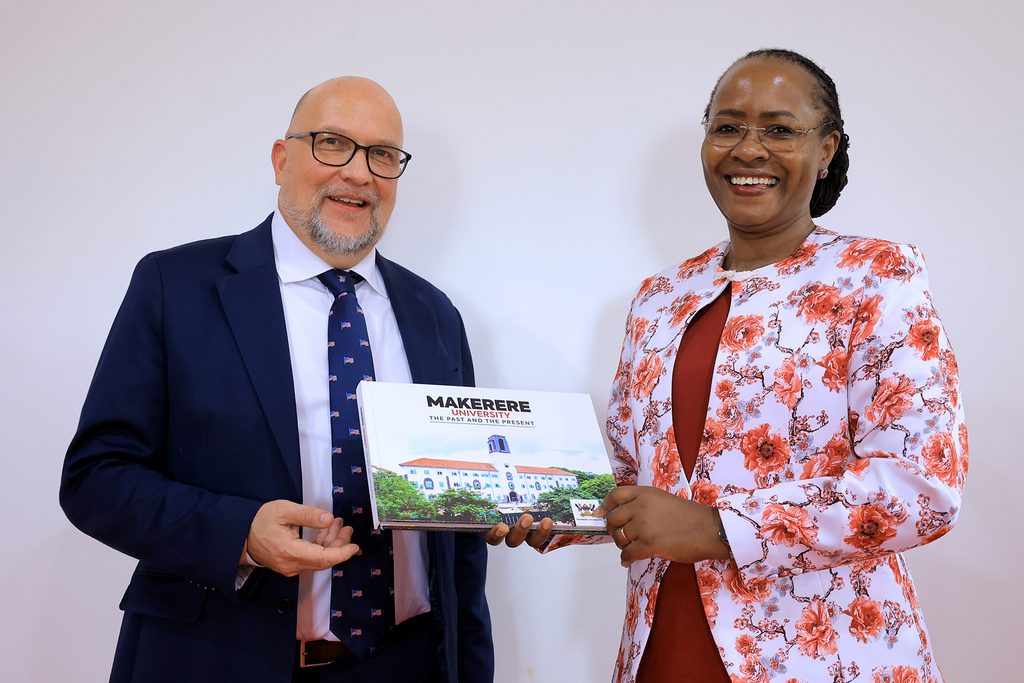
According to Ssali, the Centre could create opportunities for Makerere scholars and students to work with counterparts in the United States through collaborative research, academic exchanges and joint initiatives aimed at addressing societal challenges.
She said the university was particularly interested in staff and student exchanges, joint curriculum development, pedagogical research and sharing best practices.
Makerere seeks lessons from US universities
Ssali said the university’s shift towards competence-based education was an important part of its transformation, but acknowledged that Makerere was still examining how best to operationalise the approach within its own institutional context.
She said collaboration with American universities could help Makerere learn from their experience while ensuring that the approaches adopted respond to Uganda’s specific needs.
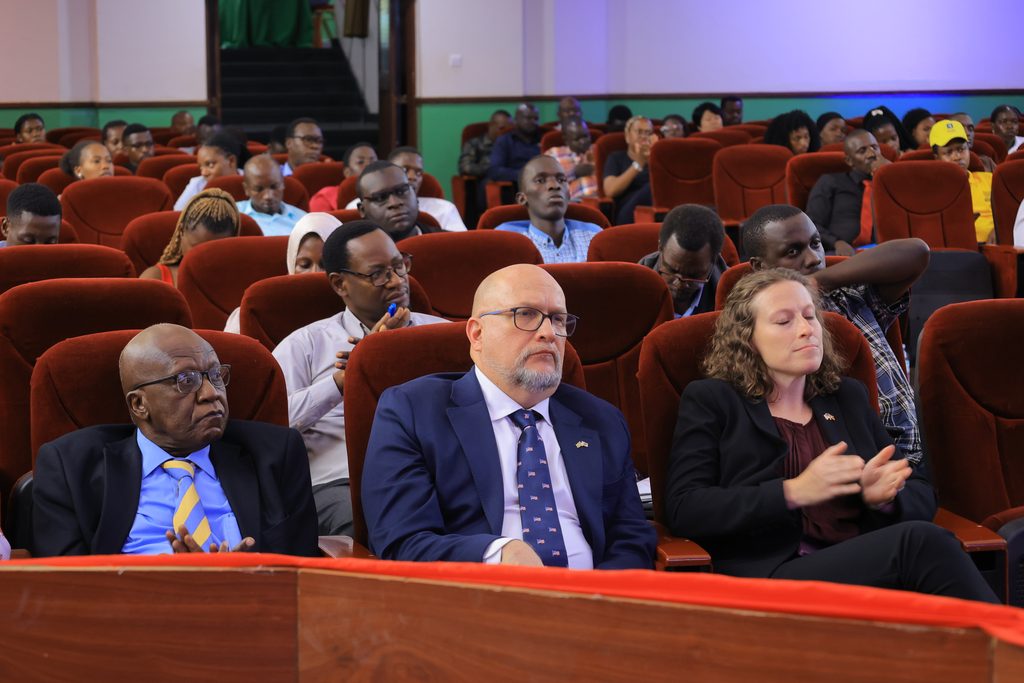
“Through partnerships, staff and student exchanges, joint curriculum development, pedagogical research, and sharing best experiences and practices, we can learn from the experiences of American universities while developing approaches that respond to our needs and realities of our own context,” she said.
She described this as the kind of practical academic partnership that Makerere expects the Great Lakes Center to facilitate.
Research to deepen Uganda-US understanding
Ssali also highlighted Makerere’s ambition to become a research-led university, saying research must remain at the centre of the institution’s transformation.
She said the Great Lakes Center was expected to play a major role in expanding research on the relationship between the United States and Africa.
The Centre is currently undertaking a research project examining Uganda-United States relations since 1945 under the framework of civilizational relationality.
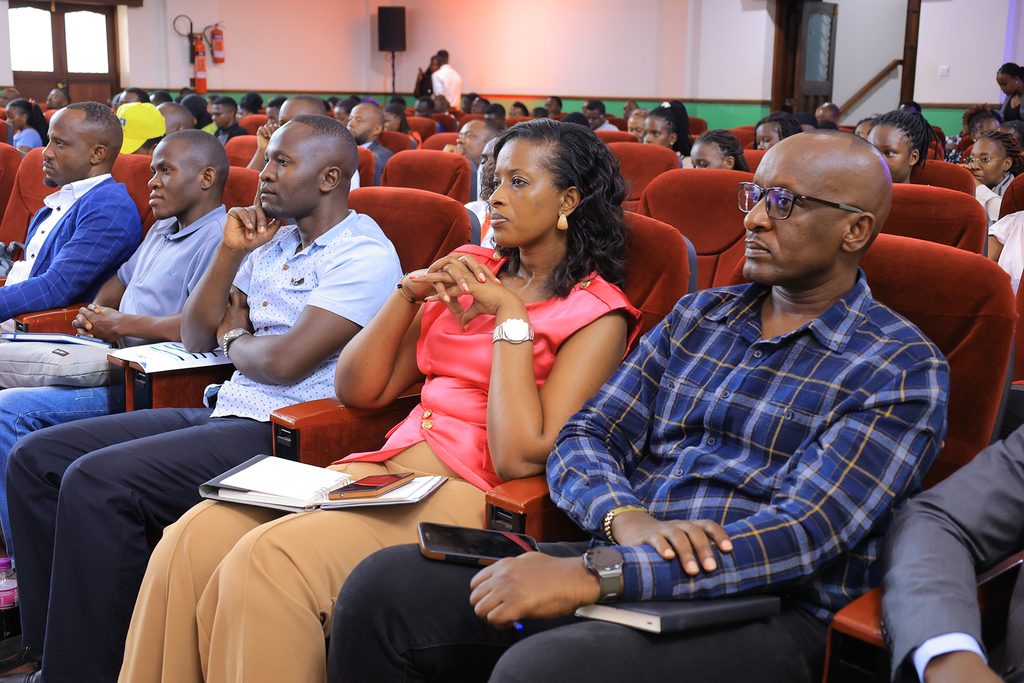
“We truly appreciate the United States for trusting Makerere University to undertake this important scholarly work,” Ssali said.
She said the research would deepen understanding of the historical, political, social and intellectual relationship between Uganda and the United States and was expected to culminate in a scholarly publication.
Call for wider research networks
Ssali urged the Centre to expand its research network beyond its current researchers to bring together scholars from Makerere, Uganda, the wider Great Lakes region, Africa and the United States.
She said a multidisciplinary and international research community would strengthen the Centre’s contribution to knowledge and further position Makerere as a leading research institution.
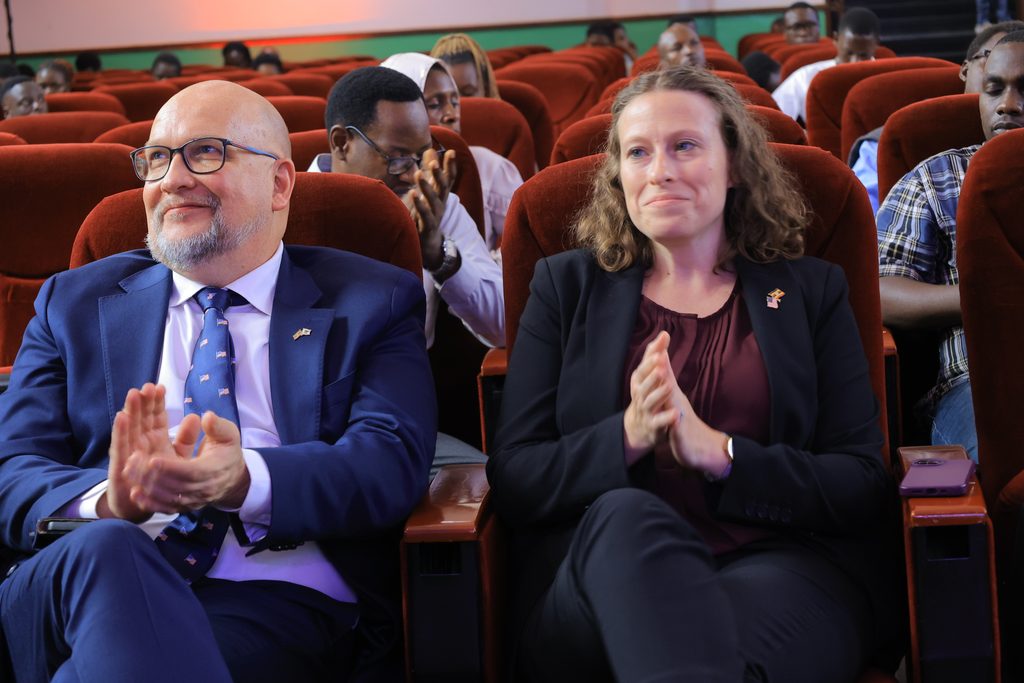
“Such a multidisciplinary and international research community will significantly enhance the Center’s contribution to knowledge and strengthen Makerere University’s position as a leading research institution,” she said.
She added that stronger research collaboration would also enable scholars to address challenges affecting societies in Uganda, Africa and beyond.
‘What can Africa learn from America?’
Ssali said the 250th anniversary of U.S. independence provided an opportunity to examine the country’s transformation and draw lessons that could be relevant to Africa.
She noted that the United States itself had passed through different stages of historical formation and urged scholars and students to examine that history critically.
“What lessons can we draw from the historical journey? Most importantly, what can Africa, particularly our younger people, learn from the American experience?” she asked.
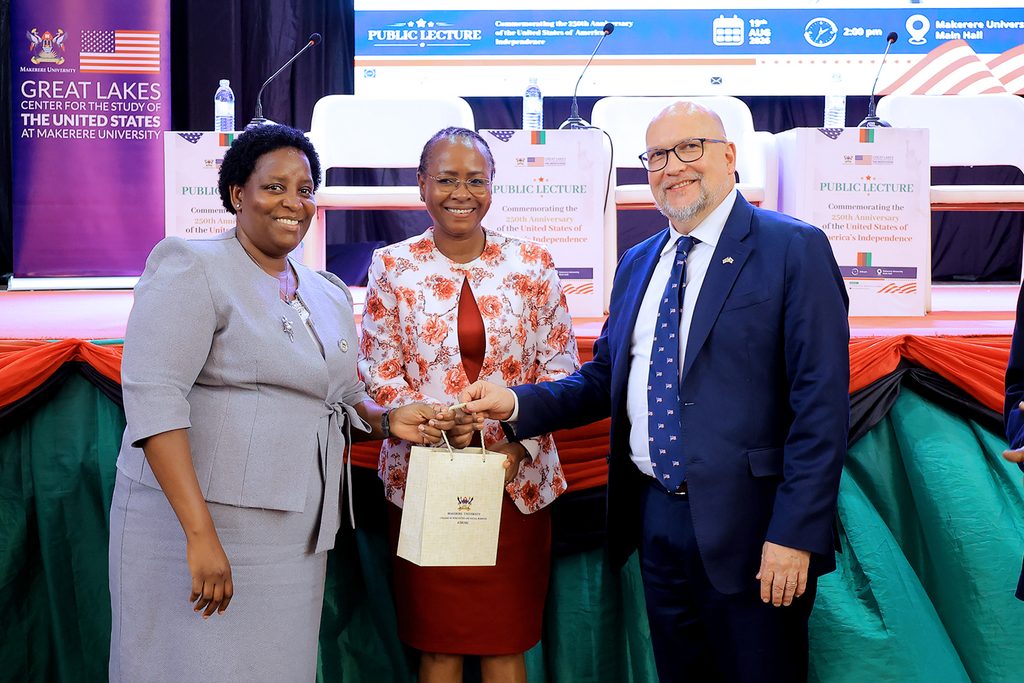
She said these questions were important not only for scholars and policymakers but also for students and citizens seeking to understand development at individual, institutional, national and continental levels.
Ssali encouraged students and young scholars attending the lecture to engage critically with the discussions and consider how lessons from the American experience could inform Africa’s own development.
Ssali also commended Prof. Gilbert Khadiagala, the keynote speaker, whom she described as an outstanding scholar of international relations, diplomacy, African affairs and global power.
She said his scholarship had informed some of her own academic work and welcomed his contribution to the public lecture.
Ssali concluded by calling for the U.S. independence anniversary to serve as an opportunity to strengthen the relationship between the United States and Africa through scholarship, friendship and collaboration.
“Let this celebration of 250 years of American independence also be a celebration of friendship, scholarship, partnership, collegiality, and shared learning between the United States and Africa,” she said.
The public lecture was part of the activities marking the 250th anniversary of U.S. independence and the broader work of Makerere University’s Great Lakes Center for the Study of the United States to promote research, academic exchange and dialogue on U.S.-Africa relations.
CHUSS seeks for more US support as Great Lakes Centre expands public engagement
Prof. Helen Nkabala says US-backed Centre has restored Makerere’s presence in public debates and calls for more scholars and support
CHUSS asked the United States Embassy in Kampala to increase its support for the Great Lakes Center for the Study of the United States as the institution seeks to expand its research and public engagement.
Prof. Helen Nkabala Nambalirwa, Principal of the College of Humanities and Social Sciences, said the Centre had exceeded expectations since its establishment and was enabling Makerere academics and researchers to reclaim their role in public discussions.
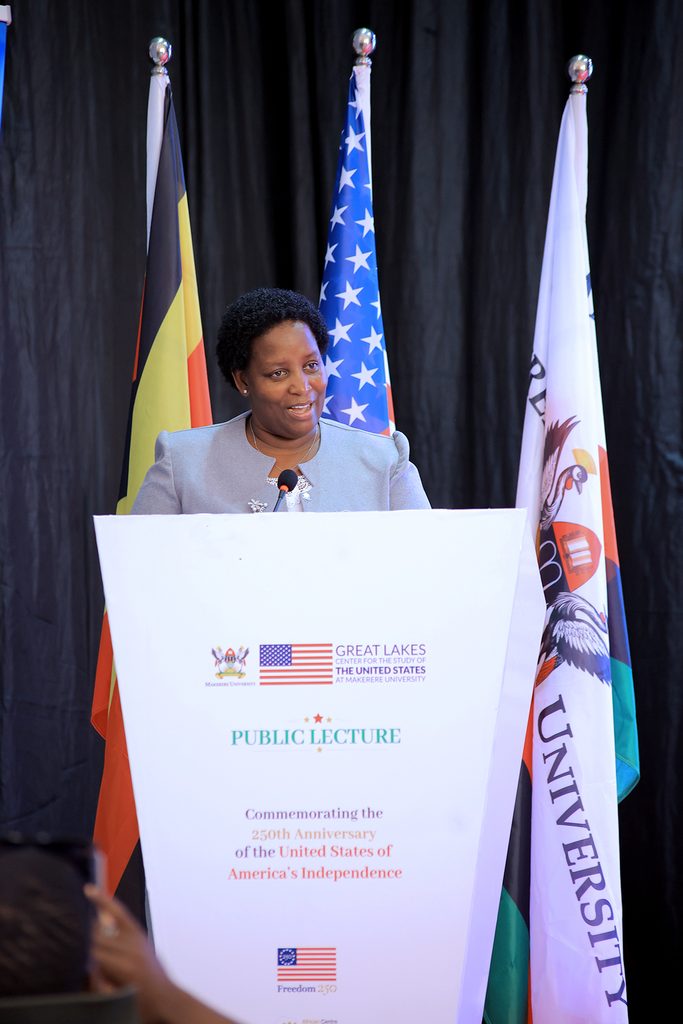
Nkabala commended the U.S. Embassy for supporting the Centre and facilitating visits by scholars to Makerere.
“Through this centre, the College of Humanities and Social Sciences, which is the mine of excellent minds, and indeed, Makerere University, has taken back her space in the public space,” Nkabala said.
Nkabala said Makerere and its partners had initially been uncertain about how quickly the Great Lakes Center would begin producing tangible results after its establishment.
“Some years ago, not very many, we were here establishing the Great Lakes Center. But what we were not very sure of is where we were going,” she said.
She said the university had planned for the Centre’s development but had not anticipated that it would begin demonstrating its impact within such a short period.
“We had it planned, but we were not very sure that in a very short time we would be celebrating fruits of this particular center,” she said.
The Principal attributed the Centre’s growing visibility to its leadership, researchers, students and staff, whom she credited with making it vibrant.
Nkabala asks US Embassy to do more
While thanking the U.S. Embassy for its contribution, Nkabala called for additional support, particularly more scholars and resources to enable the Centre to expand its activities.
She said the request was motivated by the positive results of the existing partnership rather than dissatisfaction with the support already provided.
“We shall keep asking for more scholars, more support, and we want to see our center growing further,” she said.
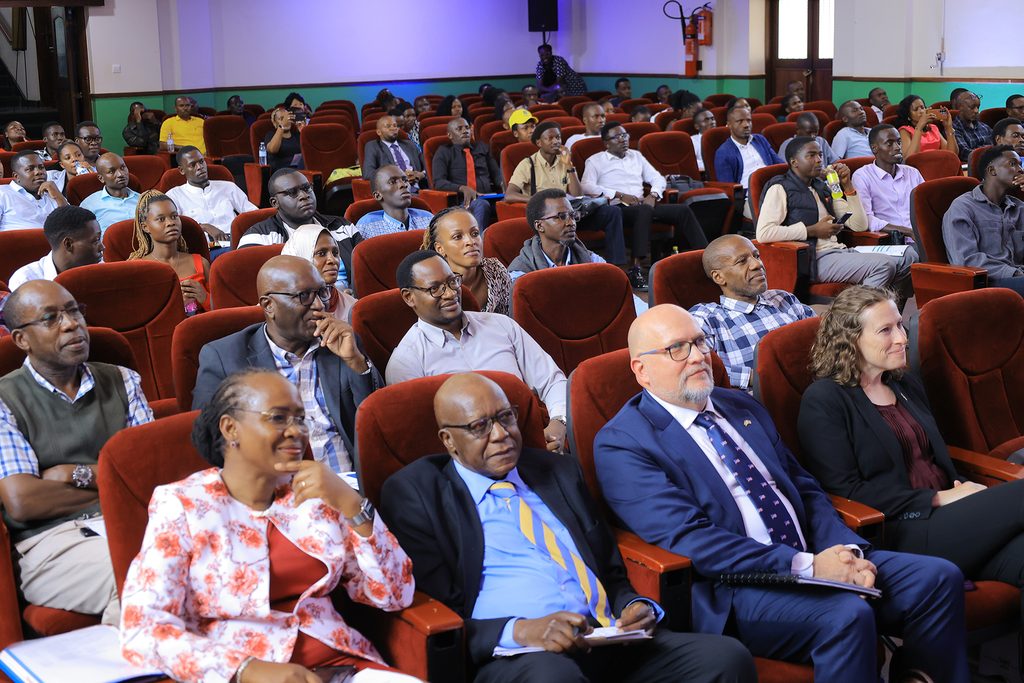
Using the famous character Oliver Twist as an analogy, Nkabala said Makerere was asking for more because the partnership had already produced meaningful benefits.
“I’m not trying to be ungrateful, but I’m just only trying to tell you that what you’re doing is very good, and please do more,” she said.
Scholars helping restore Makerere’s public voice
Nkabala particularly credited the U.S. Embassy for enabling scholars to visit Makerere, saying the exchanges had contributed to the university’s renewed visibility in public debates.
She said the Centre had provided a platform through which the College of Humanities and Social Sciences could contribute more actively to discussions taking place beyond the university.
“Many times we have been asked the question, where are you in the public space?” she said.
“Through this centre… Makerere University has taken back her space in the public space.”
She described the College as a source of “excellent minds” and said its increased participation in public discourse was an important outcome of the Centre’s work.
Nkabala also linked the public lecture to Uganda’s own development journey, saying the history of the United States offered lessons that could be useful to the country.
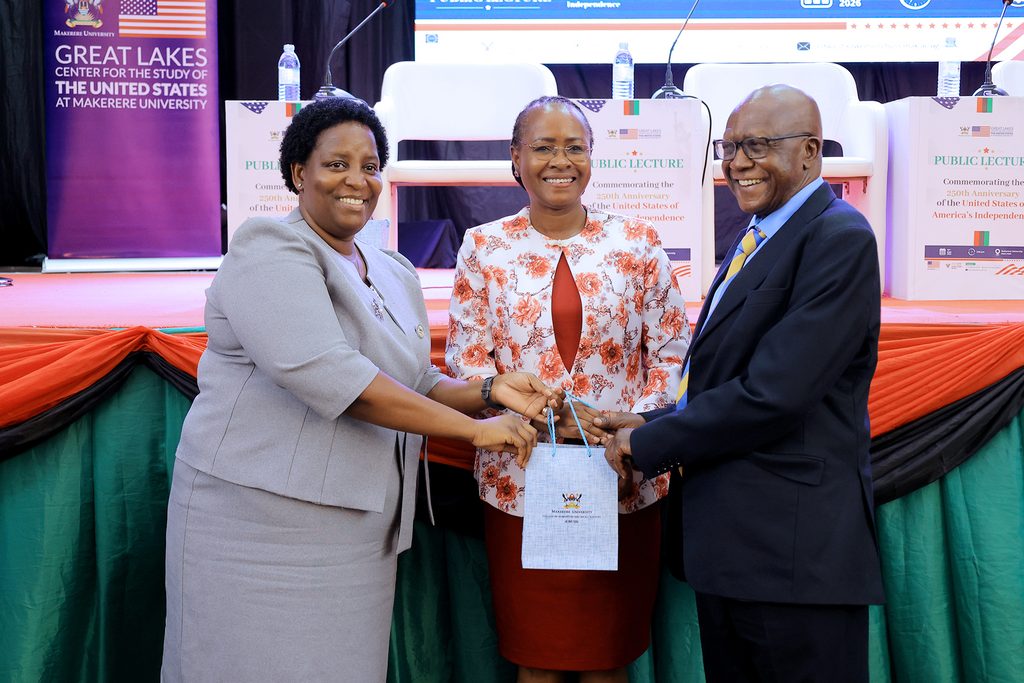
She commended Prof. Gilbert Khadiagala, the keynote speaker, for accepting Makerere’s invitation and said his lecture was particularly relevant as Uganda reflects on its own future.
“The topic that you are addressing today has many lessons for Uganda as we carry on our journey to maybe in the future, 250 years,” she said.
She encouraged staff, students and other participants to engage with the discussions and draw lessons that could inform public conversations about independence and national development.
Centre expected to strengthen public debate
Nkabala called on coordinators, students and staff involved in the Centre’s activities to continue building on the progress already made.
She urged participants not merely to attend lectures but to apply the knowledge gained to public discussions.
“Not only come but pick some lessons from the lectures that we are going to have, so that as we carry on, as we take on the public space, we are able to make a contribution to the conversations that are going on as far as independence is concerned,” she said.
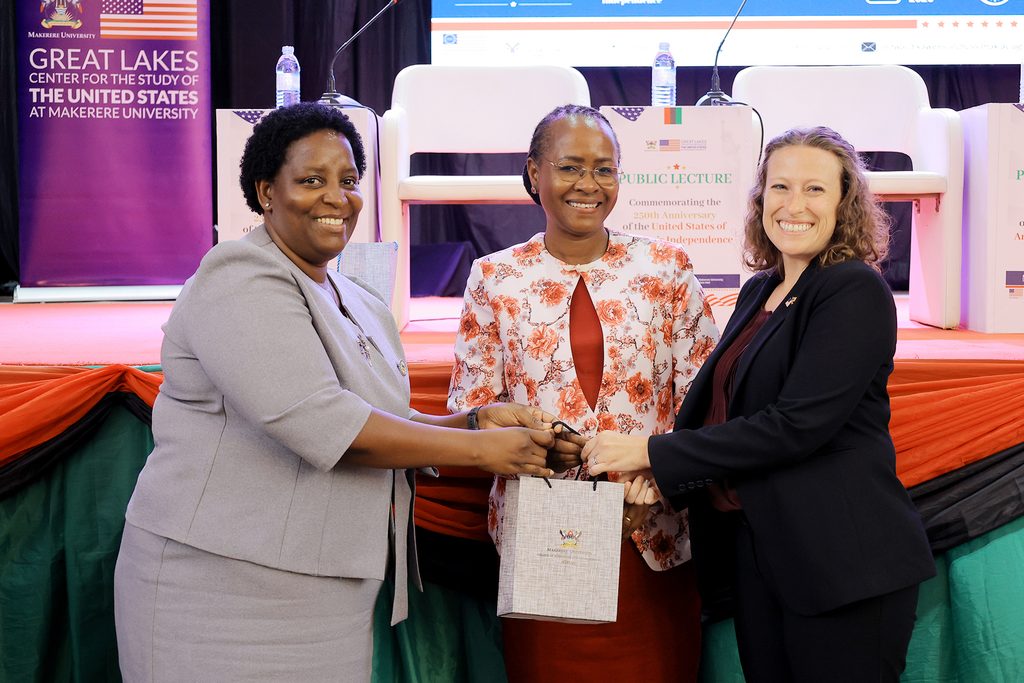
She concluded by thanking the U.S. Embassy, the Centre’s researchers and university staff for their contribution to its development, before inviting Deputy Vice-Chancellor for Academic Affairs Prof. Sarah Ssali, who represented Vice-Chancellor Prof. Barnabas Nawangwe, to deliver the university leadership’s remarks.
US Scholars helped keep Makerere running after independence, says Kaweesi
Dr Silvestre Kaweesi says US academic support helped fill gaps left by departing British scholars after Uganda’s independence
American scholars played a critical role in keeping Makerere University functional after Uganda gained independence by filling gaps left by departing British academics, according to Dr Silvestre Kaweesi, a political science scholar at the university.
Kaweesi, Principal Investigator of the U.S. Studies research programme at Makerere and Head of the Department of Political Science and Public Administration, said the little-known intervention formed part of the historical relationship between the United States and Uganda.
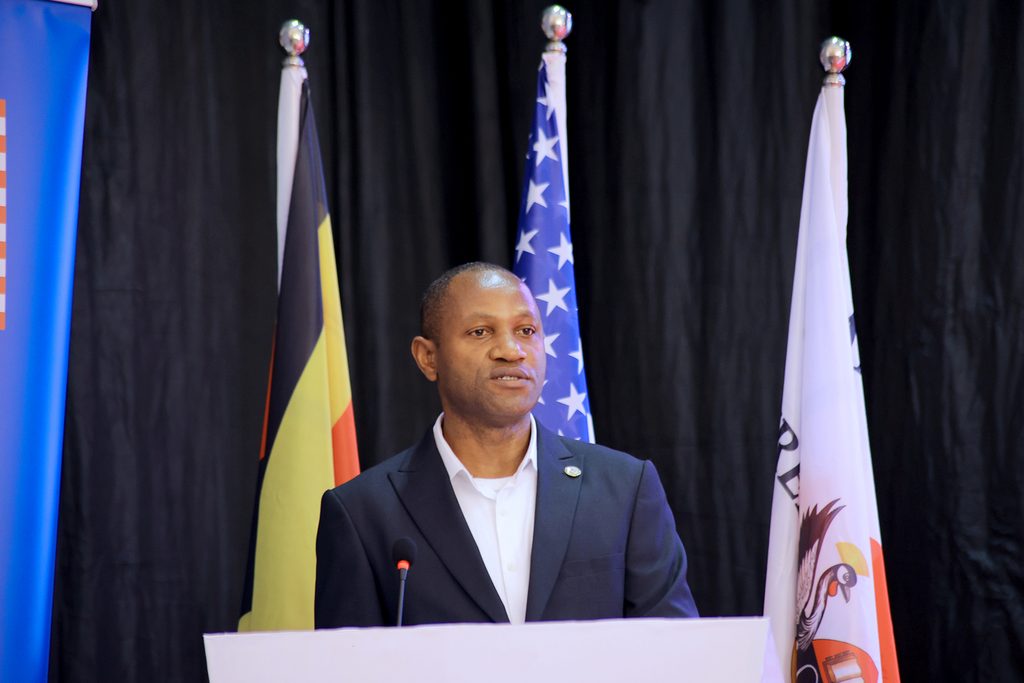
Kaweesi said the relationship between the two countries should be examined beyond the celebration of the anniversary, particularly in understanding how the rise of the United States as a global power affected Uganda and Makerere University.
“As we celebrate, we also feel practically obliged to engage in deep reflection of the meaning of the 250 years in terms of what we learned from the experience of the United States and how the rise of the United States to global superiority has impacted us,” he said.
US stepped in as British scholars left
Kaweesi traced the origins of the intervention to the period leading up to Uganda’s independence, when the Lancaster Conference was being held between September and October 1961 to chart the country’s transition to self-rule.
He said the approaching independence created uncertainty at Makerere, which had been developed under British colonial rule and served as an important centre of British intellectual and cultural influence in East and Central Africa.
According to Kaweesi, British scholars at Makerere faced the prospect of leaving as Uganda moved towards independence.
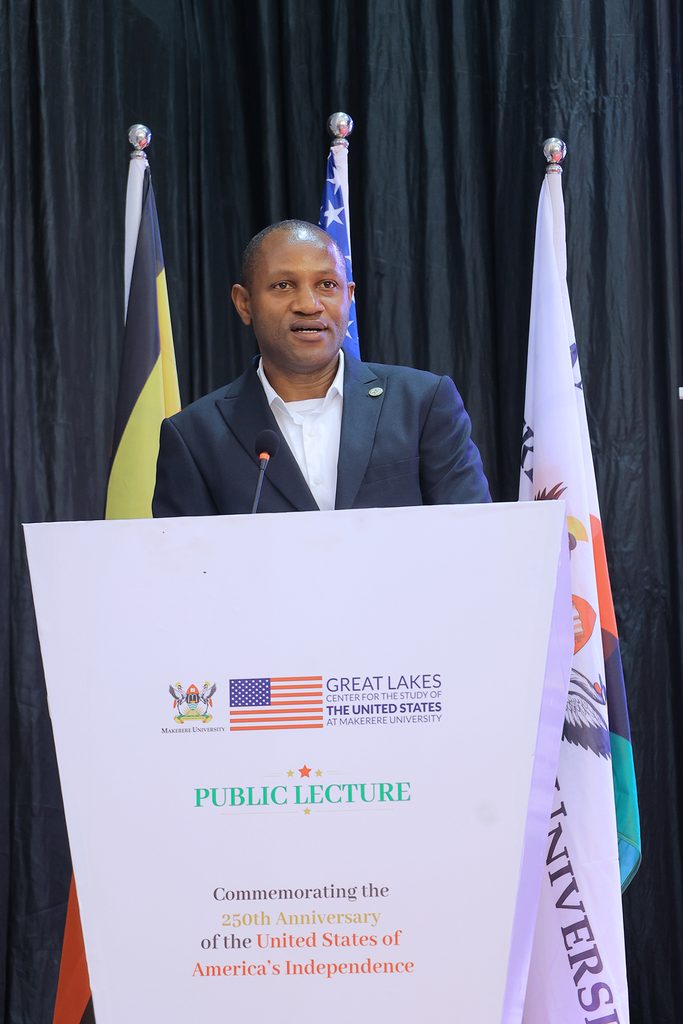
“Makerere was built as a symbol of global Britannia’s overreach, a symbol of the depth of British influence, a pillar of their cultural hegemony in East and Central Africa,” he said.
He said British academics were concerned about the future of the institution following independence but developed a plan to ensure that Makerere remained operational after their departure.
British sought American academic support
Kaweesi said British authorities reached out to the United States Government to provide scholars who could fill positions expected to become vacant when British academics left Makerere.
“They reached out to the government of the United States to send scholars to come and fill the gaps that were to be created by the departure of the British scholars,” he said.
He said Uganda’s first Prime Minister embraced the arrangement, allowing American scholars to contribute to Makerere’s academic continuity during the transition from colonial rule to independence.
Kaweesi described the episode as one of the reasons the 250th anniversary of American independence provided an opportunity for Uganda to reflect on its historical relationship with the United States.
Makerere-US ties span decades
Kaweesi’s remarks placed the current partnership between Makerere University and the United States within a much longer history of academic engagement.
He said the establishment of the Great Lakes Center for the Study of the United States was part of efforts to deepen that relationship through research and scholarship.
The Centre is currently undertaking research into Uganda-United States relations since 1945, which Kaweesi said would provide a broader understanding of the historical relationship between the two countries.
He said the research would also help document less-known aspects of the relationship, including the role of American scholars in Makerere’s post-independence development.
Kaweesi said the anniversary should not be treated simply as a ceremonial celebration but as an opportunity for academics and the public to critically examine the impact of American power and ideas.
He said Uganda had experienced the effects of the United States’ emergence as a global power in areas including education and knowledge production.
The public lecture, he said, provided an opportunity to examine both the lessons Uganda could draw from the American experience and the consequences of America’s global influence.
Kaweesi thanked Prof. Gilbert Khadiagala, the keynote speaker, for travelling from South Africa to deliver the lecture and contribute to the discussion on the United States’ 250-year journey.
“I wish to thank Professor Khadiagala who accepted to come all the way from South Africa to come and provide the clues on how best we can reflect on the 250 years of the United States,” he said.
Kaweesi said the historical issues raised during the event would also feed into forthcoming scholarly work on Uganda-US relations, which Makerere researchers expect to publish next year.
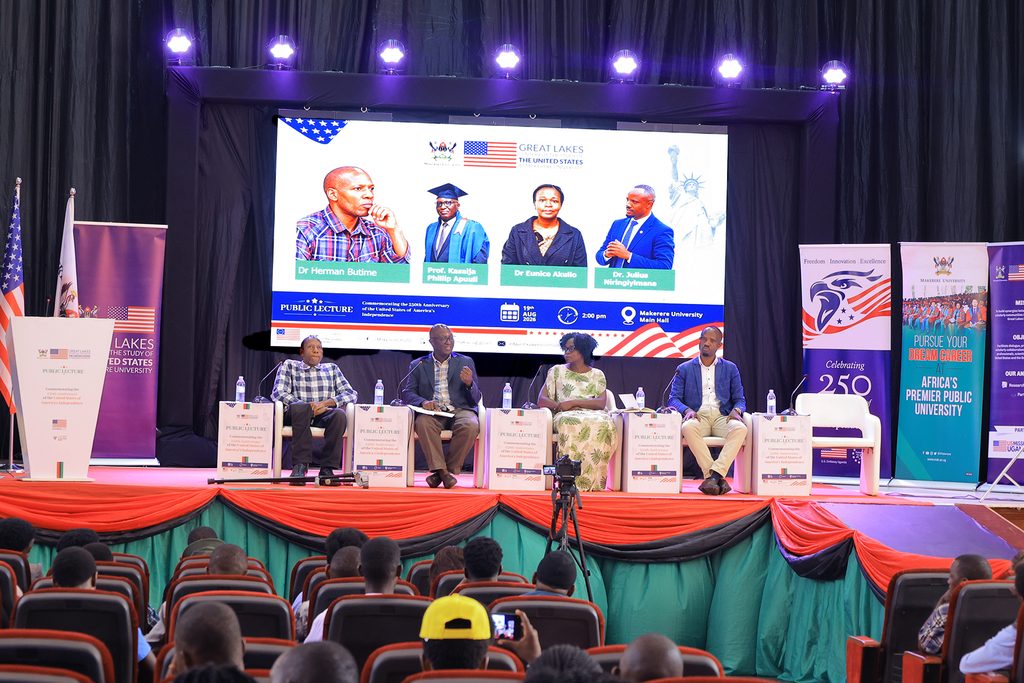
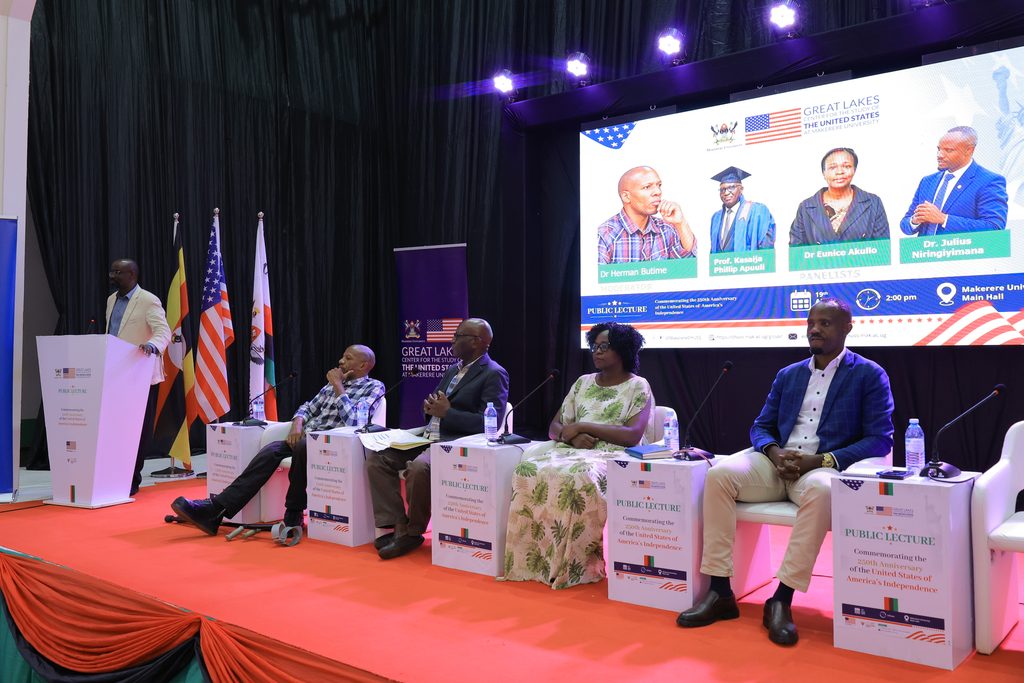
Panelists challenge Africa to build stronger institutions, turn plans into action
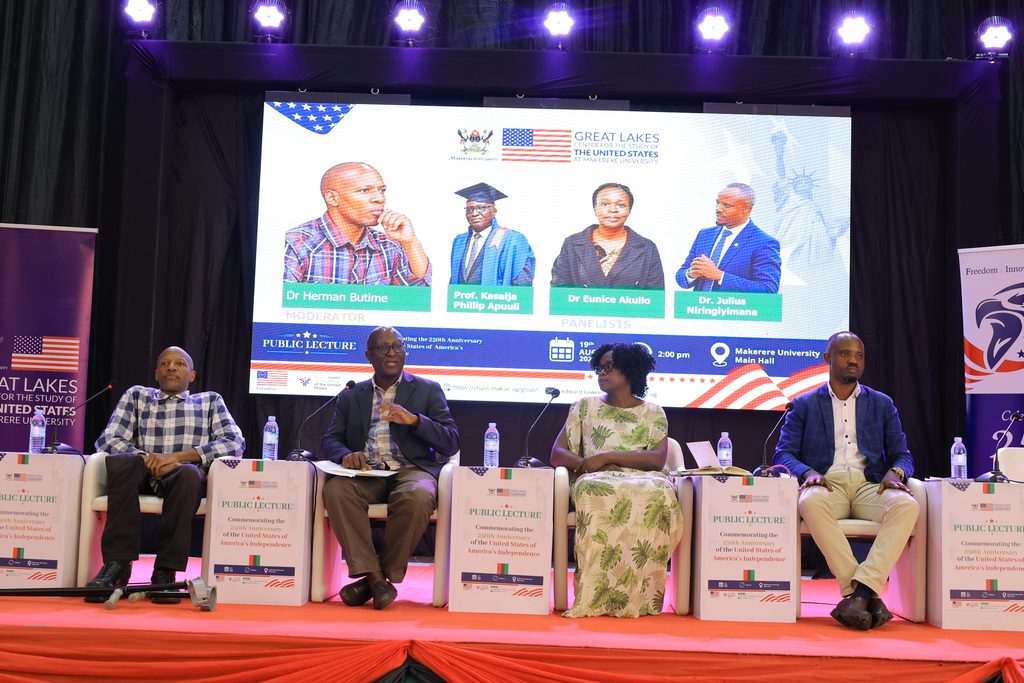
African countries should strengthen institutions, improve implementation of development policies and promote inclusive governance if they are to draw meaningful lessons from the United States’ 250-year journey, Makerere University scholars have said.
Professor Philip Kasaija, a political scientist at Makerere University, said one of the most important lessons Africa can draw from the American experience is the importance of building institutions capable of surviving changes in leadership.
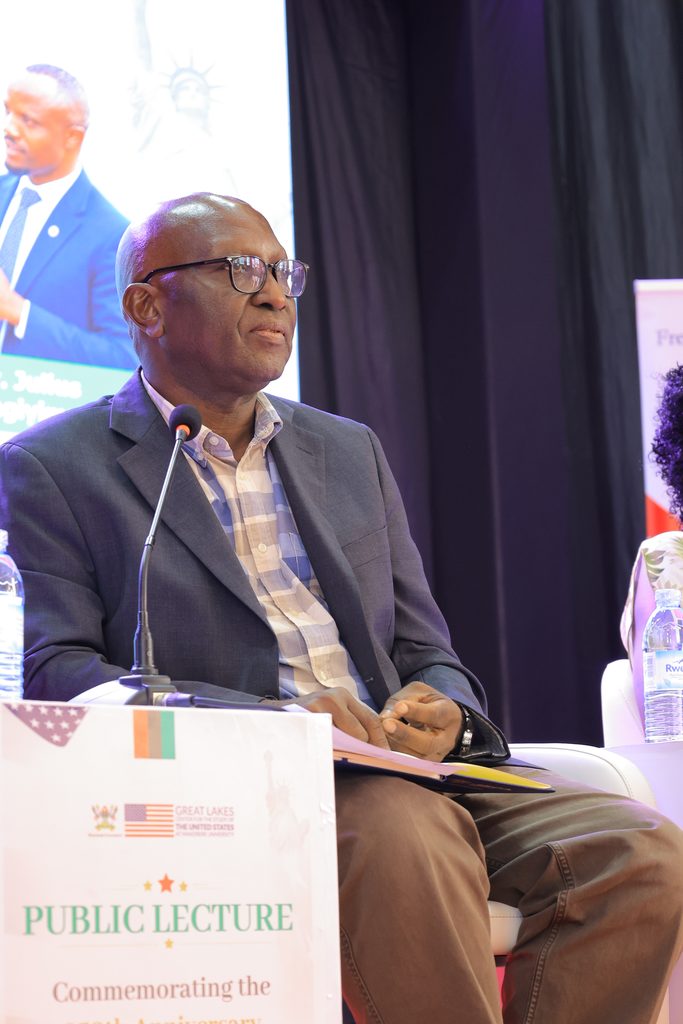
He contrasted the relatively short U.S. Constitution, which has seven articles and 27 amendments, with Uganda’s 1995 Constitution, which contains hundreds of articles and has undergone several amendments.
According to Kasaija, the comparison illustrates different approaches to constitutional governance, with African countries often attempting to put extensive detail into constitutional texts instead of allowing institutions and courts room to interpret and develop principles.
He said the United States’ experience demonstrates the importance of institutions, separation of powers and constitutional supremacy.
“The issue of nation building” remains particularly important for Africa, Kasaija said, pointing to the U.S. motto E Pluribus Unum, meaning “out of many, one”, as a reminder of the challenge of building cohesive nations out of diverse populations.
He said African countries can also draw lessons from the American experience with the Bill of Rights, separation of powers and institutional checks and balances.
However, Kasaija warned that Africa’s biggest challenge is not necessarily a lack of development plans.
He said African countries have produced numerous ambitious visions and strategies, but frequently struggle to translate them into practical results.
“Africa is not short of plans,” he said, arguing that the continent must concentrate on implementation, service delivery and accountability.
Kasaija also challenged African governments to make better use of their human capital, research institutions and development strategies rather than repeatedly producing new plans without adequately implementing existing ones.
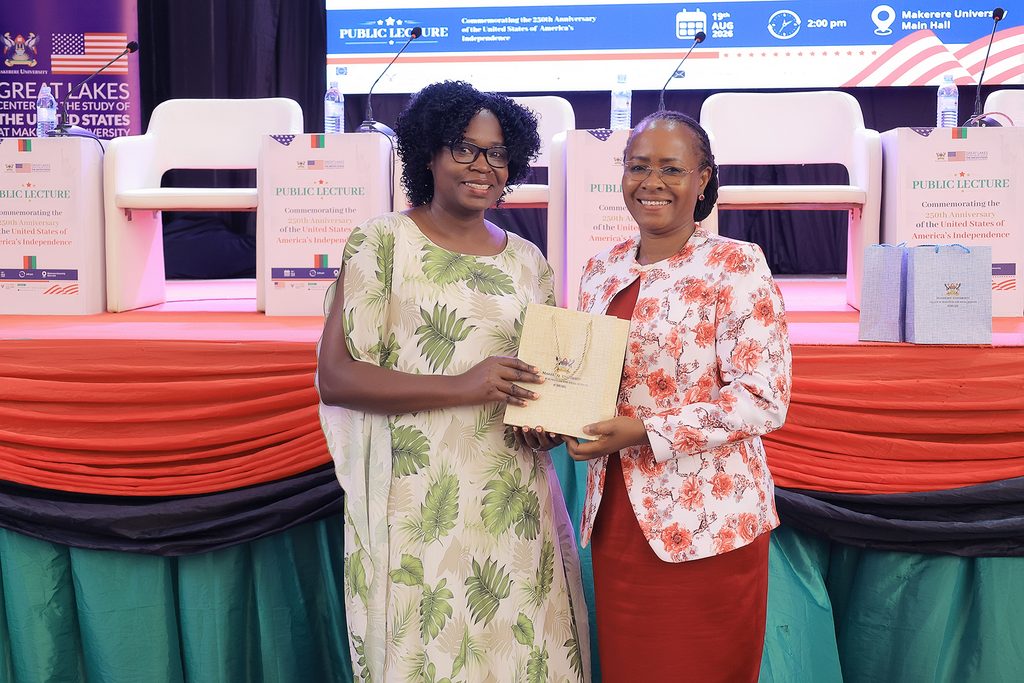
Dr. Eunice Akullo, another panelist, focused on gender, soft power and national identity.
She said the American experience demonstrates that the inclusion of women in public life has largely been an incremental process, with women gradually expanding their participation in politics, diplomacy, science, technology and other sectors.
Akullo said Africa should recognise the contribution women can make beyond simply meeting representation quotas.
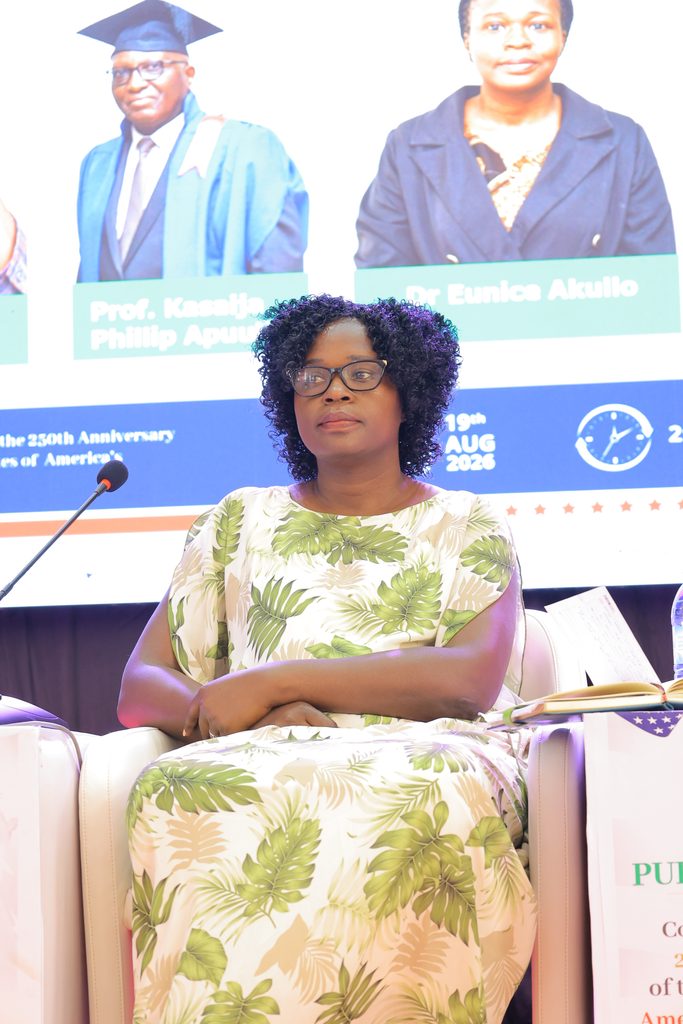
She also highlighted the growing importance of soft power, citing American influence through education, technology, popular culture, activism and innovation.
For Africa, she said, the lesson should be how to use its own cultural and intellectual resources to build influence internationally.
Akullo also called on African countries to deliberately develop positive national identities and stronger nation brands.
She said countries should acknowledge their difficult histories while also promoting achievements, culture, tourism, innovation and other positive attributes.
“Where people think of your country, we need a positive image, a positive brand,” she said.
Such national branding, she argued, could become a form of diplomatic capital that strengthens Africa’s engagement with the rest of the world.
Dr. Julius Niyiringimana, meanwhile, emphasised the importance of institutional development and political leadership.
He said institutions are essential to development but warned that African countries should not simply copy foreign institutional models without adapting them to local circumstances.
“Learning is important,” he said, but institutions borrowed from elsewhere must be contextualised to African realities.
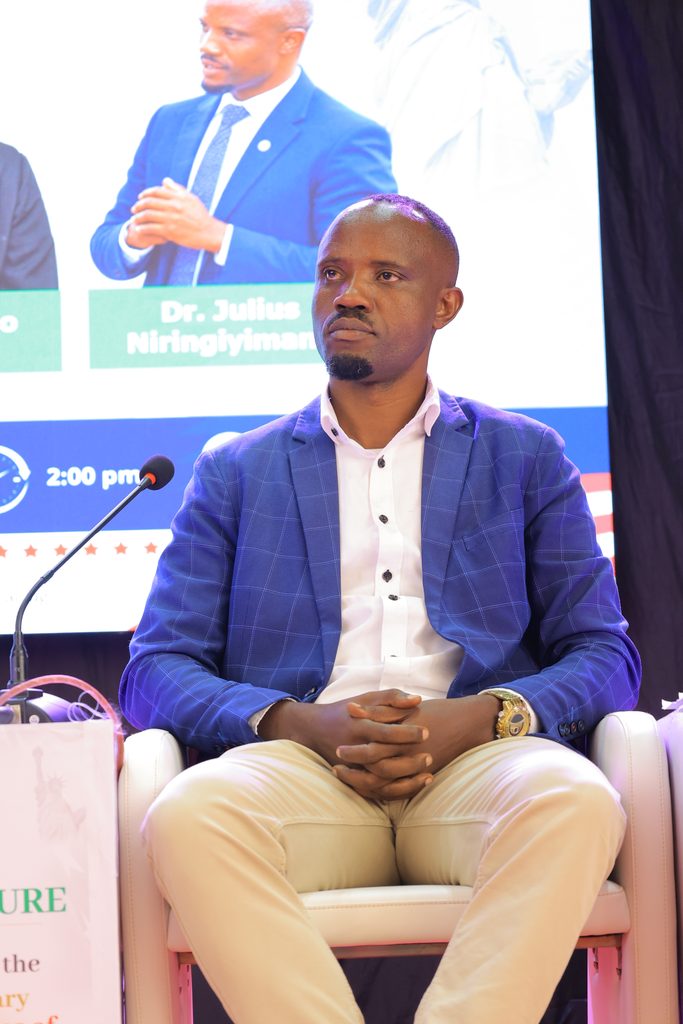
Niyiringimana also pointed to competing policies and interests among political actors as obstacles to effective governance in some African countries.
He argued that good ideas and policies often fail because institutions and leaders do not work together to implement them.
The scholar further called for a change in mindset, saying Africans must develop greater confidence in their own ideas and capacity to solve local problems.
He said the continent’s relatively recent independence compared with the United States should also be taken into account when assessing Africa’s development trajectory.
Beyond governance, the panelists identified universities as critical actors in Africa’s modernisation.
Kasaija said universities should move beyond teaching and place greater emphasis on research, innovation and evidence-based policymaking.
He said countries that have achieved significant technological and economic progress have invested heavily in innovation and research, and African universities must similarly become centres for generating new ideas and solutions.
For Makerere University, he said, the institution’s ambition to become a research-led university presents an opportunity to contribute directly to national development.
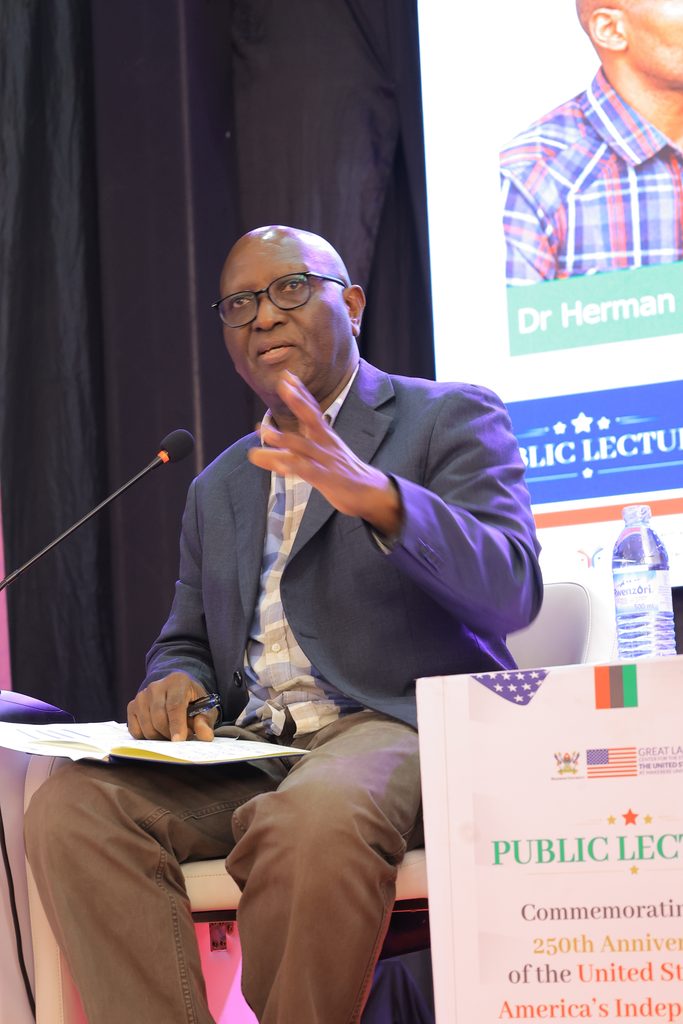
The panel discussion therefore linked the celebration of America’s 250th anniversary to a broader African question: how can the continent build durable institutions, translate its development plans into action and generate home-grown solutions to its challenges?
The scholars agreed that Africa should learn from the American experience without simply replicating it, adapting useful lessons on institution-building, innovation, inclusion and national development to the continent’s own historical and social realities.
Calls for Stronger Institutions, U.S. Support to Advance Uganda’s Democratic Journey
Assoc. Prof. Eric Awich Ochen, Deputy Principal of the College of Humanities and Social Sciences (CHUSS), said Uganda should draw lessons from the 250-year history of the United States, particularly the importance of building institutions that endure beyond individual leaders.
Closing a public lecture at Makerere University marking the 250th anniversary of U.S. independence, Ochen said sustainable development requires countries to maintain stable rules and principles rather than repeatedly changing them for political convenience.
“Institutions matter,” Ochen said, echoing a key theme raised by keynote speaker Prof. Gilbert Khadiagala and the panelists.
He said the lesson for Uganda was to place greater emphasis on institutions rather than individuals, arguing that democratic principles should be allowed to stand the test of time.
“This also means that we don’t change the rules of the game every now and then to switch the movement out of expediency, but we have to focus on the principle,” he said.
Ochen said Uganda, which gained independence in 1962, still had time to strengthen its institutions as it works towards long-term national development.
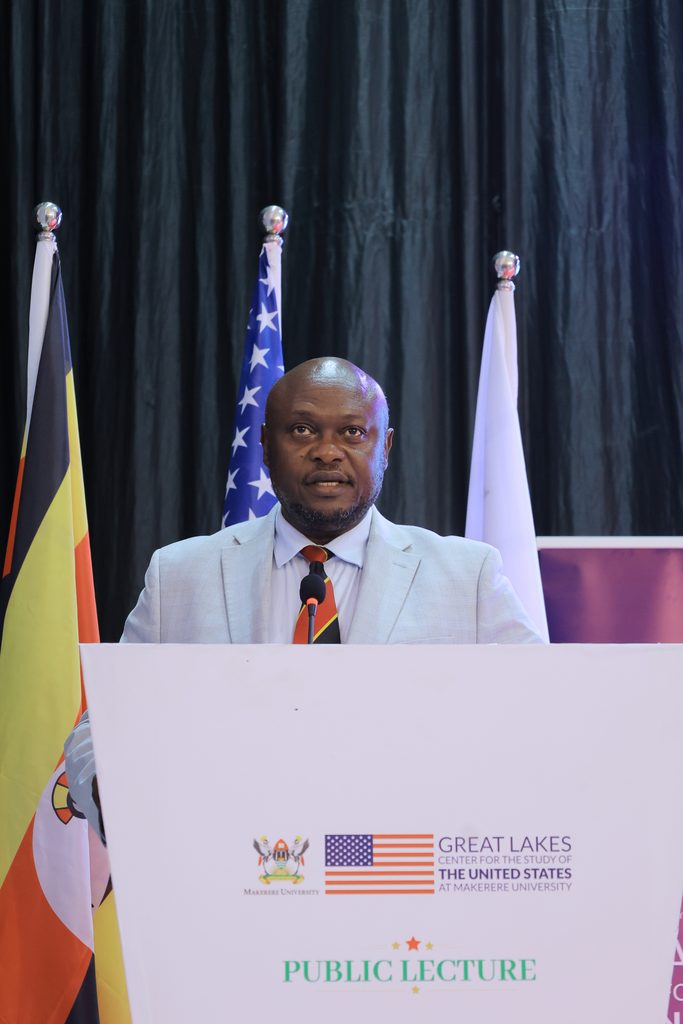
“America is now 250 years… Uganda is only 64, so we have quite a bit of time to reach the 250,” he said.
He described the United States as a “big brother” whose experience and partnerships could support Uganda in its development journey, while urging Ugandan institutions to build on incremental successes.
Ochen also called for continued American support to the Great Lakes Center for the Study of the United States at Makerere University, saying the centre has an important role in research and public engagement.
He said the centre should receive the necessary support to expand its work aimed at deepening and widening democratic discourse in Uganda.
“Makerere, as we all know, represents Uganda. Everything about Uganda is found here in Makerere,” Ochen said, stressing the university’s role in national development and global partnerships.
He commended the United States for its partnership with Makerere and said the university values international collaboration as a means of strengthening scholarship and public engagement.
U.S. urged to review visa fees
Ochen also used the occasion to appeal to U.S. Embassy officials to reconsider visa fees that he described as prohibitive for many African academics.
Addressing U.S. Embassy Chargé d’Affaires Mikael Cleverly, Ochen said the rising cost of obtaining U.S. visas was limiting academic mobility and participation in international conferences.
“Can the U.S. government reconsider these very prohibitive visa fees, which most of us cannot now afford?” he asked.
Ochen said he had previously travelled to the United States almost annually to attend meetings of the African Studies Association but could no longer afford the visa fee.
His remarks placed academic mobility alongside research collaboration as an important component of Uganda-U.S. relations.
The Deputy Principal also praised the panelists and audience for their contributions to the public lecture, saying the discussions had shed further light on the historical and contemporary lessons from America’s 250-year journey.
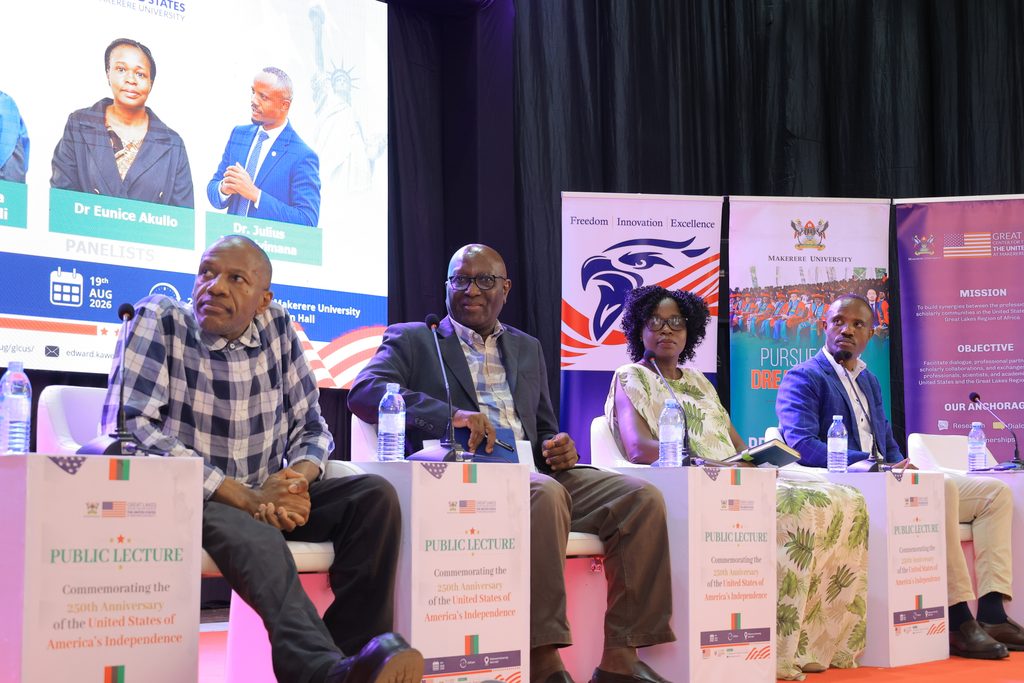
He particularly encouraged students to participate in such academic engagements, describing the event as an important opportunity for learning beyond the classroom.
“You couldn’t have chosen a better activity to spend your Wednesday afternoon,” he told students.
Ochen also welcomed efforts by Makerere’s Department of Political Science and Public Administration to revive its tradition of public lectures and public engagement, noting that the department had played a prominent role in such activities in previous decades.
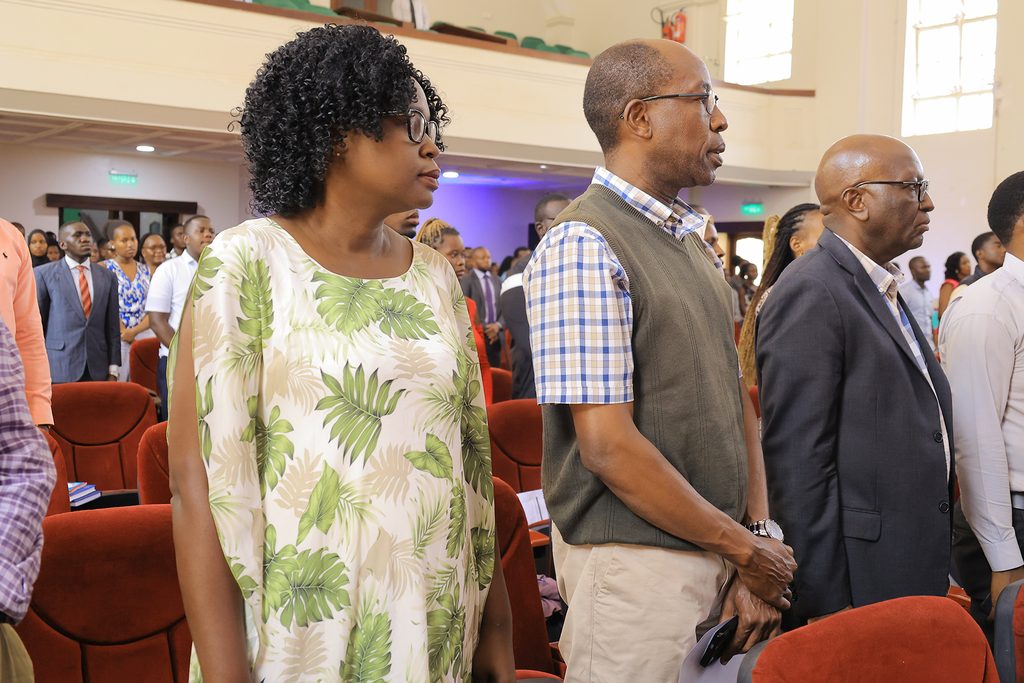
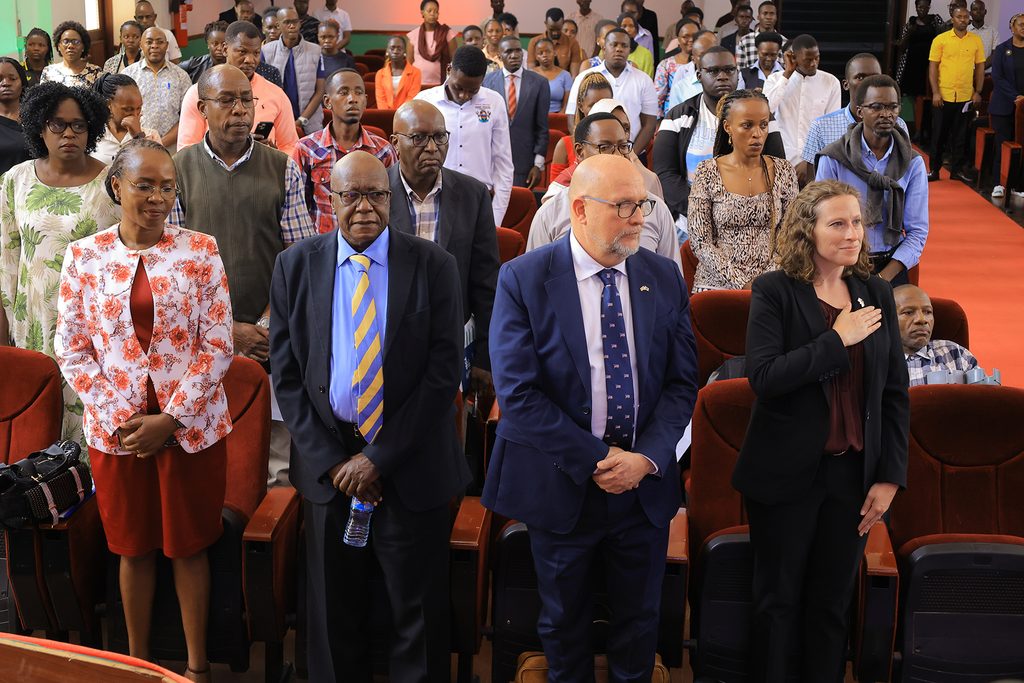
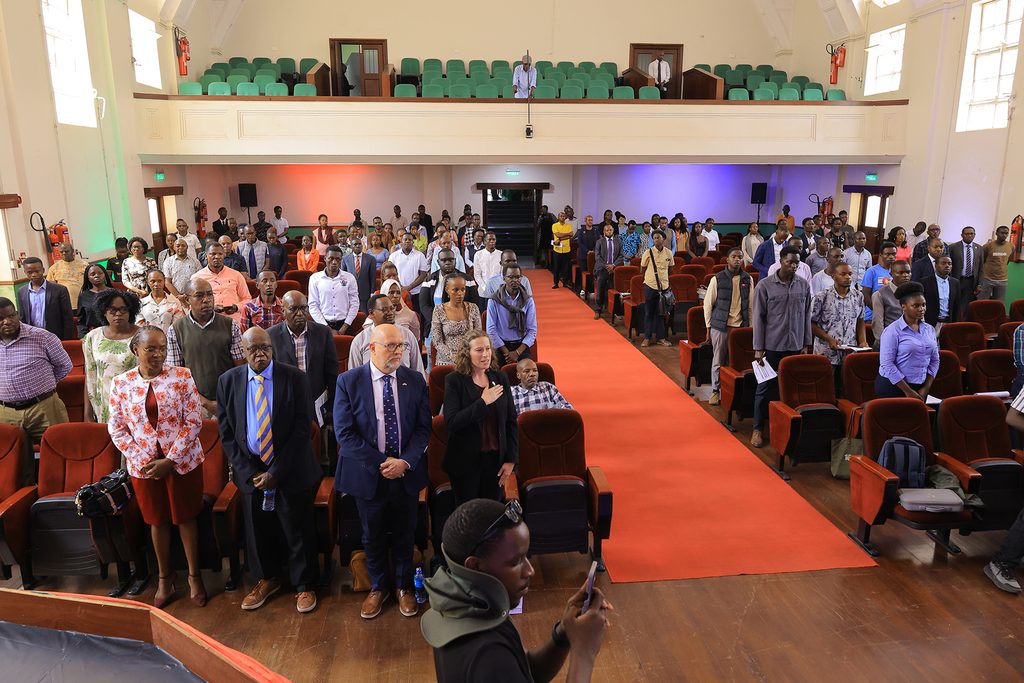
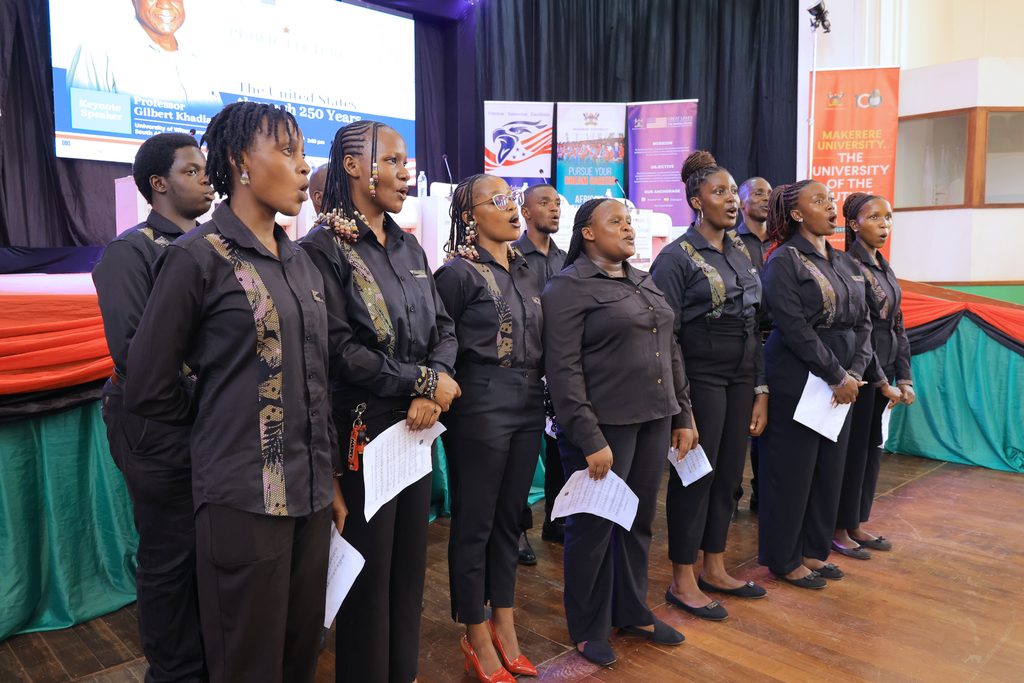
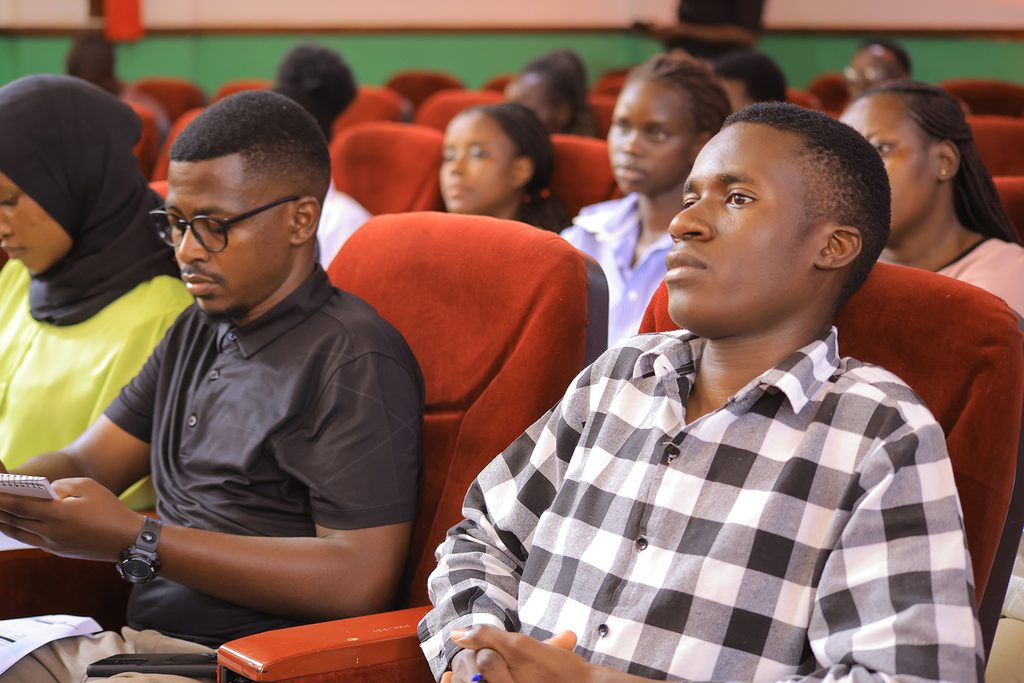
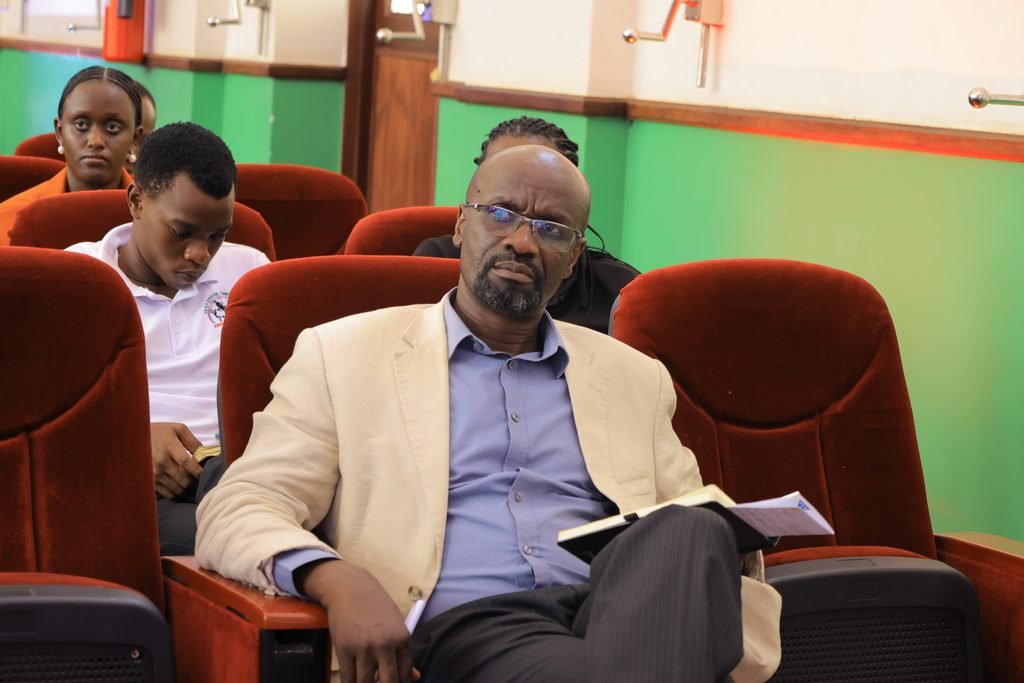
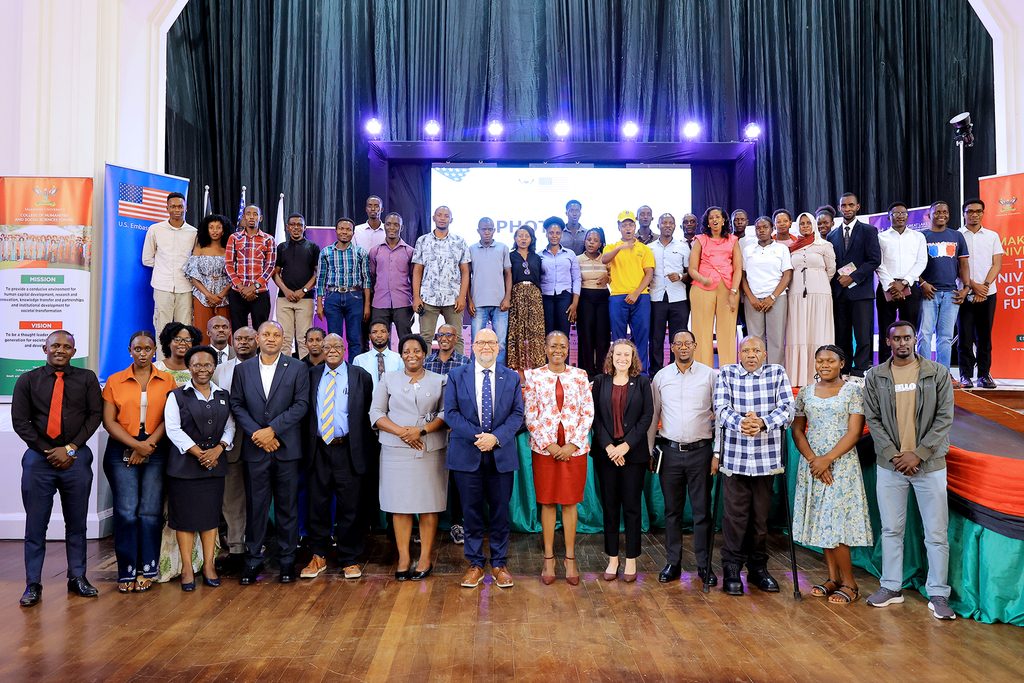
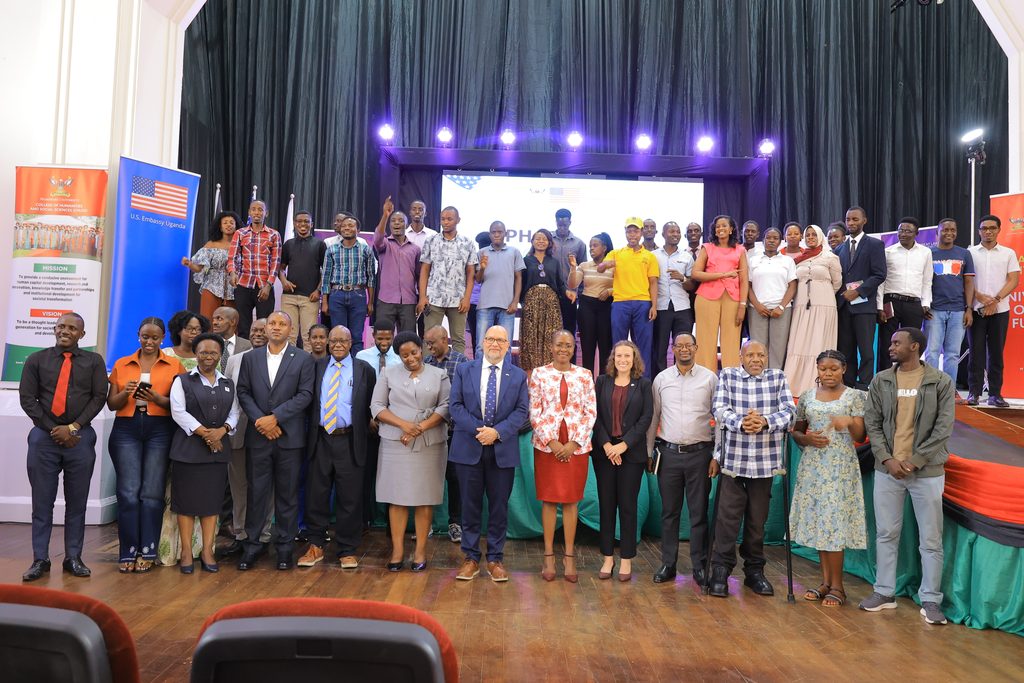
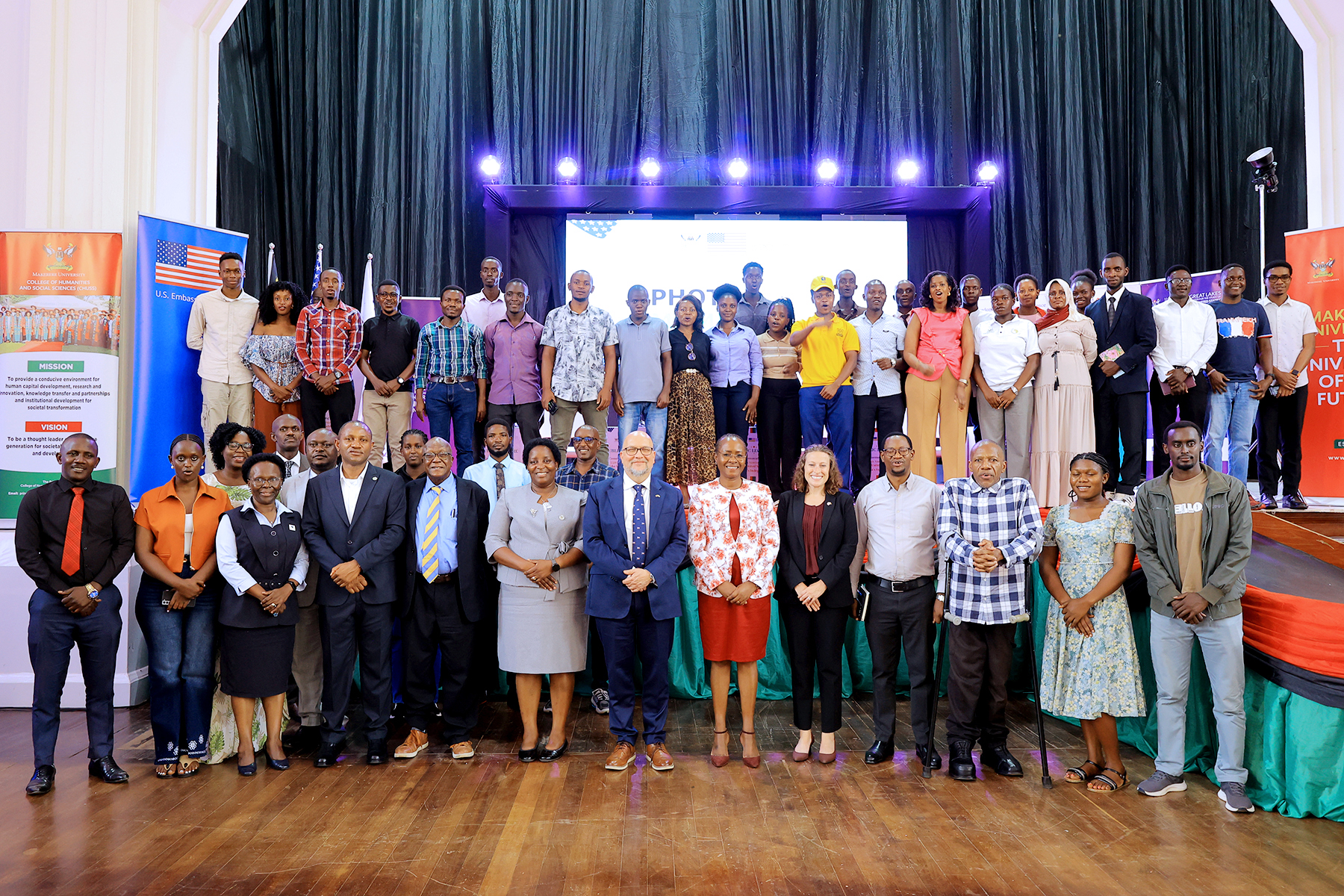
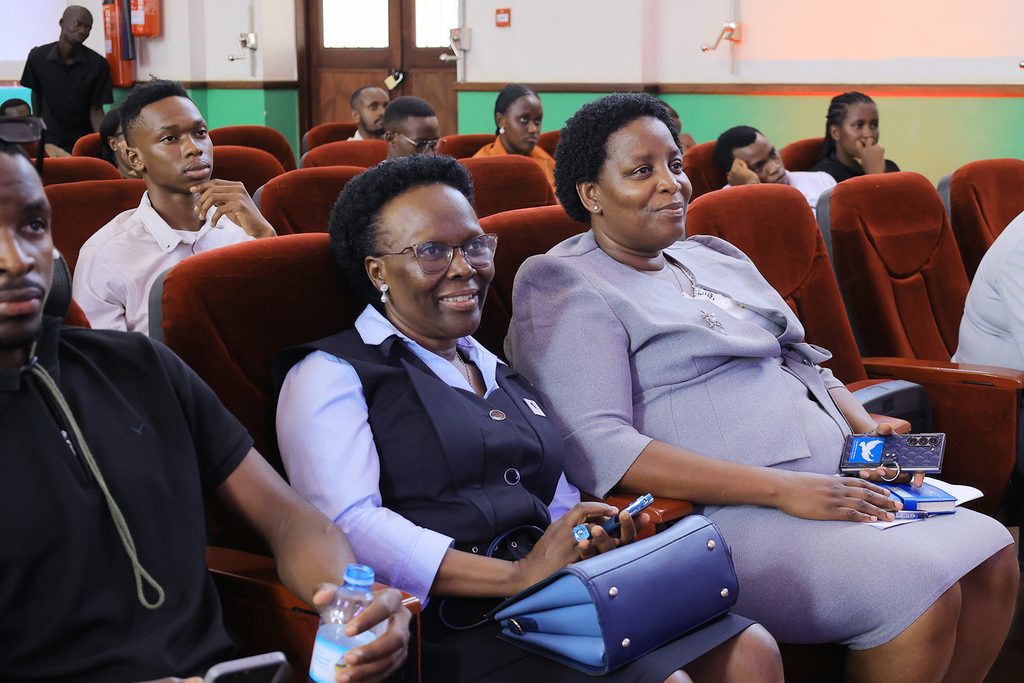
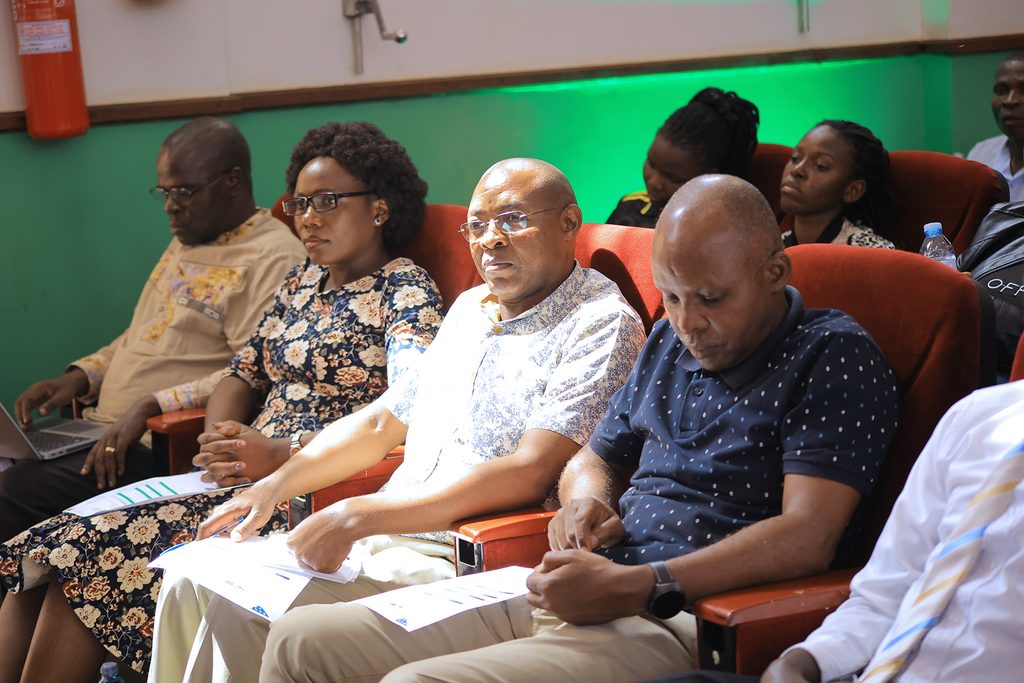
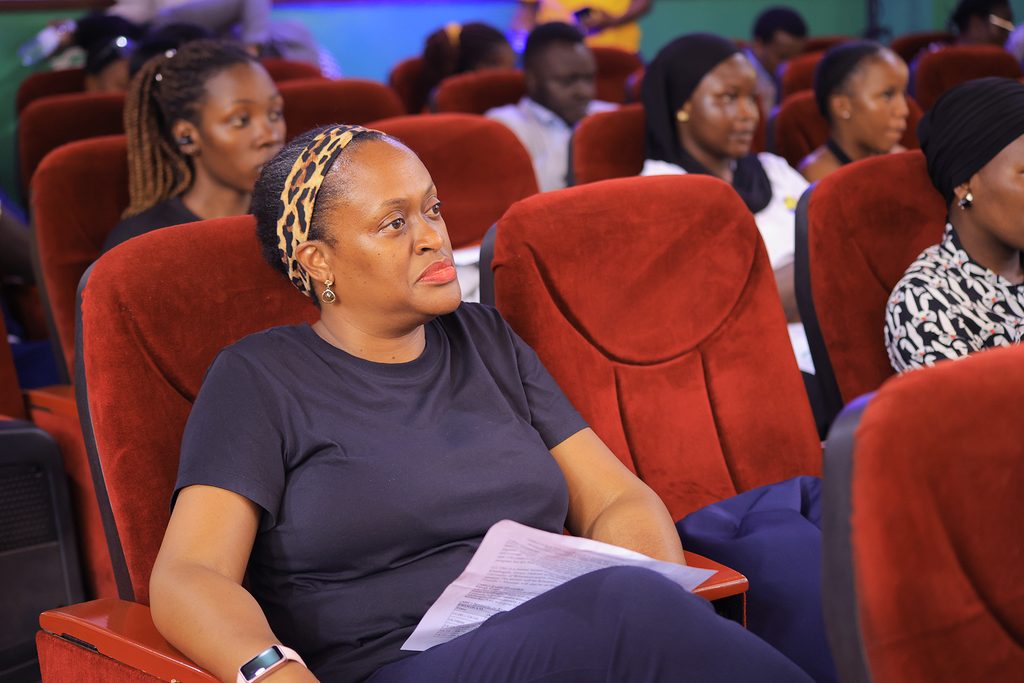
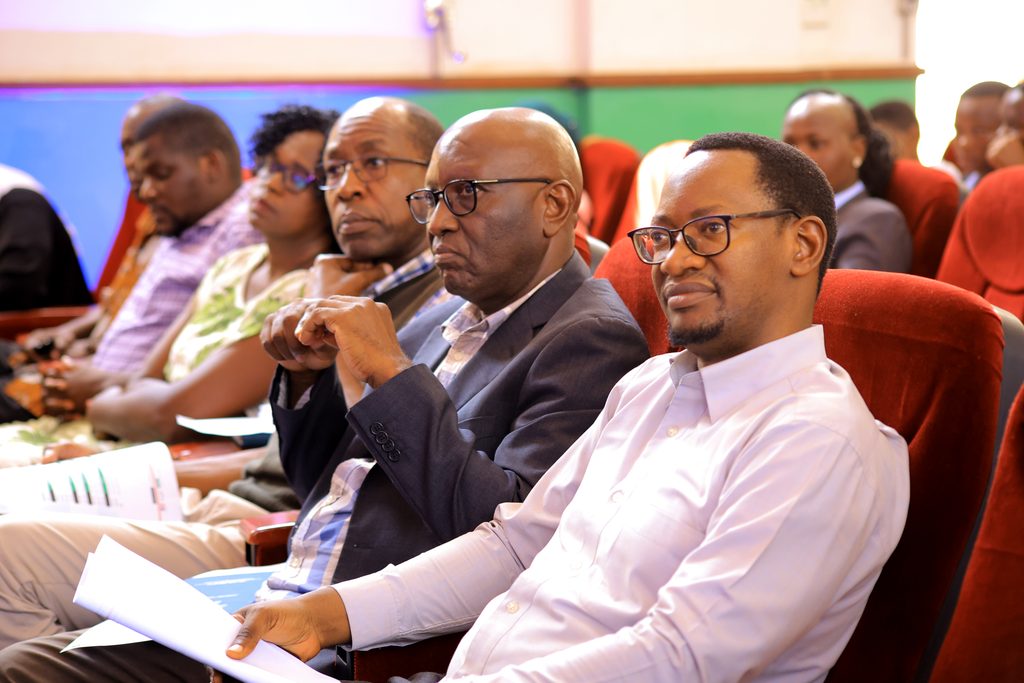
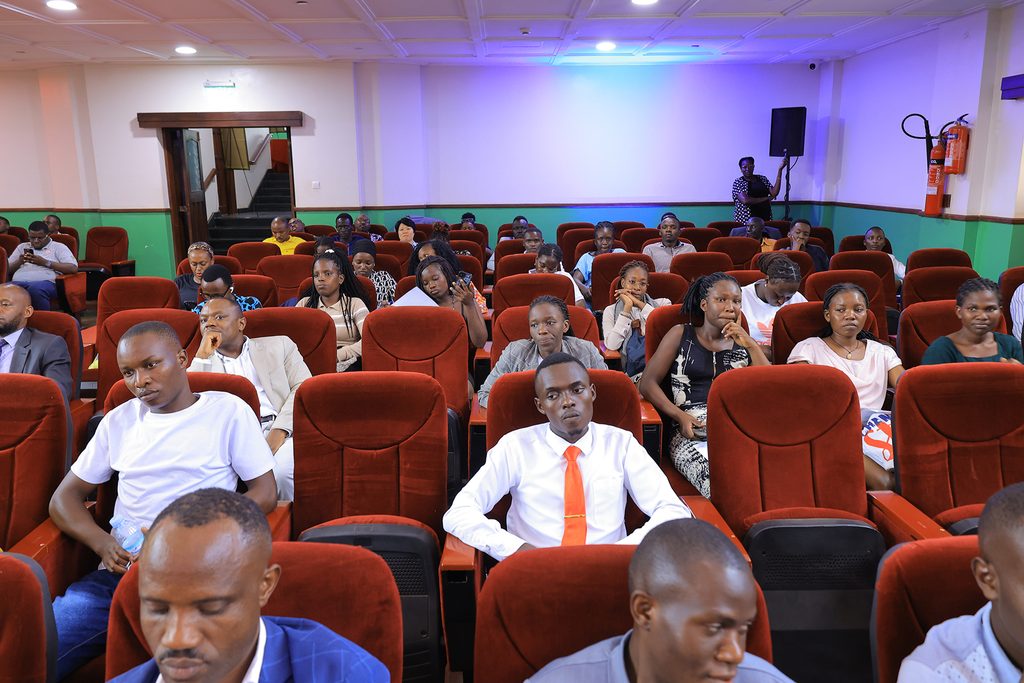
The public lecture brought together Makerere academics, students, U.S. Embassy officials and members of the public to reflect on the United States’ historical development, its institutions and the lessons its experience may offer Africa.
The discussions repeatedly emphasized institution-building, democratic governance, women’s participation, innovation, national identity, policy implementation and the need for African countries to adapt lessons from other societies to their own contexts.
Ochen concluded by urging participants to use the lessons from the lecture as part of Makerere’s broader commitment to “build for the future.”