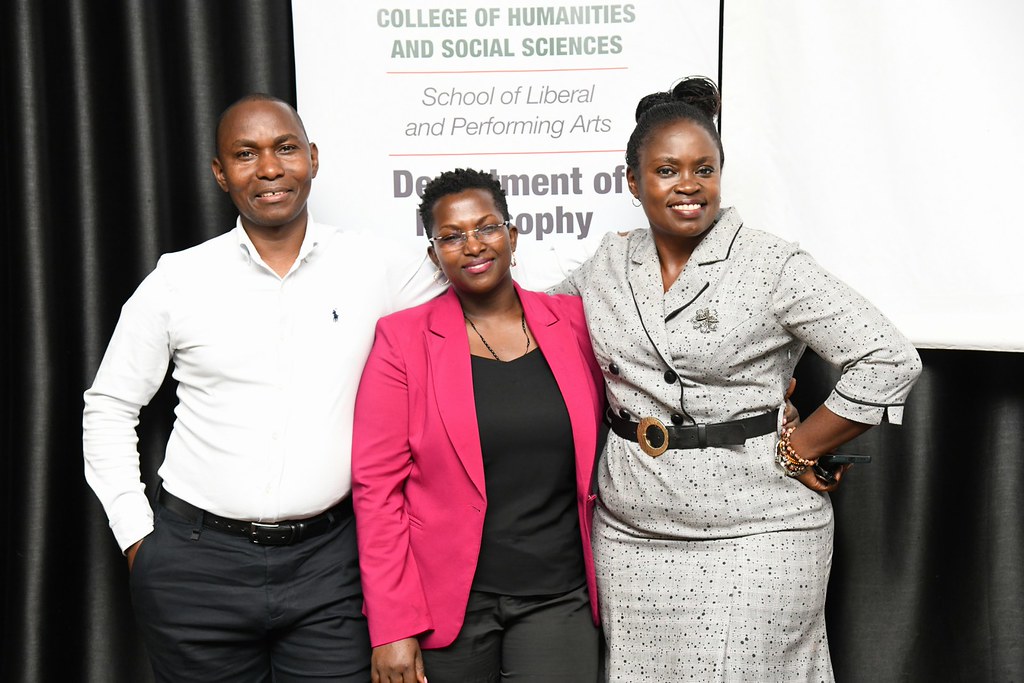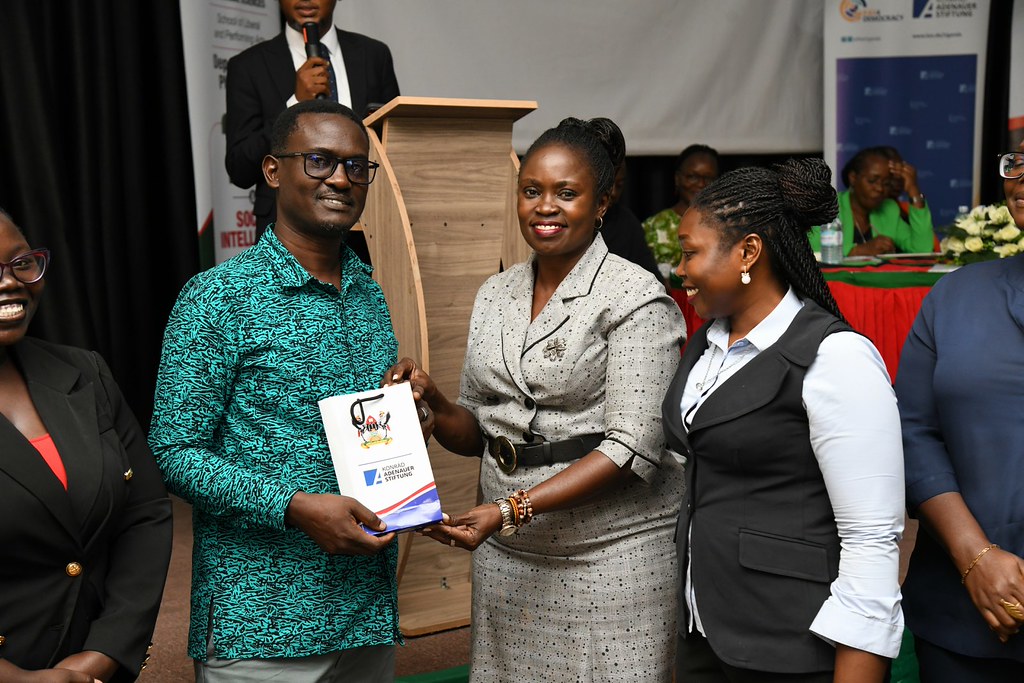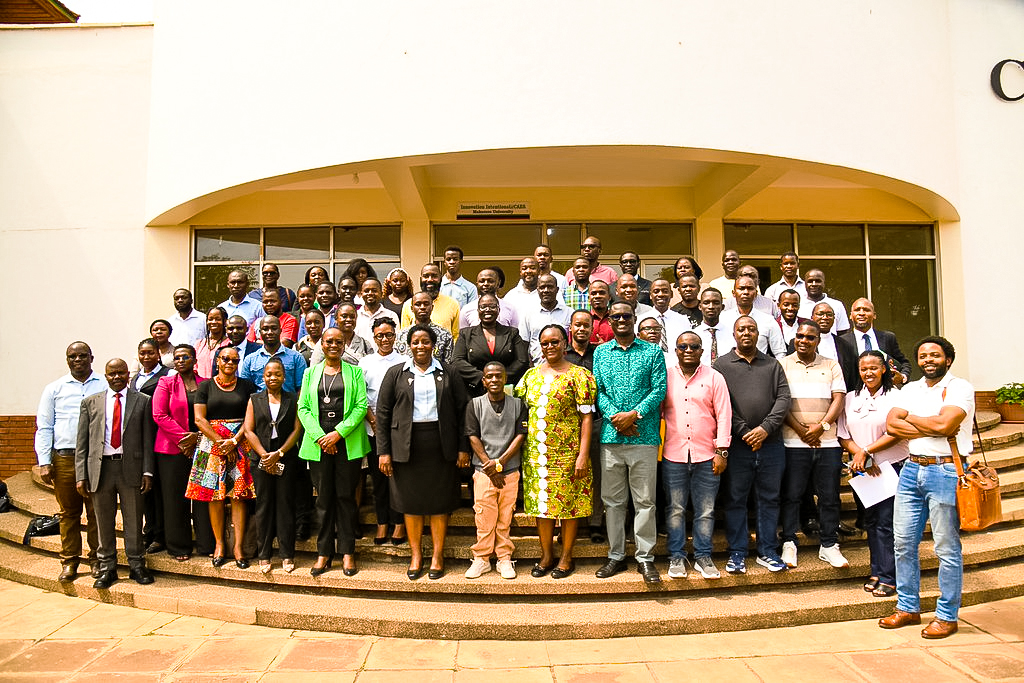
Makerere University has graduated the first cohort of its three-week Critical Thinking and Social Intelligence short course, with university officials calling for the skills to be integrated into education and applied more widely across society.
The course was developed under the Department of Philosophy, School of Liberal and Performing Arts in the College of Humanities and Social Sciences, spearheaded by Dr Jimmy Spire and staff in the department, with support from Konrad-Adenauer-Stiftung (KAS).
The course covered critical thinking, disinformation, manipulation, propaganda and argumentation, alongside social intelligence skills such as empathy, emotional regulation and managing relationships. The inaugural cohort brought together professionals and academics from diverse disciplines, including law, medicine, engineering, teaching, veterinary medicine and the social sciences.
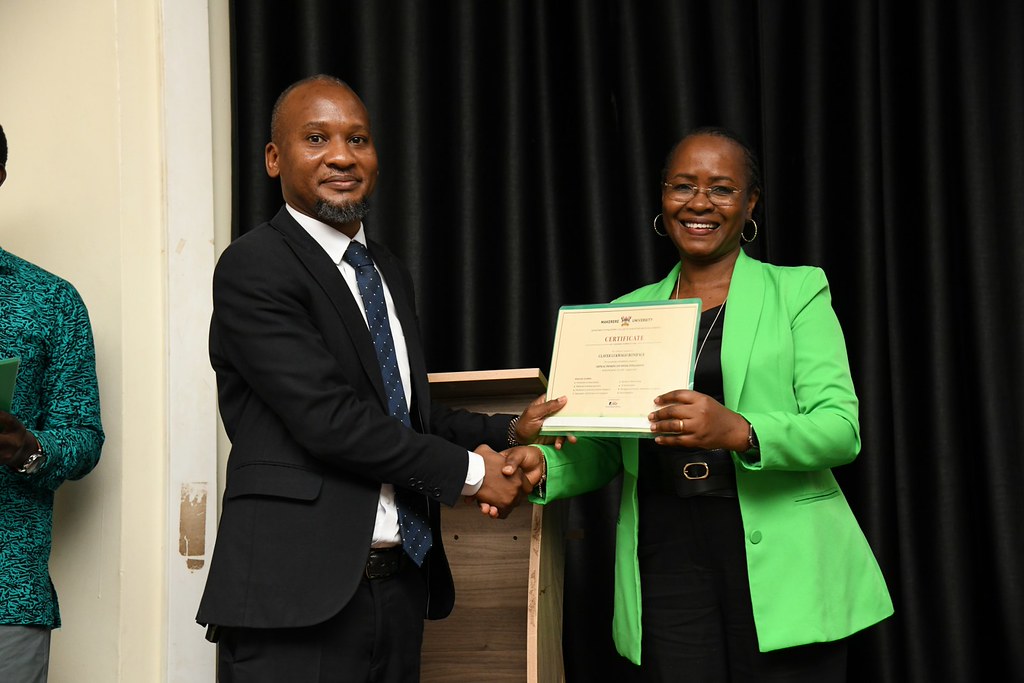
The university’s Deputy Vice-Chancellor in charge of Academic Affairs, Prof. Sarah Ssali who presided over the certificate presentation, said critical thinking is fundamental to every academic and professional discipline, including law, medicine and economics. “Philosophy underpins us all,” she told the graduates, arguing that professionals who think critically are better equipped to serve both their professions and the public.
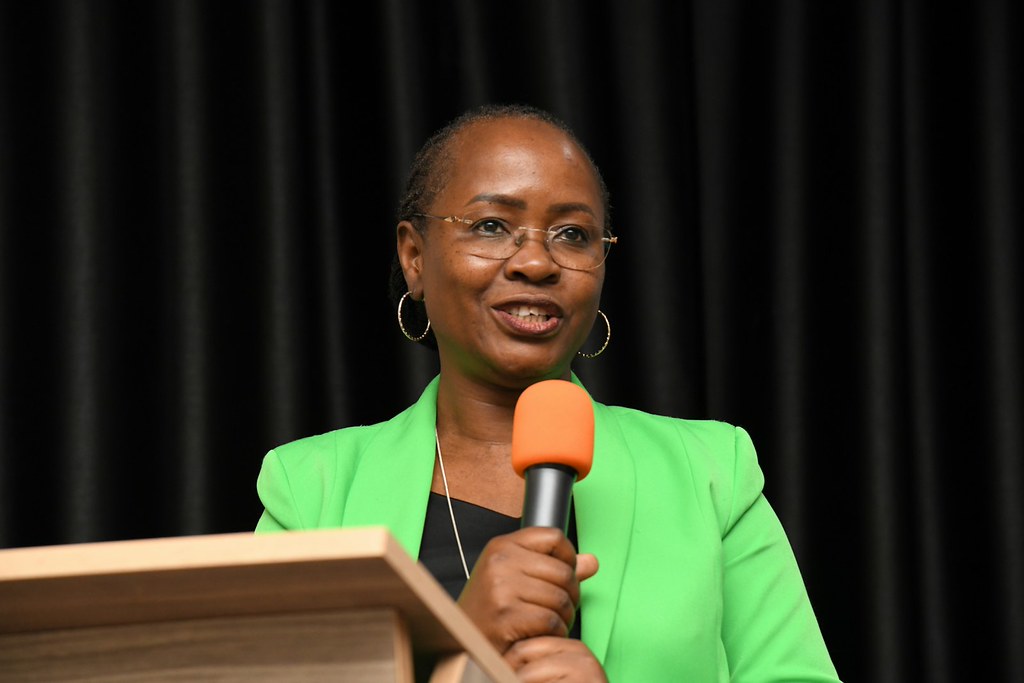
She said a lawyer, teacher, economist or medical professional who develops strong critical thinking skills is better positioned to make sound and informed decisions, assess complex situations objectively and respond appropriately to challenges within their profession. She noted that critical thinking enables professionals to question assumptions, evaluate evidence, identify misinformation and consider different perspectives before arriving at conclusions.
She added that such skills are essential not only for professional success but also for responsible engagement with society. According to her, professionals who are able to think critically are more likely to make decisions that are ethical, evidence-based and beneficial to the people they serve. Whether in a courtroom, classroom, hospital, business environment or public institution, she said, the ability to analyse information carefully and reason independently enables professionals to perform their duties more effectively and contribute positively to the wider community.
The Principal of the College of Humanities and Social Sciences, Associate Professor Helen Nambalirwa Nkabala, defended the importance of the humanities and social sciences, rejecting the perception that these disciplines are less valuable or less significant than the sciences. She emphasised that both fields play complementary roles in addressing the complex challenges facing society and that meaningful development requires knowledge and expertise from different academic disciplines.
“We are not in competition,” Prof. Nkabala said, stressing that the humanities, social sciences and sciences are interdependent and must work together to respond to contemporary social, economic and professional challenges.
She said the Critical Thinking and Social Intelligence programme demonstrated the important role the college can play in addressing challenges beyond the traditional classroom and extending academic knowledge to the wider community. “The College of Humanities and Social Sciences has a responsibility to ensure that knowledge generated within the university is translated into practical skills that can improve people’s lives and strengthen communities,” she said.
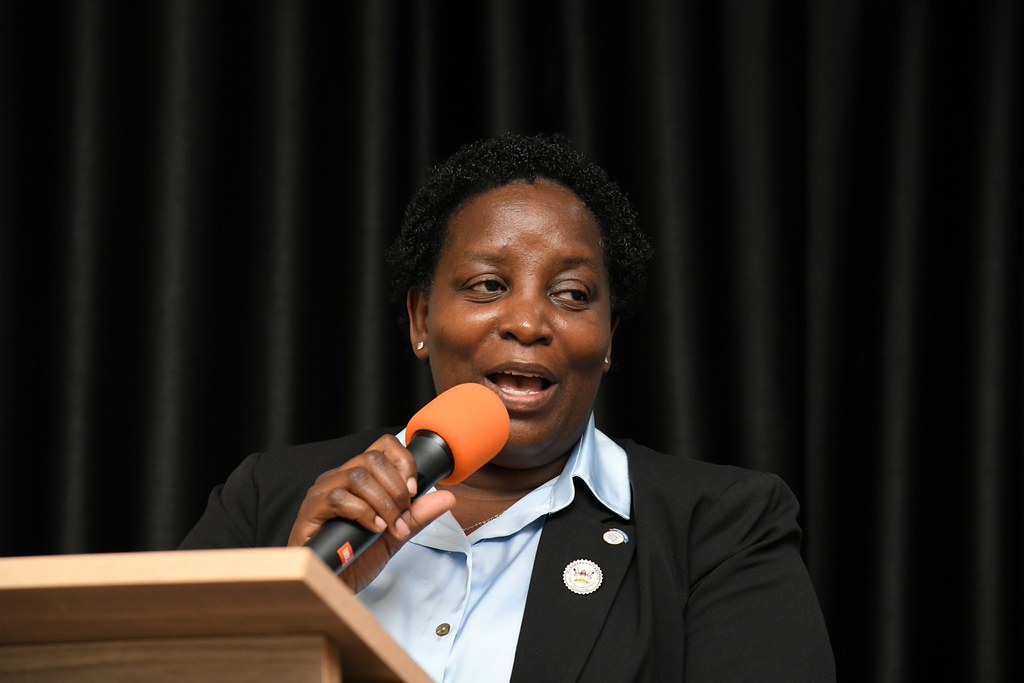
Prof. Nkabala encouraged the graduates to view the completion of the course not as the end of their learning journey, but as an opportunity to apply and share the knowledge and skills they had acquired. She urged them to take the principles of critical thinking and social intelligence into their workplaces, families and communities, using them to promote constructive dialogue, responsible decision-making and better relationships.
She further challenged the graduates to become agents of positive change by sharing what they had learned with others and demonstrating the practical value of the humanities and social sciences in everyday life. She said the impact of the programme would ultimately be measured by how participants use their knowledge to address real-life challenges and contribute to more thoughtful, informed and constructive engagement in society.
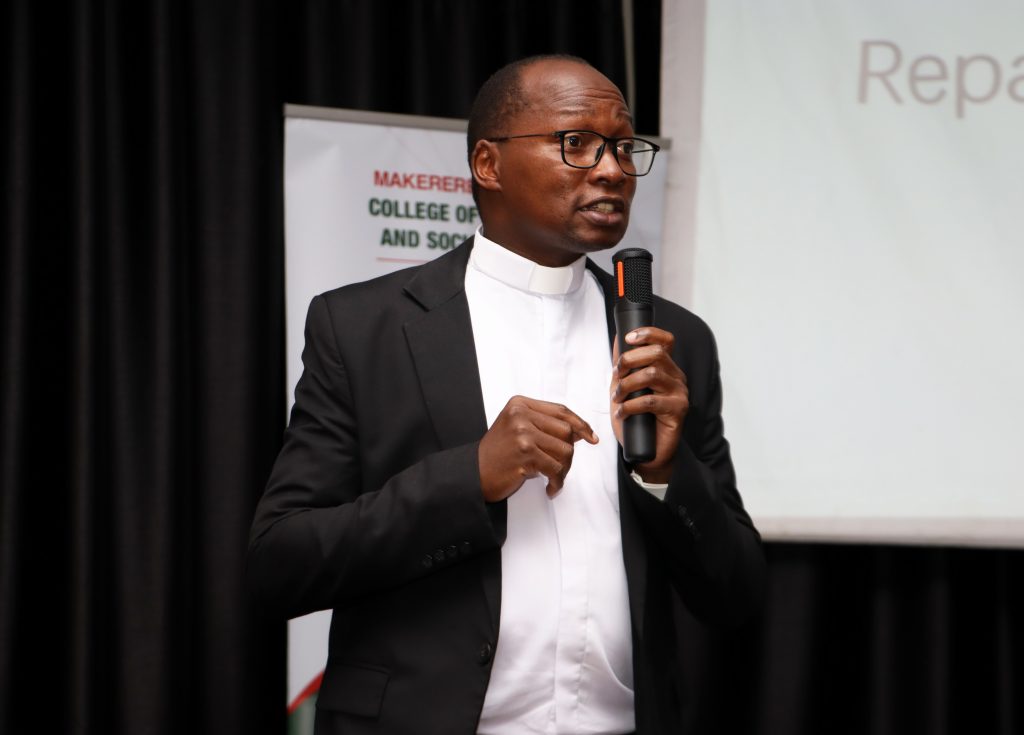
Dr. Dickson Kanakulya, Head of the Department of Philosophy at Makerere University, congratulated the graduates upon successfully completing the Critical Thinking and Social Intelligence course. He urged the graduates not to limit their understanding of critical thinking to theoretical knowledge acquired in the three weeks of the short course, but to put the skills into practice in their everyday lives. He encouraged them to critically examine information, question assumptions, assess arguments carefully and make informed decisions rather than simply accepting ideas at face value.
He further challenged the graduates to apply the knowledge and skills gained from the programme in their workplaces, communities and interactions with others. “The true value of critical thinking lies not only in understanding its principles but also in using them to contribute to constructive discussions, solve problems and promote responsible engagement in society,” he said.
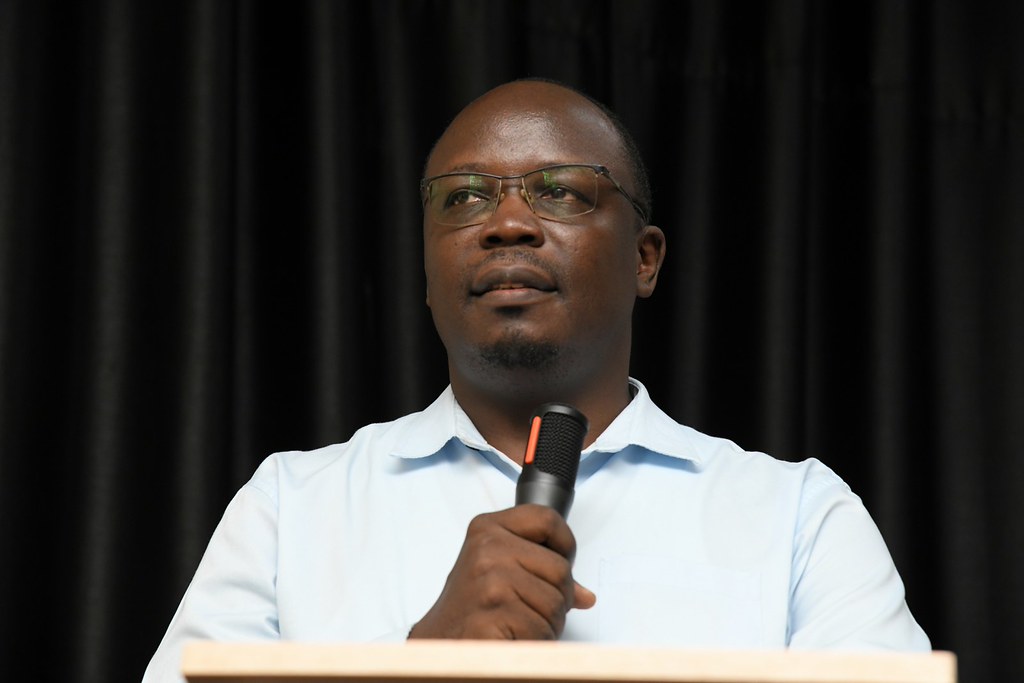
The programme coordinator, Dr. Jim Spire Ssentongo, said the course was introduced in response to growing concerns about the quality of public debate, particularly in Uganda’s media and social media spaces. He said public discussions are increasingly characterised by manipulation, misinformation, emotional reactions and hostility, rather than constructive engagement aimed at establishing the truth. “It’s just about the ability to think through ideas and be able to arrive at the truth or be able to engage in constructive discussions which are more about arriving at the truth than winning arguments,” Dr. Spire said.
Dr. Spire said the programme was intended to help participants recognise and understand techniques used to influence people rather than teach them how to manipulate others or spread propaganda. He said the three-week physical format limited the number of people who could participate, particularly working professionals, and suggested that an online or blended model could attract many more applicants.
The programme was open to anyone who had completed Senior Six, irrespective of their profession. However, the department is considering extending the training to younger learners, including Senior Four students and upper-primary pupils. “The problem is bigger below, where people are socialised earlier,” Dr. Spire said. “Once they are broken, it’s very difficult to mend them at upper levels,” he added.
He said the long-term goal should be to mainstream critical thinking and social intelligence within Uganda’s education system rather than leave them as skills acquired by a small number of people through specialised programmes. “We need to roll it out even at lower levels and perhaps mainstream it in our education so that critical thinking is not just a reserve of those who have studied it in special trainings like this,” he said.
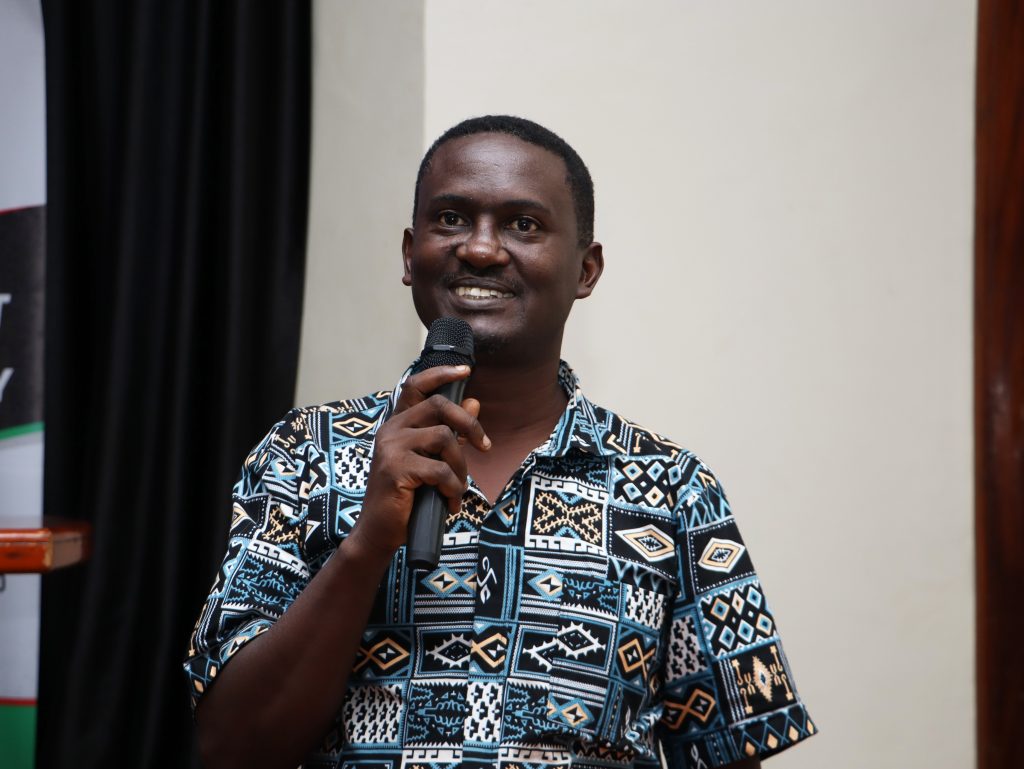
The training was supported primarily by the Konrad-Adenauer-Stiftung (KAS), which offered assistance after seeing the department’s social media advertisement. The support helped reduce the financial burden on participants.
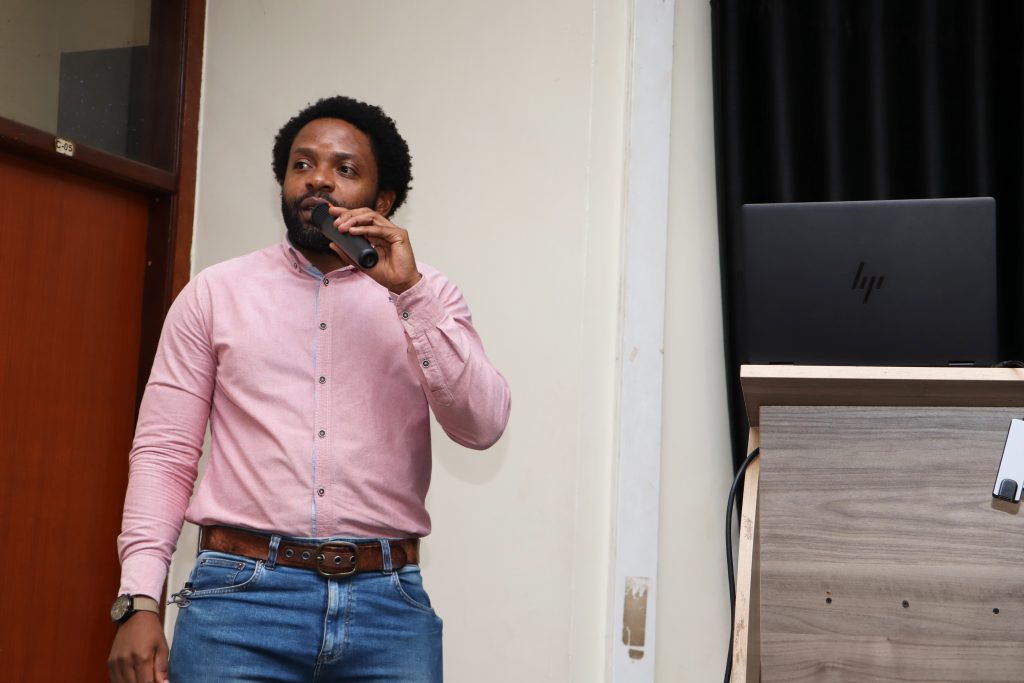
Bernard Mukhone, KAS representative at the closing ceremony pledged continued support for the next training programme and proposed developing critical thinking and social intelligence materials that could reach people beyond those attending the physical course. UNESCO also supported the initiative and encouraged graduates to apply and share the knowledge gained within their communities as part of lifelong learning.
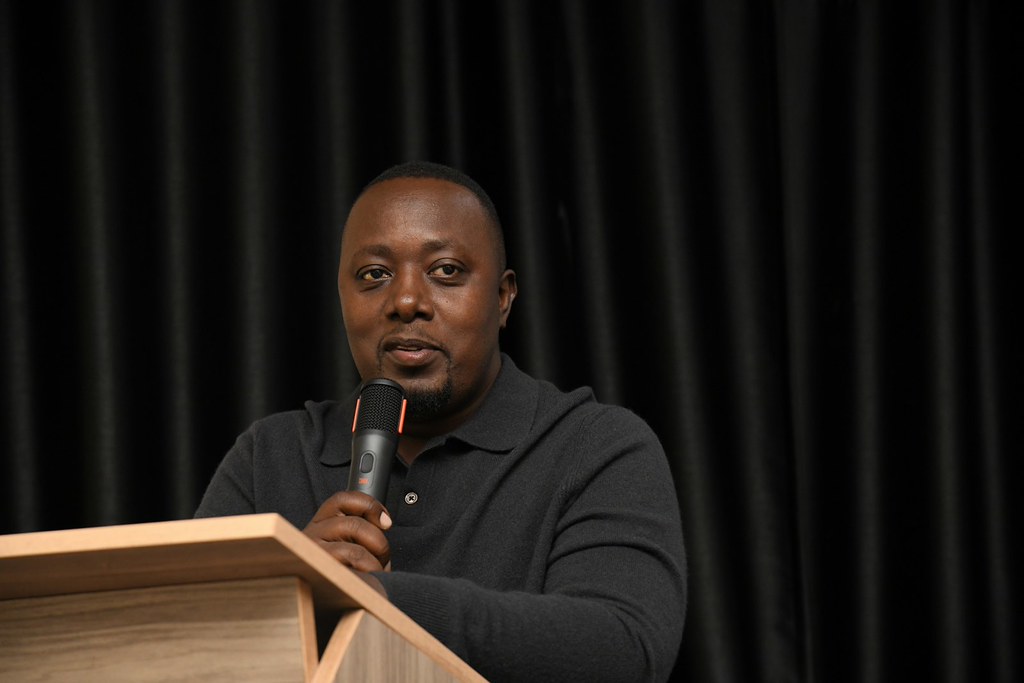
Boniface Lukwago, one of the participants at the closing ceremony, called for the programme to continue beyond the inaugural three-week training and for opportunities for further learning.
The department ultimately hopes to make critical thinking and social intelligence widely accessible and part of mainstream education rather than skills reserved for those who enrol in specialised training.
Compiled and written by Peninah Nalubega
4th-year Journalism and Communication student
Including photo credits